


HbA1C Diagnostic Test
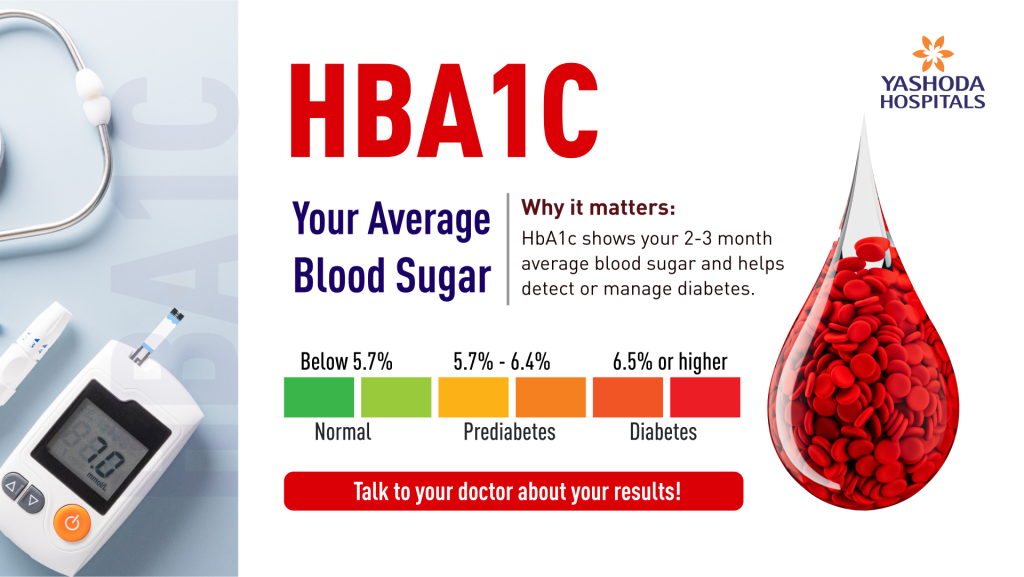
The HbA1c evaluation, also termed glycated hemoglobin examination, is a vital blood evaluation utilized to test average blood glucose levels over the past two or three months. Unlike routine blood sugar evaluations that quantify glucose at a single point in time, the HbA1c evaluation indicates long-term glycemic control by estimating the percentage of hemoglobin that is coated with glucose. Hemoglobin is a protein in red blood cells in control of carrying oxygen, and when glucose circulates in the blood, it attaches to hemoglobin, giving birth to glycated hemoglobin. Since red blood cells have a longevity of approximately 120 days, the HbA1c evaluation provides a complete overview of blood sugar trends over time. This makes it an important tool in both identifying diabetes and controlling its management. HbA1c evaluation assists healthcare providers in understanding how well blood sugar levels have been managed and if the treatment procedure needs any fine-tuning.
Uses of HbA1c test:
- It is utilized to measure the average blood glucose levels over the past 2 or 3 months.
- It assists in identifying diabetes and also pre-diabetes conditions.
- It is utilized to observe long-term glucose control in diabetic patients.
- It helps in evaluating the success of treatment plans that are used for diabetes management.
- It helps in evaluating issues related to diabetes-related diseases.
Indications of HbA1c test:
- It is suggested for individuals who show the symptoms of diabetes, such as increased thirst or recurring urination.
- It is recommended for people with diabetes risk factors, like obesity, or those who have a family history of diabetes.
- It is suggested for routine screening in adults for diabetes who are above a certain age.
- HbA1c is also used for observing disease progression in patients who have already been diagnosed with diabetes.
- HbA1c is preferably suggested during follow-up visits to diabetes patients to evaluate the effectiveness of treatment.
Preparation Before HbA1c Evaluation:
- Before HbA1c evaluation, no fasting is normally needed. The individual can maintain a normal diet and routine before the test.
- The patients, before undertaking an HbA1c evaluation, should inform their doctor about pre-existing medicines that they are taking or health issues they are dealing with.
- The patient before a HbA1c evaluation should remain hydrated before the blood sample is taken for evaluation.
- The patient should follow all the specific instructions that a doctor gives to them before undergoing HbA1c evaluation.
Procedure of HbA1c Evaluation:
- A blood sample is drawn from a vein in the arm, after the area is cleaned using an antiseptic solution.
- A sterile needle is then thrust through to draw the blood sample, and the sample is collected in a vial for laboratory evaluation.
- The blood is then evaluated to determine the percentage of glycated hemoglobin (that is, the percentage of hemoglobin coated with glucose).
Benefits of HbA1c Evaluation:
- It provides a long-term outline of the blood glucose control.
- It assists in early diagnosis of diabetes and pre-diabetes (a serious health condition where blood sugar levels are usually higher than normal but still not high enough for identifying type 2 diabetes).
- HbA1c evaluation does not require fasting, as some other tests do, making it highly convenient.
Factors Influencing Test Results of HbA1c:
- Anemia or blood diseases.
- Recent blood loss or transfusion.
Kidney or liver diseases. - Certain medicines.
- Variation in the lifespan of red blood cells.
- Pregnancy.
- Long-term Illness.
Types of HbA1c Evaluations:
Laboratory HbA1c Testing:
Is a standard evaluation and the most precise method for measuring the levels of HbA1c. The process is performed in a certified laboratory utilizing state-of-the-art techniques like high-performance liquid chromatography (HPLC) or immunoassay. The blood sample that is collected from the vein of the individual is evaluated under controlled conditions, ensuring accurate and dependable outcomes. This method is heavily used for both identification and continuous observation of diabetes, as it provides standardized values that are globally accepted.
POC) HbA1c TePoint-of-Care (sting:
The point-of-care HbA1c evaluation is a quick diabetes testing method performed in clinics and outpatient settings. It utilizes a small blood sample, mostly obtained through a finger prick, and provides outcomes within a few minutes. This type of evaluation is especially useful for quick decision-making during patient visits, allowing doctors and healthcare providers to adjust treatment plans there and then. Nevertheless, the point-of-care HbA1c test, though convenient, is a little less precise than laboratory HbA1c evaluation.
Interpretation of HbA1c Test Outcomes:
Normal: Below 5.7% indicates normal blood glucose levels.
Pre-diabetes: 5.7% to 6.4% suggests a higher risk of developing diabetes.
Diabetes: 6.5% or higher confirms diagnosis of diabetes (on repeated testing).
Good Control (In diabetic patients): If the HbA1c result is below 7%, it suggests well-managed blood sugar levels.
Poor Control (Above 8%): Suggests inadequate glucose control and a greater risk of complications.
Side Effects of HbA1c Test:
- Slight pain or discomfort at the site of the needle insertion.
- Slight bruising.
- Minor bleeding.
- Dizziness in some individuals.
- Rare risk or threat of infection.







 Appointment
 Second Opinion
 Live Chat
 Call
Call More
More