



Get a Free Second Opinion

Best Cancer Hospital in Hyderabad, India
- Team of Top Cancer Specialists in the Country
- Most Advanced PET-CT Diagnostics in the World
- Revolutionary MR Linac Radiotherapy Technology
- One of Few Centres in India Offering CAR-T Cell Therapy
- Robotic-Assisted Highly Advanced Tumour Resections
- Scalp-Cooling Technology for Chemotherapy Patients
- World’s Largest Number of Cancer Patients Treated with Rapid Arc Technology
Yashoda Hospitals brings together some of India’s leading cancer specialists with exceptional surgical and clinical expertise, achieving consistently high success rates even in the most complex cancer cases. Every case is evaluated through a dedicated multidisciplinary tumour board, comprising experts from surgical oncology, medical oncology, radiation oncology, radiology, pathology, and nuclear medicine. Each case is reviewed in detail using clinical assessment, imaging studies, and pathology reports to ensure precise staging and the formulation of an ideal treatment plan specific to patient needs.
Center of Excellence in Cancer Treatment
As a leading cancer care centre, Yashoda Hospitals is committed to delivering personalised, precision-driven treatment for every patient. Our multidisciplinary team designs individualised treatment plans supported by advanced diagnostics, robotic-assisted surgeries, technology-guided interventions, and next-generation radiation therapies. With innovations such as MR-Linac, functional imaging, targeted therapy, and immunotherapy, we provide highly accurate, evidence-based care that maximises treatment effectiveness while preserving healthy tissues. Our comprehensive treatment ensures world-class cancer care across every stage of the patient journey.
Center of Excellence in Surgical Oncology
- Robotic Cancer Surgery
gynaecological, colorectal, thoracic, and urological cancers - Robotic/VATS-Assisted Cancer Resections
Advanced minimally invasive surgery for lung and chest cancers - IONM-Guided Surgery (Intraoperative Nerve Monitoring)
Most commonly used for recurrent thyroid, parotid, and head & neck cancers. - Fluorescence-Guided Cancer Surgery
Real-time visualisation of the extent & involvement of nodes by sentinel lymph node biopsy - CRS + HIPEC (Cytoreductive Surgery + Hyperthermic Intraperitoneal Chemotherapy)
One of the most specialised cancer procedures, for advanced abdominal cancers
Center of Excellence in Radiation Oncology
- MR-Linac-Guided Adaptive Radiation Therapy
Particularly effective for gynaecological, prostate, and abdominal cancers - SBRT / SRS (Stereotactic Body Radiation Therapy / Stereotactic Radiosurgery)
Highly precise, image-guided radiation techniques that deliver high-dose radiation - IGRT (Image-Guided Radiation Therapy)
An advanced radiation technique that uses real-time imaging during every session - Brachytherapy
A form of internal radiation is delivered directly to the tumour site - 3D CRT (Three-Dimensional Conformal Radiation Therapy)
Advanced external beam radiation technique that uses three-dimensional imaging
Center of Excellence in Medical Oncology
- Next-Generation Sequencing (NGS)
Analyzes hundreds of cancer-related genes in a single test, helping identify the most effective personalised treatment plan - SBRT / SRS (Stereotactic Body Radiation Therapy / Stereotactic Radiosurgery)
Highly precise, image-guided radiation techniques that deliver high-dose radiation - IGRT (Image-Guided Radiation Therapy)
An advanced radiation technique that uses real-time imaging during every session - Brachytherapy
A form of internal radiation is delivered directly to the tumour site - 3D CRT (Three-Dimensional Conformal Radiation Therapy)
Advanced external beam radiation technique that uses three-dimensional imaging
Center of Excellence in Medical Oncology
- Next-Generation Sequencing (NGS)
Analyzes hundreds of cancer-related genes in a single test, helping identify the most effective personalised treatment plan - Liquid Biopsy (ctDNA)
A simple blood test that detects tumour DNA, helping monitor treatment response and identify cancer recurrence without invasive procedures. - Biomarker testing
Identifies specific tumour markers that help experts select the most effective and personalised cancer treatment. - Targeted Therapy
A precision cancer treatment that specifically attacks cancer cells based on their genetic changes while minimising damage to healthy cells. - Immunotherapy
A treatment that boosts the body’s immune system to recognise and fight cancer cells more effectively. - CAR-T Cell Therapy
An advanced personalised treatment that reprograms a patient’s own immune cells to recognise and destroy cancer cells. - Bone Marrow Transplant (BMT)
A specialised treatment that replaces damaged or diseased bone marrow with healthy stem cells to restore the body’s ability to produce healthy blood cells. - Day Care Chemotherapy
Dedicated chemotherapy wards for same-day chemotherapy & discharge
Expertise in Palliative Cancer Care
- Pain Management:
Comprehensive pain management focuses on relieving cancer-related pain and treatment-related discomfort through personalised medical interventions. - Psycho-Oncological Counselling:
Provides emotional and psychological support to help patients and families cope with the challenges of a cancer diagnosis and treatment. - Nutritional Oncology:
Offers individualised dietary guidance to support patients before, during, and after cancer treatment. Optimised nutrition helps maintain strength, manage treatment side effects, and support recovery. - Rehabilitation Oncology:
Focuses on restoring physical function, independence, and quality of life affected by cancer or its treatment. These rehabilitation programmes help patients regain strength, mobility, and confidence throughout their recovery journey.
Meet Our Expert Oncology Team
At Yashoda Hospitals Cancer Institute, we offer highly specialised and holistic cancer treatment through our expert team of leading medical, radiation, and surgical oncologists. We provide support to this multidisciplinary team of oncologists through a skilled set of nurses, haematologists, fertility specialists, and rehabilitation therapists, who provide comprehensive care for various cancers.
Furthermore, our state-of-the-art technology, including robotics, diagnostics, imaging, operation theatres, chemotherapy centres, and ICUs, complements their skills. Yashoda Hospitals’ leading cancer specialists in Hyderabad deliver holistic and personalised care for various cancers, integrating breakthrough research to ensure rapid patient recovery.

Dr. M. Suneetha
MBBS, MD, DNB, FRCR (UK)Sr. Consultant Radiation Oncologist , Clinical Director.

Dr. Chinnababu Sunkavalli
MS (Gen Surg), MCh (Surg Onco), FIAGES, PDCRClinical Director-Surgical Oncology, Sr. Consultant Surgical Oncology and Robotic Surgical Oncology

Dr. Naidu N. Bethune
MD, DMSr. Consultant Medical Oncologist &
Hematologist

Dr. Rajesh Goud E
MBBS, MS, FMAS, MCh (Surgical Oncology)Sr. Consultant Surgical Oncologist,
Minimal Invasive & Robotic Surgeon

Dr. Shikhar Kumar
MBBS, MD (PGIMER Chandigarh), DM Medical Oncology (Tata Memorial Hospital, Mumbai), ECMO (European Certified Medical Oncologist)Consultant Medical Oncologist

Dr. Malyadri Paladugu
MBBS, DNB, FIAGES, FALS (Oncology), MCh Surgical OncologyConsultant Surgical Oncologist, Minimal Invasive Onco Surgeon

Dr. M. Jagan Mohan Reddy
MD (Radiation Oncology)Sr. Consultant Radiation Oncologist

Dr. Suhail Ahmed
MBBS, MD (Radiotherapy)Consultant Radiation Oncologist

Dr. G. Vamshi Krishna Reddy
MD, DM (Medical Oncology)Director-Oncology Services, Consultant Medical Oncologist & Hemato Oncologist

Dr. Kirti Ranjan Mohanty
MBBS, MD (Gold Medallist)Consultant Radiation Oncologist

Dr. Dayakar Rao
MS, MCh (Surgical Oncology)Consultant Surgical Oncologist

Dr. R. Nivalika
DNB RadiotherapyConsultant Radiation Oncologist

Dr. Bala Raju Kotla
MBBS, DNB (General Surgery), DrNB (Surgical Oncology), FIAGESConsultant Surgical Oncologist
Minimal Invasive Surgeon

Dr. L. Rohit Reddy
MD, DM, ECMO, FAGEConsultant Medical Oncologist & Hemato Oncologist
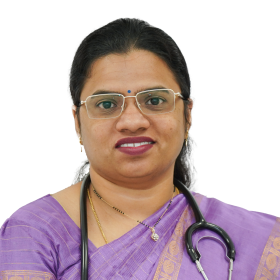

Dr Srinivas Chakravarthy. G
MD Med(USA), DM Onc(USA), DM Heme (USA) Diplomate, American Board of Medicine, Oncology. & Hematology Marrow Transplant Physician, University of Washington, Seattle, Asst. Professor, Oncology & Hematology., University of California, Davis. Advisor, National Physicians' Advisory Board, USA.Senior Consultant Hematologist & Medical Oncologist

Dr. B. Ramakrishna Prasad
MD (Radiation Oncology)Consultant Radiation Oncologist

Dr. Bharat A. Vaswani
MBBS, MD (General Medicine), DM (Medical Oncology) European Certification of Medical Oncology (ECMO) MRCP(UK) – (SCE) Post Graduate Diploma in Clinical Research (PDCR) Master's Degree in Molecular Oncology (ESO)Sr. Consultant, Clinical Director- Medical Oncology & Haematology

Dr. D Shiva Prasad
MD, FRCR-clinical oncology, UK MRCP, ECMO Medical oncologyConsultant Radiation oncologist

Dr. Hemanth Vudayaraju
MS (General Surgery), MCh (Surgical Oncology), DNB (Surgical Oncology)Director-Surgical Oncology & Minimal Access Onco Surgery and Robotic Surgeon

Dr. Macha Kiran Kumar
MBBS, MD, DM, ECMO, PDCR MD (Radiation Oncology- Gold Medal), DM (Medical Oncology)Sr. Consultant Medical & Hemato-Oncologist

Dr. Sumanth Kumar Mallupattu
MD (Radiation Oncology), PGIMER, Chandigarh DM (Medical Oncology), NIMS, MRCP SCE (UK),ECMO (European Certified Medical Oncologist)Sr. Consultant Medical Oncologist & Haemato Oncologist
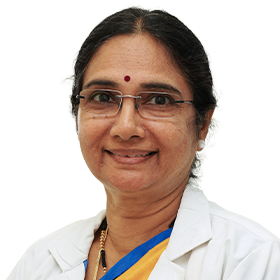
Dr. Y. Nalini
MD, DNB (Radiation Oncology)Sr. Consultant Radiation Oncologist

Dr. K. Sreekanth
MS, MCh (Surgical Oncology)Sr. Consultant Surgical Oncologist
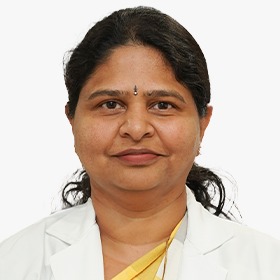
Dr. Sudha Sinha
MBBS, MD Diplomate American Board of Internal Medicine, Hematology & OncologyClinical Director & HOD, Sr. Consultant Medical Oncology & Hemato-Oncology

Dr. K. Kiran Kumar
MD, DNB (Radiation Therapy)Sr. Consultant Radiation Oncologist

Dr. Sachin Marda
MS (General Surgery), DNB (MNAMS), Fellowship in GI and Laparoscopic Surgery, MRCS (Edinburgh, UK), MCh (Surgical Oncology), DNB (MNAMS), Fellowship in Robotic SurgerySr. Consultant Surgical Oncologist & Robotic Surgeon(Cancer Specialist) Clinical Director

Dr. Pradeep Kumar Karumanchi
MBBS, ECFMG (USA), DNB (Radiation Oncology)Consultant Radiation Oncologist

Dr. Y. Yugandar Reddy
MBBS, MS (Gen Surgery – Gold Medalist) DNB (Surgical Oncology Gold Medalist)Sr Consultant Oncology & Laparoscopic, Robotic Onco-Surgeon

Dr. Bharath Chandra Gurram
MBBS, MD, ESMO, MRCP (Onc, UK), Fellow Head & Neck Oncology (USA)Consultant Radiation Oncology

Dr. Harish Kancharla
MBBS, MD (Internal Medicine)-PGIMER Chandigarh, DM (Medical Oncology)- AIIMS New DelhiSr. Consultant Medical Oncologist and Hemato-Oncologist

Dr. M. R. Vishwateja
MBBS, DNB (Radiation Oncology)Consultant Radiation Oncologist
Meet our Leading Oncologists and Cancer Specialists in Hyderabad
At Yashoda Hospitals Cancer Institute, we offer highly specialised and holistic cancer treatment through our expert team of leading medical, radiation, and surgical oncologists. We provide support to this multidisciplinary team of oncologists through a skilled set of nurses, haematologists, fertility specialists, and rehabilitation therapists, who provide comprehensive care for various cancers.
Furthermore, our state-of-the-art technology, including robotics, diagnostics, imaging, operation theatres, chemotherapy centres, and ICUs, complements their skills. Yashoda Hospitals’ leading cancer specialists in Hyderabad deliver holistic and personalised care for various cancers, integrating breakthrough research to ensure rapid patient recovery.

Dr. Bharat A. Vaswani
20 Years Of Experience
Senior Consultant Medical Oncologist and Hematologist
Dr. Hemanth Vudayaraju
18 Years Of Experience
Director-Surgical Oncology & Minimal Access Onco Surgery and Robotic Surgeon

Dr. Chinnababu Sunkavalli
22 Years Of Experience
Clinical Director-Surgical Oncology, Sr. Consultant Surgical Oncology and Robotic Surgical Oncology
Dr. K. Sreekanth
24 Years Of Experience
Sr. Consultant Surgical Oncologist


Dr. G. Vamshi Krishna Reddy
15 Years Of Experience
Director-Oncology Services
Consultant Medical Oncologist & Hemato Oncologist
Dr. Sudha Sinha
22 Years Of Experience
Clinical Director & HOD, Medical Oncology Sr. Consultant, Medical Oncology & Hemato-Oncology
Best Hospital for Comprehensive Cancer Treatment in India
Yashoda Cancer Institute is one of India’s leading centres of excellence for cancer treatment and offers comprehensive care in diagnosing, treating, and preventing cancer. Every year, approximately 20,000 cancer patients visit the best cancer hospital in India from all over the nation and other countries.
Yashoda Hospital hosts few nationally and internationally aclaimed oncologists, hemato-oncologists, radiologists, genetic counselors, and nutritionists, all renowned for their expertise in treating various cancers. They are the best oncologists in Hyderabad who strive for patient success and aim to deliver complete medical and surgical therapeutics with skillful cancer care.
List of Advanced Oncology Treatments at Yashoda Hospitals, Hyderabad
- Robotic Cancer Surgery
- Robotic Prostatectomy
- Robotic / VATS-Assisted Cancer Resections
- Fluorescence-Guided Cancer Surgery
- Cytoreductive Surgery (CRS) + HIPEC
- MRLinac Radiotherapy
- CART T-cell therapy
- 3D CRT (Conformal Radiation Therapy)
- IMRT (Intensity-Modulated Radiation Therapy)
- IGRT (Image-Guided Radiation Therapy)
- Stereotactic Radiotherapy
- Stereotactic Body Radiation Therapy (SBRT)
- Chemotherapy
- Lumpectomy
- Mastectomy
- Staging Surgery Systems
- Debulking Surgery
- Total Hysterectomy
- Salpingo-oophorectomy
- Omentectomy
- Lymphadenectomy
- Wide Local Excision
- Gastrectomy
- Colectomy
- Proctectomy
- Cystectomy
- Nephrectomy
- Radical Inguinal Orchiectomy
- Craniotomy (Tumour-related)
- En Bloc Resection
- Radiofrequency Ablation
Preview: Minimally invasive surgery in which our surgeons use robotic arms with HD 3D vision to remove tumours through tiny incisions, giving you less pain, less blood loss, and a faster return to normal life compared to open surgery.
Common Robotic Oncology Procedures:
- Radical Prostatectomy
- Partial/Total Nephrectomy
- Radical Cystectomy
- Low Anterior Resection for Rectal Cancer
- Colectomy
- Radical Hysterectomy
- Transoral Robotic Surgery (TORS)
- Lobectomy for Lung Cancer
- Esophagectomy
- Gastrectomy
Read more about – Robotic Cancer Surgery
Preview: A robotic prostatectomy is a minimally invasive surgical procedure to remove all or part of the prostate gland, located below the bladder, surrounding the urethra in males. It utilises robotic techniques to treat conditions like prostate cancer or benign prostatic hyperplasia (BPH).
Surgical Steps:
- Robotic prostatectomy differs based on the condition, where the patient is normally sedated, and the surgeon makes a small opening using laparoscopic tools.
- The surgeons pilot robotic arms, allowing them to access the hard-to-reach areas carefully. The prostate and surrounding structures are completely removed, which is followed by reconnecting the urethra and bladder.
- While a prostatectomy typically requires 8 weeks to fully recover, the robot-assisted technique requires only 6 weeks, and the surgeon may prescribe a liquid diet for 2-4 days.
Benefits:
- Reduced risk of recurrence
- Safer procedure
- Requires less attention post-surgery
Read more about – Robotic Prostatectomy
Preview: Robotic and video-assisted thoracoscopic surgery (VATS) are advanced minimally invasive surgical techniques used to treat cancers of the chest through small keyhole incisions, eliminating the need for large open surgeries in many cases. VATS utilises a high-definition camera and specialised instruments to provide excellent visualisation, enabling precise tumour removal while preserving surrounding healthy tissues.
Commonly performed for:
- Lung cancer
- Mediastinal tumors
- Esophageal cancer
- Thymic tumors
- Pleural tumors
- Chest wall malignancies
Preview: Fluorescence-guided surgery (FGS) uses specialised fluorescent dyes and imaging technology to highlight cancerous tissue in real time during surgery. This enhanced visualisation helps surgeons accurately distinguish tumours from surrounding healthy tissue, enabling more precise and complete cancer removal. Particularly beneficial in breast cancer surgery, for identification of residual tumor tissue within the surgical cavity, helping surgeons achieve clearer margins, reduce re-excision rates, and maximize preservation of healthy breast tissue
Benefits:
- Real-time tumour visualisation.
- Improved margin clearance.
- Detection of occult or microscopic disease.
- Reduced likelihood of repeat surgeries.
- Better preservation of healthy tissues.
Preview: Yashoda Hospitals is among the few cancer centres with extensive expertise in performing Cytoreductive Surgery (CRS) combined with HIPEC (Hyperthermic Intraperitoneal Chemotherapy) for advanced abdominal cancers. This specialised treatment is often recommended when cancer has spread within the abdominal cavity and involves the lining of the abdomen (peritoneum) or nearby organs.
How is CRS + HIPEC performed?:
The treatment is carried out in two stages during the same procedure. First, Cytoreductive Surgery (CRS) is performed to carefully remove all visible cancer deposits from the abdomen and affected organs, wherever possible. Once the visible cancer tissue has been removed, a heated chemotherapy solution is circulated throughout the abdominal cavity (HIPEC), which helps destroy microscopic cancer cells that may remain after surgery, improving the effectiveness of treatment while delivering chemotherapy directly to the affected area.
Benefits:
- Targets both visible remnant and microscopic cancer cells.
- Delivers chemotherapy directly to the cancer cells.
- Enhances treatment effectiveness in selected advanced abdominal cancers.
- May reduce the risk of cancer recurrence within the abdominal cavity.
- Offers a comprehensive, single-procedure approach for carefully selected patients.
Read more about – Cytoreductive Surgery (CRS) + HIPEC
Preview: This technology allows for real-time visualisation of the tumour during radiotherapy, providing precise monitoring and positioning of the radiation beams directly over the tumour. allows for adaptive monitoring of the changes in the size and shape of the tumour before and during treatment, enabling precise delivery of high doses of radiation to the tumour.
Benefits:
- Tracking & delivering high-dose radiation to the tumour
- Adjusts treatment to daily changes in the tumour and surrounding organs.
- Minimal radiation exposure to healthy tissues
- Particularly effective for tumours that move during breathing or digestion.
- Reduction in the treatment-related side effects
- Enables safer treatment of cancers located close to critical organs.
Read more about – Radiotherapy
Preview: A form of immunotherapy that has gained significant attention, CAR T-cell therapy offers a highly advanced treatment approach for certain cancers. While it may not be suitable for every patient, it has shown remarkable outcomes in select cases of advanced disease, with the potential for long-term remission. CAR T-cell therapy is primarily used in certain types of blood cancers. It involves modifying a patient’s T lymphocytes (T cells) to enhance their ability to recognise and destroy cancer cells more effectively.
Benefits:
- Highly targeted cancer cell destruction
- Personalized therapy using patient’s own immune cells
- Effective in relapsed and treatment-resistant cancers
- Can achieve deep, long-lasting remission in select cases
- Sustained immune surveillance against cancer recurrence
Preview: Three-dimensional conformal radiotherapy (3D-CRT) aims to deliver well-distributed treatment doses over the tumours, thus reducing the radiation exposure to the surrounding structures.
Surgical Steps:
- The specialists utilise MRI/CT scans to determine the location of cancer cell accumulation, followed by patient-centric 3D images to plan the course of action.
- The specialists then distribute highly concentrated radiation beams from multiple angles at the particular tumour areas.
Benefits:
- Solutions disintegrate tumours
- Precisely targeted systems from multiple angles
- Allows better visibility and treatment planning
- Fewer side effects
- Delivers highly concentrated doses at once
Read more about – Conformal Radiation Therapy (3D CRT)
Preview: Intensity-modulated radiation therapy (IMRT) is an advanced technique that precisely shapes and controls radiation beams to target tumours while minimising exposure to healthy surrounding tissues and limiting side effects.
Surgical Steps:
- The specialists scan the affected body part using 3D CT scans and analyse the images from the scans to detect the level of intensity and location.
- Once the criteria are set, the radiation therapy starts at the locations marked where the beam is concentrated.
- Depending on the type and stage of the cancer, the sessions typically last 10-30 minutes.
Benefits:
- Excellent beam precision over the cancer-affected area
- The 3D imaging assistance
- Highly targeted therapy
Read more about – Intensity-Modulated Radiation Therapy (IMRT)
Preview: Image-Guided Radiation Therapy (IGRT) is a technique that utilises high-quality imaging, taken before every session, to precisely target tumours with high-energy radiation beams targeting both cancerous and non-cancerous lesions.
Surgical Steps:
- The surgeon selects several types of imaging styles, such as 2D, 3D, or 4D to create images of the body parts that require radiation therapy and localise the tumour in one specific area.
- Depending on the location and development of the cancerous cell growth, the IGRT requires multiple routine sessions for 5 consecutive days for a few weeks.
Benefits:
- Treat cancers located in sensitive areas
- Accurate radiation delivery
- Improves control over the tumour
- IGRT imaging improves localisation and monitoring of the tumour position
Read more about – Image-Guided Radiation Therapy (IGRT)
Preview: Stereotactic radiosurgery represents a non-invasive method of external beam radiation therapy that employs advanced technology to precisely identify small tumours and abnormalities within the brain and spine. It commonly treats benign growths like meningiomas, metastatic brain tumours, and chordomas.
Surgical Steps:
- The surgical approach varies by the type and body part. Concerning brain tumours, the surgeon assists with immobilisation and ensures comfort.
- The surgeon may provide detailed instructions on wound care, rest, activities, and medications. They may also remove the pins before discharge with a head bath after 24 hours of the surgery.
Benefits:
- Safer procedure
- Minimally invasive
- Highly accurate
Read more about – Stereotactic Radiosurgery (SRS)
Preview: Stereotactic body radiation therapy (SBRT) aims to deliver highly concentrated radiation doses at precise target points in the body to contain the tumour. It is similar to stereotactic radiosurgery (SRS), while SBS is used to treat cancers present in the brain, and SBRT is used to treat pancreatic cancers and cancer of other critical body parts.
Surgical Steps:
- Oncologists use 3D mapping to pinpoint the tumour’s location and target multiple, finely aligned beams with high doses on it, causing little to no harm to the surrounding tissues.
- As soon as the beams collide at the targeted site, the tumour cells are cut off from the blood supply and shrink.
- SBRT is delivered via a linear accelerator (LINAC) system or proton beams.
Benefits:
- A better alternative to surgery
- Treats hard-to-reach tumours
- Minimises side effects
- Potential to treat various cancers
Read more about – Stereotactic Body Radiation Therapy (SBRT)
Preview: To better treat cancer by lessening the chance of its return, stopping or slowing its growth, or easing the symptoms of other conditions.
Surgical Steps:
- Inform your surgeon about your current prescriptions, supplements, and allergies. They may advise against blood thinners, instruct you to fast, and suggest avoiding alcohol, nicotine, and caffeine.
- Chemotherapy uses intravenous chemotherapeutic medications in repeated cycles with rest intervals to stop and slow down the cancer growth and allow the body to heal.
Benefits:
- Shrinks the cancer and hinders its growth
- Reduces the chances of cancer recurrence
- Prevents the cancer from spreading
- Cost effective
Read more about Chemotherapy
Preview: Also known as partial mastectomy or breast-conserving surgery, it aims to remove an abnormal cancerous mass of breast tissue while preserving the surrounding parts of the breast during breast cancer treatment.
Surgical Steps:
- The patient undergoes medical evaluations involving history, physical exams, and imaging, like mammography or ultrasound.
- During a lumpectomy, an incision is made to carefully excise the cancerous tumour and the surrounding margin of healthy tissue, after which the incision is closed with sutures.
- The surgery typically lasts about 1 to 2 hours. Once upon discharge, additional therapies and post-surgical instructions, like avoiding heavy lifting, are discussed to address the possibility of any further complications.
Benefits:
- Minimal impact on body image
- Reduced risk of lymphedema
- Faster recovery
- Equally effective as a cancer treatment option
Read more about – Lumpectomy
Preview: Also known as breast removal surgery, which often involves excision of the breast and sometimes its surrounding lymph nodes. This is mostly followed by breast reconstruction to restore breast shape. Women over 50 are considered high-risk women and may opt for a mastectomy, which is performed when radiation therapy fails.
Surgical Steps:
- Before surgery, the physician and patient create a detailed, customized treatment plan, which includes discussing the condition, treatment options, reconstructive preferences, potential risks, recovery expectations, surgical approach, and psychological counseling.
- Under the influence of general anesthesia, antibiotics are administered along with the injection of the dye to highlight the lymph nodes to remove the affected breast tissue, reconstruct it, and often insert a temporary drain.
- Must abstain from heavy lifting and rigorous exercise for a few months and adhere to the prescribed medication.
Benefits:
- Provides psychological support
- Breast reconstruction restores breast appearance
- Promotes positive body image
- Improved survival rates
Read more about – Mastectomy
Preview: Cancer staging determines the locations and stages of the cancer by measuring the amount of cancer present in the body. Its purpose is to evaluate the severity of the cancer based on the primary tumour and the extent to which the cancer has spread.
Surgical Steps:
- The surgeon performs a physical examination to assess the size and location of the primary tumour and to check for signs of cancer metastasis.
- X-rays, PET-CTs, or MRIs determine if the lymph nodes are involved and whether the organs are affected.
- The surgeon then performs a biopsy and blood tests to confirm the type and stage of the cancer, as well as the cancer progression.
Benefits:
- Provides the best treatment planning
- Helps with clinical trial identification
- Estimates the chances of recovery
- Estimates the likelihood of recurrence
Preview: Debulking, or cytoreductive surgery, is a surgical procedure aimed at reducing as much of a tumor as possible when complete removal is not feasible or safe. It is particularly performed when the tumour is too large or has spread to multiple locations.
Surgical Steps
The tumour is partially resected, which removes as much as possible without damaging the crucial brain structures and relieving the pressure on the brain.
Benefits
- Reduced tumour size
- Improved symptom control
- Improves neurological functions
- Better response to other treatments
- Prevents cancer recurrence
- Attends to the adjacent ovarian cancer removal, such as constipation
Read more about – Debulking Surgery
Preview: A total hysterectomy is a minimally invasive surgical procedure performed to remove the uterus and sometimes the cervix. It is performed in the cases of gynecologic cancer, fibroids, and endometriosis.
Surgical Steps:
- After administering general anaesthesia, the surgeon creates an incision from the belly button to the pubic bone to remove the uterus or cervix.
- Post-surgery, hospital stays typically last for 2 days, with heavy vaginal bleeding and fluid discharge for 1-2 weeks.
- A complete recovery takes up to 6 weeks, followed by detailed post-surgical instructions.
Benefits:
- Lowers the risk of uterine cancer
- Minimises the risk of pelvic infections
- Reduced risk of heavy bleeding
- Reduced pain and discomfort
Read more about – Total Hysterectomy
Preview: Salpingo-oophorectomy aims to remove fallopian tubes and ovaries and is sometimes performed simultaneously with a hysterectomy to treat or prevent ovarian cysts or tumours. It is a cancer risk-reducing measure considered for women at high risk of developing ovarian cancer or cysts. It can be unilateral or bilateral.
Surgical Steps:
- The surgery is usually performed laparoscopically under the influence of general anaesthesia and rarely uses open methods.
- The surgeon makes a small incision and inserts a camera to visualise the area and removes the fallopian tube on one side or both. It ensures a smooth recovery period of 2-3 weeks.
- It may involve gynecologists when the patient consents to avoid the risk of future pregnancies. With the surgeries involving the complete removal of the tumour, oncologists may risk the complete elimination of the chance to get pregnant.
Benefits:
- Increased survival rates for women
- Reduced cancer risks
- A unilateral approach likely promotes future pregnancies
- Addresses hormone-related conditions by removing the ovaries
Read more about – Salpingo-oophorectomy
Preview: Omentectomy is the surgical removal of a part or all of the omentum, a fatty abdominal organ that supplies the blood and protects the underlying stomach and intestine. This procedure addresses potential cancer invasions and prevents or treats the spread of cancer.
Surgical Steps:
- Following the administration of general anaesthesia, the surgeon employs a laparoscope and a specialised set of tools to meticulously dissect and remove the targeted organ through a small abdominal incision. The surgeon also clamps blood vessels and closes the opening with sutures.
- The treatment typically takes 1 to 3 hours to perform and is usually followed by radiation therapy or chemotherapy to eradicate cancer cells, with complete recovery taking a few days to a few weeks based on the severity of the condition and the post-operative care.
Benefits:
- Minimally invasive
- Shortened hospital stays
- Minimal scarring
Read more about – Omentectomy
Preview: Lymphadenectomy or lymph node dissection is a surgical procedure that aims to remove a lymph node for staging cancer by examining the nodes for cancer cells, differentiating the malignant from benign cancers, and sometimes removing the cancerous nodes.
Surgical Steps:
- The surgeons prefer laparoscopic lymphadenectomy with robotic assistance, a minimally invasive technique performed to remove the lymph nodes and sometimes some of the surrounding tissues.
- They’ll leave a surgical tube attached to a pouch (drain) at the surgical site before closing it, thus preventing fluid accumulation.
- The nurse will guide you through the post-discharge wound care instructions and help with stitches and drain removal after a week or two.
Benefits:
- Provides accurate cancer staging
- Better treatment planning
- Potentially improved survival rates
Preview: Wide local excision or lumpectomy is a minor surgical procedure performed to remove benign or non-cancerous tissue from any body part while preserving healthy surrounding tissue. It is typically performed in cases where the tumours are localised.
Surgical Steps:
- It is typically performed under local anaesthesia and usually takes 1-2 hours, depending on the size and location of the tumour. It starts with imaging studies such as mammography or ultrasound.
- During the surgery, the surgeon makes an incision in the affected area to carefully remove the tumour and the margin of healthy tissue, followed by the closure of the incision with sutures.
Benefits:
- Minimal impact on the body image
- Reduced risk of lymphedema
- Faster recovery
Read more about – Wide Local Excision
Preview: A gastrectomy is frequently performed to cure stomach cancer by completely removing the stomach or preventing cancer from spreading by removing a part of it. It is also performed as a palliative measure when the cancer is not curable or even when preventing it from ever developing.
Surgical Steps:
- Laparoscopic gastrectomy is minimally invasive, employing small incisions by utilising specialised instruments.
- The surgeon then removes a part or the complete stomach, followed by the suturing of the incision.
- Following the procedure, the patients are hospitalised for 1-2 weeks to closely monitor their
Benefits:
- Improves class 3 obesity
- Reduced risk of complications
- Enhanced quality of life and overall well-being
Read more about – Gastrectomy
Preview: Colectomy is a major surgical procedure used to remove all or part of the colon to treat or prevent colon cancers, removing cancerous tumours or pre-cancerous polyps.
Surgical Steps
- A colectomy begins with administering general anaesthesia and antibiotics intravenously, followed by an incision.
- The surgeon then removes the diseased colon segment, joins the healthy ends (anastomosis), and closes the incisions using stitches.
- Sometimes, the stoma is created and attached to a bag to collect all the waste.
Benefits:
- Reduced postoperative pain
- Decreased exposure to the intra-abdominal space
- Even smaller surgical scars
Read more about – Colectomy
Preview: This surgery aims to remove the entire rectum and is considered when the other treatments have failed to treat common ulcerative colitis or when a life-threatening complication arises. It is also used for the treatment of colorectal cancers and precancerous conditions like familial adenomatous polyposis.
Surgical Steps
- This surgery is performed in one or two stages and may involve creating the ileostomy or ileal pouch anastomosis.
- In an ileostomy, the terminal end of the small intestine is brought out through an incision made in the abdomen (stoma/artificial opening), and a pouch is worn over the stoma to collect the waste.
- While in IPAA, the ileal pouch is created and directly attached to the anus, allowing for bowel movements.
Benefits:
- Eliminates the diseased portion of the bowel
- Prevent or treat cancers
- Improves quality of life
- Manage complications like toxic megacolon, perforation, or uncontrolled breathing.
Read more about – Proctectomy
Preview: Cystectomy is a surgical procedure performed to partially or completely remove the bladder by creating an alternative route for the urine to exit the body. It is primarily indicated for conditions like bladder or urinary tract cancer, and depending on the location of the tumour, there are different types, such as ovarian cystectomy or bladder cystectomy.
Surgical Steps:
- It is a laparoscopic technique that usually involves the administration of general anaesthesia and the removal of the bladder and its surrounding tissues, like lymph nodes.
- The surgeon then makes an ileal conduit, a continuous urinary reservoir, or rebuilds a neobladder and attaches a catheter.
- The initial hospital stay requires 3-5 days, while the final recovery may take a few months.
Benefits:
- Prevents cancer cells from metastasising
- Yields high treatment success rates for bladder cancer
- Relief from uncontrolled severe incontinence
Read more about – Cystectomy
Preview: Nephrectomy is a major surgical procedure to partially or completely remove the kidneys in the case of severe kidney cancer. Depending on the patient’s condition, several nephrectomy techniques may be performed, including partial nephrectomy, total nephrectomy, radical nephrectomy, and robot-assisted nephrectomy.
Surgical Steps:
- Under the influence of general anaesthesia, the surgeons perform minimally invasive techniques to fully remove the kidneys.
- The surgery typically lasts for 2-4 hours, and the patient gets discharged within a few days; final recovery may require weeks.
- Patients may experience post-surgical pain and swelling, and are prescribed medications and dietary restrictions.
Benefits:
- Improved survival rates
- Prevents cancer cells from metastasising
- Improved quality of life
Read more about – Nephrectomy
Preview: Radical inguinal orchiectomy is a minimally invasive surgery where a testicle and a spermatic cord are removed to eliminate the cancerous tissue and the potential pathway for cancer spread. It is performed in cases of testicular cancer through an incision above the pubic area.
Surgical Steps:
- The surgeon makes an incision in the groin area just above the inguinal ligament, and the affected testicle and the spermatic cord are carefully removed.
- Additionally, the blood vessels and the lymphatic system are tied off to prevent the cancer from spreading, followed by careful incision closure and dressing.
- The surgery typically requires 30-60 minutes, and final recovery usually takes up to 2 months.
Benefits:
- Reduced risk of cancer spreading
- Allows for clinical advances
- Removes the cancerous tissues completely
Read more about – Orchiectomy
Preview: A craniotomy is a surgical procedure that aims to remove a portion of the skull to examine the cancerous tissue or perform brain surgery to treat certain cancers. Its purpose is to eliminate the source of cancer and relieve the pressure on the brain, and it is performed for patients with brain aneurysms, brain tumours, vascular malformations, or blood clots.
Surgical Steps
- The surgery begins with a large incision over the skull, followed by the insertion of a surgical drill, resulting in the removal of the portion of the skull at the surgical site.
- The surgeon may operate to treat or manage a certain condition or injury, or may even take a sample for biopsy.
- Initial recovery begins in the hospital for 5-7 days, depending on the patient’s overall health and severity of the condition, and final recovery may take 2-3 months.
Benefits
- Prevents the risk of life-threatening complications
- Repairs the blood vessels and other brain components
- Improved the quality of living
Read More About – Craniotomy
Preview: En bloc resection is a type of surgery for metastatic bone diseases that aims to remove the entire tumour along with a margin of healthy tissue to achieve clear margins and remove all cancerous cells.
Surgical Steps:
- The specific surgical approach depends on the locations and the type of tumour, with careful surgical planning and execution.
- It is performed on the spine, urinary bladder, ovaries, breasts, and gastrointestinal tract, offering various surgical approaches.
Benefits:
- Improved local control
- Increased recurrence-free survival
- Reduced need for amputation
- Improved pathological outcome
Preview: Radiofrequency Ablation (RFA) is used for targeted tumour destruction. It is a minimally invasive, image-guided treatment that uses controlled heat energy to destroy cancer cells with precision. Performed through a small needle-like probe inserted directly into the tumour, RFA offers an effective treatment option for select patients without the need for major surgery.
Common Applications:
- Small liver tumours
- Selected kidney tumours
- Certain lung tumours
- Limited metastatic lesions
Benefits:
- Minimally invasive alternative to conventional surgery
- Precise destruction of tumour tissue while preserving surrounding healthy structures
- Reduced pain, shorter hospital stays, and faster recovery
- Image-guided accuracy for enhanced treatment precision
- Particularly effective for small, localized tumours
Read more about – Radiofrequency Ablation
Best Cancer Hospital with Advanced Technologies and Facilities
The Yashoda Cancer Institutes are equipped with advanced diagnostic and imaging facilities, including the latest Varian RapidArc Linear Accelerator (most sophisticated 3D planning system). The oncopathology and hematopathology laboratories are thriving with advanced equipment, including immunohistochemistry, frozen section, flow cytometry, fluorescence microscopy, and more. Each oncopathology report comes with a photomicrograph. Image-guided biopsies are conducted with precision in high volumes daily.
List of Technologies Available at Yashoda Hospitals
- MRLinac Technology
- Varian RapidArc Linear Accelerator
- 3.0 Tesla MRI
- High Definition PET/CT
- SPECT-CT Gamma Camera
- Digital Mammography
Magnetic Resonance-guided Radiation Therapy (MRgRT) treatment is the latest and most revolutionary radiation treatment technology. It helps the specialist to see the tumor and surrounding healthy anatomy in incredible soft tissue quality before treatment and in real time during treatment, which makes it great for moving tumors. This MR-Linac cancer treatment can be adapted precisely to suit the anatomy of the involved organ in every session, thus reducing the side effects and the number of treatment sessions that a patient needs.
Benefits:
- MRI-Guided Precision Radiation
- Real-Time Tumour Tracking
- Daily Adaptive Radiation Therapy
- Minimum damage to the healthy tissue
- Personalized Radiation at Every Session
- Higher Precision with Fewer Side Effects.
- Safer Radiation for Complex Cancers
- Advanced Image-Guided Cancer Treatment
Treatments:
MR-Linac (magnetic resonance-guided linear accelerator) best treats tumors located near critical organs or in areas that shift with breathing and digestion. MRLinac is the best way of treating the following cancers:
- Prostate cancer
- Pancreatic cancer
- Liver cancer
- Lung cancer
- Rectal cancer
- Kidney tumours
- Adrenal tumours
- Gynecological cancers
Read more about – MRLinac
Why is it performed?
In the field of radiation oncology, the Varian RapidArc is a specialised linear accelerator that is employed to administer precise, intensely modulated radiation therapy. Its primary objective is to enhance the effectiveness of cancer treatment by precisely directing radiation toward tumours, minimising the impact on healthy tissues in the vicinity, and documenting the results within a single rotation of the treatment machine.
Benefits:
- Minimum to no harm to the surrounding healthy tissues
- Improved treatment efficiency
- Image-guided radiotherapy
Why is it performed?
Detailed images of the tumor and surrounding tissues aid in cancer staging, treatment planning, and monitoring treatment response. Its purpose is to improve the diagnosis and treatment decision.
Benefits:
- Improved spatial resonance
- Shorter scan times
- Accurate diagnosis and planning
- Reduced patient anxiety
Read More About – 3.0 Tesla MRI
Why is it performed?
HD PET scanning transforms PET/CT imaging by providing consistent, high-resolution, distortion-free images that enable even 2mm lesions, significantly improving diagnosis and treatment monitoring.
Benefits:
- Enhanced lesion localisation
- Early detection of metastases
- Reduced needs for invasive procedures
- Improved patient outcomes
Why is it performed?
The e-cam signature gamma camera enhances SPECT imaging by leveraging advanced technology to deliver superior image quality, quick patient throughput, and greater comfort.
Benefits:
- Improved sensitivity and specificity
- Reduced radiation exposure
- Minimally invasive
- No hospital stays
Why is it performed?
Digital mammography aims to provide a clearer and more accurate image of breast tissue for early breast cancer detection and other conditions. Its purpose is to improve the efficiency of breast cancer screening, diagnosis and monitoring.
Benefits:
- Reduced need for retakes
- Early detection of breast cancer
- Better visualisation of dense breasts
Read More About – Digital mammograph
Oncological Conditions and Comprehensive Measures
At Yashoda Hospitals, we offer advanced cancer treatments led by some of the top oncologists in Hyderabad, India, ensuring comprehensive care for several oncological conditions. Our specialists focus on the precise identification of injuries and personalised treatment plans specific to each patient’s specific needs, making us one of the best hospitals near you for cancer treatment. The list of common and complex oncological conditions is as follows:
List of Oncological Diseases and Conditions
- Bladder Cancer
- Bone Cancer
- Brain and Spinal Cord Cancer
- Breast Cancer
- Cervical Cancer
- Colorectal Cancer
- Oesophageal Cancer
- Laryngeal Cancer
- Gastric (Stomach) Cancer
- Hepatobiliary Cancer
- Kidney Cancer
- Leukaemia
- Lung Cancer
- Prostate Cancer
- Melanoma
Symptoms of Bladder Cancer
- Pelvic or back pain
- Painful and frequent urination
- Blood in urine (hematuria)
- Strong urge to urinate
- Weight loss and fatigue
Causes of Bladder Cancer
- Excessive chemotherapy for other conditions
- Previous radiation therapy to the pelvis
- Occupational exposure to the chemicals in the rubber, textile, and paint industries
- Smoking or family history
Symptoms of Bone Cancer
- Pain, fatigue and weight loss
- Swelling and tenderness
- Limited movements
- Weakened bones
- Trouble breathing
Causes of Bone Cancer
- Previous cancer treatments
- Random genetic changes
- Radiation exposure
- Certain genetic conditions
Read more about – Bone Cancer
Symptoms of Brain & Spinal Cord Cancer
- Balance and hearing problems
- Vision problems (blurred vision, double vision or vision loss)
- Difficulty in speech
- Memory problems
- Personality or mood changes
- Seizures
- Weakness or paralysis in one part of the body
- Back pains that won’t improve with rest
Causes for Brain & Spinal Cord Cancer
- Abnormal cell growth in the brain tissue
- Abnormal cell growth in the spinal cord and its surrounding tissues
- When cancer cells spread to the brain and spinal cord from other parts of the body
Read more about – Brain Tumour
Symptoms of Breast Cancer
- Painless lumps or thickening in the breast
- Changes in the shape or size of the breast
- Nipple changes or discharge from the nipple
- Swelling, pain or tenderness in the brain
Causes of Breast Cancer
- Genetic mutations
- Exposure to estrogen with hormonal replacement therapy, during pregnancy
- Age and family history
- Smoking, alcohol consumption, obesity and sedentary lifestyle
- Radiation exposure
Read more about – Breast Cancer
Symptoms of Cervical Cancer
- Abnormal vaginal bleeding
- Unusual discharge from the vagina
- Pain during intercourse
- Pelvic pain apart from the menstrual cycle
Causes of Cervical Cancer
- Persistant infection of human papillomavirus (HPV)
- History of multiple sexual partners
- Weakened immune system
- Obesity and smoking
Read more about – Cervical Cancer
Symptoms of Colorectal Cancer
- Abdominal discomfort
- Changes in bowel habits
- Rectal bleeding
- Blood in the stool
- Fatigue and unexplained weight loss
- Feeling of incomplete emptying
- Iron-deficiency anaemia
Causes of Colorectal Cancer
- Crohn’s disease and ulcerative colitis can increase the risk of cancer
- Genetic mutations
- Sedentary lifestyle
- Alcohol consumption
- Family history of colorectal cancers or polyps
Read more about – Colorectal Cancer
Symptoms of Oesophageal Cancer
- Black tar-like stools
- Vomiting or coughing up blood
- Hoarseness or chronic cough
- Unexplained weight loss
- Indigestion
Causes of Oesophageal Cancer
- Barrett’s oesophagus
- Celiac disease
- Gastroesophageal reflux disease (GERD)
- Age, diet, alcohol consumption and smoking
- Certain genetic syndromes
Symptoms of Laryngeal Cancer
- Persistent hoarseness
- Difficulty swallowing
- Ear pain
- Coughing up blood
- Lump in the neck.
- Sore throat
Causes of Laryngeal Cancer
- Prolonged exposure to irritants such as coal dust, asbestos, wood
- HPV infection
- Excessive alcohol consumption
- Tobacco smoking or chewing
Read more about – Throat Cancer
Symptoms of Stomach Cancer
- Mild abdominal pain
- Heartburn
- Minor changes in appetite
- Significant weight loss
- Vomiting blood or blood in stools
- Difficulty swallowing
- Bloating
Causes of Stomach Cancer
- Helicobacter Infection
- Smoking and alcohol abuse
- Dietary changes
- Family history of stomach cancer
- Genetic predisposition
Symptoms of Hepatobiliary Cancer
- Nausea, vomiting, and bloating
- Fatigue and weakness
- Itching
- Hard lumps or swelling under the ribs
- Dark urine and pale stools
- Fever and upper abdominal pain
- Jaundice
- Ascites
Causes for Hepatobiliary Cancer
- Hepatitis B and C
- Liver Cirrhosis
- Non-alcoholic fatty liver disease
- Chronic infection
- Alcohol abuse
- Hepatocellular carcinoma
- Cholangiocarcinoma
Symptoms of Kidney Cancer
- Blood in urination
- Persistent fever or night sweats
- Fatigue and loss of appetite
- Lumps or swelling in the back and under the ribs
- Severe pain between the ribs and the waist
Causes of Kidney Cancer
- End-stage kidney disease
- Exposure to certain chemicals, like metal degreasers
- Certain genetic conditions, like Von Hippel-Lindau disease
- High blood pressure
- Family history
Symptoms of Leukaemia
- Reduced blood cell count-related symptoms like anaemia, neutropenia, and thrombocytopenia.
- Enlarged painless lymph nodes and pain due to an enlarged spleen in the case of chronic lymphocytic leukaemia.
- Bone pain, pale skin, frequent infections, and bleeding from the gums in the case of acute lymphocytic leukaemia.
- Enlarged liver
- Fever, chills, night sweats, swollen lymph nodes
Causes for Leukaemia
- Exposure to ionising radiation
- Exposure to certain chemicals, like benzene, is found in tobacco smoke or gasoline.
- Previous chemotherapy
- Down syndrome or Klinefelter syndrome
Read more about – Leukaemia
Symptoms of Lung Cancer
- Persistent cough
- Blood or phlegm in blood
- Chest pain
- Shortness of breath
- Hoarseness of voice and wheezing
- Frequent infections
- Loss of appetite
- Unexplained weight loss
Causes of Lung Cancer
- Exposure to carcinogens like asbestos, radon, and certain heavy metals
- Passive or second-hand smoking
- Chronic obstructive pulmonary disease (COPD) or pulmonary fibrosis
Read more about – Lung Cancer
Symptoms of Prostate Cancer
- Difficulty controlling urination
- Loss of bowel control
- Erectile dysfunction
- Blood in the urine or semen
- Painful or burning sensation during ejaculation
- Frequent urination at night (nocturia)
Causes of Prostate Cancer
- Age, family history, race, and genetic predisposition
- High-fat diet
- Smoking and certain environmental exposures
Read more about – Prostate Cancer
Symptoms of Melanoma
- A new mole is appearing on the skin
- Moles that change shape, size and colour
- Changes in the mole’s appearance, such as asymmetry, irregular borders, or uneven colours
- Sores that don’t heal
Causes for Melanoma
- Prolonged exposure to ultraviolet light through tanning beds or from the sun.
- Dyeing your hair or blue eyes.
Read more about – Skin Cancer
Best Cancer Hospitals with Advanced Diagnostic Tests and Labs
At Yaashoda Hospitals’ best oncological centres in Hyderabad, our specialised team of medical oncologists, surgical oncologists, and radiation oncologists utilises the latest technology and expertise to diagnose, treat, and prevent a comprehensive range of benign tumour problems and other malignancies. Our preventive and innovative oncological services are designed to maintain and improve overall patient health by combining advanced technology, specialised expertise, and a comprehensive set of diagnostics.
List of Diagnostic Tests Available at Yashoda Hospitals
- Next-Generation Sequencing (NGS)
- BRCA Gene Test
- Immunohistochemistry (IHC)
- Flow Cytometry
- Molecular pathology
- Bone Marrow Aspiration & Biopsy
- Lymph Node Biopsy/Dissection
- Liquid Biopsy (ctDNA)
- Endoscopic Biopsy
- Bone Scan
- Thyroid Scan
Preview: Next-generation sequencing tests aim to rapidly and cost-effectively sequence DNA and RNA sequences, revolutionising genomic research and its clinical applications. It identifies and analyses genetic variations, including single-nucleotide polymorphism, insertion, deletion and structural changes in the genome.
Preview: It assesses an individual’s risk of developing breast, ovarian and other related cancers by searching the mutations in the BRCA1 and BRCA2 genes, which can significantly increase the cancer risk.
Preview: IHC aims to detect and visualise the presence and localisation of specific antigens within the cells and tissues using antibodies. The method is widely used in drug development, research, and clinical diagnostics by studying diverse cell types, their functions, and the identification of cancer.
Preview: Flow cytometry aims to detect and measure the physical and chemical characteristics of cells present in a fluid suspension. Its purpose is to measure the size, granularity, fluorescence intensity and more.
Preview: Molecular pathology aims to examine molecular and genomic abnormalities in the tissues and integrate research, diagnostic, prognostic, and therapeutic measures.
Preview: To address orthopaedic conditions like bone cancer, bone marrow aspiration aims to collect a sample of the liquid portion of the bone marrow for examination. It diagnoses and monitors various blood and bone cancer disorders, as well as determines whether the cancer has reached the bone marrow. Whereas a biopsy is a crucial diagnostic tool for cancerous and non-cancerous conditions that understand disease prognosis.
Preview: Lymph node biopsy is a diagnostic procedure to extract and examine lymph node tissue to detect cancer, which is crucial because the lymph nodes are a crucial part of the immune system.
Preview: Liquid biopsy (ctDNA) has evolved in recent times into one of the most effective diagnostic tools in cancer medicine. Unlike traditional biopsies that remove tissue samples through punch, excision or needle insertion, liquid biopsy uses blood or other bodily fluids to detect genetic mutations, tumour cells or circulating tumour DNA (ctDNA).
Uses:
- Early detection of cancer changes
- Monitoring treatment response
- Detecting minimal residual disease (MRD)
- Identifying recurrence at an early stage
- Supporting targeted therapy selection
Advantages:
- Minimally invasive (no surgery required)
- Can be repeated easily over time
- Helps track cancer in real time
- May detect recurrence earlier than conventional methods
- Supports personalized cancer treatment decisions
Preview: Endoscopic biopsy is a well-established approach specifically performed to sample intraventricular brain tumours. It is performed when surgical tumour removal is not necessary or when the diagnosis would significantly change the surgical approach.
Preview: A bone scan is a nuclear radiology procedure that aims to diagnose bone-related cancers by detecting physical or chemical variations in the bone, which otherwise has constant healthy bone metabolism. This test utilises a small amount of radioactive substance called a radionuclide (tracer) to perform the examination.
Preview: A thyroid scan is a nuclear medicine examination that utilises gamma rays emitted from radioactive iodine administered via a pill or injection to diagnose thyroid problems like cancers or other abnormal growths.
Insurance & Financial Information
Medical insurance provides financial protection and peace of mind by covering healthcare costs. This allows individuals to prioritize recovery over expenses. While most insurance covers treatment costs, including tests and medications, we recommend that you confirm specific coverage details with your provider.
Read more about – Insurance & Financial Information
International patient services
Yashoda Group of Hospitals in Hyderabad has provided three decades of exceptional healthcare, blending advanced technology with experienced staff to meet international standards. Their comprehensive international patient services manage everything from visas and travel to insurance, ensuring a seamless and supportive healthcare experience.
Read more about – International patient services
Patient Testimonials For Cancer
HIPEC-based cytoreductive surgery is an aggressive locoregional treatment that begins with the resection of disseminated intraabdominal disease, either completely or…
Debulking cytoreductive surgery is a common ovarian cancer treatment procedure that helps to remove as much cancerous tissue in the…
Uterine cancer is a type of cancer that begins in the cells of the uterus. It is a common gynecologic…
Rectal cancer begins in the rectum, the lower part of the digestive tract and may cause symptoms such as a…
RapidArc radiotherapy is a type of intensity-modulated radiation therapy (IMRT) used for the treatment of cancers of the prostate, lung,…
Wilms tumour (also known as Wilms' tumour or nephroblastoma) is a kidney cancer that develops in children. In children, it…
Minimally Invasive Thoracic Surgery (MITS) is a new technique that utilises state-of-the-art cameras, high-tech tools, and specialised surgical instruments to…
Cytoreductive surgery (CRS) has become widely accepted as an effective method of treating peritoneal metastases (PM) from various cancers. Mr.…
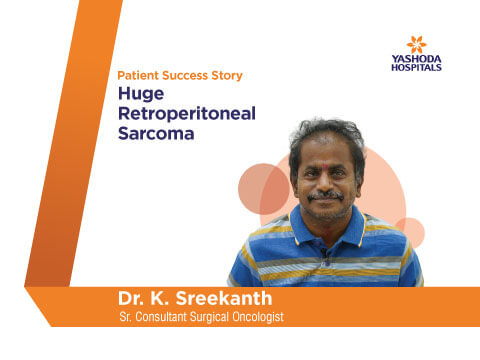
Retroperitoneal liposarcoma is a rare type of malignant tumor that arises in fat cells in deep soft tissue. The dimension…
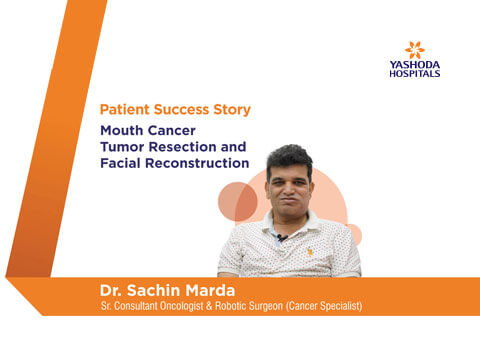
Mouth Cancer refers to a tumor that develops in any part of the oral cavity. It can develop in the…
Health Blogs for Cancer
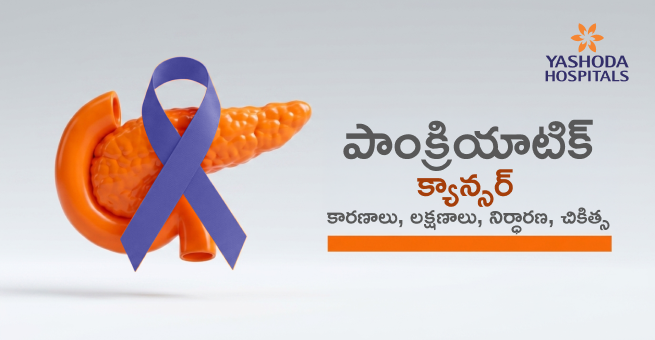
పాంక్రియాటిక్ క్యాన్సర్ : కారణాలు, లక్షణాలు, నిర్ధారణ, చికిత్స
May 26, 2026 11:23పాంక్రియాటిక్ క్యాన్సర్ అంటే ఏమిటి? శరీరంలో కనిపించే దీని ప్రాథమిక హెచ్చరిక సంకేతాలు, ముఖ్య కారణాలు మరియు ముందస్తు గుర్తింపు గురించి పూర్తి వివరాలు ఇక్కడ తెలుసుకోండి.

మామోగ్రఫీ ఎప్పుడు చేయించుకోవాలి? బ్రెస్ట్ క్యాన్సర్ స్క్రీనింగ్పై మహిళలకు పూర్తి సమాచారం
May 19, 2026 11:47మామోగ్రఫీ అంటే ఏమిటి? బ్రెస్ట్ క్యాన్సర్ను ముందుగానే గుర్తించడంలో ఇది ఎలా సహాయపడుతుంది? మామోగ్రఫీ పరీక్ష ప్రక్రియ మరియు దాని ప్రాముఖ్యత గురించి పూర్తి వివరాలను ఈ బ్లాగులో తెలుసుకోండి

శరీరంలో క్యాన్సర్ ఉందని చెప్పే 12 హెచ్చరిక సంకేతాలు
Apr 10, 2026 13:00మీ శరీరంలో ఈ మార్పులు గమనిస్తున్నారా? క్యాన్సర్ ప్రారంభ దశలో కనిపించే 12 ముఖ్యమైన హెచ్చరిక సంకేతాలు మరియు లక్షణాల గురించి ఇక్కడ వివరంగా తెలుసుకోండి. ముందస్తు గుర్తింపుతో ప్రాణాలను కాపాడుకోండి.
Comprehensive Guide to Understanding, Diagnosing, and Treating Cancer
Nov 26, 2024 18:48Cancer is a disease where cell growth in the body is uncontrolled, spreading from its original site to various tissues of the body. It can affect any part of your body, from the skin to internal organs. Over the past decades, cancer has become a significant health problem worldwide and afflicts many millions of people.
Decoding Genetic Mysteries Of Cancer
Nov 23, 2023 09:18Is cancer hereditary? Can cancer be genetically acquired? are the most commonly asked questions and sought answers for. Deciphering the genetic variations and mutations within cancer cells

MR Linac: A Beacon of Hope for Cancer Patients
Oct 27, 2023 18:27In the world of modern medicine, technological advancements continue to push the boundaries of what is possible.

Voice Against Breast Cancer: Let’s Act Now for a Healthier Tomorrow
Oct 27, 2023 17:22October is not just the month of falling leaves and pumpkin spice lattes; it's also Breast Cancer Awareness Month which aims to educate, raise awareness, and encourage early detection of breast cancer.
Is obesity linked to cancer? Tips to Avoid Obesity and Cancer
Sep 05, 2022 16:18Obesity and being overweight can cause changes in the body that can lead to cancer. The more excess weight a person gains and the longer a person is overweight, the greater the risk of cancer.

Preventive Oncology: A step towards reducing the risk of developing cancer
Jul 13, 2022 12:10Preventive Oncology is a subspecialty of oncology that focuses on key measures that can either prevent the development of cancer or delay the progression of the malignant process.
Cervical Cancer: An overview
May 07, 2022 11:51Cancer is a large group of diseases resulting from the uncontrolled division of cells triggered by various reasons. Depending on the organ in which it occurs, cancer gets its name. Cervical cancer occurs in the cervix, the region at the end of the uterus connecting it to the vagina.
Doctor Talks
Health Talks
FAQ's
What causes cancer, and how many stages are there?
The primary reason for the patient to develop cancer is the genetic mutation of DNA in cells, leading to uncontrolled spread. These changes may result from environmental factors like long-term exposure to radiation and carcinogens, or they may be hereditary. There are four stages of cancer, where the patient typically possesses more advanced and widespread disease as the stages of cancer progress.
What are the symptoms of cancer?
The symptoms of cancer vary a lot among individuals and depend on the type and stage of the cancer. The general symptoms of cancer include fatigue, lumps or swelling, persistent cough, unusual bleeding, changes in bowel or bladder habits, and weight loss for no valid reason.
What tests can diagnose cancer?
Various blood tests are conducted to check for tumour markers, while imaging tests such as ultrasound, CT, MRI, and PET scans provide detailed images of soft tissues and highlight areas of high metabolic activity. Biopsy procedures involve analysing cells under a microscope to determine the nature of a suspicious lump or growth. Mammography is specifically used to diagnose breast cancer, and Pap tests, along with HPV testing, are used to screen for and detect cervical cancer.
Which is a better cancer treatment: chemotherapy or radiation?
It is unjust to determine whether the former is superior to the latter or vice versa in cancer treatment, as it depends upon the patient's overall health and the type and stage of the cancer. Radiation therapy is localised and employs high-energy beams to either eradicate the cancer or shrink the affected area prior to surgery, while chemotherapy targets the entire body and reduces or eliminates cancer cells in multiple regions.
Where can I find the best cancer hospital near me?
Yashoda Hospitals are well-known for their specialized and integrated cancer institute, offering comprehensive and personalized treatments for all types of cancers, including solid tumors and blood cancer. You can find one of the most highly-rated cancer hospitals near you at the Somajiguda, Hitec City, Malakpet, or Secunderabad branches. They offer a full spectrum of comprehensive and advanced treatment modalities, including precision radiation oncology, medical oncology, surgical oncology, and bone marrow/stem cell transplantation. Furthermore, patient feedback consistently highlights the department’s ability to provide complex diagnoses through collaborative tumor board discussions, surgical benefits, and essential supportive and palliative care, as well as long-term lifestyle and follow-up plans.
Which hospital is best for the best cancer treatment in Hyderabad?
The cancer institute at Yashoda Hospitals is the best cancer treatment institute in Hyderabad, providing comprehensive care that encompasses cancer prevention and rehabilitation. We offer personalised therapies in a variety of subspecialties, such as head and neck, orthopaedic, nephrological and gynaecological, with the help of the superior expertise of our medical, surgical, and radiation oncologists.
What types of cancer are treated at Yashoda Hospitals?
The cancer department of Yashoda Hospitals handles a wide range of malignancies, including lung, breast, blood, gastroenterological and other lower abdominal cancers.
What type of treatment is used for abdominal cancers at Yashoda Hospital?
Yashoda Hospitals employs a combination of surgeries that involve chemotherapy, radiation therapy, or immunotherapy in treating abdominal cavities. The most recent advancement in our research involves hyperthermic intraperitoneal chemotherapy (HIPEC) to surgically remove the visible lesions, which is followed by circulating chemotherapy from within the body.
What type of services are provided for cancer patients at Yashoda Hospital?
Yashoda Hospitals offers a range of services that include advanced diagnostics, medical, surgical, and radiation oncology and other specialised treatments such as immunotherapy, targeted therapy or robotic procedures. These services are designed to provide holistic and comprehensive care.
Are international patients accepted for cancer treatment at Yashoda Hospitals?
Yashoda Hospitals, supported by their dedicated international patient services team, assist international patients in navigating cancer treatments and guides various aspects, including visa facilitation, travel arrangements, accommodation, and language translation services.
How much does a cancer operation cost at Yashoda Hospitals?
Depending on the treatment package, success rate, type and stage of the cancer, the type of cancer treatment and many other considerations. The current cancer treatment cost in India varies immensely, from Rs. 15,000 to Rs. 20,00,000. The breast cancer treatment cost is approximately Rs. 8,00,000.
Does health insurance cover all cancer treatments at Yashoda Hospital?
Health insurance at Yashoda Hospitals generally varies according to the specific insurance policy and the type of cancer treatment performed. Coverage may include hospitalisation expenses, surgical fees, and certain diagnostic tests and prescriptions. Therefore, regarding immunotherapy or targeted therapy, the insurance provider evaluates your specific coverage details by understanding your current situation and the extent of coverage.
How do patients feel after radiofrequency ablation surgery?
The patient may experience immediate pain relief, temporary discomfort at the treatment site, and resume light activities within a day or two. Normally, the patient may also experience emotional ups and downs, such as feelings of anxiety.
What is the recovery time after surgery?
The recovery time varies based on the type of surgery, surgical techniques, overall differences, health and age of the patients. It typically ranges for the span of a few days to a few months, and rarely even a year, which generally involves initial healing, rebuilding of the body and natural remodeling of the body.
How many years does the patient live after the cancer treatment?
The patient's longevity after cancer treatment depends upon the type of cancer, the stage at which they were diagnosed, and the effectiveness of the treatment. Sometimes the patient may live with cancer their whole life by managing cancer as their chronic illness. Whereas in a few cases, they may have been considered cured after 5 years without recurrence.

 Appointment
 Second Opinion
 Live Chat
 Call
 More


