



Get a Free Second Opinion

Radiation Oncology Hospital in Hyderabad
The Department of Radiation Oncology at Yashoda Cancer Institute is a Centre of Excellence in the country for stereotactic treatments. It is on par with international standards and has one of the most technologically advanced clinical radiation therapy programs in the world. In addition to a large team of specialized doctors and state-of-the-art equipment, the department has highly trained and board-certified radiation oncologists, physicists, dosimetrists, radiation therapists, nurses, dieticians, and other professionals in the evaluation, planning, delivery, and ongoing review of each patient’s treatment. This ensures high-quality comprehensive radiation treatment.
Cancer treatment involves discussion among a board of specialists who decide the best course of treatment. Radiation may be used as a stand-alone treatment or in combination with surgery, chemotherapy, or biological therapy.
The multidisciplinary tumor boards at the Institute meet every week to discuss complex clinical cases in the hospital as well as any other peripheral hospitals. Apart from the surgical, medical, and radiation oncologists, the tumor board is supported by the faculty of other specialties like ENT, neurology, neurosurgery, gastroenterology, urology, pulmonary medicine, and rehabilitative services such as physiotherapy, occupational therapy, stoma care, and speech therapy.
Radiation Oncology Treatment in Hyderabad
RapidArc – Innovation in Cancer Treatment
The Department of Radiotherapy at the Institute is equipped with Asia’s first Varian RapidArc Linear Accelerator, which has a sophisticated 3D planning system. It is one of the busiest academic departments in the country.
The technology used in RapidArc represents an exponential leap forward in the speed, power, and precision of radiation therapy. It is capable of delivering radiation at a faster dose rate than conventional linear accelerators. Other special features improve the accuracy of treatment so that the overall duration of a course of treatment may also be shortened from several weeks to just a few days. The technology also enables more effective treatment of tumors in locations that were previously difficult to treat because of the sensitivity of the surrounding tissue to radiation.
Advanced Radiation Oncology Treatment in Hyderabad
- Adjuvant Radiotherapy
- Radical Radiotherapy
- 3D CRT
- IMRT
- IGRT
- ICRT
- Stereotactic Radiosurgery
- Stereotactic Radiotherapy
- Stereotactic Body Radiation Therapy
- MR Linac
Procedures
- RapidArc based Stereotactic Radio-surgery in the treatment of Arteriovenous Malfunction
- 4D gated RapidArc for the treatment of moving tumors
- High Dose True Beams to eradicate cranial/extracranial tumors using 4-Dimensional image-guided gated RapidArc based SRS/ SBRT
- ARIA-11 Higher 64-Bit operations
- Total Proctocolectomy with Ileoanal J pouch
- Total Esophagectomy
- Total Gastrectomy
- Insertion & regular care of PICC / Central lines / Chemo Ports etc
- Thoracentesis, Paracentesis, Pleurodesis, Diagnostic lumbar punctures, Intrathecal chemotherapy, continuous infusion chemotherapy using ambulatory pumps
Triple F Radiosurgery – A Breakthrough in Cancer Care to open up limitless possibilities
Yashoda Cancer Institute takes pride in presenting the flattening filter-free (FFF) beam. It is a significant step as it will make the breakthrough technology more accessible and affordable to people across India.
Triple F Radiosurgery unveils a new realm in the world of radiotherapy wherein hypo-fractionated stereotactic treatments can be performed. Triple F technology is extremely fast:
- 1 to 3 days of radiotherapy treatment compared to the conventional 25 to 30 days.
- As short as 3 minutes per day due to the increased dose rate as compared to 1 – 3 hours of other radiosurgery.
- Better outcomes with 4D radiosurgery.
- High precision
- Safe as it reduces complications and side-effects.
Triple F Radiosurgery is better on treatment delivery, patient comfort, beam matching, dose calculation accuracy, and radiation protection. Since the time of treatment is shorter, the results are better. With other radiotherapy, the higher time of treatment can increase the chances for inaccuracy, complications and other side effects. A decrease in head scatter, leaf transmission, and out-of-field scatter leads to reduced dose to the surrounding normal tissues, reducing the risk of secondary cancers.
The strength of Yashoda Cancer Institute lies in its ability to offer all treatment modalities under one roof. The emphasis is on combining all modalities of treatment in the right combination to achieve the best results while minimizing the side effects.
Meet Our Expert Radiation Oncology Team
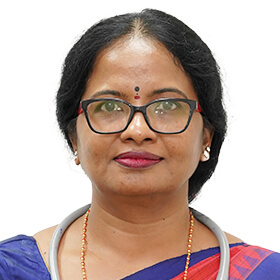
Dr. M. Suneetha
MBBS, MD, DNB, FRCR (UK)Sr. Consultant Radiation Oncologist , Clinical Director.

Dr Debnarayan Dutta
MBBS, MD, PhD (Radiotherapy)Sr. Consultant Radiation Oncologist Clinical Director

Dr. Bharath Kumar
MBBS, MD Radiation OncologyConsultant Radiation Oncologist
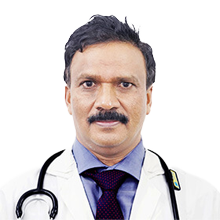
Dr. M. Jagan Mohan Reddy
MD (Radiation Oncology)Sr. Consultant Radiation Oncologist

Dr. Suhail Ahmed
MBBS, MD (Radiotherapy)Consultant Radiation Oncologist

Dr. Kirti Ranjan Mohanty
MBBS, MD (Gold Medallist)Consultant Radiation Oncologist
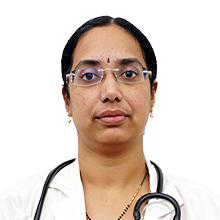
Dr. R. Nivalika
DNB RadiotherapyConsultant Radiation Oncologist
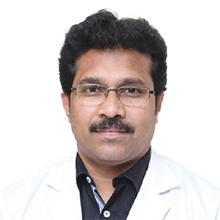
Dr. B. Ramakrishna Prasad
MD (Radiation Oncology)Consultant Radiation Oncologist
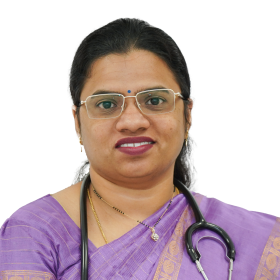
Dr Sravanthi Reddy T
DNB (RT)Consultant Radiation Oncologist

Dr. D Shiva Prasad
MD, FRCR-clinical oncology, UK MRCP, ECMO Medical oncologyConsultant Radiation oncologist
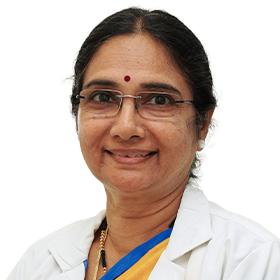
Dr. Y. Nalini
MD, DNB (Radiation Oncology)Sr. Consultant Radiation Oncologist
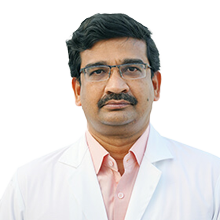
Dr. K. Kiran Kumar
MD, DNB (Radiation Therapy)Sr. Consultant Radiation Oncologist
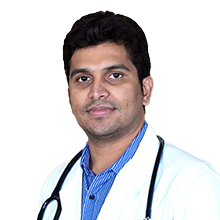
Dr. Pradeep Kumar Karumanchi
MBBS, ECFMG (USA), DNB (Radiation Oncology)Consultant Radiation Oncologist
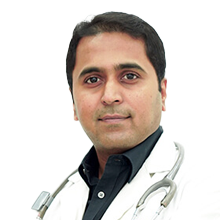
Dr. Bharath Chandra Gurram
MBBS, MD, ESMO, MRCP (Onc, UK), Fellow Head & Neck Oncology (USA)Consultant Radiation Oncology

Dr. M. R. Vishwateja
MBBS, DNB (Radiation Oncology)Consultant Radiation Oncologist
Patient Testimonials For Cancer
Health Blogs for Cancer
Best Cancer Doctors in Hyderabad
Doctor Talk
Health Talk
FAQ’s
Is radiation therapy painful?
External beam radiation therapy (EBRT) is painless because the radiation machine never touches you. As you lie on the treatment table, you may hear a buzzing sound when the machine is active, but you won’t feel anything during the procedure.
What is radiation therapy?
Radiation therapy, or radiotherapy, is a cancer treatment that uses high doses of radiation to destroy cancer cells and reduce tumor size. It can also help alleviate cancer-related symptoms like pain, difficulty swallowing or breathing, and bowel obstructions.
What is the success rate of radiation therapy?
The success rate of radiation therapy is generally high for early-stage cancers but decreases as the stage advances. Factors influencing success include cancer type, tumor location and size, patient age and health, treatment plan, response to treatment, and patient preferences.
How do you reduce the side effects of radiation therapy?
Some of the ways to reduce the side effects are protecting skin by avoiding sun exposure, wearing sunscreen, and opting for loose-fitting clothing made from natural fibers. Additionally, it is crucial to maintain a healthy diet, consider food supplements, get plenty of rest, take short walks, avoid shaving or using hair removal products on the treated area, and be cautious when swimming in chlorinated pools.
How is radiation therapy done?
Radiation therapy, or radiotherapy, can be delivered through external beam radiation or internal radiation. External beam radiation uses a linear accelerator to focus high-energy beams on the treatment area, usually in painless sessions over several days or weeks. Internal radiation, like brachytherapy, involves placing a radioactive source inside the body near cancerous cells, either temporarily or for extended periods. The choice between these methods depends on the type and location of the cancer, tumor size, and the patient’s overall health.
How does radiation therapy work?
Radiation therapy, or radiotherapy, treats cancer by using high doses of radiation to damage the DNA of cancer cells. This damage prevents the cells from dividing and causes them to die. The body then naturally breaks down and eliminates the damaged cells.
Is radiotherapy safe?
Radiotherapy is a well-established, safe, and effective treatment used to cure or manage symptoms of cancers like head and neck, brain, breast, cervical, prostate, and skin cancer. Millions of patients undergo radiotherapy each year.

 Appointment
 Second Opinion
 Live Chat
 Call
Call More
More


