



Get a Free Second Opinion

Best Children’s Hospital in Hyderabad
Pediatrics is a healthcare specialty that deals with the medical care of infants, children, and adolescents suffering from different diseases.
Care for children in health and sickness is an integral part of any hospital. Yashoda Hospitals, Hyderabad, has an established department for pediatric patients, and we strive to provide quality healthcare with tender care to the children suffering from illnesses. With multiple years of expertise in treating pediatric diseases, we have become one of the best pediatric hospitals in Hyderabad for pediatric treatment and management.
We focus on providing high-quality care centered around the needs and requirements of children suffering from a disease.
At Yashoda Hospitals, the Center for Pediatrics offers a rainbow of services and comprehensive care for children from birth to the age of 18 years. We provide a full range of clinical services, tertiary care, health promotion, and prevention programs for children as well as adolescents.
Our specialists possess a broad range of skills and experience in all sub-disciplines of pediatric medicine. We subsequently offer state-of-the-art pediatric care in the form of open communication, emotional support, and education to all patients and their families on managing children’s health issues.
The center provides both inpatient and outpatient services to the patients. The outpatient services manage a wide range of pediatric medical problems, along with the diagnosis and management of behavioral and developmental conditions such as attention deficit hyperactivity disorder (ADHD), autism spectrum disorder, developmental issues, and children having multiple problems who require ongoing care for chronic conditions.
The consultant pediatricians in the department discuss the condition thoroughly with the parents, after which they plan a personalized treatment depending on the child’s comfort. We take a lot of care in providing child-centric service to the patients. The pediatric ward is well furnished with the latest technologies and promotes the overall development of the child. This comprehensive approach towards treatment has made us the top children’s hospital in Hyderabad.
Various services provided by the department of pediatrics include:
- Neonatology: A pediatric subspecialty that offers care for newborns, especially those who are ill or premature.
- Allergy and Immunology: It relates to the management and treatment of immune system diseases in children. It includes conditions such as allergic conjunctivitis, allergic rhinitis, sinusitis, asthma, pneumonia, eosinophilic esophagitis or gastroenteritis, atopic dermatitis, contact dermatitis, acute and chronic urticaria, angioedema, severe combined immune deficiency syndromes, antibody deficiencies, complement deficiency, phagocytic cell abnormalities, and more.
- Emergency Medicine For Pediatrics: It refers to the care of children with acute illnesses or injuries that require immediate medical attention.
- Endocrinology: A branch of medicine focusing on managing and treating diseases of the endocrine system, such as those affecting the thyroid gland, pituitary gland, adrenal glands, and pancreas. The diseases include Graves’ disease, acromegaly, juvenile diabetes, adrenal insufficiency,, cystic fibrosis, hyperthyroidism, etc.
- Cardiology: Involves treating heart conditions, such as congenital mitral stenosis, aortopulmonary septal defect, bicuspid aortic valve, and others.
- Critical Care:This department oversees critically ill infants, children, and teenagers.
- Dermatology: Addresses skin diseases, including eczema, psoriasis, acne, vitiligo, hives, dermatitis, and more.
- Nephrology: Manages kidney and urinary tract diseases like kidney failure, hypertension, kidney stones, and urinary abnormalities.
- Psychiatry: It deals with the behavioral and developmental concerns in children such as attention deficit hyperactivity disorder (ADHD), obsessive-compulsive disorder (OCD), Tourette syndrome, oppositional defiant disorder, anxiety, depression, etc.
- Pulmonology: Focuses on respiratory issues in children, including apnea, asthma, bronchitis, cystic fibrosis, congenital lung abnormalities, and others.
- Rheumatology: Concerns rheumatic disorders in children, such as juvenile-onset systemic lupus erythematosus and scleroderma.
- Neurology: Deals with nervous system disorders, including congenital defects, tumors, hydrocephalus, vascular anomalies, and epilepsy.
- Oncology: Involves various pediatric cancers like leukemia, lymphoma, neuroblastoma, histiocytosis, retinoblastoma, and sarcomas.
- Gastroenterology: Concerns gastrointestinal and hepatic conditions in children, such as coeliac disease, colitis, constipation, Crohn’s disease, and esophagitis.
- Hematology: Involves blood disorders, like anaemia, sickle cell disease, thalassemia, spherocytosis.
- Infectious Diseases: Deals with diseases such as meningitis, influenza, Lyme disease, measles, chickenpox, herpes simplex, osteomyelitis, and whooping cough.
- Ophthalmology: Focuses on eye conditions in children, including eyelid infections, lazy eye, conjunctivitis, astigmatism, myopia, hypermetropia, crossed eyes, and more.
Yashoda Hospitals also has expertise in the following areas:
- Screening of Newborns
- Special Care & Neonatal Intensive Care
- Pediatric Emergency Transport Service
- Preoperative & Postoperative Care
Technology & Facilities
- A Special Pediatrics Intensive Care Unit With Ventilators
- Neonatal Intensive Care Unit, along with Neonatal Ventilators
Most Searched Questions on Febrile Seizures in Kids
Meet Our Expert Pediatrics Team

Dr. Jamir Dilip Arlikar
MBBS, MS General Surgery, Mch Paediatric Surgery Fellowship Paediatric Surgery, Johns Hopkins, USAHonorary Consultant Paediatric Surgery and Paediatric Urology Minimal Invasive Paediatric Laparoscopic Surgeon, Neonatal Surgeon

Dr Tejopratap Oleti
MBBS, MD, DM (Neonatology)Sr Consultant Neonatologist, HOD – Department of Neonatology
Clinical Director
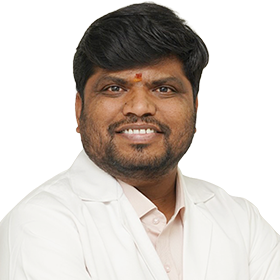
Dr. Dara Swamy
MD Paediatrics (PGIMER Chandigarh), DNB Paediatrics, IDPCCMSr Consultant Paediatrician & Paediatric Intensivist

Dr. G Praveen Kumar
MBBS, DNB (Pediatrics), DM (Neonatology)Consultant Neonatologist & Pediatrician
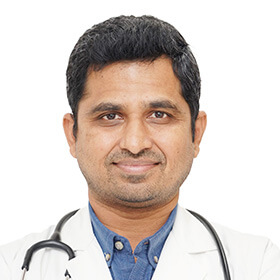
Dr. B. Prasanth Babu
MBBS, DCH, DNB (Paediatrics), Fellowship in Neonatology (Amrita-Kochi)Consultant Paediatrician and Neonatologist

Dr. Satyapriya Sahoo
MBBS, MD(Paediatrics), DrNB(Neonatology)Consultant Neonatologist and Pediatrician

Dr. D. Ramesh
MD (Pediatrics), DCHHead of Department & Senior Consultant-Dept. of Paediatrics & Neonatology
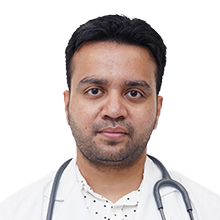
Dr. D. Srikanth
MD (Pediatrics), PGPN (Boston, USA)Sr. Consultant Pediatrician & Neonatologist
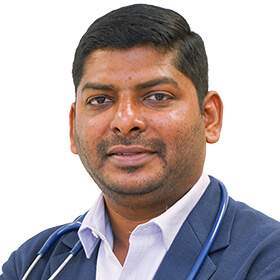
Dr. Niranjan N
MD(Ped), DNB, DM (Neonatology)Sr. Consultant & Incharge of Neonatal Care Services

Dr. Sneha T
MD (Pediatrics), Fellowship in Pediatric Critical CareConsultant Pediatric Intensivist
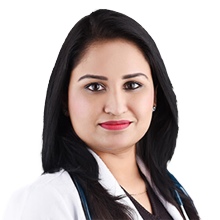
Dr. N. Varsha Monica Reddy
MBBS, MD (Paediatrics), FIPN (Fellow in Pediatric Neurology, IGICH), PGDDN (PG Diploma in Developmental Neurology)Consultant Pediatric Neurologist

Dr Siddannagoud
MBBS, MD (Gold Medal), DM (Gold Medal) (Pediatric Critical Care) (AIIMS)Consultant Pediatric Intensivist

Dr. Suresh Kumar Panuganti
DCH, DNB (Pediatrics), Fellowship in Pediatric Critical Care (UK), PG Diploma in Pediatrics and Child Health (Imperial College, London)Lead Consultant-Pediatric Critical Care and Pediatrics

Dr Nayani Sridevi
DNB Pediatrics, FNB Pediatrics Intensive CareConsultant Pediatrician and Paediatric Intensivist
Expert Pediatric Care For Specialized Diseases & Conditions
The Department of Pediatrics at Yashoda Hospitals focuses on infants, children, and adolescents’ health, offering preventive care, diagnostics, and treatments for illnesses. They provide specialized clinics, immunizations, and awareness efforts to promote well-being. Care includes managing infections, chronic diseases like asthma, allergies, and diabetes, as well as developmental disorders such as autism and ADHD.
Pediatricians also address nutritional issues and obesity, aiming to monitor growth, treat conditions, and prevent complications. Childhood disorders can affect various organs, impacting growth and milestones, with long-term effects on neurological, respiratory, or digestive health. Symptoms like fever, behavioral changes, feeding issues, or social challenges warrant prompt pediatric consultation.
Here Are Some Common Pediatric Diseases & Conditions:
- Congenital Diaphragmatic Hernia
- Congenital Heart Defects (ASD & VSD)
- Cleft Palate
- Craniosynostosis
- Abdominal Wall Birth Defects
- Esophageal Atresia in Children
- Imperforate Anus in Children
- Hirschsprung’s Disease in Children
- Intestinal obstruction or malrotation in children
- Congenital Neck Cysts
- Congenital Lung Cysts
- Appendicitis
- Otitis Media with Complications
- Tonsillitis
- Adenoid Hypertrophy
- Vesicoureteral Reflux (VUR)
- Hypospadias & Complex Genital Abnormalities
- Undescended Testis
- Hydrocele
- Ureteropelvic Junction Obstruction
- Pediatric Bladder Reconstruction
- Pediatric Bladder Cancer
- GI Tract Obstructions & Bleeding
- Choledochal Cysts
- Hydrocephalus
- Encephalocele & Meningocele
- Brain Tumors
- Spinal Deformities/Severe Scoliosis
- Pediatric Wilms Tumor
- Inguinal Hernias & Umbilical Hernias
- Tongue-Tie
- Chest Wall Deformities
Symptoms of Congenital Diaphragmatic Hernia
- Respiratory distress
- Cyanosis
- Displaced heart sounds
- A flattened or sunken appearance of the abdomen
- Bowel sounds in the chest
- Feeding problems
Causes of Congenital Diaphragmatic Hernia
- Genetic Factors
- Chromosomal Abnormalities
- Genetic Syndromes
- Random Gene Changes (Mutations)
- Environmental Factors
Symptoms of Cleft Palate
- Difficulty feeding
- Speech problems
- Ear infections and hearing loss
- Dental issues
- Other congenital anomalies
Causes of Cleft Palate
- Genetics
- Smoking and alcohol use
- Medications
- Diabetes
- Nutritional deficiencies
- Exposure to chemicals
Read more about – Cleft Palate
Symptoms of Craniosynostosis
- Irregular head shape
- Soft spot (fontanelle)
- Hard ridge
- Facial asymmetry
- Increased pressure
- High-pitched cry
- Seizures
- Developmental delays
Causes of Craniosynostosis
- Genetic Factors
- Intrauterine pressures or abnormal positioning of the fetus.
- Maternal smoking or exposure to certain medications, such as valproic acid.
- Random Occurrence
Symptoms of Gastroschisis & Omphalocele
- A hole on the right of the belly button or at the belly button
- Visible bulge or lump
- Intestines or other organs protruding
- In an omphalocele, a thin, visible membrane covers the protruding organs
- Digestive issues
- Breathing difficulties if the omphalocele is large and restricts lung development
- In Gastroschisis, protruding organs are not covered by a transparent sac and appear matted, hickened, and damaged
Causes of Gastroschisis & Omphalocele
- Genetic factors, like an extra chromosome
- Young maternal age (under 20)
- Early pregnancy
- Maternal alcohol consumption or tobacco smoking, or certain infections may increase the risk
- Weak muscles
- Cause of the use of certain medications
- Kidney or heart defects
- Other congenital defects, like a congenital diaphragmatic hernia
Symptoms of Esophageal Atresia in Children
- Coughing and choking
- Excessive drooling
- Difficulty breathing
- Cyanosis (bluish tint of the skin)
- Aspiration pneumonia
- Abdominal distension
Causes of Esophageal Atresia in Children
- When the esophagus doesn’t develop into a continuous tube, it divides into two parts
- Genetic and environmental factors
Symptoms of Imperforate Anus in Children
- No anal opening
- Inability to pass stool
- Bloating and vomiting
- Swelling of the abdomen
- Stool excretion from an abnormal opening
- Urinary tract infection
Causes of Imperforate Anus in Children
- When the rectum and anus don’t properly develop
- Genetic conditions such as Down syndrome
- Urinary tract or spine malformations
Symptoms of Hirschsprung’s Disease in Children
- Delayed passage of muconium
- A swollen or bloated abdomen
- Green or brown colored vomiting
- Diarrhoea
- Excessive gas causing fussiness
- Chronic constipation in children
- Lack of weight gain or poor growth
- Inflammation of the intestine
Causes of Hirschsprung’s Disease in Children
- Lack of nerve cells in the large intestine
- Impaired muscle contraction for stool removal
- Genetic mutation such as the Ret proto-oncogene
Read more about – Hirschsprung’s Disease
Symptoms of Intestinal obstruction or malrotation in children
- Inability to pass gas or stool
- Abdominal pain and swelling
- Rapid heart rate and breathing
- Diarrhea and bloody stools
- Little to no urination
- Poor weight gain or growth
Causes of Intestinal obstruction or malrotation in children
- Birth defects
- Foreign object ingestion
- Intussussception
- Hernia
- Adhesions that form after a surgery
Read more about – Intestinal Malrotation with Volvulus
Symptoms of Congenital Neck Cysts
- Drains mucus-like fluid from a small opening or pit
- Redness, warmth, tenderness, and pain in the cyst
- A palpable painless lump
- Breathing and swallowing difficulties
Causes of Congenital Neck Cysts
- Brachial cleft cyst: Incomplete development of the embryonic brachial structure
- Thyroglossal duct cyst: A remnant of the embryonic ducts responsible for thyroid gland formation
- Cystic hygroma: Incomplete development of the lymphatic system
- Dermoid cyst: misplaced embryonic tissues during development
Symptoms of Congenital Lung Cysts
- Difficulty breathing or rapid breathing
- A persistent cough with wheezing
- Recurrent pneumonia or bronchitis
- Chest pain or discomfort
- Inflammation associated with the cyst
Causes of Congenital Lung Cysts
- Abnormal lung development
- Congenital pulmonary airway malformation: a non-working cystic structure
Symptoms of Appendicitis
- Abdominal pain that worsens with movement and coughing
- Loss of appetite
- Behavioural changes
- Changes in bowel habits
- The lower right part of the abdomen may be tender to the touch
Causes of Appendicitis
- Hardening of the stool (fecalith) and obstructing the appendix
- Inflammation of the lymph nodes
Read more about – Appendicitis
Symptoms of Otitis Media with Complications
- Severe headache
- Severe ear pain
- Feeling lethargic or having a decreased mental status
- Having trouble balancing
- Foul-smelling fluid discharge
- Impaired brain function
Risk Factors of Otitis Media with Complications
- Shorter, more horizontal eustachian tube
- Adenoid enlargement physically obstructing he opening of the eustachian tubes.
- Exposure to secondhand smoke
- Pacifier use or bottle-feeding
- Other conditions, like Down syndrome or cleft palate
Symptoms of Tonsillitis
- Sore throat, stiff neck, and difficulty in swallowing
- Swollen or tender lymph nodes in the head
- Had and stomachache
- Halitosis (bad breath)
- Red and swollen tonsils
- White and yellow patches on the tonsils
Causes of Tonsillitis
- Viral infections
- Bacterial infections like strep throat
Symptoms of Adenoid Hypertrophy
- Mouth breathing at night, snoring while asleep, and a constantly runny nose.
- Sleep apnea, restless sleep, and bedwetting
- Changes in the voice tone
- Frequent ear infection
- Difficulty swallowing
- Daytime sleepiness
Causes of Adenoid Hypertrophy
- Viral and bacterial infections
- Exposure to allergens, air pollution, and other irritants
- Immune response and hormonal factor
- Genetic factors
Read more about – Surgery for Adenoid Hypertrophy
Symptoms of Vesicoureteral Reflux (VUR)
In many children, VUR is asymptomatic, but when associated with UTI symptoms, it leads to:
- Fever and bedwetting
- Pain or burning sensation while urinating
- Frequent or urgent need to urinate
- Cloudy or foul-smelling urine
- Abdominal or flank pain
- Irritability or poor feeding in infants
Causes of Vesicoureteral Reflux (VUR)
- Abnormality present at birth
- Shorter-than-normal ureteral tunnel
- Nerve problems affecting the bladder
- Blocking or narrowing of the bladder neck or urethra
Symptoms of Hypospadias & Complex Genital Abnormalities
- Misplaced urethral opening
- Hooded foreskin
- The presence of chordee is more obvious during an erection
- Difficulty directing the urine stream, resulting in dribbling or straining
Causes of Hypospadias & Complex Genital Abnormalities
- Family history
- Genetic or hormonal changes
- Certain maternal factors, including age, weight, or assisted reproductive technology (ART)
Symptoms of Undescended Testis
- Empty or lopsided scrotum
- Retractile testis
Causes of Undescended Testis
- Hormonal imbalance
- Premature birth
- Genetic disorders like Down syndrome or anatomical issues
- Environmental factors
- Maternal health
- Family history
Read more about – Undescended Testis
Symptoms of Hydrocele
- Painless scrotal swelling
- Size fluctuation
- Varying sizes
- Faint blue tint under light
Causes of Hydrocele
- Congenital
- Non-communicating hydrocele
- Inflammation or infection
- Trauma or injury
- Premature birth
Read more about – Hydrocele
Symptoms of Ureteropelvic Junction Obstruction
- Sometimes asymptomatic
- Poor growth or vomiting
- Urinary tract infection
- Hematuria (blood in urine)
- Kidney stones
- Abdominal mass
Causes of Ureteropelvic Junction Obstruction
- Muscular abnormalities
- A blood vessel may abnormally cross the ureter
- Congenital abnormality of the ureter or kidney structure
Read more about – Ureteropelvic Junction Obstruction
Symptoms of Pediatric Bladder Reconstruction
- Constant urge to urinate
- Difficulty controlling urine flow
- Inability to urinate due to a tumor
- Painful urination
- Pain in the abdomen, pelvis, or lower back
Causes of Pediatric Bladder Reconstruction
- Spinal cord injury
- Central nervous system tumor
- Bladder exstrophy
- Congenital or acquired conditions that affect the bladder
Symptoms of Pediatric Bladder Cancers
- Frequent urination
- Blood in urine
- Painful urination
- Urgent urination
- Abdominal or lower back pain
Causes of Pediatric Bladder Cancers
- Genetic factors
- Certain treatments, like chemotherapy
- Changes in the cells of the bladder
Symptoms of GI Tract Obstructions & Bleeding
- Abdominal pain or cramping
- Swollen or firm belly
- Nausea and vomiting
- Constipation
- Lack of appetite
- Lethargy
- Fever
- Blood in vomit
- Dark, black, or tarry stools
- Bright red blood mixed with or coating the stool
- Weakness or fatigue
- Pale skin or gums
- Dizziness or fainting
Causes of GI Tract Obstructions & Bleeding
- Intussusception (a part of the intestine interlopes into another)
- Hernias
- Adhesions
- Foreign Objects
- Congenital anomalies
- Inflammatory bowel disease (Crohn’s disease)
- Anal fissures
- Allergies to milk or soy in infants
- Inflammation of the esophagus or stomach
- Peptic ulcers
- Infection of the colon
Symptoms of Choledochal Cysts & Biliary Atresia
- Jaundice
- Abdominal pain in the upper right belly
- Nausea and vomiting
- Dark urine
- Fever associated with cholangitis
- A palpable mass in the upper right abdomen
- Pale, clay-colored stool
- Inflammation of the pancreas
- Hepatomegaly (enlarged liver)
- Poor weight gain
- Complications from the remodeling of the bile duct
Causes of Choledochal Cysts & Biliary Atresia
- Abnormal connection between the bile duct and pancreatic duct
Symptoms of Hydrocephalus
- An unusually large or rapidly growing head
- A bulging soft spot on the top of the head
- Prominent veins on the scalp
- Sunset eyes (eyes are fixed downward)
- Irritability and excessive crying
- Seizures
- Vision problems, like blurred or double vision
- Trouble with balance and poor coordination
- Nausea, vomiting, and sluggishness
- Behavioral changes
- Delays in developmental skills, such as walking or talking
Causes of Hydrocephalus
- Where the child’s spinal cord doesn’t fully close
- Severe head injuries
- Brain infections
- Congenital condition
- Brain tumors
Read more about – Hydrocephalus
Symptoms of Encephalocele & Meningocele
- Developmental delays
- A visible bulge on the head
- Vision and hearing impairments
- Seizures
- Weakness in the arms and legs
- Challenges with coordination and motor skills
Causes of Encephalocele & Meningocele
- The neural tube fails to close properly
- Folate deficiency
- Genetic factors
Symptoms of Brain Tumors
- Headaches
- Nausea and vomiting
- Vision problems
- Difficulty walking and performing coordinated movements
- Behavioral and personality changes
- Seizures and lethargy
- Enlarged head
- Weakness and numbness
Causes of Brain Tumors
- Genetic syndromes like Von Hippel-Lindau syndrome or tuberous sclerosis
- Exposure to certain types of radiation
- Gene mutations or deletions
Read more about – Brain Tumors
Symptoms of Spinal Deformities/Severe Scoliosis
- Uneven shoulders and hips
- Rib cage deformity
- Prominent shoulder blade
- Uneven waistline
- Leaning to one side
- Uneven clothes fit
Causes of Spinal Deformities/Severe Scoliosis
- Sometimes idiopathic
- Neuromuscular conditions like cerebral palsy or muscular dystrophy
- Congenital spinal deformities
- Past injuries, infections, or tumors
- Genetic factors
Read more about – Severe Scoliosis
Symptoms of Pediatric Wilms Tumor
- Abnormal mass or swelling
- Aching, cramping, or sharp abdominal pain
- Blood in urine (hematuria)
- Fatigue or loss of appetite
- Constipation
- High blood pressure
Causes of Pediatric Wilms Tumor
- Genetic changes
- Inherited DNA changes
- Congenital anomalies
- Unidentified environmental factors
Read more about – Pediatric Wilms Tumor
Symptoms of Inguinal Hernias & Umbilical Hernias
- A visible bulge near the groin area or near the belly button
- Worsens with straining
- Disappears when relaxed
- Discomfort
- Fussiness
Causes of Inguinal Hernias & Umbilical Hernias
- Weakness in the abdominal muscles
- Premature birth
- Failure of the umbilical ring to close
- Delayed closure
Symptoms of Tongue-Tie
- Difficulty in enunciating words like ‘d’ ‘i’ ‘t’ or ‘th’
- Troubling sticking the tongue past the teeth
- A notch or a heart-shaped tongue tip
- Difficulty licking lips or an ice cream cone
- A gap between the lower teeth
- Experiencing cuts under the tongue due to the frenulum getting caught between the teeth
Causes of Tongue-Tie
- Congenital Conditions
- Lingual frenulum remains unusually short, thick, and tight
Symptoms of Chest Wall Deformities
- Chest appearance may change during the adolescent growth spurt
- Shortness of breath during exercise
- Decreased stamina
- Fatigue
- Chest pain
- Heart palpitation or irregular heartbeat
- Increased respiratory infections
- Increased risk of scoliosis
Causes of Chest Wall Deformities
- Genetic predisposition
- Genetic syndromes such as Turner syndrome, Jeune syndrome, and Marfan syndrome
- Scoliosis
- Other connective tissue disorders
Learn more about – Chest Wall Deformities
Best Hospital for Comprehensive Pediatric Surgeries
The pediatric section at Yashoda Hospitals cares for babies, children, and teens up to 18 years old. The team of pediatricians and specialists provides a wide range of services, from regular check-ups and preventive care to treating serious illnesses. The pediatric department conducts various medical tests and treatments, including routine vaccinations, nutritional counseling, and managing both short-term and long-term health issues in children. Yashoda Hospitals also offer pediatric critical care for critically ill children and have specialized units for neonatology, which include care for premature and high-risk infants. The team also performs pediatric surgeries for different conditions.
The Types of Treatments and Surgeries Offered at Yashoda Hospitals:
- Hernia Repair (Inguinal or Umbilical)
- Hydrocele Correction
- Phimosis Surgery (Circumcision)
- Frenotomy/Lip-Tie Correction
- Orchiopexy
- Simple Bone Fracture Correction
- Soft Tissue Mass/Benign Lesion Removal
- Tonsillectomy & Adenoidectomy
- Congenital Neck Cysts Excision
- Cleft Palate Repair
- Encephalocele, Meningocele Repair
- Chest Wall Deformity Repair
- Congenital Diaphragmatic Hernia (CDH)
- Appendectomy
- Pediatric Wilms Tumor Surgery
- Pediatric Brain Tumor Surgery
- Repair Surgeries for the Abdominal Wall Birth Defects
- Repair Surgeries for GI Tract Birth Defects
- Pediatric Complex Hypospadias
- Pediatric Bladder Reconstruction
- Vesicoureteral Reflux (VUR) Correction Surgeries
- Correction of Congenital Heart Defects (ASD or VSD)
- Craniosynostosis Repair
- Placement/Revision of Shunts for Hydrocephalus
Preview: The primary goal for hernia repair is similar for both inguinal and umbilical hernias, including the repositioning of herniated tissue and reinforcing the abdominal wall to prevent recurrence. It also involves relieving symptoms through surgery, and preventing any life-threatening complications like incarceration (trapping) or strangulation (cut off blood supply) of the hernia through emergency repair surgery.
Surgical Steps
- Whether the surgery is open or laparoscopic, the patient is administered either a general or local anesthesia, depending on the severity of the case.
- In the laparoscopic approach, the surgeon makes an incision and inserts a laparoscope to provide a better view of the internal organs. Whereas in open surgery, an incision is made in the groin for an inguinal hernia and near the navel for an umbilical hernia.
- In the open method, the surgeon carefully removes the hernia sac from the treatment area. In laparoscopic repair, the treatment site is inflated with carbon dioxide for the surgeon to operate in an enlarged area.
- The bulging tissue is pushed back into the abdominal cavity using specialized instruments, and a synthetic mesh is placed to cover and strengthen the weakened area, followed by the release of gas and incision closure.
Benefits
- Relieves pain and discomfort
- Prevents life-threatening complications
- A long-lasting alternative
- Improved quality of life
Read more about – Inguinal & Umbilical Hernia Repair Surgery
Preview: Hydrocele correction, or hydrocelectomy, primarily aims to relieve the patient of discomfort and heaviness by improving mobility and enhancing cosmetic appearance. Its purpose is to treat the underlying conditions linked to hydrocele, like hernia, as well as address the persistent hydrocele in infants.
Surgical Steps
- The hydrocele correction surgery, also known as hydrocelectomy, begins with a small incision in the groin or scrotum and either general or regional anesthesia to access the fluid-filled sac.
- The surgeon then isolates and drains the fluid before managing the sac to prevent recurrence. This is typically accomplished by removing and turning outward a large portion of denser sacs or plicating the entire sac for smaller ones (Jaboulay procedure).
- Finally, the incision is closed with dissolvable sutures, and a temporary drainage tube may be inserted to remove excess fluid.
Benefits
- Reduced swelling and discomfort
- Improved mobility
- Long-lasting solution to prevent recurrence
- Reduced risk of infections
- Boost confidence and self-esteem
- Enhanced daily function
- Higher success rate with quick recovery
Read more about – Hydrocelectomy
Preview: The primary objective of phimosis surgery is to alleviate symptoms such as discomfort during urination or sex and to prevent future complications caused by the excessively tight foreskin. The procedure ultimately improves overall sexual and urinary health by reducing the risk of infections (such as balanitis) and the serious condition of paraphimosis and enhancing hygiene.
Surgical Steps
- The procedure commences with a consultation with a urologist to evaluate the phimosis, discuss surgical alternatives, and provide preoperative instructions, which may include the cessation of specific medications or the fasting of the patient. During the surgery, the patient gets the site cleaned and sterilized and receives either a local or general anesthesia.
- A circular incision is made proximal to the glans, then dissect, peel back, a excise the foreskin, and the skin layers are circumferentially layered back together.
- After the procedure, the patient is initially monitored, followed by a set of instructions on wound care management, and is also advised on avoiding strenuous activity and sexual intercourse.
Benefits
- Eliminates the inability to retract the foreskin
- Reduced risk of infections
- Lower risk of penile cancer
- Improved hygiene
- Restores normal urination
- Enhance sexual functions
- Increased confidence
Read more about – Circumcision
Preview: A frenotomy is a surgical procedure that is designed to enhance oral function by extending the range of motion of the tongue or cheeks. In the case of infants, this frequently entails the facilitation of a proper latch to enhance feeding and comfort. For older children and adults, it primarily pertains to issues such as speech impediments, enhanced oral hygiene, and support for orthodontic treatment. The primary objective is to alleviate functional limitations and distress, which encompass a wide range of issues, including dental complications, jaw pain, and feeding difficulties.
Surgical Steps
- The traditional or laser frenotomy involves positioning the patient and numbing the area with a local anesthetic for adults or a topical solution/sugar water for swaddling infants, making the restrictive frenulum taut for access before creating a small incision with sterile scissors or a scalpel.
- Following the incision and any necessary blunt dissection, minimal bleeding is controlled with gauze pressure, and aftercare for infants typically involves immediate breastfeeding for comfort.
- This laser simultaneously cuts and cauterizes the restrictive tissue, significantly minimizing bleeding, eliminating the need for stitches, and facilitating a rapid recovery.
Benefits
- Easier breastfeeding
- Improved digestion, sleep, and breathing
- Better sleep and oral hygiene
- Reduced risk of oral health issues
- Improved speech
- Reduced headache and muscle tightness
- Makes it easier to chew and swallow
Preview: The primary objective of an orchidopexy is to protect the reproductive health of the patient in the future and to prevent the complications that are associated with an undescended testicle. The orchidopexy procedure significantly enhances the fertility potential, facilitates cancer monitoring, and secures the testicle to avoid painful and dangerous testicular torsion by repositioning it into the cooler scrotum. Additionally, it addresses associated issues such as hernias and trauma, while also providing significant psychological benefits and enhancing a boy’s self-esteem.
Surgical Steps
- The inguinal orchiopexy surgery commences with the creation of a small incision in the groin to access the inguinal canal.
- This allows the surgeon to locate, mobilize, and free the testicle from the surrounding tissue and any associated hernia sac. Subsequently, a distinct scrotal pouch is created for the testicle’s ultimate placement.
- In inguinal or laparoscopic procedures, the testicle is moved into the scrotal pouch and secured in place to prevent it from moving back up, after which all incisions are closed with dissolving sutures.
- However, if the laparoscopic approach reveals blood vessels are too short, a more complex, staged procedure like the Fowler-Stephens technique may be necessary.
Benefits
- Reduced risk of testicular cancer
- Increased fertility potential
- Prevents testicle torsion
- Lower risk of injury
- Improved normal sexual development
- Improved self-esteem
- Better quality of life
Preview: The primary aims of fracture correction are to achieve anatomic reduction by restoring the broken bone fragments to their correct alignment and providing stable fixation with surgical implants to ensure proper healing. This dual approach is essential to prevent complications like malunion or nonunion, control pain, and ultimately restore optimal function and mobility to the affected limb.
Surgical Steps
- Open reduction entails manually relocating the shattered bone pieces into their proper anatomical position, followed by internal fixation, which secures the corrected bone in place with various surgical hardware.
- Plates and screws, intramedullary rods (nails), or pins and wires are used as hardware, and the limb is then immobilized with a cast or splint to promote healing and protection.
Benefits
- Ensure correct healing
- Reduced pain and swelling
- Prevents further injury
- Promotes the limb’s maximum possible functioning
Preview: The excision of a benign soft tissue lesion serves both diagnostic and therapeutic goals, with the primary goal of confirming the diagnosis through biopsy, particularly for suspicious growths, and preventing potential consequences like infection. The surgery’s therapeutic goals include relieving symptoms like pain or discomfort, restoring or improving function that has been hampered by large masses, and satisfying a patient’s beauty concerns.
Surgical Steps:
- First, the surgeon makes an incision over the lesion (elliptical for skin lesions, linear for subcutaneous ones).
- Next, the mass is carefully dissected (removing the complete wall for cysts), and any bleeding is controlled with hemostasis procedures.
- A sterile bandage is applied after the specimen has been removed and sent for analysis. The wound is then sutured in layers, either simply or with skin grafts for larger deformities.
Benefits
- Improved aesthetics
- Reduced anxiety
- Relief from immediate symptoms
- Restoration of the functions of joints and vision
- Prevention of complications like infections, bleeding, and pressure on the surrounding tissues.
Read more about – Soft Tissue Mass/Benign Lesion Removal
Preview: The combined tonsillectomy and adenoidectomy treats recurring throat infections and obstructive sleep-disordered breathing (SDB), especially in children. Surgery is often recommended after frequent infections over the years and is the most common and effective treatment for snoring and sleep apnea. Removing swollen tissue unblocks eustachian canals, helping linked issues like ear and sinus infections. It also addresses structural problems such as severe swallowing, speech difficulties, peritonsillar abscess, and chronic conditions like tonsil stone halitosis.
Surgical Steps
- Tonsillectomy: The patient lies on their back with their mouth kept open by a specialized retractor, allowing the surgeon to remove the tonsils using a variety of techniques, which involves cold knife dissection with the following cautery, or heat-based methods like electrocautery (cutting and cauterization together) or Coblation (dissolves tissue with radiofrequency energy), followed by meticulous hemostasis to prevent bleeding.
- Adenoidectomy: The surgeon accesses the adenoids positioned at the rear of the nasal cavity through the mouth before removing the tissue with several specialized equipment, followed by scraping with a curette, shaving and suctioning with a microdebrider, and dissolving the tissue with electrocautery or coblation. These methods of removal, along with hemostasis, are obtained through pressure or cautery.
- Post-surgery Phase: The patient is followed in recovery until they are fully awake and able to breathe and swallow food with ease. Patients with sleep apnea or those who are very young may require overnight care and are informed of a sore throat and common ear pain. The surgeons prescribe medicines and suggest you stay hydrated while following a soft diet, with full recovery taking 1-2 weeks.
Benefits
- Improved airflow
- Better sleep
- Reduced seep apnea
- Improved daytime behavior and hearing
- Fewer throat infections
- Elimination of bad breath
- Clearer speech
Read more about – Tonsillectomy & Adenoidectomy
Preview: The major goals of excising congenital neck cysts are diagnostic and therapeutic, with the emphasis on preventing recurrence by thoroughly removing all epithelial tissue and ruling out the uncommon chance of malignancy with histological confirmation. Therapeutically, the operation treats and avoids recurring infections while simultaneously addressing major cosmetic concerns by removing the apparent bulk.
Surgical Steps
- Following the incision, careful dissection is performed, often using a probe or an injected dye such as Methylene blue to identify and follow the entire cyst tract for complete excision, which may include the specialized Sistrunk procedure to remove a portion of the hyoid bone in the case of a thyroglossal duct cyst.
Benefits
- Reduces the risk of recurrences
- Improved aesthetics
- Prevention of complications
Preview: The primary goals of cleft palate repair are to facilitate normal speech development by restoring palate function, to allow normal eating and drinking by preventing food from escaping through the nose, and to contribute to overall aesthetic and functional improvements while reducing the risk of recurring ear infections.
Surgical Steps
- The primary goals of cleft palate repair are to facilitate normal speech development by restoring palate function, to allow normal eating and drinking by preventing food from escaping through the nose, and to contribute to overall aesthetic and functional improvements while reducing the risk of recurring ear infections.
Benefits
- Improved feeding
- Better hearing
- Enhances speech development
- Improved dental structure
- Adds support for facial growth
- Enhanced self-esteem
- Reduced social and emotional challenges
- Decreased long-term interventions
Read more about – Cleft Palate Repair
Preview: The surgical aims and purposes of neural tube defect repair are to preserve neural tissue by restoring it to the cranial or spinal cavity, prevent infection by creating a hermetic (watertight) seal, and correct bone and cosmetic defects. Furthermore, it also involves managing associated conditions, including hydrocephalus, improving functions, or reducing secondary neurological changes.
Surgical Steps
- The surgical process begins with sac exposure and exploration, during which excess fluid is drained or non-functional brain tissue is found, and functional neural tissue is gently restored to the cranial or spinal cavities.
- Next, a crucial watertight closure of the dura mater is followed by the closure of the bone defect, which may involve the use of grafts for larger openings.
- Finally, the surgeon may perform other procedures, such as VP shunt placement for hydrocephalus, before carefully sealing the skin over the repair site.
- Postoperative treatment consists of precise wound care to prevent infection, close monitoring for problems such as CSF leaks, particular patient posture (for example, placing babies on their stomachs) to protect the repair, and long-term rehabilitation with physical and occupational therapy.
Benefits
- Reduced complications
- Improved neurological outcomes
- Improved neurocognitive development
- Correction of physical deformities
- Prevents the risk of meningitis or encephalitis
Preview: the primary aim is to provide cosmetic and psychological improvement, physical and physiological correction, and preserve or improve respiratory and cardiac function. Its purposes differ based on the type of deformity, such as funnel chest or pigeon chest.
Surgical Steps
- Nuss Procedure: Also known as the minimally invasive pectus excavatum (funnel chest) Repair, entails the creation of two tiny chest incisions and the use of thoracoscope guidance to thread a curved metal bar beneath the sternum. The surgeon then rotates the bar 180 degrees to immediately correct the sunken chest, securing it in place for two to four years to enable the sternum and cartilage to remodel before removal.
- Ravitch Procedure: In order to expose the defect and remove the deformed costal cartilages while preserving the rib lining, the traditional Ravitch Technique for Pectus Excavatum entails a larger chest incision. The sternum is subsequently moved (often with a wedge osteotomy) and stabilized with a stabilizing rod or mesh supports before the wound is closed.
- Abramson Procedure: The minimally invasive pectus carinatum (pigeon chest) repair procedure corrects a protruding sternum by placing a curved metal bar over the sternum through small incisions, which is then tightened via stabilizers to compress and remodel the chest wall over two to three years.
Benefits
- Boosted confidence
- Reduced psychological distress
- Increased participation in activities
- Improved cardiopulmonary function
- Better breathing
- Reduced symptoms
- Imparts natural contouring
- More symmetrical and improved look
Preview: The goals of diaphragmatic hernia repair are to restore anatomy by shifting abdominal organs back into the abdomen, to repair the defect by closing the hole in the diaphragm, and to enhance lung function by allowing the damaged lung to expand.
Surgical Steps
- Laparotomy, where the surgeon makes an incision just below the ribs, is often preferred for large defects.
- Thoracotomy, where the incision is made in the chest, is common for late-presenting cases or neonatal CDH repair.
- Laparoscopy/Thoracoscopy is considered for smaller defects due to the high recurrence rate despite better aesthetic results.
Benefits
- Prevention of organ displacement
- Improved lung function
- Facilitation of feeding
- Reduce the risk of complications like bowel obstruction
Preview: The primary objective of an appendectomy is to alleviate acute appendicitis by surgically removing the inflamed appendix, thereby resolving the infection and reducing the immediate risk of perforation. The procedure also prevents life-threatening complications, such as sepsis and peritonitis, by eliminating the source of infection and allowing for drainage in the event of a rupture.
Surgical Steps
- Laparoscopic appendectomy is the procedure of choice for minimally invasive surgery. It is conducted under general anesthesia through one to three small abdominal incisions.
- A laparoscope and specialized instruments are employed to observe the abdomen, which is inflated with CO2, in order to seal off and remove the appendix during the procedure.
- This method provides benefits such as a faster recovery, smaller scars, and reduced discomfort; however, it may be converted to open surgery in the event of a rupture or extensive infection.
Benefits
- Prevents the appendix from rupture
- Provides definitive diagnosis
- Improves the quality of life
- Less scarring
- Faster recovery
- Reduced post-operative pain
- Lower the risk of infection
- Shorter hospital stay
Preview: The primary objective of surgery is to remove the entire tumor with clear margins, perform a partial nephrectomy to preserve kidney function when feasible, and stage the cancer by evaluating adjacent lymph nodes. There are two surgical options: a radical nephrectomy, which involves the complete removal of the affected kidney and the lymph nodes surrounding it, or a partial nephrectomy (nephron-sparing), which is performed on smaller tumors to preserve healthy tissue.
Surgical Steps
- There are two surgical options: a radical nephrectomy, which involves the complete removal of the affected kidney and the lymph nodes surrounding it, or a partial nephrectomy (nephron-sparing), which is performed on smaller tumors to preserve healthy tissue.
- Although open surgery is the conventional method and retrieves a greater number of lymph nodes, minimally invasive techniques are occasionally employed, and a biopsy may be conducted initially to verify the diagnosis.
Benefits
- Potential to save kidney function
- Accurate diagnosis and staging
- Improved surgical outcomes
- Enhanced overall treatment effectiveness
- Offers supportive care by managing the side effects of chemotherapy
Preview: Gross Total Resection (GTR) is the primary goal of brain tumor surgery; it improves survival and provides tissue diagnosis, which is critical for guiding further treatment. Surgery, which removes or debulks the tumor, also helps to reduce symptoms and enhances the efficacy of radiation and chemotherapy while preserving important brain function.
Surgical Methods
- Open craniotomy
- Stereostatic surgery
- Neuroendoscopy
- Intraoperative imaging
- Neurophysiology monitoring
Benefits
- Alleviates symptoms like increased pressure inside the skull and seizures
- Improved outcomes for other therapies
- Targeted and minimally invasive options
- Enhanced survival rates
- Issue diagnosis and immediate symptom relief
Preview: The primary aim of repair surgeries for abdominal wall birth defects, including gastroschisis and omphalocele, is to restore normal anatomy, safeguard internal organs, and support physiological functions. Its primary purposes involve reducing the abdominal contents into the infant’s abdomen, closing the abdominal wall defect, and ensuring that the abdominal domain is sufficient to prevent complications such as increased intra-abdominal pressure, organ injury, or infection.
Surgical Steps
- The surgeon examines and treats exposed organs, who occasionally inserts a nasogastric tube to extract digestive fluids, before returning the organs to the abdomen.
- The abdominal wall is directly stitched for small defects, while larger defects are covered with a protective pouch until the organs can be progressively repositioned and the wall can be closed in stages.
Benefits
- Organ protection
- Prevention of complications
- Improved organ functions
- Provides support for breathing
- Healthy and long-term outlook
Preview: Repair surgeries for GI Tract birth defects aim to restore anatomical integrity, such as repositioning of organs, establish intestinal continuity, and reconnect structures. It also ensures proper digestion and nutrition by enabling feeding and preventing long-term malnutrition, as well as avoiding abdominal compartment syndrome and relieving obstructions.
Surgical Steps
- To ensure proper function, the surgeon assesses the affected organs, removes unhealthy tissue, and stitches the healthy edges together.
- The repaired organs are subsequently returned to the abdomen.
Benefits
- Corrects congenital anomalies such as blockages (atresia), malrotations, or tracheoesophageal fistula (TEF)
- Restores proper organ functions by repairing gastroschisis or omphalocele
- Prevents life-threatening complications like organ damage due to exposure or infections
- Relief from significant pain and distress
- Reduces future surgical needs
- Enhances long-term health outcomes
- Offer better cosmetic results
Preview: The goals of surgical repair for pediatric complex hypospadias are to create a slit-like urethral entrance (meatus), a straight phallus with an orthotopic (normal location), and a glans and skin coverage that are aesthetically pleasing. This assures the newly developed urethra’s functionality in complex cases, addressing potential problems, such as chordee (penile curvature) and establishing a urethra that allows regular urine and sexual activity.
Surgical Steps
- Orthoplasty: Straightens the penile curvature
- Urethroplasty: Creates a new functional urethra
- Preservation or incision of the urethral plate
- Use of flaps or grafts
- Meatoplasty & Glanuloplasty: Reforming the tip of the glans penis and the external opening of the urethra
- Scrotoplasty: Performed in severe cases to reconstruct the scrotum
- The surgical approach may be a one-step or a two-step procedure
Benefits
- Normal urine flow and sexual functions
- Improved appearance
- Enhanced self-esteem
- Reduced psychological impact
- No painful erections in young children
- Easier post-operative care
Preview: Pediatric bladder reconstruction aims to restore normal urinary form and function, achieve urine continence, and improve the child’s quality of life by constructing a functional bladder and accompanying structures. The primary goals are to avoid urine leakage, manage bladder emptying to prevent kidney injury, and provide an alternate conduit for bladder drainage if necessary. This complex, multi-stage approach frequently includes numerous complex surgeries and a multidisciplinary team to obtain successful outcomes.
Surgical Steps
- Surgeons can produce a new bladder from a section of the intestine, often attaching it to the ureters and urethra and occasionally performing bladder neck restoration to prevent leaking.
- Bladder size can be enlarged by intestinal tissue, and the ureters are reimplanted in the new bladder.
- Pelvic and bone adjustments, such as osteotomies, are occasionally required to reduce abdominal wall tension and aid in the mending process.
Benefits
- Provided independence through easier catheterization and better continence
- Achieve a normal voiding pattern
- Reduced need for procedures
- Less pain and trauma
- Faster recovery
- Reduced blood loss
- Reduced risk of complications
Preview: VUR surgery essentially aims to correct the backward flow to restore proper urine flow, prevent kidney infections (pyelonephritis) by preventing infected urine from reaching the kidneys, preserve renal function by preventing scarring, and reduce the need for long-term medications.
Surgical Steps
- Endoscopic Injection: a minimally invasive outpatient procedure in which a cystoscope is used under general anesthesia to inject a bulking agent (gel-like substance) near the ureteral orifice. This injected material forms a bulge that serves as a natural stopper, allowing the natural valve to seal more effectively and preventing urine from flowing backward into the kidneys.
- Laparoscopic & Robotic-Assisted Ureteral Reimplantation: a high-tech version of the standard correction, using keyhole surgery or robotics instead of larger cuts. The surgeons may re-route and re-implant the ureter, working inside or outside the bladder, and build a new, properly functioning ureter tunnel with bladder wall and muscle. This fixes the faulty valve, prevents the urine backflow, and promotes faster recovery with less pain and scarring.
Benefits
- Reduce feverish UTIs
- Restored normal urine flow
- Minimally invasive
- Ease of use
- Higher success rates
- Faster recovery
Preview: The primary goal is to restore normal blood flow by closing the hole in the heart, which prevents oxygen-rich and deoxygenated blood from mixing, thereby preventing serious long-term complications such as high blood pressure in the lungs (pulmonary hypertension) and heart failure, as well as relieving symptoms such as breathing difficulties and weakness and significantly increasing life expectancy.
Surgical Steps
- Open-Heart Surgery: entails the administration of general anesthesia to the patient and the creation of an incision through the breastbone to facilitate its access to the heart. The patient’s breathing and circulation are regulated by a heart-lung machine during the procedure, and the defect is closed by the physicians using either a patch or sutures.
- Catheter-Based Procedure: A minimally invasive option that involves the insertion of a thin tube (catheter) from the groin through a small incision and its passage through a blood vessel into the heart. After being positioned, a closure device (such as an umbrella-shaped patch) is guided through the catheter, expanded to cover the opening, secured in place, and eventually overgrown by the heart’s own tissue.
Benefits
- Reduced risk of complications like endocarditis, heart failure, and pulmonary hypertension
- Prevention of long-term damage, like irreversible lung damage and arrhythmias
- Improved heart function
- Increased survival rates
Preview: Craniosynostosis primarily aims to reshape the skull and face for a more normal appearance, while ensuring the developing brain accommodates enough space to grow. Functionally, the separation of the fused bones alleviates harmful intracranial pressure and protects against severe long-term complications such as neurodevelopmental problems, seizures, or vision loss.
Surgical Steps
- Minimally invasive endoscopic surgery is typically performed on infants under six months, involving one or two small scalp incisions to insert an endoscope and remove the fused skull suture.
- The surgery may include implanting small springs with a custom-made molding helmet of the cranium for several months to gently guide the skull’s reshaping as the brain grows.
Benefits
- Relieves pressure on the brain
- Improves head shape and symmetry
- Promotes normal brain development
- Enhances quality of life
- Prevents long-term issues
Preview: An initial shunt placement diverts excess cerebrospinal fluid (CSF) to reduce high pressure, aiding neurological development and managing hydrocephalus symptoms. Shunt revision restores function after blockage, breakage, infection, or growth-related issues, correcting drainage problems. Both surgeries aim to control intracranial pressure, alleviating symptoms and preventing neurological damage.
Surgical Steps
- During shunt placement, the surgeon drills a small hole in the skull to guide the proximal catheter into a brain ventricle and then tunnels the distal catheter under the skin to a draining site, usually the abdomen.
- A pump and valve system is then connected to both catheters and placed under the scalp to regulate the cerebrospinal fluid flow, preventing either over- or under-drainage.
- Shunt revision involves either a partial replacement, where only the malfunctioning part, like the proximal catheter, distal catheter, or valve, is replaced, or a complete replacement of the entire system in case of severe malfunction.
- In cases of infection, the shunt is often temporarily removed and replaced with a new one only after the infection has been fully cleared.
Benefits
- Improved quality of life and overall health
- Alleviates symptoms such as mild dementia, vision problems, or bladder control issues
- Reduces pressure inside the skull
- Prevents neurological damage
- Restores functions by ensuring a continuous drainage of CSF
- Accommodate growth in children
Best Maternal Hospital with Advanced Diagnostic Tests and Facilities
The department has advanced diagnostic equipment necessary for pediatric treatment, which includes cutting-edge imaging tools such as 16-slice CT scanners and 1.5 Tesla MRIs. These tools are essential for fine-grained imaging of the brain, spine, and other internal organs, often using kid-friendly, low-radiation methods. Additionally, specialists utilize high-resolution X-ray and ultrasound equipment to provide timely and precise diagnoses. Specialized facilities for newborn screening, electroencephalograms (EEG), and advanced lab tests are provided to detect congenital and acquired disorders early.
Here’s the List of Yashoda’s Advanced Technologies and Facilities:
- EGD (esophagogastroduodenoscopy)
- Colonoscopy
- Esophagoscopy or Bronchoscopy
- Gastrostomy Tube (G-tube) Placement
- Central Venous Port/Catheter Placement
- NICU
- PICU
- Neonatal Intensive Care Unit (NICU)
- Pediatric Intensive Care Unit (PICU)
- Cardiac Intensive Care Unit (CICU)
- Cardiothoracic Intensive Care Unit (CTICU)
Why is it performed?
To diagnose, biopsy, and treat a variety of symptoms and conditions of the upper digestive tract, including the stomach, duodenum, and esophagus, for symptoms like heartburn, chronic weight loss, or chronic nausea.
Advantages
- Direct visualization
- Minimally invasive
- Biopsy and tissue sampling
- Diagnostic and therapeutic capabilities
- Speed and safety
- Effective treatment
Why is it performed?
Colonoscopy is a valuable diagnostic tool in pediatrics because it provides a thorough picture of the colon’s interior lining, allowing doctors to explore chronic symptoms such as unexplained abdominal pain, diarrhea, and rectal bleeding. It is critical for identifying and treating gastrointestinal diseases, like inflammatory bowel disease (IBD), as well as locating and removing malignant polyps.
Advantages
- Complete visual inspection of the entire colon and sometimes the small intestine
- Surgical potential for dilating the narrowing area, polypectomy, and hemostasis
- Definitive tissue diagnosis
Why is it performed?
Bronchoscopy: It is a vital procedure for pediatric respiratory care, used to investigate persistent symptoms, like unexplained cough or wheezing, and is essential for diagnosing and safely removing foreign objects from the airways. It also plays a key role in identifying chronic lung conditions and collecting fluid or tissue samples through bronchoalveolar lavage (BAL) for infection and inflammation analysis.
Esophagoscopy: Aims to evaluate and determine the reason for children’s swallowing difficulties by performing a visual examination of the esophagus. The method is also useful for detecting and analyzing inflammation (esophagitis) and determining the cause of upper gastrointestinal hemorrhage.
Advantages
- Direct visualization
- Accurate diagnosis
- Therapeutic intervention
- Biopsy and sample collections
- Early detection
Why is it performed?
The G-tube supplies necessary calories and nutrients, making it an important intervention for growth and management of severe gastrointestinal disorders, as well as when other feeding systems, such as an NG-tube, are not tolerated. The G-tube supplies vital calories and nutrients, making it an important intervention for growth and controlling severe gastrointestinal disorders, or when other feeding systems, such as an NG-tube, are not tolerated.
Advantages
- Adequate Nutrition and Growth
- Medication administration
- Improved quality of life
- Versatility
- Increased comfort
- Home-based care
Why is it performed?
A Central Line is placed in children to allow for the safe and long-term delivery of critical treatments, bypassing the need for frequent needle pokes into smaller veins. It is primarily used for the administration of chemotherapy for cancer, Intravenous (IV) Nutrition, and prolonged courses of antibiotics or IV fluids, while also facilitating easy and frequent collection of blood samples and transfusions.
Advantages
- Reduces discomfort and pain
- Long-term access
- Protects peripheral veins
- Lower risk of infection
- Increased freedom
- Facilitates complex therapies
Why is it performed?
Babies are hospitalized in the Neonatal Intensive Care Unit (NICU) for critical care for a variety of reasons, including premature birth (before 37 weeks), low birth weight, and severe respiratory issues, since their immature bodies require specialized care. The NICU also treats critical illnesses, such as infections (sepsis), birth abnormalities that impact organs, and metabolic disorders like hypoglycemia.
Advantages
- Patient-friendly
- Improved outcomes
- Structured environment with regulated schedules
- Advanced technology
- Specialized 24/7 care
Why is it performed?
A Pediatric Intensive Care Unit (PICU) provides rapid, specialized care to children with life-threatening diseases or recuperating from major surgery. Severe infections (sepsis), traumatic injuries, organ failure, and serious respiratory distress requiring advanced mechanical assistance are some of the most common reasons for PICU admission.
Advantages
- Intensive monitoring
- Specialized therapies
- Specialized medical staff
- Child-friendly environment
- Multidisciplinary care
- Stabilization and recovery
Why is it performed?
NICU care is critical for newborns who require specialized medical attention owing to factors such as early delivery (before 37 weeks) or low birth weight (less than 2.5 kg), as their organs may be undeveloped. It provides intensive monitoring and specialist treatment to neonates with critical health issues, such as congenital defects or delivery complications.
Advantages
- Specialized expertise
- Advanced technology
- Intensive and round-the-clock care
- Controlled environment
- Improved outcomes
Why is it performed?
Admission to the Pediatric Intensive Care Unit (PICU) is required for children with life-threatening diseases that require more care and medical intervention than a standard ward can provide. Severe infections (sepsis), traumatic injuries, organ failure, significant respiratory distress, and intensive post-operative care after major surgery are also common reasons for hospitalization.
Advantages
- Specialized medical care
- Dedicated staff
- Advanced equipment
- Intensive monitoring
- Treatment and therapies
- Life-threatening conditions
- Multidisciplinary approach
- Child-focused environment
- Adapted environment
- Close family involvement
- Continuity and support
- Bridge to specialized care
- Family support services
Why is it performed?
A Cardiac Intensive Care Unit (CICU) is used for children requiring intensive care and continuous monitoring for both congenital and acquired heart conditions, including heart failure and cardiomyopathy. It is also essential for the immediate post-operative observation and treatment of critically ill children following major heart, lung, or airway surgery.
Advantages
- Specialized team expertise
- Advanced technology
- Continuous cardiac monitoring
- Better patient outcomes
- Family-centered care
- Holistic approach
Why is it performed?
The Cardiothoracic Intensive Care Unit (CTICU) is used for children who require immediate and close monitoring after procedures like heart surgery or cardiac transplantation to support their critical recovery. It also provides intensive care management for complex, non-surgical conditions such as myocarditis and cardiomyopathy, and for patients needing advanced life-support technologies like ECMO or VADs.
Advantages
- Specialized expertise
- Advanced monitoring and technology
- Improved patient outcomes
- Our team-oriented approach
- Comprehensive care for young patients
Patient Testimonials For Pediatrics
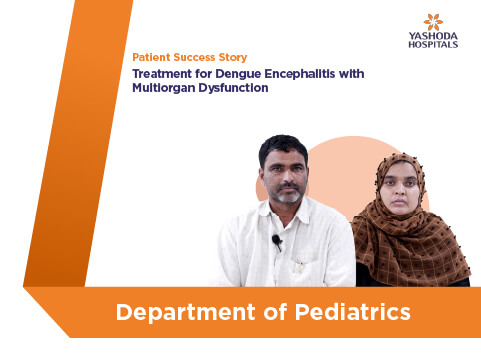
Dengue encephalitis is a rare, severe neurological complication of dengue, a mosquito-borne viral infection caused by the dengue virus. In…
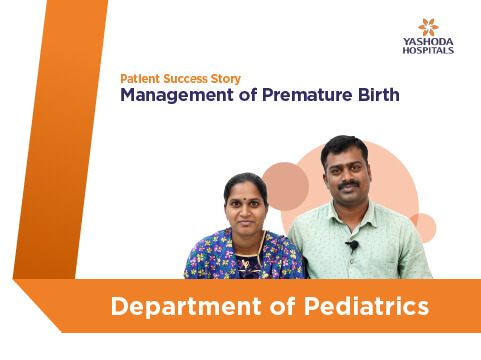
Premature birth, also known as preterm birth, refers to the delivery of a baby before 37 weeks of gestation. It…
Traumatic brain injury (TBI) refers to a sudden blow or impact to the brain due to an accident or fall.…
Acute Respiratory Distress Syndrome (ARDS) is a severe condition characterised by the sudden onset of respiratory failure, resulting in low…
Multiple Organ Dysfunction Syndrome (MODS) is a severe condition characterised by the dysfunction or failure of multiple organs. It can…
Thyroid problems in children refer to abnormal functioning of the thyroid gland, leading to either overproduction (hyperthyroidism) or underproduction (hypothyroidism)…
A foreign body is any object that has entered the body through the mouth, nose, ears, or another opening, or…
Intensive care for premature babies, also known as neonatal intensive care, is specialised medical care for newborn babies who are…
Acute demyelinating encephalomyelitis (ADEM) is a rare autoimmune disorder that causes inflammation and damage to the myelin sheath, which is…
Hirschsprung's disease is a congenital condition that affects the large intestine (colon) and causes difficulty passing stool. It is caused…
Health Blogs for Pediatrics
Best Pediatrics Doctors in Hyderabad
Head of Department & Senior Consultant-Dept. of Paediatrics & Neonatology
English, Hindi, Telugu
Day time OPD:
MON – SAT : 09:00 AM – 4:00 PM
Expertise info not available
Consultant Pediatric Intensivist
Telugu, English, Hindi, Marathi, Kannada, Gujarati
Day time OPD:
MON – SAT : 09:00 AM – 4:00 PM
Evening OPD:
MON – SAT : 05:00 AM – 8:00 PM
Sr. Consultant & Incharge of Neonatal Care Services
Telugu, Kanada, Hindi, English, Tamil, Bengali, Malayalam
Day time OPD:
MON – SAT : 09:00 AM – 4:00 PM
Sr. Consultant Pediatrician & Neonatologist
English, Hindi, Telugu
Day time OPD:
MON – SAT : 09:00 AM – 4:00 PM
Consultant Pediatric Intensivist
English, Kannada, Hindi, Telugu
Day time OPD:
MON – SAT : 9 am to 5 pm
Consultant Pediatric Neurologist
Telugu, English, Kannada, and Hindi
Day time OPD:
MON – SAT : 09:00 AM to 04:00 PM
Services info not available
Sr Consultant Neonatologist, HOD – Department of Neonatology
Clinical Director
Telugu, Hindi & English
Day time OPD:
MON – SAT : 09:00 AM – 04:00 PM
Consultant Paediatrician and Neonatologist
Telugu, English, Hindi, Malayalam
Day time OPD:
MON – SAT : 09:00 AM – 4:00 PM
Sr Consultant Paediatrician & Paediatric Intensivist
Telugu, Hindi and English
Day time OPD:
MON-SAT : 9:00 am to 4:00 pm
Evening OPD:
MON-SAT : 4:00 pm to 6:00 pm
Consultant Neonatologist & Pediatrician
Telugu, English, Hindi, Tamil and Punjabi
Day time OPD:
MON-SAT : 10:00 am – 4:00 pm
Honorary Consultant Paediatric Surgery and Paediatric Urology Minimal Invasive Paediatric Laparoscopic Surgeon, Neonatal Surgeon
Telugu, Marathi, Hindi & English
Day time OPD:
MON-TUE | THU-SAT : 2:00 pm – 5:00 pm
Consultant Neonatologist and Pediatrician
Telugu, Hindi, English, Odia
Day time OPD:
MON – SAT : 09:00 AM – 05:00 PM
Lead Consultant-Pediatric Critical Care and Pediatrics
English, Hindi, Telugu
Day time OPD:
MON – SAT : 10:00 AM – 05:00 PM
Evening OPD:
MON – SAT : 05:00 PM – 07:00 PM
Services info not available
Consultant Pediatrician and Paediatric Intensivist
Telugu, English, Hindi
Day time OPD:
MON-SAT : 9am to 5pm
Services info not available
Doctor Talks
Health Talks
FAQ’s
What age range does the Pediatrics Department at Yashoda Hospitals cover?
The Pediatrics Department at Yashoda Hospitals provides comprehensive healthcare for individuals from birth to 28 days of life (neonates), 28 days to 1 year (infants), 1 to 12 years of age (toddlers), and finally from 12 to 18 years (adolescents), including newborns, infants, children, and adolescents. The department offers a wide range of services, from preventative care to treating complex illnesses, with specialized care in areas like neonatology, allergy and immunology, and dermatology.
What kinds of conditions does the Pediatrics Department treat?
The pediatric department treats a wide range of childhood conditions, including common systemic illnesses (respiratory or gastrointestinal) and infectious diseases (includes ear infection, common, or cold flu), chronic conditions (such as cystic fibrosis or cerebral palsy), and developmental disorders (like autism); as well as behavioral (for example, ADHD) and mental health challenges.
Do Yashoda Hospitals have special units for newborns and premature infants?
The Neonatal Intensive Care Unit (NICU) and Pediatric Intensive Care Unit (PICU) at Yashoda Hospitals are fully equipped with advanced technology to provide specialized and emergency care for neonates, including premature infants, on a 24-hour basis. The neonatologists and pediatricians who operate the unit are committed to their work.
Are both inpatient and outpatient pediatric services available?
Yashoda Hospitals in Hyderabad offers a comprehensive range of pediatric services, including inpatient and outpatient care. These services provide comprehensive care, from routine check-ups and immunizations to the management of complex conditions that necessitate hospitalization. It also incorporates specialized consultations and diagnostic services to help with your child’s care and treatment planning.
How does Yashoda Hospitals manage developmental or behavioral disorders in children?
Yashoda Hospitals’ Child Development Centre (CDC) provides comprehensive care for developmental and behavioral disorders, with a multidisciplinary team creating personalized treatment plans for conditions like ASD and ADHD. The center offers a wide range of therapeutic interventions, including occupational therapy, speech therapy, and physiotherapy, and adopts a holistic approach with services such as parent counseling and early intervention programs.
What distinguishes Yashoda’s Pediatrics Department among hospitals in Hyderabad?
The Pediatrics Department at Yashoda Hospitals is highly regarded in Hyderabad for its team of seasoned specialists, sophisticated technology, and advanced facilities, which provide comprehensive, patient-centric care across the entire spectrum of pediatric medicine.
Do Yashoda Hospitals provide pediatric vaccinations?
The Pediatrics Department at Yashoda Hospitals offers a comprehensive vaccination schedule for children, spanning from infancy to adolescence, in order to safeguard against common childhood diseases. It involves DPT, Polio, Hib, and Hepatitis B. In a child-friendly environment, the hospital’s physicians provide professional medical guidance and administer a comprehensive selection of essential vaccines.
What kind of diagnostic facilities are available for children?
The Pediatrics Department at Yashoda Hospitals provides a wide range of diagnostic services, including advanced laboratory and imaging services like MRI, CT, and Video EEG. The hospital offers a wide range of specialty examinations, such as cardiology and genetic diagnostics, as well as routine newborn screenings for hearing, vision, and neurodevelopmental abnormalities.
How can I book an appointment for pediatric care at Yashoda Hospitals?
To schedule a pediatric appointment at Yashoda Hospitals, use the “Find a Doctor” function on our official website. Alternatively, appointments can be made by calling the hospital’s main number. Another method is to use the “Enquire Now” button on our website to start communication via WhatsApp for appointment booking.
What are common pediatric illnesses?
Common pediatric illnesses include respiratory infections such as influenza and strep throat, as well as gastrointestinal and skin issues. Other common issues are ear infections, conjunctivitis, and parasite infestations. Vaccinations and proper hygiene are essential for prevention, and significant symptoms should always be evaluated by a pediatrician.
Can international patients access pediatric care at Yashoda Hospitals?
For over thirty years, Yashoda Group of Hospitals in Hyderabad has provided excellent healthcare, utilizing advanced technology and highly experienced personnel to deliver international-standard treatments. The hospital’s International Patients Services Team ensures a seamless experience for global patients by assisting with visa and travel arrangements, hotel bookings, translators, and international insurance coverage.

 Appointment
 Second Opinion
 Live Chat
 Call
Call More
More


