



Get a Free Second Opinion

Hematology and Bone Marrow Transplant Hospital in Hyderabad
The Bone Marrow & Stem Cell Transplant Center at Yashoda Cancer Institute is fully committed to advanced haematopoietic stem cell transplant procedures. It is a Center for rare and complex procedures, employing the most advanced technology for quick and safe treatment. Yashoda Cancer Institute’s Bone Marrow & Stem Cell Transplant Center features an advanced cell processing laboratory and other state-of-the-art facilities for safe treatment, and a team of highly skilled & qualified doctors who follow novel therapeutic approaches to offer better and improved surgical outcomes.
Best Hematology Hospital in Hyderabad
The Haploidentical Transplant, an allogeneic treatment, has become very popular in recent times, where the donor is half-matched to the patient. A haploidentical donor may be considered if a patient doesn’t have a fully matched related or unrelated donor. Haploidentical Bone Marrow Transplants are gaining popularity due to the benefits they offer to patients, as most patients will have a readily available haploidentical donor.
The Bone Marrow & Stem Cell Transplant Center at Yashoda Hospitals has undertaken rare and complex procedures for advanced haematopoietic stem cell transplant. Yashoda Hospitals earned great recognition by performing the first HaploIdentical Bone Marrow Transplant in the states of Telangana and Andhra Pradesh.
Bone Marrow Transplantation in Hyderabad
Achievements
The Bone Marrow & Stem Cell Transplant Center at Yashoda Hospitals
- Completed over 100 Bone Marrow Transplants. This includes both Autologous (using the patient’s own stem cells) and Allogeneic (bone marrow of a compatible donor) transplants
- Successfully performed the first-ever Haploidentical Bone Marrow Transplantation in Telangana & Andhra Pradesh
Meet Our Expert Hematology & BMT Team
Yashoda Hospitals features a multidisciplinary team of the leading hematologists and BMT specialists in Hyderabad, delivering comprehensive care for both malignant and non-malignant blood disorders across four primary locations (Hitech-City, Secunderabad, Malakpet, and Somajiguda). Our specialists employ advanced treatments, such as immunotherapy and state-of-the-art stem cell transplants, to provide individualized, patient-focused care for complex hematological disorders.

Dr. Ganesh Jaishetwar
MD, DM PDF-BMT(TMC) <br>Fellowship in Leukemia & BMT (Canada), MACPSr. Consultant Hematologist, Hemato-Oncologist & Bone Marrow Transplant Physician Clinical Director
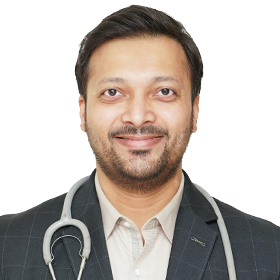
Dr Faraz Ahmed
MBBS, MD, DM(Clinical Haematology)Consultant Haematologist, Haemato-oncologist and Bone Marrow Transplant Physician

Dr Srinivas Chakravarthy. G
MD Med(USA), DM Onc(USA), DM Heme (USA) Diplomate, American Board of Medicine, Oncology. & Hematology Marrow Transplant Physician, University of Washington, Seattle, Asst. Professor, Oncology & Hematology., University of California, Davis. Advisor, National Physicians' Advisory Board, USA.Senior Consultant Hematologist & Medical Oncologist

Dr. K. Karuna Kumar
MD, DNB Clinical HematologyConsultant Hematologist, Hemato-Oncologist & Bone Marrow Transplant Physician

Dr.Viruvanti Dinesh
MBBS, MD (Pediatrics), FNB (Pediatric Hemato – Oncology)Pediatric Hemato Oncology, Consultant Pediatric Hematologist

Dr Parinitha Reddy Gutha
MBBS(Osm), MRCPCH, FRCPCH (London), CCT(UK)Clinical Director & HOD Paediatric Oncology & Haematology

Dr. K Ashok Kumar
MBBS, DNB(NIMS), DM (NIMS) PDF (BMT) (CMC-Vellore)Sr. Consultant Hemato- oncology and BMT Physician
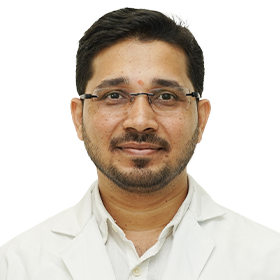
Dr. G. Vikram Kumar
MBBS, MD Immunohematology and Blood Transfusion (JIPMER) Fellowship in Clinical Hematology (CMC, Vellore)Consultant Clinical Hematologist & BMT Physician
Meet Our Leading Hematology & BMT Specialists in Hyderabad
Yashoda Hospitals features a multidisciplinary team of the leading hematologists and BMT specialists in Hyderabad, delivering comprehensive care for both malignant and non-malignant blood disorders across four primary locations (Hitech-City, Secunderabad, Malakpet, and Somajiguda). Our specialists employ advanced treatments, such as immunotherapy and state-of-the-art stem cell transplants, to provide individualized, patient-focused care for complex hematological disorders.
Holistic Hematology & BMT Transplant Services in Hyderabad
At Yashoda Hospitals in Hyderabad, we are committed to delivering world-class care through our advanced treatments and surgeries, supported by expert haematologists and BMT specialists who excel in precise diagnosis and provide a wide range of advanced treatments, including high-dose conditioning, immunotherapy, and innovative cellular therapies.
We provide a wide range of stem cell transplants and blood disease therapies, making us one of the leading BMT facilities for tailored, life-saving therapy. The Center for Haematology and Bone Marrow Transplant at Yashoda Hospitals, Hyderabad, is outfitted with state-of-the-art technology and contemporary facilities to assist these specialists.
List of Advanced Hematology & BMT Treatments and Surgeries in Hyderabad:
- Autologous Stem Cell Transplant
- Allogeneic Stem Cell Transplant
- Haploidentical Transplant
- Syngeneic Transplant
- Central Venous Access Device (CVAD) Placement
- Bone Marrow Aspiration & Biopsy
- Lumbar Puncture (Spinal Tap)
- Peripheral Blood Stem Cell (PBSC) Collection (Apheresis)
- Bone Marrow Harvesting
- High-Dose Chemotherapy
- Total Body Irradiation (TBI)
- Immunotherapy & Targeted Therapy
- CAR-T Cell Therapy
- Donor Lymphocyte Infusion (DLI)
- Extracorporeal Photopheresis (ECP)
- Therapeutic Plasma Exchange (Plasmapheresis)
- Blood Component Therapy
- Iron Chelation Therapy
- Immunosuppressive Management
Preview: This pre-chemotherapy method involves collecting, freezing, and preserving the patient’s blood cells, followed by a rescue transplant (the preserved cells are reinserted into the patient after chemotherapy or radiation therapy).
Surgical Steps:
- Blood, diagnostic imaging, organ function, and bone marrow tests are performed on each patient before BMT to establish eligibility.
- After high-dose conditioning treatment, patients receive stem cells through a central line. They then go through an essential pre-engraftment stage in sterile isolation, where they are given immunosuppressants and medicines and have blood transfusions to stop their bodies from rejecting the cells and to keep infections at bay.
Benefits:
- Higher cancer-killing doses
- Faster recovery
- Utilizes the patient’s own bone marrow
- No need for donor searching and risk of incompatibility with the donor
- Longer periods of being cancer-free
Preview: Conditioning with high-dose therapy eliminates diseased marrow and residual cancer cells, which allows infused donor stem cells to restore a healthy immune system and functional blood supply. This approach not only addresses non-malignant illnesses like sickle cell anemia, but it also benefits from the “graft-versus-tumor” effect, in which new immune cells aggressively target and eliminate remaining cancer cells to prevent regrowth.
Note: Umbilical Cord Blood Transplant, a well-known subtype of allogenic stem cell transplant considered a distinct alternative to haploidentical transplantations when a perfect match isn’t found.
Surgical Steps:
- The allogeneic transplant procedure begins with HLA typing to find a matched donor, followed by bone marrow surgery or peripheral blood apheresis to extract viable stem cells.
- Patients then go through a conditioning regimen of high-dose chemotherapy or radiation to clear diseased marrow before receiving donor cells via a painless intravenous infusion.
- During the important recovery period, the new cells travel to the marrow and begin to engraft, while the patient is closely monitored in the hospital to prevent infections and graft-versus-host disease.
Benefits:
- Provides only potential for a long-term cure
- Unique graft versus tumor effect that actively seeks and eliminates cancer cells
- Healthy graft source
- Eligibility to apply for various conditions
- Improved survival rates
Preview: Haploidentical transplants significantly increase the number of potential donors by allowing half-matched family members to contribute life-saving stem cells promptly, which is critical for patients with aggressive blood malignancies or non-malignant illnesses. The method rebuilds the immune system and utilizes genetic differences to boost the “graft-versus-tumor” impact and prevent cancer recurrence.
Surgical Steps:
- A thorough medical examination and HLA typing to choose the most suitable half-matched donor, followed by chemotherapy and radiation to eliminate damaged marrow.
- Healthy stem cells are extracted donor by apheresis and then pumped into the patient’s circulation via a central venous catheter, similar to a blood transfusion.
- During the important post-transplant phase, the new cells travel to the marrow and initiate growth while the patient is kept in sterile isolation.
- To guarantee a successful recovery, doctors use high-dose medication to prevent graft-versus-host disease (GvHD) and extensive supportive care, including antibiotics and blood products, to manage the temporary loss of immunity.
Benefits:
- Universal donor availability
- Faster access to the treatment
- Option for urgent cases
- Potential for enhancing anti-cancer effect
- Readily available for repeated donations
- Improved outcomes with manageable rates and non-relapse mortality
Preview: A syngeneic transplant aims to restore healthy blood production and immunological function by replacing damaged marrow with cancer-free cells from an identical twin. The donor and recipient are genetically identical; this approach successfully reduced the danger of graft rejection and graft-versus-host disease while allowing for extensive conditioning treatments to destroy residual cancer cells.
Surgical Steps:
- Apheresis or bone marrow harvest is used to extract healthy stem cells from the donor following a thorough health screening of both twins.
- Doctors use high-dose conditioning therapy to eliminate diseased cells before administering the harvested stem cells to the patient, which begins the multi-week engraftment and healing process, whilst the medical staff continuously monitors the patient’s recovery and development.
Benefits:
- Zero GVHD risk as the recipient’s immune system recognizes the donor cells as ‘self’.
- No graft rejection, thereby eliminating the need for strong immunosuppressants.
- Cancer-free grafts that are healthier than the patient’s own cells.
- Reduced complications that lead to optimum results.
Preview: Central venous access is a dependable, long-term method for providing irritating chemotherapy, vesicant medicines, and high-volume infusions that may otherwise harm smaller peripheral veins. These customized lines allow for regular blood collection, hemodynamic monitoring, and sophisticated therapies such as plasmapheresis or hemodialysis, in addition to eliminating the need for recurrent needle jabs.
Surgical Steps:
- Under ultrasound guidance and sterile settings, a healthcare professional numbs the insertion site before using a finder needle to reach a large vein.
- A flexible guidewire then goes into the vein to function as a track, and cardiac monitoring ensures that it remains securely away from the heart.
- After a tissue dilator widens the channel, the central venous catheter is inserted over the wire and into the superior or inferior vena cava.
- Finally, the placement is checked using a chest X-ray or fluoroscopy before the catheter is flushed, sutured in place, and covered with a sterile dressing.
Benefits:
- Reduces patient anxiety and discomfort
- Protects peripheral veins from damage and discomfort
- Can be used for a longer duration, spanning months to years
- Minimizes the risk of vascular irritation or extravasation injuries
Preview: Bone marrow aspiration is commonly used for life-saving transplants, to diagnose, monitor treatment, and gather cells for transplantations, as well as replacing diseased bone marrow in blood malignancies (leukemia), or genetic abnormalities that do not generally mend joints.
Surgical Steps:
- Bone marrow aspiration is normally performed as an outpatient treatment, with the patient lying on their side and a local anesthetic numbing the skin and hip bone surface.
- To access the liquid core, a specialized hollow needle is passed via a tiny incision in the bone’s marrow cavity.
- Once the needle is in place, a syringe is used to take a tiny sample of liquid marrow, which may create a momentary tugging or cramping feeling.
- The obtained sample is promptly assessed by laboratory personnel for adequacy before the needle is withdrawn, and a sterile bandage is placed over the site with firm pressure.
Benefits:
- Provides detailed cellular information, advanced genetic and molecular testing
- Minimally invasive procedure
- Shows rapid results
- Obtains definitive diagnosis
- Treatment optimization
Preview: Lumbar punctures are employed to diagnose central nervous system infections, stage malignancies such as leukemia, and monitor intracranial pressure. They also play a crucial therapeutic role by administering intrathecal chemotherapy directly into the cerebrospinal fluid, thereby effectively crossing the blood-brain barrier to treat or prevent relapse.
Surgical Steps:
- During this outpatient treatment, which lasts 15 to 30 minutes, the patient’s body is positioned to open up the space between the vertebrae. Then, the lower back is cleaned and numbed with a local anesthetic.
- A tiny needle is inserted between the lower vertebrae; occasionally, fluoroscopy is used to visualize the application of pressure to obtain fluid samples or administer medication.
- People usually have to lie flat for a few hours after the needle is removed and the site is wrapped to avoid getting a headache.
- During this recovery time, the specialists may recalibrate your diet intake to help restore the amount of cerebrospinal fluid.
Benefits:
- Accurately diagnose or rule out CNS involvement of blood cancers.
- Direct delivery of chemotherapy into the CNS, at the ‘sanctuary site’.
- Minimally invasive procedure
- Monitoring of disease status and treatment effectiveness
Preview: This non-surgical procedure captures high quantities of hematopoietic stem cells, restoring a patient’s ability to make blood cells after rigorous cancer therapies. As the favored approach in most situations, it is a less invasive alternative to standard bone marrow surgery that ensures a sufficient cell count for effective immune system repopulation.
Surgical Steps:
- PBSC collection begins with several days of growth factor injections that release stem cells from the bone marrow into the circulation.
- During the surgery, blood is obtained through an IV and processed in an apheresis machine, which employs centrifugation to separate the stem cell layer.
- The remaining blood components are restored into the patient within the last four to six hours of this non-surgical procedure. The extracted cells are processed and cryopreserved for future treatments.
Benefits:
- Faster engraftment compared to bone marrow transplant
- Reduces the risk of infection and bleeding complications
- Reduced donor risk and discomfort associated with general anesthesia and surgical bone marrow extraction
- Widely available treatment option
- Potentially decreased rate of cancer reoccurring
- May help rest the immune system (Immunomodulation)
Preview: Bone Marrow Harvesting (BMH) is the process of collecting healthy hematopoietic stem cells (HSCs) for Bone Marrow Transplantation (BMT), which is used to treat blood malignancies (leukemia, lymphoma) and genetic disorders by replacing damaged marrow and restoring it with new ones.
Surgical Steps:
- During the process, a donor under general anesthesia has many tiny punctures in the posterior iliac crest to allow marrow to be aspirated into sterilized syringes.
- The marrow is then filtered to eliminate debris before being processed for rapid infusion or cryopreservation to guarantee a high-quality stem cell transplant.
Benefits:
- Long-term cure and immunity for the patients
- Lifesaving opportunity for the donors
- Expands critical treatment options for the patients
Preview: High-dose chemotherapy seeks to destroy aggressive cancer cells and establish long-term remission in diseases such as lymphoma and multiple myeloma. It also works to ablate damaged bone marrow and inhibit the immune system, allowing fresh stem cells to engraft without rejection.
Surgical Steps:
- The process begins with the mobilization and harvest of stem cells via apheresis, which are then cryopreserved until the patient has completed an intense high-dose chemotherapy conditioning treatment.
- This intensive therapy destroys any leftover cancer and bone marrow cells, preparing the body for the future infusion of frozen stem cells through a central venous catheter.
- Following the transplant, the patient enters the engraftment phase, during which the new cells begin to produce healthy blood components while receiving intensive medical supervision and supportive care.
Benefits:
- Increased tumor response rate
- Better chance of long-term disease control
- Restoration of bone marrow function
- Enhanced quality of life
- Potentially curative option
Preview: Total Body Irradiation (TBI) is used in conjunction with high-dose chemotherapy to destroy cancer cells, especially targeting the core affected areas that normal medications may not reach. Its primary aim is to cleanse existing bone marrow and suppress the patient’s immune system, allowing donor stem cells to engraft without rejection.
Surgical Steps:
- The procedure starts with precise analysis and planning, which includes CT scans and specialized shielding to protect key organs like the lungs and kidneys from radiation.
Using a linear accelerator, radiation is administered to - the entire body in multiple portions over several days, giving healthy tissues time to recuperate between treatments.
- The medical team constantly examines the patient for adverse effects, such as nausea, to ensure they are stable enough for the stem cell infusion.
Benefits:
- Potently kills cancer, boosting survival
- Enhances donor cell growth success
Preview: Targeted medicines and immunotherapies seek to selectively destroy cancer cells while preserving healthy tissue, increasing survival rates, and improving overall quality of life. These medicines enable the immune system to acquire long-term memory to sustain remission and avoid illness recurrence by tailoring treatments based on unique genetic biomarkers.
Surgical Steps:
- Immunotherapy and targeted therapy are often delivered via intravenous infusion, oral tablets, or localized injections, depending on the medicine.
- Specialized therapies, such as CAR-T cell therapy and donor lymphocyte infusions, need extensive laboratory modifications to cells or donor samples to elicit a powerful, focused immune response against cancer.
Benefits:
- Teaches cells to attack cancer
- Creates long-lasting immune memory
- Treats resistant or metastatic (spreading) cancer
- Fewer chemotherapy-related side effects
- Spares healthy cells via protein
- Maximizes impact while reducing harm
- Improves rates for specific mutations
- Enhances response and prevents resistance
Preview: CAR T-cell therapy is a sort of novel immunotherapy that intends to alter the patient’s immune system to combat cancer. T lymphocytes can be genetically engineered to locate and kill various types of malignant cells or tumors in a patient’s body, therefore curing cancer quickly or over time.
Surgical Steps:
- The patient’s medical history and overall condition are reviewed, followed by a test for any specific cancer features, where the surgeon removes the patient’s T cells from their blood in a laboratory environment using a technique known as leuapheresis.
- A harmless virus delivers genetic coding to construct synthetic antigen receptors, which are amplified while the patient receives lymphodepleting chemotherapy to create a favorable environment for their reinfusion.
CAR-T cells previously reinfused attack tumors while also providing long-term immunity.
Benefits:
- Achieves complete curative potential
- Extends the patient’s survival rates
- Delivers high-precision targeted therapy
- Maximizes multimodal treatment effectiveness
- Accelerate treatment and recovery
- Ensures long-term cancer remission
Preview: Donor Lymphocyte Infusion (DLI) combats minimal residual illness and recurrence by inducing a strong graft-versus-tumor impact against remaining cancer cells. It also boosts the recipient’s immune system, aiding in the recovery from transplant failure and resolving mixed occurrences.
Surgical Steps:
- Apheresis is used to harvest donor lymphocytes from the blood, processed to ensure quality before being given to the patient via IV.
- To optimize the therapeutic “graft-versus-tumor” impact while limiting the danger of graft-versus-host illness, medical teams often inject these cells in increasing amounts over many weeks.
Benefits:
- Durable remission
- Targeted therapy
- Cost-effective
- Improved survival
Preview: Extracorporeal Photopheresis (ECP) addresses graft-versus-host disease (GVHD) by generating immunity through regulatory T-cells while keeping the important graft-versus-leukemia impact. This method enables patients to lessen their reliance on high-dose corticosteroids, therefore enhancing their lifespan and quality of life by reducing treatment-related toxicity.
Surgical Steps:
- Leukapheresis (Cell Collection): The patient’s blood is collected and centrifuged in specialized equipment to isolate the leukocyte-rich buffy coat, while the remaining components, such as red blood cells and plasma, are returned to the body.
- Photoactivation: The isolated white cells are combined with 8-methoxypsoralen and subjected to ultraviolet light, causing a chemical reaction to attach to cellular DNA and cause programmed cell death in activated lymphocytes.
- Reinfusion: Reinfused dead cells are absorbed by cells that present antigens, which regulate the immune response and build tolerance.
Benefits:
- High efficacy in GVHD treatments
- Favorable safety profile
- Reduced risk of infection and malignancy
- Steroid dose discontinuation or reduction
- Improved organ function
- Durable response
Preview: Therapeutic plasma exchange (TPE) stabilizes patients by removing pathogens such as autoantibodies and excess proteins, restoring blood viscosity and immunological balance. It serves as an important bridge to definitive treatment for life-threatening conditions.
Surgical Steps:
- The procedure begins with establishing vascular access and adding an anticoagulant to the blood to prevent clotting as it enters the apheresis machine.
- The equipment separates plasma from the cellular components by centrifugation or filtration, allowing the diseased plasma to be collected and discarded.
- Finally, a replacement fluid, such as albumin or fresh frozen plasma, is mixed with the patient’s cells and returned to the body to maintain blood volume and pressure.
Benefits:
- Quick stabilization from acute life-threatening conditions
- Improving symptoms faster than pharmacologic therapies
- Management of several specific conditions
High safety profile
Preview: Blood component treatment aims to increase oxygen supply and reduce bleeding by administering targeted transfusions of red blood cells, platelets, or plasma components based on the patient’s unique condition. This approach saves expenses and decreases donor risk while providing important immunological support and enabling the engraftment of healthy bone marrow.
Surgical Steps:
- After confirming the patient’s identification and blood compatibility, physicians examine vital signs and initiate intravenous access to begin the process.
- The blood component is initially administered slowly to watch for adverse responses before being raised gradually over a few hours.
- Throughout the process, professionals monitor vital signs and symptoms to ensure patient safety until the infusion of medication is finished and the line is withdrawn.
Benefits:
- Targets specific treatments precisely
- Improved quality of life
- Support natural growth and development
- Potential long-term cure or remission for several blood cancers
- Enhanced efficacy and safety
- Optimizes the use of limited resources
Preview: Iron Chelation Therapy (ICT) protects organs by neutralizing harmful iron species and regulating iron levels in individuals who cannot excrete excess iron after transfusions. Through lowering the levels of iron in the heart, liver, and endocrine glands, this medication improves long-term survival and clinical outcomes for bone marrow transplant patients.
Surgical Steps:
- Iron chelation is a non-surgical medical therapy that involves administering specialist-approved medications by slow subcutaneous infusion or the more convenient oral equivalents, once a day, to regulate iron levels.
- Iron Chelation Therapy begins when serum ferritin or organ iron concentrations show severe overload, usually after 10 to 20 blood transfusions.
- Doctors then alter chelator dosage and frequency depending on continuing lab findings and imaging to maintain organ protection while avoiding medication toxicity.
Benefits:
- Prevents and reverses cardiac damage
- Protects liver function
- Safeguards the endocrine organs
- Improves survival rates
- Enhances BMT outcomes
- Potential hematological improvements
Preview: Immunosuppressive therapy promotes effective donor engraftment and avoids graft-versus-host disease by reducing the recipient’s immune system and limiting donor cell behavior. Furthermore, these medicines enable intense conditioning regimens to clear cancers and control autoimmune bone marrow from failing by preserving the patient’s stem cells from internal assault.
Surgical Steps:
- Stem Cell Harvesting: Stem cells are extracted either through a non-surgical apheresis technique from the blood or surgically from the pelvic bone.
- Conditioning (Pre-transplant surgery): Prior to transplantation, the patient receives high-dose chemotherapy or radiation to suppress the immune system and eliminate diseased cells.
- Transplantation: Healthy stem cells are administered intravenously, similar to a blood transfusion, and spontaneously spread to the bone marrow to initiate engraftment without surgery.
Benefits:
- Successful engraftment restores normal red cell production.
- Offer a potential cure for patients with malignant or non-malignant diseases.
- Prevention of life-threatening complications
- Improved quality of life
- In specific scenarios, reduce relapse risk
Advanced Hematology & BMT Conditions & Comprehensive Measures
Haematological diseases are health concerns that affect the blood, bone marrow, and lymphatic systems, such as leukemias, lymphomas, anemias, and immunological deficiencies, which can have a detrimental impact on a patient’s overall health and immunity. While many of these disorders are difficult, a precise diagnosis along with specialized treatments, such as cellular treatment or transplantation, can result in remission and greatly increase long-term survival rates.
Yashoda Hospitals provides sophisticated haematology and BMT treatments, led by some of the best hemato-oncologists and transplant experts in Hyderabad, India, ensuring comprehensive care for a wide range of blood-related diseases. Our experts specialize in accurate molecular illness detection and individualized treatment programs adapted to each patient’s unique genetic and clinical needs, making us one of the finest hospitals for bone marrow transplant and hematological care.
Here are the common and complex hematological problems where patients may undergo bone marrow and stem cell transplantation for a wide variety of malignant and non-malignant conditions.
List of Advanced Hematological & BMT Diseases and Conditions:
- Acute Lymphoblastic Leukemia (ALL)
- Acute Myeloid Leukemia (AML)
- Chronic Myeloid Leukemia (CML)
- Hodgkin’s Lymphoma
- Non-Hodgkin’s Lymphoma
- Neuroblastoma
- Brain tumors
- Ewing sarcoma
- Rhabdomyosarcoma
- Aplastic Anemia
- Fanconi Anemia
- Sickle Cell Anemia
- Thalassemia
- Severe Combined Immunodeficiency Syndrome (SCID)
- Wiskott-Aldrich Syndrome
- Chronic Granulomatous Disease
- Haemophagocytic Lymphohistiocytosis
- Langerhans Cell Histiocytosis
- Myelodysplastic Syndromes
- Myelofibrosis
- Chronic Myelomonocytic Leukemia
- Polycythemia Vera (High Risk)
- Chronic Myelomonocytic Leukemia
- Multiple Myeloma
- Adrenoleukodystrophy
- Krabbe Disease
- Gaucher’s Disease
- Osteopetrosis
- Diamond-Blackfan Anemia
- Dyskeratosis Congenita
- Congenital Amegakaryocytic Thrombocytopenia (CAMT)
- Paroxysmal Nocturnal Hemoglobinuria (PNH)
- Multiple & Systemic Sclerosis
Symptoms of Acute Lymphoblastic Leukemia (ALL)
- Fatigue and weakness
- Pale skin
- Frequent infections/fever
- Easy bruising/bleeding
- Bone/Joint pain
- Swollen lymph nodes
- Shortness of breath
- Night sweats
- Abdominal pain or feeling of fullness
- Weight loss or loss of appetite
Causes of Acute Lymphoblastic Leukemia (ALL)
- Exact causes are unknown, but there are certain risk factors responsible.
- Genetic mutations
- Inherited conditions like Down syndrome
- Environmental exposure – certain chemicals or high-dose radiation
- Higher risk in young children and older adults
Symptoms of Acute Myeloid Leukemia (AML)
- Fatigue weakness
- Frequent infections
- Easy bruising/bleeding
- Pale skin
- Fever and night sweats
- Bone and joint pain
- Shortness of breath
- Unexplained weight loss and appetite loss
Causes of Acute Myeloid Leukemia (AML)
- Unknown triggers
- Genetic mutations
- Environmental factors: benzene, ionizing radiation, chemotherapy drugs.
- Lifestyle factors: Smoking is a known risk factor
- Previous blood disorders: myelodysplastic syndrome (MDS) or any other blood cancers
Symptoms of Chronic Myeloid Leukemia (CML)
- Abdominal fullness/pain
- Unexplained weight loss and fever
- Fatigue and weakness
- Night sweats
- Bone pain
- Pale skin
- Shortness of breath
- Increased bleeding/bruising
- Frequent infections
Causes of Chronic Myeloid Leukemia (CML)
- Acquired mutation
- Abnormal protein
- Unknown triggers
- Philadelphia chromosome
Symptoms of Hodgkin’s Lymphoma
- Alcohol-induced pain
- Chest discomfort
- Fatigue
- Itchy-skin
- Unexplained weight loss
- Fever and night sweats
- Painless lymph node swelling
Causes of Hodgkin’s Lymphoma
- Most common in young and older adults
- A close relative with Hodgkin’s disease increases the risk
- Tobacco smoking
- Infection with the Epstein-Barr virus
- Immune system issues
- Abnormal cellular formation (Malignancy)
Symptoms of Non-Hodgkin’s Lymphoma
- Swollen lymph nodes
- Fever and chills
- Soaking night sweats
- Persistent tiredness
- Unexplained weight loss
- Skin rashes cause the itch
- Pain, swelling, or a feeling of fullness
- Cough, chest pain, or shortness of breath
- Issues with balancing the body’s
- Vision changes or headaches
Causes of Non-Hodgkin’s Lymphoma
- Infections: Hepatitis C, H.pylori, Epstein-Barr virus
- Autoimmune diseases: rheumatoid arthritis or lupus
- Family history of lymphoma
- Most common in older adults
- Environmental factors: Chemical exposure or occupational hazards
Symptoms of Neuroblastoma
- Swelling in the abdomen, neck, or chest
- Bulging eyes, dark circles, or drooping eyelids
- Pain in the arms/legs/back or limping
- Swelling, pain, constipation, difficulty eating
- Fatigue, weakness, fever, irritability, loss of appetite, or weight loss
- Painless, bluish lumps under the skin
- Swollen nodes in the neck, armpits, or groin
- Pale skin, easy bruising, easy infection
Causes of Neuroblastoma
- Genetic mutations
- Most common in infants and young children
- Genetic condition inherited from parents
- No clear environmental or lifestyle causes
Symptoms of Brain Tumors
- Frequent worsening headaches that are unresponsive to pain relievers
- New or unusual seizures, convulsions, or sensory changes
- Doubled, blurred, or loss of peripheral vision, or seeing lights
- Memory issues, confusion, changes in personality traits, irritability, or apathy
- Difficulty walking, unsteadiness, clumsiness, or especially weakness or numbness on one side of the body.
- Ear ringing (tinnitus), loss of hearing, slurred speech, difficulty finding words
- Unexplained vomiting is often associated with headaches.
- Excessive tiredness or drowsiness
Causes of Brain Tumors
- Unknown cause, but certain risk factors could trigger the condition
- Inherited genetic factors like neurofibromatosis
- Weakened immune system
- Potentially for certain viruses like the Epstein-Barr virus
- High-dose radiation exposure or previous radiation exposure
- Cancer from the lung, breast, skin, or kidney that metastasizes to the brain
Read more about – Brain tumors
Symptoms of Ewing sarcoma
- Primarily, a dull and constant bone pain that worsens at night and remains unaffected at rest.
- A bone break from the minimal trauma, as the bone had weakened.
- Overall tiredness and unexplained weight loss
- Lumps or swelling near the affected bone areas
- Fatigue and weight loss
- Fever
- Numbness, weakness in the limbs
- Shortness of breath or limping
Causes of Ewing sarcoma
- Children and young adults are primarily affected
- Abnormal genes in the body tell cells to behave differently, grow abnormally, and form tumors.
- Random DNA changes that are not inherited
Often originates from the genetic damage of the EWS- - FLI1 fusion gene
Symptoms of Rhabdomyosarcoma
- Fatigue, night sweats, unexplained weight loss, enlarged lymph nodes
- A painful lump or swelling
- Muscle weakness or tingling in the active nerve endings
- Trouble urinating or with bowel movements
- Poor bladder or bowel control
- Droopy eyelids, bulging eyes, vision changes, ear pain, nosebleeds, swelling, or congestion
Causes of Rhabdomyosarcoma
- Congenital abnormalities are often seen with some birth defects
- Inherited syndromes associated with a genetic disorder
- Rare prenatal x-ray exposure or prenatal drug during pregnancy
Symptoms of Aplastic Anemia
- Frequent infections due to low WBC count
- Easy bruising and bleeding
- Noose bleeding or gum bleeding
- Heavy menstrual bleeding
- Dizziness and rapid heartbeat
- Shortness of breath
- Pale skin
- Fatigue and weakness
- Petechiae
- Heavy menstrual bleeding in women
Causes of Aplastic Anemia
- Autoimmune disorders attack bone marrow stem cells
- Toxins or chemical exposure, like benzene, pesticides, insecticides, or heavy metals
- Certain medication
- Radiation or cancer therapy
- Viral infections like HIV, EBV, or Hepatitis
- Certain inherited disorders, like Fanconi anemia or dyskeratosis congenita
- Sometimes, pregnancy is a triggering factor
Symptoms of Fanconi Anemia
- Bone-related: fatigue, paleness, easy bruising, frequent infections, shortness of breath, and nosebleeds.
- Short stature
- Different skin coloration
- Hair loss
- Developmental delays
- Smaller-sized testicles
- Hand/thumb abnormalities
- Increased risk of acute myeloid leukemia or solid tumors
Causes of Fanconi Anemia
- Genetic inheritance, where a child receives this mutated gene from both parents
- DNA repair defects from faulty genes
Symptoms of Sickle Cell Anemia
- Intense pain in the bones of the chest and abdomen joints that lasts from hours to days.
- Fatigue, weakness, paleness, or shortness of breath
- Swelling and pain in the hands and feet are often an early sign in infants (Hand-foot syndrome or dactylitis)
- Frequent infections, like a damaged spleen
- Jaundice
- Stroke
- Vision problems
- Acute chest syndrome (chest pain and breathing issues)
Causes of Sickle Cell Anemia
- Genetic inheritance, where a child receives this mutated gene from both parents
- HBB gene mutation
- Abnormal hemoglobin
- Oxygen deprivation
Symptoms of Thalassemia
- Fatigue and weakness
- Pale or yellowish skin
- Shortness of breath
- Slow growth and delayed puberty
- Dark urine
- Dizziness and rapid heartbeat
- Gallstones
- Bone problems
- Enlarged spleen or liver
- Facial bone deformities
Causes of Thalassemia
- Genetically inherited from the parents, which results in disruptive hemoglobin production
- A gene mutation that leads to fewer or abnormal red blood cells
- Geographic prevalence as a major risk factor
Read More About – Thalassemia
Symptoms of Severe Combined Immunodeficiency Syndrome (SCID)
- Persistent yeast growth in the mouth and diaper rash
- Pneumonia, bronchitis, or meningitis
- Sinus infection, ear infections, or severe skin infections
- Chronic diarrhoea, poor appetite, weight loss
- Unable to gain weight or grow naturally
- Eczema-like rashes
- Severe viral infections like chicken pox or cold sores
Causes of Severe Combined Immunodeficiency Syndrome (SCID)
Gene mutation prevents proper formation and function of T-cells, B-cells, and natural killer cells, leaving the infants defenseless
Symptoms of Wiskott-Aldrich Syndrome
- Frequent, severe, viral, bacterial, or fungal infections.
- Severe, itchy, inflamed skin rashes (atopic dermatitis)
- Autoimmune diseases like anemia, arthritis, vasculitis, and IBD
- High risk of cancers, particularly lymphomas and leukemias
- Swollen lymph nodes and enlarged spleen
Causes of Wiskott-Aldrich Syndrome
Mutation of the WAS gene, which is crucial for immune cells and platelet function
Platelet dysfunction
Symptoms of Chronic Granulomatous Disease
- Pneumonia
- Swollen lymph nodes
- Ear infections
- Skin abscesses
- Osteomyelitis
- Inflammatory masses in lungs, liver, stomach,
- intestines, or bladder, causing blockages, or Crohn’s disease
- Boils, rashes, swelling, mouth sores, or redness
- Enlarged liver/spleen (hepatosplenomegaly)
- Severe fungal infections, like pneumonia, from environmental exposure
Causes of Chronic Granulomatous Disease
- Genetic mutations that prevent WBCs from producing certain chemicals and from eliminating ingested bacteria and fungi by reactive oxygen species
- Inherited from parents, mostly affects males
Symptoms of Haemophagocytic Lymphohistiocytosis
- Iritability, seizures, confusion, coma
- High and prolonged fever
- Skin rashes
- Jaundice cough
- Abdominal pain
- Difficulty breathing
- Low platelet count (thrombocytopenia)
- Low WBC count (neutropenia)
- Swollen liver, spleen, and lymph nodes
- Anemia
Causes of Haemophagocytic Lymphohistiocytosis
- Epstein-Barr virus and other bacterial, fungal, or parasitic infections
- Blood cancers like leukemia or lymphoma
- Lupus or Juvenile idiopathic arthritis
- Inherited immune system defects
- Metabolic disorders
Symptoms of Langerhans Cell Histiocytosis
- Pain, swelling of the skull, jaw, and ribs, fractures, and limping
- Protruding swollen eyes with a vision problem
- Dry cough, shortness of breath, chest pain
- Ear pain, drainage of fluids, loss of hearing
- Extreme thirst or urination
- Fatigue, easy bruising, or frequent infections
- Balancing issues
- Behavioral changes, headaches, seizures
Causes of Langerhans Cell Histiocytosis
- Unknown primary cause
An acquired genetic mutation of the BRAF gene, which makes the cells grow uncontrollably
Viruses or environmental toxins play a contributing role
Seen most commonly in children, in adults, it is commonly linked to smoking, affecting only the lungs
Symptoms of Myelodysplastic Syndromes
- Weakness, lack of energy, fatigue
- Shortness of breath, pale skin
- Lightheadedness or dizziness
- Heavier and longer menstrual period
- Pinpoint red spots under the skin
- Frequent nosebleeding, gum bleeding
- Frequent and severe sinus, lung, skin, and urinary tract infections
- Fever
Causes of Myelodysplastic Syndromes
- Previous cancer or radiation therapy
Risk increases as you age - Environmental factors, such as welding fumes, pesticides, benzene, tobacco smoke, and heavy metals (like lead and mercury)
- Certain inherited conditions or chromosomal abnormalities
Symptoms of Myelofibrosis
- Frequent infections
- Bone/joint pains
- Bleeding/bruising
- Night sweats
- Fever and weight loss
- Intense itching of the skin
- Enlarged spleen/liver
- Fatigue or weakness
Causes of Myelofibrosis
- Acquired DNA changes in the blood stem cells
Buildup of bone marrow scarring due to the abnormal cell activity - Extramedullary hematopoiesis (Liver & spleen fail to make blood cells)
- Unknown triggers are seen most commonly in older adults
- It can develop from other blood-related cancers like polycythemia vera or essential thrombocythemia
Symptoms of Chronic Myelomonocytic Leukemia
- Unexplained weight loss and loss of appetite
- Fever and night sweats
- Abdominal fullness/pain
- Fatigue and weakness
- Frequent infections
- Bone pain
Causes of Chronic Myelomonocytic Leukemia
- Older adults experiencing this condition over a lifetime
- Acquired gene mutation in blood stem cells disrupts their functions
- An abnormal stem cell mutation that produces too many white blood cells
Symptoms of Polycythemia Vera (High Risk)
- Painful joint swelling due to high uric acid
- Blurred or double vision of black spots over the eyes
- Night sweats, weight loss, and breathing problems
- Fullness from an enlarged spleen
- Burning/tingling/weakness in the hands/feet
- Reddish/purplish face
- Nose bleeding, gum bleeding, heavy periods
- Headache, dizziness, tinnitus
- Itching, fatigue, and weakness
Causes of Polycythemia Vera (High Risk)
- The mutation of the JAK2 gene causes the overproduction of blood cells without normal signals.
- Blood clots that lead to heart attack, strokes, and DVT
- Bone marrow scarring leads to severe fatigue, anemia, bone pain, and an enlarged spleen/liver
Symptoms of Chronic Myelomonocytic Leukemia
- Unexplained weight loss and loss of appetite
- Fever and night sweats
- Abdominal fullness/pain
- Fatigue and weakness
- Frequent infections
- Bone pain
Causes of Chronic Myelomonocytic Leukemia
- Older adults experiencing this condition over a lifetime
- Acquired gene mutation in blood stem cells disrupts their functions
- An abnormal stem cell mutation that produces too many white blood cells
Symptoms of Multiple Myeloma
- Thirst, frequent urination, or constipation
- Frequent infections due to a compromised immune system
- Numbness, weakness, tingling of the lips
- Pain in the back, ribs, and hips
- Weakened bones and fractures
- Easy bruising
- Nosebleeds
Causes of Multiple Myeloma
- Family history
- Geographic location
- Acquired DNA changes in the plasma cells
Symptoms of Adrenoleukodystrophy
- Vision problems, vision loss, squinting
- Difficulty writing, speaking, or reading
- Muscle weakness, poor coordination, muscle spasticity
- Seizures, paralysis, progressive dementia, coma
- Behavioral changes, loss of hearing
- Erectile dysfunction
- Premature baldness
- Urinary/bowel dysfunction or incontinence
- Nausea vomiting
- Darkening of the skin
- Low blood sugar & low blood pressure
Causes of Adrenoleukodystrophy
- Genetic mutation of the X chromosome
- Build up of a long chain of fatty acids in the brain, spinal cord, nerves, and adrenal glands
- Damage to the nerve insulation and adrenal glands, leading to neurological and hormonal problems
- X-linked inheritance
Symptoms of Krabbe Disease
- Extreme irritability
- Sensitivity to sound/light
- Floppy muscles followed by stiffness
- Poor head control and developmental delays
- Weakness and regression
- Difficulty eating and swallowing
- Vision and hearing loss
- Unexplained fevers and vomiting
- Seizures
Causes of Krabbe Disease
- An inherited autosomal recessive genetic disorder due to a mutation of the GALC gene
- A genetic mutation stops the production of certain enzymes, causing enzyme deficiency
Causes severe neurological damage
Symptoms of Gaucher’s Disease
- Enlargement or bulging of the organs
- Pain, weakness, fractures, and marrow problems
- Easy bruising/bleeding and fatigue
- Delayed growth or puberty
- Rapidly growing severe neurological symptoms by the age of 2
- Includes seizures and developmental delays
- Eye movement problems
- Enlarged head
- Seizures, eye movement disorders, and blood/breathing problems
Causes of Gaucher’s Disease
- A mutation of the GBA1 causes a deficiency or significantly reduced activity of certain enzymes, which further leads to fat accumulation.
- Common in people with two mutated GBA1 genes, and common in people of racial prevalence.
Symptoms of Osteopetrosis
- Fragile bones that easily fracture
- Abnormal bone shape with bone pain
- Vision and hearing loss
- Facial paralysis
- Hydrocephalus due to compression of the twelve nerve bundle from the direct brain to the body (Cranial nerves)
- Anemia and easily bruised
- Recurrent infection, like bone infection in the jaw (osteomyelitis)
- Delayed tooth eruptions
- Nasal congestion
- Enlarged spleen/liver
Causes of Osteopetrosis
- Inherited mutation of the genes that cause osteoclasts to malfunction
- Osteoclasts fail to break down the old bone, causing it to build up more dense and heavier and protrude its bone matrix outwards
Symptoms of Diamond-Blackfan Anemia
- Weakness
- Sleepiness
- Irritability
- Weakness, fatigue, and headache
- Fatigue, pale skin, faster heartbeat
- Shortness of breath and poor appetite
- Infants may get tired during feeding
- Poor weight gain and growth delays
- Physical congenital abnormalities
Causes of Diamond-Blackfan Anemia
- Genetic mutation leads to the malfunction of ribosomal protein formation, disrupting red blood cell production, further affecting the bone marrow, and decreasing its output and thus causing anemia.
- Could be inherited or acquired
Symptoms of Dyskeratosis Congenita
- Lacy hyperpigmentation, especially on the neck/chest, fragile skin, and premature hair loss
- Splitting, ridging, thickening, or slow growth of the nails
- White patches inside the cheek, which may be cancerous
- Frequent infections, bleeding gums, easy bruising, fatigue
- Dental issues, eye problems, developmental delays, and pulmonary fibrosis
Causes of Dyskeratosis Congenita
- Passed down genetically through the X-linked chromosome
- Premature stem cell aging and failure, causing multisystem problems
Symptoms of Congenital Amegakaryocytic Thrombocytopenia (CAMT)
- Bleeding: Gum bleeding, nosebleeds, blood in urine/stool, petechiae, severe internal bleeding, easy bruising.
- Fatigue, infection, and increased bleeding risk
Central nervous system anomalies (developmental delays, cerebellar atrophy)
Causes of Congenital Amegakaryocytic Thrombocytopenia (CAMT)
- Genetic mutations
- Halting the growth of cells in the bone marrow, despite high TPO levels
- Total loss of receptor function leading to a lower count of RBCs, WBCs, and platelets
Symptoms of Paroxysmal Nocturnal Hemoglobinuria (PNH)
- Erectile dysfunction due to nitric oxide dysfunction
- Kidney problems: hemosiderin (golden-brown iron storage substance) buildup
- Shortness of breath
- Brown-tinged or dark brown colored urine
- Pain, fatigue, and weakness
- Blood clots in the abdominal veins
- Easy bruising or bleeding
Causes of Paroxysmal Nocturnal Hemoglobinuria (PNH)
- Random acquired mutation within the bone marrow
- This mutation prevents the production of protective proteins
- Without these proteins, the immune system attacks the RBCs, WBCs, and platelets.
- Bone marrow failure disorder
Symptoms of Multiple Sclerosis & Systemic Sclerosis
Systemic Sclerosis:
- Swelling, tightening, thickening, color changes of the skin, and a shiny appearance
- Color changes of the fingers and toes to white or blue under cold temperatures, associated with tingling or numbness
- Heartburn, acid reflux, bloating, constipation/diarrhoea, difficulty swallowing
- Irregular heartbeat, fluid buildup, pulmonary hypertension
Pain, stiffness, weakness, swelling
Multiple sclerosis:
- Balancing coordination issues, spasticity, weakness/paralysis, numbing/tingling
- Trouble focusing/understanding, memory problems
Severe fatigue, mood changes, electric-shock sensation, slurred speech
Causes of Multiple & Systemic Sclerosis
Systemic Sclerosis:
- Idiopathic causes
- Overactive immune system
- Blood vessel damage, collagen buildup
- Mutation of certain genes
- Triggers such as silica dust, vinyl chloride, and certain medications
Multiple Sclerosis:
- The immune system attacks the nerve in the CNS
- Vitamin D deficiency
- Smoking, viral infection
- Family history, geographic location
Best Hematology & BMT Hospital with Advanced Diagnostic Facilities
Our experts at the premier hematology and BMT hospital in Hyderabad are equipped to diagnose and manage a wide range of blood disorders, bone marrow failures, and lymphatic malignancies, using cutting-edge technology and superior clinical expertise. Our hematologists, pediatric hematologists, and transplant surgeons provide life-saving medical care and sophisticated cellular treatments for complex conditions.
We provide early diagnosis and accurate monitoring of congenital and marrow-related disorders through high-resolution HLA typing and regular screening programs at Yashoda Hematology & BMT Hospitals in Hyderabad. Their preventive and creative hematological services utilize modern equipment, expert staff, and a comprehensive diagnostic suite to restore immune function and enhance long-term survival for all patients.
List of Diagnostic Tests & Facilities Available at Yashoda Hospitals
- Flow Cytometry
- Cytogenetics & FISH
- Next-Generation Sequencing (NGS)
- HLA Typing (Human Leukocyte Antigen)
- Coagulation Profile
- LDH Test
- HBsAg/HCV Antibody
- G6PD Test
- Sickling Test
- Beta Thalassemia Test/Hemoglobin Electrophoresis
- Absolute Neutrophil Count Profile Test
- HEPA-Filtered Isolation Rooms
- Dedicated Stem Cell Processing Lab
- Cryopreservation Unit
- BMT Day Care Unit
- Apheresis Machines (Cell Separators)
- Irradiated Blood Product Suite
- Infusion & Syringe Pumps
- Point-of-Care Molecular Testing
- Bioreactors
Preview: Flow cytometry is a vital method for detecting neoplastic cells to determine their origin and maturation stage by analyzing unique protein markers. This thorough analysis enables doctors to categorize blood illnesses using WHO criteria while also aiding in the identification of non-malignant conditions such as PNH and hereditary platelet abnormalities.
Preview: According to WHO standards, finding the chromosomal issues that make one type of blood cancer different from another is crucial for diagnosis using cytogenetic analysis and FISH. By classifying patients into risk categories using these tests, doctors may make sure that patients with aggressive mutations receive more thorough medication, while others avoid needless harm.
By identifying genetic markers like the Philadelphia chromosome, doctors can choose tailored medicines that enhance leukemia and myeloma outcomes. These methods are also important for monitoring minimum residual illness and donor engraftment after transplantation to minimize relapses.
Preview: Next-Generation Sequencing (NGS) provides a complete genetic map of blood malignancies, allowing accurate disease subtyping and risk assessment in line with medical guidelines. This approach, by finding precise “actionable” mutations, allows doctors to pick targeted therapy suited to a patient’s unique genetic profile while assessing if they are ideal candidates for a stem cell transplant.
It has a significant benefit in monitoring minimum residual illness and detecting small traces of cancer cells far earlier, allowing for early management. It also plays a significant part in post-transplant care by following donor cell engraftment and detecting genetic disorders that may affect long-term monitoring and donor selection.
Preview: The HLA-B27 test detects a particular immune system protein present on the surface of white blood cells that allows the body to distinguish between its cells and harmful foreign substances. While its presence is not a conclusive diagnosis, it acts as a key predisposing factor for various autoimmune disorders, including ankylosing spondylitis and rheumatoid arthritis. This test is essential for verifying the course and diagnosis of complicated inflammatory illnesses when paired with imaging and other clinical assessments.
Read More About – HLA Typing
Preview: A coagulation profile is a vital test for detecting bleeding disorders (hemophilia) and diagnosing life-threatening conditions (disseminated intravascular coagulation (DIC)) in critical patients. Additionally, these tests enable doctors to assess liver function and investigate unexplained symptoms, such as easy bruising or frequent nosebleeds, guaranteeing patient safety throughout the procedures.
Coagulation monitoring protects patients by recognizing excessive coagulation states and predicting bleeding risks before invasive operations, allowing doctors to accurately direct blood transfusions or change anticoagulant medicines. These tests are essential for spotting BMT complications like blocked liver veins and monitoring how well the patient’s blood clots to evaluate treatment effectiveness and prognosis.
Preview: The LDH test measures a metabolic enzyme found in several major organs to assess the location and extent of tissue damage from different illnesses or injuries. Primarily used on blood plasma, it also plays a key role in monitoring the progression of certain cancers, kidney issues, and liver diseases. Overall, it serves as a vital indicator of cellular health.
Read More About – LDH Test
HBsAg Test Preview: The HBsAg test detects the Hepatitis B surface antigen, determining whether a person has an acute or chronic infection that may spread to others via blood or bodily fluids. This test supports clinical treatment planning by detecting infection status or immunity from earlier immunization, as well as ensuring patients receive essential counseling and care.
HCV Antibody Test Preview: The HCV antibody test detects specific proteins generated by the immune system in response to the hepatitis C virus, functioning as a primary diagnostic instrument for high-risk populations and individuals presenting with hepatic symptoms such as jaundice or fatigue. By identifying these antibodies in the bloodstream, the test proves viral exposure and assists clinicians in evaluating the risk of chronic liver injury.
Read More About – HBsAg Test | HCV Antibody Test
Preview: The G6PD test is a specialized enzyme deficiency test designed to identify a lack of glucose-6-phosphate dehydrogenase, a disorder that prevents red blood cells from maintaining proper hemoglobin levels and causes a specific kind of anemia in newborns and babies.
Read More About – G6PD Test
Preview: The sickling test is a minimally invasive blood test used to identify sickle cell disease, a disorder in which red blood cells become deformed and disintegrate prematurely, resulting in low hemoglobin concentrations that necessitate early detection and treatment.
Read More About – Sickling Test
Beta Thalassemia Test Preview: Beta-thalassemia is a blood disorder that runs in families. It is characterized by a lower production of hemoglobin, a red blood cell protein that contains iron and transports oxygen to the body’s cells. Diagnosis is a two-step process done in a lab. First, screening tests are used to find people who might have the disease, followed by confirmation tests that are used to confirm the disease in the patient.
Hemoglobin Electrophoresis Test Preview: Hemoglobin electrophoresis detects and evaluates multiple hemoglobin types to discover genetic abnormalities that result in the creation of defective or abnormal proteins. Because these defective versions cannot transport oxygen adequately, this test is critical for detecting illnesses that lead to reduced oxygen delivery to the body’s tissues and organs.
Read More About – Beta Thalassemia Test | Hemoglobin Electrophoresis
Preview: The Absolute Neutrophil Count (ANC) is a vital marker of immunological function that assesses the body’s principal defense against bacterial and fungal infections, with low levels suggesting acute neutropenia. These findings allow specialists to carefully schedule chemotherapy treatments, identify the requirement for growth factors, and monitor bone marrow recovery after transplant. Doctors can use these levels to detect underlying marrow problems, treat chronic diseases, and create preventative measures for high-risk individuals.
Why is it performed?
Negative pressure chambers keep the hospital safe by drawing air in and filtering it through HEPA systems to remove infectious pathogens like TB or measles. Positive-pressure ventilation rooms, on the other hand, protect immunocompromised individuals by forcing filtered, sterile air outward to keep external toxins and dust out.
Benefits:
- Infection control captures harmful airborne pathogens
- Protects the vulnerable patients and healthcare staff
- Meet higher regulatory air quality standards
- Ensure high air quality through frequent filtration
- Prevents sample contamination in a lab setting
Why is it performed?
Dedicated labs use sterile, controlled systems and HEPA-filtered settings to prevent microbial contamination during complex processes such as genetic modification. These facilities follow high-quality control standards, ensuring that each batch of cells meets tight regulatory purity, viability, and potency criteria before being used on patients.
Benefits:
- Tailors cell doses to the specific patient’s needs
- Provides a controlled environment for studying diseases
- Supports advanced treatments like CAR T-cell therapy
- High-quality cells lead to better patient outcomes
- Keeps the cells potent through immediate controlled processing
- Minimizes contamination and prevents dangerous immune reactions
Why is it performed?
Cryopreservation prevents metabolic activity to preserve biological materials for a variety of applications, including preserving fertility throughout medical treatments and banking life-saving stem cells and tissues for transplantation. This approach also preserves the genetic variety of endangered animals and agricultural resources for future study and conservation efforts. It serves as an important link between data collection and therapeutic applications, like bone marrow and its compatibility
Benefits:
- Biological material remains healthy for many decades
- Specialized containers allow for safe global transportation
- Freezing the metabolic process prevents harmful genetic changes
- Facilitates flexible scheduling for complex medical procedures
- Samples are readily available for any emergency
Why is it performed?
Bone marrow transplantation is a life-saving procedure for patients with severe malignancies, severe blood diseases, and inherited immunological deficiencies that prevent the body from manufacturing healthy blood cells.
Benefits:
- Cost-effective with increasing treatment accessibility
- Reduced hospital stays from weeks to days based on the condition and severity of the treatment
- Faster return to activities improves patient well-being
- Limited exposure to reduce hospital-acquired infections
Why is it performed?
Apheresis machines are used for a key therapeutic technique that removes unwanted cells, antibodies, or poisons from a patient’s circulation while also efficiently collecting high-demand blood components from donors. This adaptable treatment is used to treat a variety of illnesses, including rapidly lowering excessive white blood cell counts in leukemia, swapping red cells in sickle cell disease, and eliminating nerve-attacking antibodies in neurological disorders.
Benefits:
- One session provides life-saving concentrated blood components
- Directly removes harmful agents for rapid relief
- Milder side effects compared to immunosuppressants
- Reduces disease severity and prevents complications
Why is it performed?
Blood component irradiation employs gamma or X-rays to destroy donor T cell DNA, stopping them from attacking immunocompromised recipients’ organs. This crucial procedure is largely necessary for high-risk patients, such as stem cell transplant recipients and those with significant immunodeficiencies, to prevent the deadly transfusion-related Graft-versus-Host Disease (TA-GVHD). It guarantees that vulnerable groups receive safe transfusions.
Benefits:
- Transfusion becomes significantly safer for immunocompromised patients
- Radiation inactivates T-cells without damaging other components
- Restricting T-cell growth prevents the attack on the recipients
Why is it performed?
Under an expert’s guidance, infusion pumps provide for accurate administration of powerful medications such as opioids and insulin, as well as a continuous supply of fluids, nourishment, and chemotherapy over long periods of time. These devices are vital in critical and palliative care settings for safely giving life-saving sedatives, vasopressors, and regulated pain management.
Benefits:
- Prevents overdosing
- Reduces human errors
- Comes with a dose error reduction system (smart pumps)
- Maintain a controlled drug delivery system
- Ensures effective treatment through delivery
- Efficiency, allowing focus on other care
- Comes with different pumps for various settings and needs
- Provides better patient comfort
Why is it performed?
Rapid molecular testing yields quick answers for infectious diseases such as the flu or strep, allowing doctors to begin targeted therapies and isolation measures in minutes. These mobile devices aid, against superbugs and expand high-quality diagnostic capabilities to resource-constrained rural places by detecting particular genetic markers for antibiotic resistance.
Benefits:
- Support real-time surveillance of emerging infectious diseases
- Prevents unnecessary hospital visits and antibiotic use
- Quick identification and help sort patients and stop transmission
- Decreases patient anxiety
- Rapid results enable quicker initiation of therapy
Why is it performed?
Bioreactors provide controlled conditions for the commercial production of life-saving medications like vaccinations and insulin, as well as critical food items like yogurt. These systems also contribute to environmental and energy solutions by enabling wastewater treatment, bioremediation, and large-scale production of sustainable biofuels and biochemicals.
Benefits:
- Maintain optimal conditions while preventing harmful contamination
- Enables high-scale production with consistent high quality
- A large-scale process
- Automated system ensures precision with exact monitoring and reproducibility
- Applicable across medications and foods
- Reduces environmental impact in food wastage
Insurance & Financial Information
Medical insurance provides financial protection and peace of mind by covering healthcare costs. This allows individuals to prioritize recovery over expenses. While most insurance covers treatment costs, including tests and medications, we recommend that you confirm specific coverage details with your provider.
Read more about – Insurance & Financial Information
International patient services
Yashoda Group of Hospitals in Hyderabad has provided three decades of exceptional healthcare, blending advanced technology with experienced staff to meet international standards. Their comprehensive international patient services manage everything from visas and travel to insurance, ensuring a seamless and supportive healthcare experience.
Read more about – International patient services
Health Blogs for Hematology & BMT
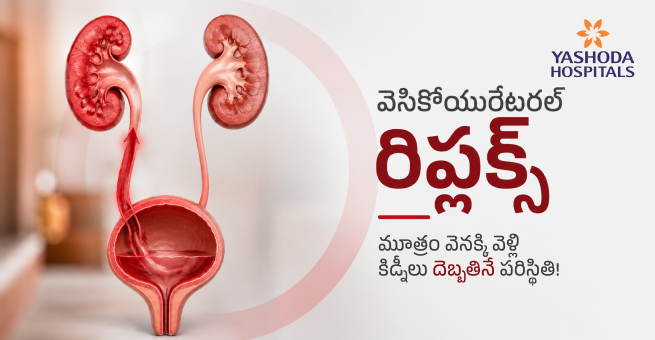
మూత్రం వెనక్కి ప్రవహించే వెసికోయురేటరల్ రిఫ్లక్స్ (VUR) సమస్య అంటే ఏమిటి? దాని ప్రధాన కారణాలు, లక్షణాలు మరియు నివారణ మార్గాల గురించి ఈ బ్లాగ్లో పూర్తిగా…

నెలసరి సమయంలో భరించలేని నొప్పితో బాధపడుతున్నారా? ఇది ఎండోమెట్రియోసిస్ కావచ్చు. దీని లక్షణాలను ఎలా గుర్తించాలి, ఎలాంటి జాగ్రత్తలు తీసుకోవాలో ఇక్కడ వివరంగా చదవండి.

లీకీ గట్ సిండ్రోమ్ లక్షణాలు, ప్రధాన కారణాలు మరియు సహజంగా మీ పేగుల ఆరోగ్యాన్ని ఎలా మెరుగుపరుచుకోవాలో ఈ బ్లాగ్లో పూర్తిగా తెలుసుకోండి.

పంటినొప్పి గురించి పూర్తి సమాచారం – కారణాలు, లక్షణాలు, నిర్ధారణ పద్ధతులు, చికిత్స విధానాలు మరియు జాగ్రత్తలు. దంత ఆరోగ్యాన్ని కాపాడుకోవడానికి ఉపయోగకరమైన మార్గదర్శకాలు.
పాంక్రియాటిక్ క్యాన్సర్ అంటే ఏమిటి? శరీరంలో కనిపించే దీని ప్రాథమిక హెచ్చరిక సంకేతాలు, ముఖ్య కారణాలు మరియు ముందస్తు గుర్తింపు గురించి పూర్తి వివరాలు ఇక్కడ తెలుసుకోండి.

ఫ్యాటీ లివర్ (Fatty Liver) అంటే ఏమిటి? కాలేయంలో కొవ్వు పేరుకుపోవడానికి గల ముఖ్య కారణాలు, కనిపించే లక్షణాలు మరియు దీనిని తగ్గించే ఉత్తమ జీవనశైలి మార్పులను…

పొడి దగ్గు కేవలం వాతావరణ మార్పుల వల్లే వస్తుందా? లేక మరేదైనా ఆరోగ్య సమస్యకు సంకేతమా? పొడి దగ్గు (Dry Cough) వెనుక ఉన్న అసలు కారణాలు…
ప్రీడయాబెటిస్ లక్షణాలు, కారణాలు మరియు అది టైప్ 2 డయాబెటిస్గా మారకుండా తీసుకోవాల్సిన జాగ్రత్తల గురించి ఈ బ్లాగులో పూర్తి వివరంగా తెలుసుకోండి.

మామోగ్రఫీ అంటే ఏమిటి? బ్రెస్ట్ క్యాన్సర్ను ముందుగానే గుర్తించడంలో ఇది ఎలా సహాయపడుతుంది? మామోగ్రఫీ పరీక్ష ప్రక్రియ మరియు దాని ప్రాముఖ్యత గురించి పూర్తి వివరాలను ఈ…

Learn what a Pap Smear test involves, why it’s essential for women’s health, and how often you should get tested.…
Patient Testimonials For Hematology & BMT
Chronic lymphocytic leukemia (CLL) is a cancer affecting the blood and bone marrow, characterized by the gradual accumulation of abnormal…
Blood cancer in children, also known as pediatric hematologic malignancies, primarily involves cancers of blood-forming tissues, such as the bone…
Multiple myeloma is a cancer involving abnormal plasma cells, which are crucial for the immune system. These cells multiply uncontrollably…

Myelodysplastic syndrome (MDS) is a blood disorder characterized by the ineffective production of blood cells in the bone marrow, leading…
Multiple myeloma is a cancer of plasma cells responsible for producing antibodies. It is caused by age, monoclonal gammopathy of…
Doctor Talk
Health Talk
FAQ’s
What is the Bone Marrow & Stem Cell Transplant Center at Yashoda Cancer Institute?
Yashoda Cancer Institute’s Bone Marrow & Stem Cell Transplant Center treats significant blood, immunological, and genetic illnesses by utilizing cutting-edge technology, including unique air-filtered rooms and dedicated labs. The institution rebuilds a patient’s immune system by replacing damaged marrow with good stem cells, and we were the first to perform a “half-match” (haploidentical) transplant. Throughout the procedure, patients are provided with 24-hour professional care by a team of highly qualified transplant specialist and expert hematologists.
What types of procedures are performed at this Bone Marrow & Stem Cell Transplant Center at Yashoda Cancer Institute?
Yashoda Hospitals offers sophisticated stem cell transplants for both adults and children, including autologous, allogeneic, and “half-match” haploidentical treatments. They provide patients who do not have ideal genetic matches with life-saving choices by using umbilical cord blood and skilled donor matching. The hospital harvests and stores cells using advanced apheresis and cryopreservation techniques, ensuring their viability over time. Every treatment requires tailored conditioning, such as chemotherapy or irradiation, to guarantee that the new stem cells develop properly and restore health.
What makes Yashoda Hospitals a leading hematology hospital in Hyderabad?
Yashoda Hospitals is an expert in advanced hematology, having conducted the region’s first haploidentical bone marrow transplant and providing specialist care for a wide range of malignant and non-malignant blood illnesses. Their cutting-edge transplant clinic combines advanced cell processing technologies with a wide range of professionals to provide excellent success rates and novel donor possibilities for complicated situations.
Does the Bone Marrow & Stem Cell Transplant Center at Yashoda Hospitals handle rare and complex transplant cases?
Yashoda Hospitals’ transplant facility treats unusual and challenging patients with innovative approaches, including India’s first adult ex vivo T-cell-depleted haploidentical transplant, which is backed by an advanced cell processing laboratory. Their highly qualified staff provides comprehensive treatment, including psychological and nutritional support, to treat difficult illnesses such as refractory leukemia, aplastic anemia, and severe hereditary blood abnormalities.
What facilities are available at the Bone Marrow & Stem Cell Transplant Center?
Specialised Bone Marrow and Stem Cell Transplant Centres offer highly controlled conditions, including HEPA-filtered BMT units and modern cell processing facilities for treatments such as CAR-T. These hospitals use advanced stem cell harvesting and radiation oncology technology to treat a variety of blood malignancies, genetic abnormalities, and autoimmune illnesses. Patients get a wide range of services, from chemotherapy and blood transfusions to extensive psychological and dietary assistance. Depending on the condition, sophisticated treatments such as autologous, allogeneic, and haploidentical transplants are used to restore healthy blood production.
How many bone marrow transplants have been performed at Yashoda Hospitals?
Yashoda Hospitals’ Bone Marrow & Stem Cell Transplant Centre has completed 100 transplants, treating a wide range of blood malignancies and genetic diseases in patients ranging in age from babies to the elderly. The centre is a regional pioneer in sophisticated operations, completing the first haploidentical transplants in Telangana and Andhra Pradesh, as well as conventional autologous and allogeneic therapies.
How is a bone marrow donor matched with a recipient?
Bone marrow donors are matched with a recipient through HLA typing that identifies hereditary immunological markers by blood or cheek swabs, which are then compared with immediate relatives to establish a probable match. If no relative is available, registries may look for unrelated donors, prioritizing those from similar backgrounds since common ancestry enhances the probability of a good marker match. After confirming a compatible donor, testing ensures that the stem cells will effectively engraft and begin generating healthy blood for the recipient.
How long does it take to recover from a bone marrow transplant?
For initial 100 days, during which patients are hospitalised or closely monitored for intense cell engraftment, infection concerns, and possible Graft-versus-Host Disease, while treating side effects, such as tiredness and nausea, with strict cleanliness and regular medical checks. Patients in their mid-term recovery (6 months – 1 year), gradually return to regular activities as their energy levels and cell counts increase, while maintaining strict cleanliness and avoiding crowds to manage ongoing tiredness and infection concerns. In long-term recoveries (1-2 Yrs), full immunological recovery can take longer than two years, necessitating supervised vaccines and ongoing monitoring for persistent GVHD.
What are the success rates for bone marrow transplants?
Success rates for bone marrow transplants range from 50% to 90%, depending on the condition, the patient’s age, and whether the donor is related or unrelated. While non-cancerous illnesses with related donors have the best success rates (70–90%), patients with leukemia in relapse often have rates between 55% and 70% due to advances in transplant procedures.

 Appointment
 Second Opinion
 Live Chat
 Call
Call More
More


