


Yashoda Mother And Child Institute

Meet Our Expert Mother And Child Team

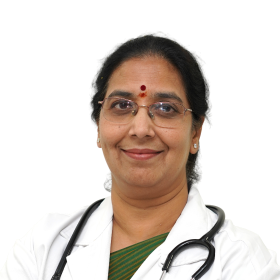
Dr. Krishnaveni Nayini
MBBS, DGO, DFFP, MRCOG (UK), FRCOG, CCT (UK),Laparoscopic & Robotic Surgeon Fellowship in Reprodoctive Medicine(UK)Sr. Consultant Obstetrician & Gynaecologist
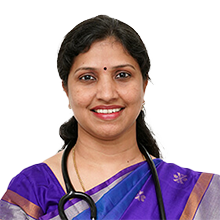
Dr. Radhika Reddy Y.
MBBS, DNB, MNAMS, MRCOG (UK), FICOGSr. Consultant Obstetrician & Gynaecologist Laparoscopic & Robotic Surgeon
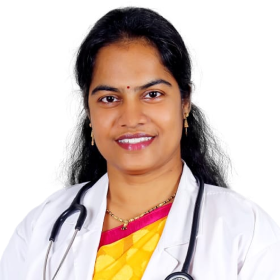
Dr. Anitha Kunnaiah
MBBS, DGO, DNB, DRM (Germany)Senior Consultant – Obstetrics, Gynecology & Infertility Laparoscopic & Robotic Surgeon
Dr. Damalapati Sonia Rani
MBBS, DGO, DNB (OBS & GYN)Sr Consultant Obstetrician and Gynecologist

Dr. Haripriya Vedantham
MD (Obs & Gyn)Consultant Obstetrician & Gynaecologist
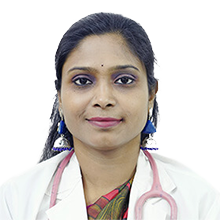
Dr. M. V. Jyothsna
MBBS, MS (Obstetrics & Gynaecology)Consultant Obstetrician & Gynaecologist

Dr. Lepakshi Dasari
MBBS, DNB (Obstetrics and Gynaecology), DGOConsultant Gynaecologist & Laparoscopic Surgeon
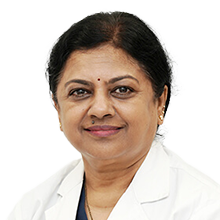
Dr. Bagyalakshmi A.D.S
MD (OBG)HOD, Obstetrician – Gynaecologist, Laparoscopic & Robotic Surgeon
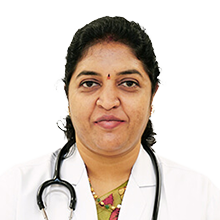
Dr. Madhavi Reddy Vennapusa
DGO, DNB, MRCOG (UK), FMASSr. Consultant Obstetrician and Gynaecologist

Dr. Anusha Rao P
MBBS, MS, FMAS, MRCOG (UK)Sr. Consultant Obstetrician, Gynecologist, Laparoscopic & Robotic Surgeon
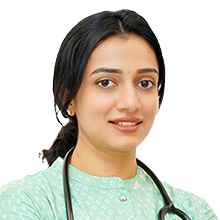
Dr. Karthika Reddy Byreddy
MBBS, MS, FMAS(OBG)Sr. Consultant Obstetrician, Gynaecologist, Laparoscopic & Robotic Surgeon
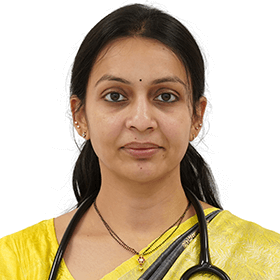
Dr.G.Nikila Reddy
MBBS, MS, OBG Fellowship in Infertility & Laparoscopic SurgeryConsultant Obstetrician & Gynaecologist
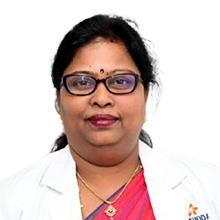
Dr. S. Shantha Kumari
MD, DNB, FICOG, FRCP (Ireland), FRCOG (UK)Consultant Obstetrician, Gynaecologist & Laparoscopic Surgeon
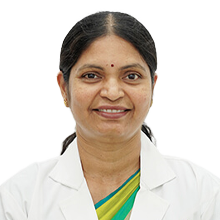
Dr. Sarada M
DGO, DNB (Obs & Gyn), FRCOG (UK)Sr. Consultant Obstetrician & Gynecologist, Laparoscopic & Robotic Surgeon
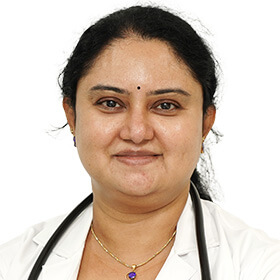
Dr. Sarada Vani N
MBBS, DNB (Gandhi), Fellow in Fetal Medicine, Fellow in Cosmetic Gynaecology, Fellow in Medical GeneticsSenior Consultant Obstetrics & Gynaecology, High-Risk Pregnancy Specialist, Robotic Laparoscopic Surgeon

Dr. Navaneetha Elati
MBBS, DNB Obstetrics & GynaecologyConsultant Obstetrics & Gynaecology Laparoscopic Surgeon

Dr. Nida Farooqui
MBBS, MS OBG (Osm), Fellow in Fetal Medicine (FMF UK & ICOG Certified)Consultant Fetal Medicine
Why Yashoda Mother and Child Institute?

Holistic Approach to Healthy Pregnancy
Special care at every step of your journey to motherhood

Expert and Collaborative Care
A team comprising experienced obstetricians, anesthesiologists, neonatologists and support staff, available on-site 24 hours a day, 365 days a year

State-of-the-art Facilities
Advanced Labour Rooms, Operating Theaters, Maternal ICU, Neonatal ICU and Pediatric ICU

Dedicated and Compassionate Staff
that honor your personal preferences and are committed to ensuring your comfort

Outstanding Patient Experience
A warm and comfortable birthing center to make it a truly memorable experience

Family Friendly Suites
Labour, delivery, recovery and postpartum all take place in thoughtfully designed suites

Education, Resources, Demonstrations, and Support
A full complement of educational classes and training sessions on healthy pregnancy and parenting

Trusted Center for High-risk Pregnancy
In-house Fetal Medicine Clinic, High-risk Newborn Center and multidisciplinary specialists available on-site, round-the-clock, every day of the week.

Children-Friendly Pediatric Care
An amicable ambience and staff to ensure children are relaxed and cheerful.
Common Medical Conditions During Pregnancy
Thyroid Disorders
During pregnancy, thyroid imbalances like hypothyroidism or hyperthyroidism can affect both mother and baby. Our experts provide careful monitoring and management to ensure a healthy pregnancy.
Gestational Diabetes
High blood sugar levels during pregnancy can lead to gestational diabetes. Yashoda Hospitals offers comprehensive care, including nutrition and insulin management, to control blood sugar and ensure safe delivery.
High Blood Pressure (Hypertension)
Pregnancy-induced hypertension (PIH) or preeclampsia can cause complications. Our specialized care team monitors blood pressure closely to manage risks and ensure maternal and fetal well-being.
Leg Bulges (Varicose Veins)
Swollen, bulging veins in the legs, known as varicose veins, are common during pregnancy. We offer treatment options and guidance to manage discomfort and reduce complications.
Types of Delivery at Yashoda Hospitals
Normal Delivery
At Yashoda Hospitals, we encourage and support natural childbirth, focusing on minimal interventions while ensuring the safety and comfort of both mother and baby.
VBAC (Vaginal Birth After Cesarean)
Yashoda Hospitals specializes in supporting vaginal birth after a previous C-section, with expert care and monitoring to make it a safe option for eligible mothers.
Painless Labour
Our expert obstetricians offer painless labor options using epidural anesthesia to help mothers experience a more comfortable and stress-free childbirth.
High-Risk Pregnancy
Our multidisciplinary team is equipped to handle high-risk pregnancies with advanced technology and comprehensive care, ensuring the best possible outcomes for mother and baby even in complex cases.
Expert Mother & Child Care For Specialized Diseases & Conditions
The maternity hospitals in Hyderabad and the mother and child hospital of Yashoda specialize in antenatal and pregnancy care, labor, delivery and immediate postpartum care, as well as postnatal maternal and newborn care for our mothers-to-be and their newborns’ health issues, as we offer well-formulated clinics and awareness programs for counselling and disease prognosis.
Common medical conditions during pregnancy, including Thyroid Disorders like hypothyroidism or hyperthyroidism, affect both the mother and baby; Gestational Diabetes due to high sugar levels. It also includes conditions like hypertension and leg bulges (Varicose Veins). Our experts provide comprehensive care, monitoring vital signs, nutrition and insulin management, and lower the risk of complications to ensure a healthy pregnancy and a safe delivery.
Mother and child disorders can affect their internal and external organs, affecting the pregnancy. They may cause delivery issues, such as premature delivery and developmental problems of the brain and other organs. Common symptoms include emotional and behavioural changes, difficulties with bonding, and social and developmental conditions. Consult our pediatritian and gynaecologists for any signs and symptoms concerning the maternal and newborn conditions.
Here Are Some Common Mother & Child Diseases and Conditions:
- Gestational Diabetes
- Preeclampsia and Eclampsia
- Preterm Labor
- Chronic Hypertension
- Peripartum Cardiomyopathy (PPCM)
- Type 2 Diabetes
- Postpartum Thyroiditis
- Overt Hypothyroidism
- Anemia in Pregnancy
- Miscarriage
- Postpartum Hemorrhage
- Postpartum Depression
- Premature Birth
- Neonatal Jaundice
- Necrotizing Enterocolitis (NEC)
- Neonatal Abstinence Syndrome (NAS)
- Ear Infections
- Chickenpox
- Nasal Allergies
- Lung Allergies
- Attention Deficit/Hyperactivity Disorder (ADHD)
- Developmental Delays
- Asthma
- Muscular Dystrophy
- Placenta Previa & Placental Abruption
- Neonatal Sepsis
- Juvenile Diabetes
- Down Syndrome
- Autism Spectrum Disorder (ASD)
- Cerebral Palsy
Symptoms of Gestational Diabetes
- Tiredness
- Dry mouth
- Increased thirst
- Frequent urination
- Blurry eyesight
- Genital itching
Causes of Gestational Diabetes
- Lack of insulin production to reach an adequate amount during pregnancy
- High sugar levels
- Hormones from the placenta interfere with insulin production
- Unexplained hindrance in the blood sugar level regulation
Read more about – Gestational Diabetes
Symptoms of Preeclampsia
- High blood pressure
- Proteinuria
- Swelling (edema)
- Severe headaches
- Vision changes
- Abdominal pain
- Nausea and vomiting
- Decreased urination
- Shortness of breath
Symptoms of Eclampsia
- Seizures
- Loss of consciousness
- Severe headache
- Confusion and agitation
Causes for Preeclampsia and Eclampsia:
- Unknown exact cause
- Insufficient blood flow to the placenta
- Genetic predisposition
- Multiple pregnancies
- Age or obesity
- Pre-existing conditions
- First pregnancy
- In vitro fertilization
Symptoms of Preterm Labor
- Regular contractions
- Changes in the vaginal discharge
- Pelvic or lower abdominal pressure
- Lower back pain
- Mild-abdominal cramps
- Ruptured amniotic sacs
Causes for Preterm Labor
- UTIs, STDs, or Vaginal infections
- Multiple pregnancies
- Preeclampsia
- Gestational diabetes
- Previous preterm labor
Symptoms of Chronic Hypertension
- Headaches and Dizziness
- Nosebleeds
- Vision changes
- Chest pain
- Shortness of breath
- Heart palpitations
- Fatigue and Confusion
- Buzzing in the ears
- Nausea or vomiting
Causes of Chronic Hypertension
- Lack of physical activity
- Recreational drug use
- Use of certain medication
- Sleep apnea
- Endocrine disorders
- Other lifestyle factors
Symptoms of PPCM
- Lightheadedness
- Fainting
- Chest pain
- Rapid or irregular heartbeat
- Fatigue
- Swelling
- Dyspnea
- Dry cough
- Swollen neck vein
- Hypotension
Causes for PPCM
- Hormonal changes during pregnancy
- Preeclampsia
- Hereditary
- Inflammation
- Advanced maternal age
- High blood pressure
- Multiple pregnancies
- Obesity
- Nutritional deficiencies
Symptoms of Type 2 Diabetes
- Increased (Polydipsia)
- Frequent urination (Polyuria)
- Unexplained weight loss
- Fatigue and tiredness
- Slow-healing of cuts
- Blurred vision
- Increased hunger (polyphagia)
- Numbness or tingling sensations (peripheral neuropathy)
Causes for Type 2 Diabetes
- Obesity
- Insulin resistance
- Family history of diabetes
- Gestational diabetes in the mother
- Low birth weight
- Poor balance diet
Symptoms of Postpartum Thyroiditis
- Hyperthyroidism:
- Nervousness
- Sweating
- Weight loss
- Tremors
- Heart palpitations or rapid heartbeats
- Heat intolerance
- Anxiety or irritability
- Hypothyroidism:
- Weight gain
- Cold intolerance
- Depression
- Muscles aches
- Constipation
- Difficulty concentrating
Causes for Postpartum Thyroiditis
- Underlying autoimmune conditions
- Positive anti-thyroid antibodies (TPO antibodies)
- Muscle weakness
- Muscle cramps
- Cold and heat intolerance
- Tachycardia
- Constipation
- Anxiety or depression
- Dry skin
Symptoms of Overt Hypothyroidism
- Menstrual irregularities
- Cognitive changes
- Dry skin and hair
- Slowed heart rate
- Constipation
- Cold intolerance
- Inflammation
Causes for Overt Hypothyroidism
- Hashimoto’s thyroiditis (autoimmune)
- Iodine deficiency
- Surgical removal of the thyroid
- Congenital hypothyroidism
- Pituitary gland dysfunction
- Inflammation of the thyroid gland
Symptoms of Anemia in Pregnancy
- Difficulty in concentration
- Headache
- Dizziness and lightheadedness
- Fatigue and weakness
- Rapid heartbeat
- Shortness of breath
- Pale skin
- Cold hands and feet
Causes for Anemia in Pregnancy
- Iron deficiency
- Folate deficiency
- Vitamin B12 deficiency
- Conditions such as celiac disease or Crohn’s disease
- Multiple pregnancies
- Morning sickness
Symptoms of Miscarriage
- Vaginal spotting
- Abdominal cramps
- Back pain
- A decrease in the number of pregnancy symptoms
- Discharge of tissues or clots
Causes for Miscarriage
- Genetic abnormalities
- Hormonal imbalances
- Infections
- Chronic health conditions
- Uterine abnormalities
- Weakened cervix
- Severe physical trauma
Symptoms of Postpartum Hemorrhage
- Pale or clammy skin
- Discharge of large blood clots
- Heavy vaginal bleeding
- Sudden drop in blood pressure
- Tachycardia
- Dyspnea
Causes for Postpartum Hemorrhage
- Blood clotting disorder
- Previous history of PPH
- Cesarean birth
- Multiple pregnancies
- Use of assisted reproductive technology
- Placenta previa or accreta
Symptoms of Postpartum Depression
- Feeling down, tearful, and hopeless for extended periods
- Changes in appetite or sleep
- Loss of interest or pleasure in activities
- Irritability, restlessness, or agitation
- Feelings of worthlessness, guilt, or self-blame
- Difficulty concentrating, thinking, or making decisions
- Difficulty in making bonds with the baby
Causes of Postpartum Depression
- Hormonal fluctuations
- Sleep deprivation
- Genetic predisposition
- Feeling of inadequacy or stress
- History of depression or anxiety
- Lack of social support
- Financial strain
- Thyroid problems
Symptoms of Premature Birth
- Low birth weight
- Small size
- Thin and shiny skin
- Fine hair (lanugo)
- Breathing difficulties
- Low body temperature
- Feeding difficulties
- Weak cry
Causes for Premature Birth
- Placental problems
- Multiple pregnancies
- Low pre-pregnancy weight
- Inadequate prenatal care
- Preeclampsia
- Cervical or uterine abnormalities
- Genetic factors
Read more about – Premature Birth
Symptoms of Neonatal Jaundice
- Yellowing of the skin and eyes
- Yellowing of the face and later spread
- Progression of the yellowing in the chest, abdomen, and legs
- Lethargy
- Dark-colored urine
- High-pitched crying
Causes of Neonatal Jaundice
- Fetal red blood cells or a newborn’s liver immaturity
- Insufficient breast milk intake causes higher bilirubin levels
- Blood types are incompatible between the mother and child
- Liver and bile duct problems: Biliary atresia or choledochal cysts
- Genetic conditions like galactosemia affect bilirubin production
- Premature births
Read more about – Jaundice
Symptoms of Necrotizing Enterocolitis
- Respiratory symptoms: Dyspnea or difficulty with ventilator attachment.
- Gastrointestinal Symptoms: Diarrhea and vomiting, abdominal distension, and changes in the frequency and consistency of stool.
- General symptoms: Lethargy, apnea, irregular body temperature, slow heart rate, and discoloration of the abdomen.
Causes for Necrotizing Enterocolitis
- Immature intestines and lungs in premature babies
- Formula feeding that lacks protective carbohydrates
- Damage to the intestinal lining
- Reduced blood flow to the intestines
- Birth asphyxia
- Low birth weight
Symptoms of Neonatal Abstinence Syndrome
- CNS Symptoms: seizures, high-pitched crying, and sleep disturbances
- ANS Symptoms: nasal congestion, sneezing, and increased respiratory rate
- GI Symptoms: poor feeding, diarrhea, and vomiting
- Fever
- Mottled skin appearance
- Excessive sucking
Causes for Neonatal Abstinence Syndrome
- Opioid exposure
- Alcohol exposure
- Nicotine exposure
- Timing of exposure
- Placental transfer
Symptoms of Ear Infections
- Trouble hearing
- Earache and headache
- Loss of hearing
- Itching in the ear and the surrounding areas
- Loss of appetite
- Trouble sleeping
- Tinnitus
- Sharp or burning ear pain
- Fluid drainage from the ear
In children: poking of the ear, fuzzy behavior, mouth breathing, and may develop snores, refuse to be fed and cry more often.
Causes of Ear Infections
- Certain bacteria or viruses
- Aftereffects of feeling cold
- After an upper respiratory infection
Read more about – Ear Infections
Symptoms of Chickenpox
- Red itchy bumps initially
- Fluid-filled blisters later
- A mild to moderate fever
- Tiredness
- Loss of appetite
- General malaise
Causes for Chickenpox
- Varicella-zoster virus
- Air transmission or direct contact with virus-contaminated fluid
- A typical contagious period of 1-2 days
Read more about – Chickenpox
Symptoms of Nasal Allergies
- Watery eyes
- Runny nose
- Sneezing
- Difficulty smelling
- Itchy mouth, nose, eyes, throat, etc.
Causes for Nasal Allergies
- Allergen (pollen, dust, flakes of animal skin, mould, or spores)
- Highly sensitive immune system
- Vitamin D deficiency
- Hormonal changes
- Smoking
Symptoms of Lung Allergies
- Dyspnea
- Chest tightness
- Increased mucus production
- Nasal congestion
- Runny nose
- Itchy eyes and throat
Causes for Lung Allergies
- Airborne allergens (dust mites, pollen, animal skin, and spores)
- Allergic asthma
- Hypersensitive immune system
- Irritants like smoke or strong odor
- Extreme weather conditions
Read more about – Lung Allergies
Symptoms of ADHD
- Difficulty focusing
- Struggles to follow instructions
- Easily distracted
- Forgetfulness
- Difficulty sitting still
- Restlessness
- Fidgeting
- Acting out of impulse
Causes for ADHD
- Past family history
- Maternal smoking or alcohol use during pregnancy
- Trauma during birth
Symptoms of Developmental Delays
- Difficulty with walking steadily
- Walking on toes or being clumsy
- Struggling with drawing or scribbling
- Unresponsive to their names
- Unable to understand simple instructions, and to recollect past events
- Lack of imitations, facial expressions, and directions
- Difficulty forming sentences, socialising with people, and understanding the cause and effect of problem-solving
Causes for Developmental Delays
- Genetics disorders
- Birth injury
- Physical abuse
- Lack of oxygen during delivery
- Preterm birth
- Malnutrition
- Born prematurely
Symptoms of Asthma
- Wheezing
- Coughing
- Inability to speak
- Bluish lips or fingernails
- Extreme shortness of breath
- Chest tightness
Causes for Asthma
- Family history of hay fever or eczema
- Viral respiratory infections like influenza
- Air pollution, strong odors, or chemical fumes
- Allergens (pollen, dust mites, or pet dander)
- Induced via exercise and obesity
Read more about – Asthma
Symptoms of Muscular Dystrophy
- Muscle weakness and wasting
- Mobility and balancing issues
- Muscle stiffness and contractures
- Breathing problems
- Heart problems like cardiomyopathy
- Curved spine due to muscle weakness
- Lack of energy and extreme tiredness
Causes for Muscular Dystrophy
- Variety gene changes
- Muscle damage and weakening over time
- Inherited or new mutations
- Genetic mutations prevent the protein called dystrophin from being used for muscle maintenance.
Read more about – Muscle Dystrophy
Symptoms of Placenta Previa & Abruption
- In Placental Previa:
- Painless, bright red vaginal bleeding, likely without contracture
- Irregular bleeding and sometimes more severe
- Spotting or light bleeding, either during intercourse or during a medical examination
- In Placental Abruption:
- Sudden severe abdominal pain
- Uterine tenderness, rigidity, and intense contraction
- Decreased fetal movements
- Vaginal bleeding can be light or absent
Risk Factors for Placenta Previa & Abruption
- Previous uterine surgeries, like C-section
- Previous abruption
- Hypertension
- Advanced maternal age
- Multiple pregnancies
- Trauma to the abdomen
- History of placenta previa
- Smoking and recreational drug abuse
Read more about – Treatment for Placenta Previa
Symptoms of Neonatal Sepsis
- Feeding issues
- Breathing difficulties
- Behavioural changes
- Skin changes
- Changes in the temperature
- Wollen belly
- Jaundice
- Low blood pressure
Causes for Neonatal Sepsis
- Premature rupture of the membrane
- Maternal infections like chorioamnionitis (inflammation of the uterus and its surrounding membrane)
- Bacterial infections
- Prematurity and low birth weight
Symptoms of Juvenile Diabetes
- Unexpected weight loss
- Blurred vision
- Slow-healing sores or frequent infections
- Fatigue or weakness
- Irritability or mood changes
- Extreme hunger
- Frequent urination
- Increased thirst and dry mouth
Causes of Juvenile Diabetes
- Type 1 Diabetes:
- Autoimmune response
- Genetic predisposition
- Potential environmental triggers, such as viruses
- Type 2 diabetes:
- Family history
- Race and ethnicity
- Obesity
- Prediabetes
Read more about – Juvenile Diabetes
Symptoms of Down Syndrome
- Flat nasal bridge
- Upper slanting eyes
- Flat facial profile
- Small hands and feet with a small gap between the 1st and 2nd toes
- Short and thick neck
- Small ears positioned low
- Short stature and stunted growth
- Intellectual impairment
- Delayed development
- Short attention span
- Impulsive behaviour
- Slow and difficult speech and language development
Causes of Down Syndrome
- Trisomy 21 – a rare genetic mutation with abnormal cell division that makes three copies of chromosome 21 instead of the normal 2.
Read more about – Down Syndrome
Symptoms of Autism Spectrum Disorder
- Non-verbal communication
- Social interaction
- Developing relationships
- Emotional relationship
- Repetitive speech and movements
- Strict routines
- Sensitivities to light, sound, or temperature
- Delays in cognitive functions, movement and language
- Hyperactivity
- Inattentive behaviour
Causes for Autism Spectrum Disorder
- Genetic syndromes: Rett syndrome, tuberous sclerosis, fragile X syndrome
- Inherited or spontaneous mutation in the developing embryo
- Advanced parental age
- Maternal health issues during pregnancy, such as obesity or diabetes.
- Maternal infection, like rubella
- Exposure to certain medications and toxins
- Low birth weight and prematurity
- Birthing complications, like oxygen deprivation
Read more about – Decoding Autism: Recognizing Signs & Symptoms
Symptoms of Cerebral Palsy
- Muscle problems: Abnormal reflexes, muscle stiffness, or floppiness
- Mobility and balancing issues: Involuntary movements or tremors, difficulty with balance and coordination, difficulty swallowing, excessive drooling, or difficulty speaking clearly
- Impaired vision or hearing
- Seizures
- Intellectual impairments
Causes for Cerebral Palsy
- Problems during pregnancy or birth
- Brain damage after birth
- Multiple births
- Genetic factors
- Risk factors:
- Blood clotting factors
- Multiple deliveries
- Issues with the placenta
Best Hospital for Comprehensive Mother and Child-Related Surgeries
Yashoda Hospitals performs routine medical screenings and surgical procedures concerning prenatal and postnatal care for mothers, neonatal care, nutritional monitoring, child support, and fostering security. They also provide treatments for various pediatric illnesses up to childhood. Our team of highly skilled obstetricians and neonatologists assesses each condition, offering a wide range of treatments and advising the best approach based on the patient’s symptoms and age.
The Types of Treatments and Surgeries Offered at Yashoda Hospitals:
- Antenatal (Prenatal) Care
- Delivery Exercises (Postnatal Exercises)
- Physiotherapy
- Lactation/Breastfeeding Support
- Management of High-Risk Pregnancies
- Gestational Carriers
- Epidural Delivery
- Continuous Labor Support (Doula)
- Hydrotherapy
- Hormonal Contraceptive Methods
- Barrier Contraceptive Methods
- Copper or Hormonal IUD Insertion & Removal
- Cesarean Section (C-section)
- Dilation & Curettage (D&C)
- Cervical Cerclage
- Integrated Management of Childhood Illness (IMCI)
- Gastroschisis Repair Surgery
- Congenital Diaphragmatic Hernia Repair Surgery
- Pyloromyotomy
- Shunt Surgery
Preview: The primary objectives of prenatal care management are to ensure a healthy pregnancy by prioritising the health of both the mother and the fetus. Its purpose is to monitor the health of the mother and fetus; to detect and treat complications early; to provide preventive care for gestational diabetes, anemia, or other infections; to educate and guide mothers on nutrition and lifestyle; to provide emotional and psychological support; and lastly, to prepare for birth.
Surgical Steps: Antenatal is more of a management step rather than a surgical process. It involves:
Initial visits to the mother’s 1st trimester
- Collect a comprehensive medical history.
- Conducting physical and gynecological examinations.
- Performing blood tests, urine tests, and ultrasound scans.
- Assessment of high-risk factors.
- Screening tests for fetal issues, including high blood pressure and chromosomal defects.
Ongoing visits throughout pregnancy
- More frequent check-ups (monthly or bi-weekly).
- Conduct monitoring and counselling on fetal movement.
- Provide ongoing counselling on diet, vaccinations, exercise, and safety.
- Plan post-partum care for the mother and the baby.
- Administer immunisations, such as the tetanus toxoid vaccine.
Benefits
- Reduced complications
- Earlier intervention
- Prevention of birth defects
- Healthier outcomes
- Informed decisions
Read more about — Prenatal Care Institute
Preview: At Yashoda Hospitals, our specialized prenatal exercises help expecting mothers prepare their bodies for childbirth, enhancing strength, flexibility, and endurance to support a smoother labour experience.
Surgical Steps:
- Kegal Exercises: The instructor may instruct you to squeeze and hold the pelvic floor muscles for 10-15 seconds.
- Squats: Stand with your feet hip-width apart, bend lower, and pose as if sitting in a chair to strengthen your legs and core muscles, while opening up your pelvis.
- Pelvic tilts: bend the knees while lying on your back and gently swing your pelvis backwards and forward to strengthen the core and lower back.
- Cat-cow stretch: stand on your knee with your hand touching the ground, make an arch of your back and look up. Inhale while in that position and continue to keep arching your back, and slowly bring it back to normal while exhaling to ensure the back and abdominal tension are relieved.
Benefits
- Boost energy levels
- Improve cardiovascular fitness
- Strengthen and tone abdominal muscles
- Promotes weight loss
Preview: Our expert physiotherapy team provides individualized care to aid recovery from injuries, surgeries, and chronic conditions, promoting overall well-being and improving mobility.
Surgical Steps:
- During a preoperative assessment, a physiotherapist evaluates your physical condition, provides an overview of the procedure, and instructs you on exercises to prepare your body and prevent potential complications.
- Postoperative physiotherapy involves monitoring for complications and guiding procedures for stabilization, respiration, and airway clearance to improve circulation and lung function. It may include manual therapy, positioning, and assistive devices.
- After discharge, a personalized program helps restore muscle strength, endurance, and range of motion, with guidance on posture and body mechanics to prevent future injuries.
Benefits
- Quick recovery from the injury
- Improved mobility and physical function
- Enhanced strength and balance
- Potential to avoid surgery
- Improves cardiovascular and pulmonary health
- Better alternative to manage chronic conditions
Preview: Our lactation consultants provide personalized guidance on breastfeeding techniques, ensuring a smooth and healthy nursing journey for new mothers and their babies.
Surgical Steps:
- To promote effective pain-free feeding, ensure your baby’s mouth is wide open around the nipple and areola to achieve a good latch, and feed on demand whenever they show hunger cues, such as sucking of the hand or rooting.
- To encourage effective milk production and feeding, find a comfortable position that keeps the baby close without twisting their neck and stay hydrated while maintaining a healthy diet.
- Practice skin-to-skin contact known as kangaroo care, to stimulate hormones and enhance bonding and know when to pump to manage milk supply or store it for later use.
Benefits
- For the Baby:
- Provide optimal nutrition for the baby’s development
- Boost the baby’s immunity and protect against infections
- Promotes healthy weight gain
- Potentially influences brain development
- Easy to digest for the baby’s digestive system
- For the Mother:
- Foster a stronger emotional bond
- Convenient
- Reduces the risks of type 2 diabetes, pre-menopausal breast cancer, and ovarian cancer.
- Quick uterine recovery
- Weight management
Preview: The primary aim of managing high-risk pregnancies is to prevent maternal and fetal harm by closely monitoring and intervening in potentially risky complications; to ensure a healthy delivery and postpartum period, and provide specialized, evidence-based care planned for the patient’s specific needs
Management Strategies Include:
- Close Monitoring
- Closely conducting the pregnancy process
- Screening tests for conditions like gestational diabetes, preeclampsia, or anemia.
- Detailed ultrasound to monitor fetal growth and development
- Non-stress tests (NST) and biophysical profiles (BPPs) for the fetus’s heart rate and movements
- Diagnostic Tests
- Chorionic villus sampling (CVS) – to screen for genetic disorders
- Cell Free DNA (cfDNA) Testing – to screen for fetal chromosomal problems
- Interventions
- Medically manage conditions and complications like anemia and preeclampsia, respectively.
- Bed rest to reduce uterine stress in conditions like placenta previa
- Hospitalized for constant supervision in severe cases
- Cervical cerclage is used to help prevent premature birth and sometimes cervical incompetence.
- Cesarean section (C-section)
- Pre-conception and lifestyle guidance
- Manage pre-existing conditions before getting pregnant
- Encourage a healthy lifestyle with a nutritious diet, an appropriate weight, and the avoidance of harmful substances.
Benefits
- Early identification and appropriate intervention
- Reduced risk of complications
- Improved fetal well-being
- Personalized treatment plans
Read more about — High-risk Management
Preview: Gestational carriers are the women who are an intermediary in pregnancy and aim to help couples who cannot carry a pregnancy themselves or are unable to biologically conceive one, including medical reasons (hyperthyroidism or uterine malformations) that could make pregnancy unsafe, infertility issues, and same sex couples.
Surgical Steps:
- Selection of the healthy gestational carriers by the intended parents and making them undergo medical and psychological screening.
- The surgeon will retrieve the eggs after conducting ovarian stimulation from the intended mother or an egg donor and fertilise them with sperm from the intended father or a sperm donor.
- One or more resulting embryos are then selected and transferred to the gestational carrier’s uterus through the cervix.
- The carriers are prescribed hormonal supplements, which are best suited for their early pregnancy and carry he full term pregnancy with regular ultrasounds and blood tests to ensure a healthy gestation.
- Legal contracts are bound between the carriers and intended parents to ensure a successful and stress-free journey.
Benefits
- Imparts a biological connection
- Achieving parenthood
- No genetic link for the carrier
Preview: An epidural delivery primarily aims to block the nerve signals from the lower body and significantly reduce or eliminate the pain of labor and childbirth, while the mother remains conscious and alert. Its purpose is to overcome uterine issues and other medical conditions, allowing increased comfort to the mother and preparation for a C-section.
Surgical Steps:
- The anesthesiologist discusses with the mother and confirms whether the procedure is appropriate, and injects a small amount of local anesthesia into the skin to numb the area where the catheter is inserted.
- A special needle is placed just outside the spinal cord to locate the epidural space, followed by a catheter placed through the needle into the epidural space.
- The needle is removed, the catheter is placed, and secured with a bandage on the mother’s back.
- The surgeon may administer certain pain-relieving medications that can be accessed by the mother via the push of a button.
Benefits
- Ultimate pain relief
- Reduced maternal stress
- Helps with the descent of the baby and prevents exhaustion
- Allows the mother to actively participate in the pushing stage of labour.
- Reduces the risk of other postpartum complications
Read more about — Epidural Delivery
Preview: A doula aims to provide consistent one-on-one support through emotional reassurance during labour and childbirth, offering massage, counter pressure, coping techniques, and pain management, while supporting the mother’s decision-making.
Surgical Steps:
- Be constantly present with the labouring person throughout the entire labour.
- Offer emotional support such as praise, ongoing reassurance, and comfort to reduce the risk of anxiety and fear.
- Use hands-on comforting measures such as massages, back rubs, or counter-pressures, and suggest warm baths.
- Assist the person to find a comfortable position and give effective position guidance during labour.
- Provide breathing exercises and relaxation techniques to help manage pain, and communicate the mother’s wishes and preferences to the medical team.
- Facilitate partner involvement by encouraging interaction and communication.
- Offer postpartum support with breastfeeding and help the mother adjust to the birthing experience.
Benefits
- Higher chances of spontaneous vaginal births
- Lower rates of cesarean delivery
- Higher overall satisfaction with increased confidence
- Better health literacy
- Positive infant outcome
- Positively influence and encourage the mother
Read more about — Continuous Labor Support
Preview: aims to reduce pain perception, need for analgesia and anxiety by utilizing heat and warm water buoyancy, and its purpose is to enhance mobility, facilitate labor, reduce medical intervention, and improve maternal satisfaction.
Surgical Steps:
- During the birthing process, the patients are asked to take a warm water bath during the first stage of labour.
- A non-surgical intervention, recommended for uncomplicated pregnancies.
Benefits
- Facilitates fetal descent and movements
- Increased maternal satisfaction with the birth process
- Reduced pain perception and need for epidural
- Higher chances of reducing perineal trauma
- Improved mobility and position changes
- Increased comfort and relaxation
Preview: Its primary aim is to stop the sperm from fertilizing the egg. Its purpose is to thicken the cervical mucus that creates the barrier and hinders the sperm from reaching the egg. Hormonal contraceptive can also alter the uterine lining, causing difficulties for a fertilized egg to implant. It also prevents ovulation by suppressing luteinizing hormone and follicle-stimulating hormone cause egg release from the ovaries.
Surgical Steps:
A few hormonal contraceptive methods are as follows:
- Hormonal IUD
- Injection
- Patch
- Rings
- Pills
- Implants
These hormonal contraceptive methods are utilized by specialists in several ways, including:
- Insertion into the uterus or the vagina
- Placed on or under the skin
- Received from the healthcare provider at the same time or every three months.
Benefits
- Highly effective at preventing pregnancy
- Results in well-regulated periods
- Reduced symptoms of premenstrual syndrome
- Helps in acne improvement
- Reduced cancer risk
- Flaxibility
- Provides long-term protection
Preview: Barrier Contraceptive Methods primarily aim to prevent pregnancy by physically blocking the sperm from reaching the egg and to protect against sexually transmitted infections, including HIV, by physically blocking the exchange of body fluids.
Surgical Steps:
- Placed into the vagina to block the sperm from entering.
- For a diaphragm (a shallow cap covering the cervix), contraceptive sponge, or cervical cap, use spermicide to immobilize the sperm.
- Wear condoms prior to entering the genital area, and a diaphragm and cervical cap before sex, and keep them in place for some time after intercourse.
- Remove the device after some time and clean it before reusing it.
Benefits
- Pregnancy prevention
- STI protection
- Non-hormonal
- User-controlled
- Easily available (over-the-counter)
Preview: The primary aim of copper or hormonal IUD insertion and removal is to prevent pregnancy for several years. Its purpose is to return fertility to its normal state and act as an emergency contraceptive in the first five days of having unprotected sex.
Surgical Steps:
- It is advised to have a light meal and have a pain reliever before seeing the doctor, as the surgeon will take a full medical history and may perform an STI, pregnancy test, and an internal vaginal exam to measure the depth and position of the uterus.
- A T-shaped IUD is inserted through the cervix into the uterus with strings cut to an appropriate length to check its position. You may want to avoid the temporary feeling of dizziness, cramping and spotting during or after the intervention.
- The surgeon may later pull out the IUD strings with specialized instruments, making the arms of the IUD go upwards and slide smoothly out of the vaginal canal and can typically resume daily activities.
Benefits
- Shows 99% effectiveness in preventing pregnancy
- Hormonal IUD lasts up to 5 years, whereas a copper IUD lasts up to 12 years.
- Reversible, as fertility will return within a month.
- No interruption with other birth control methods, as well as sex, once inserted.
- Non-hormonal option, prevents pregnancy using copper.
- Reduce or stop heavy or painful periods altogether.
Preview: A C-section aims to deliver the baby and protect the lives of both the baby and the mother when vaginal delivery is not possible. Its purpose is to address the complications during labor and to avoid potential harm to the mother, the baby, or both.
Surgical Steps:
- A cesarean section, or C-section, begins with a regional anesthetic to numb the lower body, followed by the incision through the abdomen and uterus to deliver the baby.
- After the baby and placenta are delivered and the umbilical cord is cut, the surgeon closes the uterine and abdominal incisions with dissolvable stitches, staples, or surgical glue.
- Finally, the mother is relocated to a recovery room, where the medical team monitors the mother and the baby’s vital signs and prevents any risk of complications.
Benefits of a C-section
- Fetal Well-being by preventing complications from a prolonged vaginal birth
- Ensure the safety and well-being of the mother.
- Provides a better alternative method for delivery when labor progression is not sufficient.
- Scheduled delivery with a known medical reason before delivery begins.
- Reduces the risk for other issues such as bowel problems, painful sex, or depression.
Read more about — Cesarean Section
Preview: Dilation and curettage (D&C) aims to investigate the cause of abnormal or postmenopausal bleeding, diagnose endometrial cancer, and investigate infertility to find the cause of pregnancy hindrance. It has multiple therapeutic purposes, such as managing pregnancy loss, treating uterine conditions, or clearing the retained tissue fragments.
Surgical Steps:
- A dilation and curettage (D&C) procedure, performed under anesthesia for comfort, involves gently dilating the cervix.
- A curette or a suction device is then used to remove tissue from the uterine lining, which is subsequently sent to a lab for analysis.
Benefits
- Quick recovery
- Cost effective
- Diagnosis of the uterine conditions
- Treatment for abnormal bleeding
- Management of pregnancy loss
- Detection of abnormal endometrial cells or any other signs of uterine cancer.
Read more about — Dilation & Curettage
Preview: Cervical cerclage aims to prevent the baby from being born too early, provide structural support to the cervix, and reduce the risk of late-second-trimester miscarriages and preterm births. Its purpose is to help the fetus remain safely inside the womb to prolong the pregnancy and improve the fetal outcome.
Surgical Steps:
- A cervical cerclage procedure, performed under local anesthesia, involves placing the patient’s legs in stirrups and exposing the cervix with a speculum.
- A strong non-absorbable suture is then stitched high around the cervix to provide mechanical support, and the placement is assessed before the speculum is removed.
Benefits
- Prevents premature birth
- Reduces neonatal health problems or death-related incidences seen in preterm infants.
- Offers mechanical support to the cervix.
Read more about — Cervical Cerclage
Preview: Primarily aims to minimize illness and disability, reduce child mortality, and promote healthy growth and development. Its purpose is to combine curative and preventive measures with health promotion activities, and finally, provide promotion, prevention and treatment of common childhood diseases. It also aims to improve health worker skills and community and family engagement.
Surgical Steps:
- A healthcare provider takes a history and performs a physical exam to assess a child’s condition, assigning a classification to each major symptom to determine the appropriate course of action.
- Based on the child’s classification, a healthcare provider determines the necessary treatment, which could range from an urgent referral to administering the first dose of medication, providing oral rehydration salts, or giving immunizations at the clinic.
- The provider counsels the caretaker on how to manage the child’s illness at home, including administering medication, maintaining hydration and feeding, and recognizing danger signs that necessitate an immediate return for a follow-up appointment.
Benefits
- Reduces child mortality and morbidity
- Better household and community practices
- Cost-effectiveness
- Support for growth and development
- Improved health system
Preview:
Aims to return the exposed abdominal organs to the body and close the abdominal wall defect, and use a temporary silo for staged reduction for intestinal protection. Its purpose is to protect the organs and reduce the abdominal pressure. The type of repair depends on the infant’s condition, with 2 strategies, namely primary and staged repair.
Surgical Steps:
- Primary closure is performed on the day of birth, under general anesthesia, if the baby is stable and the defect is small.
- During the procedure, the surgeon examines the organs, removes unhealthy intestinal portions, and returns them to the abdominal cavity before closing the abdominal wall defect.
- A staged repair, or delayed closure, is used when a baby is not stable enough for immediate surgery or has severe swelling or a large amount of exposed intestine.
- In this procedure, a protective plastic pouch called a silo is placed over the exposed organs and gently tightened over days or weeks to allow gravity to gradually return the organs to the abdomen before the abdominal wall opening is repaired.
Benefits
- Improved abdominal capacity
- Prevention of complications
- Organ protection
- Enable enteral feeding
- Reduced pain
Preview: An untreated hernia can cause persistent pain, discomfort, and life-threatening complications like strangulation or bowel obstruction, necessitating surgical repair. At Yashoda Hospitals, we specialize in advanced surgical techniques, including laparoscopic and robotic-assisted procedures, to treat various types of hernias with minimal scarring and faster recovery.
Surgical Steps:
- Under general anesthesia, a baby receives a breathing tube, and a surgeon makes an incision in either the abdomen or chest for the surgical procedure.
- The surgeon moves abdominal organs back into their correct position and repairs the hole in the diaphragm, either by stitching a small hole or by using a patch to repair a larger one.
- The incision is sealed with stitches or a dressing.
Benefits
- Proper organ placement
- Improved lung and heart development
- Reduced pulmonary hypertension
- Better respiratory function
- Prevention of complications
- Long-term health
Preview: Pyloromyotomy surgery primarily aims to alleviate the blockages in the stomach outlets caused due to a thickened pyloric muscle, allows digestion by creating gaps in the muscle, and provides treatment for hypertrophic pyloric stenosis.
Surgical Steps:
- Pyloric stenosis is typically diagnosed with an abdominal ultrasound that shows a thickened pyloric muscle, and preoperative preparation focuses on correcting electrolyte imbalances and providing intravenous fluids for dehydration.
- A surgeon makes a lengthwise incision through the thickened pyloric muscle fibres and then uses a device to spread the cut edges apart, creating a gap that extends to the stomach lining.
- This splitting of the muscle allows the stomach’s contents to pass into the small intestine.
Benefits
- Symptoms relief
- Prevents dehydration
- Excellent outcomes
- Quick recovery
- Versatile laparoscopic techniques
Preview: A VP (Ventriculoperitoneal) shunt is a procedure used to treat hydrocephalus, a condition where there is a buildup of cerebrospinal fluid (CSF) in the brain’s ventricles. The shunt helps drain the excess CSF, which is normally produced in the brain’s ventricles to protect the brain and spinal cord, relieving pressure in the brain and skull.
Surgical Steps:
- Before a procedure, a healthcare professional will review your medical history, and you may be required to fast and stop taking certain medications and supplements that could interfere with the process.
- Following the administration of general anesthesia, a VP shunt procedure begins with an inflow catheter being inserted into the brain’s left ventricle. An outflow catheter is then guided under the skin, through the chest, and into the abdominal cavity, where a valve is attached to regulate the drainage of excess fluid from the brain.
- Patients do stay in the hospital for up to seven days, but they should contact their doctor immediately if they notice signs of infection, such as a fever, swelling, or changes in the shunt. It’s crucial to keep the incision site clean, stay hydrated, and attend follow-up appointments.
Benefits
- Keeps the brain from getting damaged
- Improves the quality of life.
- Minimizes the developmental delays in infants by treating hydrocephalus.
- Reduces the strain on the brain, thereby alleviating headaches and other neurological issues.
Best Maternal Hospital with Advanced Diagnostic Tests and Facilities
As Yashoda Hospitals utilises advanced technologies and facilities, including state-of-the-art operating theatres, to manage a wide range of complex cases, our mother and child hospitals include a full scope of treatment against conditions affecting mothers and children and provide services through minimally invasive and laparoscopic techniques.
Our team of adept gynecologists, paediatricians, and other specialists collaborates to handle complex conditions and deliver compassionate, high-quality care, aiming for positive outcomes and affordable treatment prices for women and children at the best mother and child hospital in South India.
Here’s the List of Yashoda’s Advanced Technologies and Facilities:
- 2D Echo Test
- 4D Scan Test
- Alpha Fetoprotein Test
- ANC Profile Test
- Beta hCG Test
- Double Marker Test
- NT Scan
- Progesterone Test
- Prolactin Test
- Rubella Test
- Sonography Test
- Triple Marker Test
- TORCH Test
- Karyotype Test
- DNA Test
- G6PD Test
- VDRL Test
- Widal Test
- HBA1C Test
- Thyroid Tests
Why is it performed?
A 2D Echocardiogram, or 2D Echo test, uses ultrasound waves to create moving images of the heart’s internal structures. This non-invasive diagnostic tool helps assess the heart’s function and identify issues like clots, blockages, and congenital heart defects.
Advantages
- Essential views of the baby’s internal structure
- Evaluate the overall health, growth, and development of the fetus
- No ionizing radiation exposure
Read more about — 2D Echo Test
Why is it performed?
A 4D scan uses ultrasound to capture real-time, 3d images of a baby’s movements and growth in the womb. It confirms gestational age, due date, checks for abnormalities or birth defects, and shows the baby’s body and facial expressions. This non-invasive, risk-free procedure helps confirm multiple pregnancies and should be discussed with a doctor.
Advantages
- Enhance bonding
- Non-invasive
- Memorable keepsakes
- Makes pregnancy journey more inclusive
- Early anomaly detection
- Improved real-time diagnosis
- Confirmation of normal fetal growth
Read more about — 4D Scan Test
Why is it performed?
An AFP (alpha-fetoprotein) test measures the levels of this protein in a blood sample, which in healthy males and non-pregnant females could indicate cancer. In pregnant women, the test is used to detect potential chromosomal or developmental abnormalities in the fetus, with levels that are either too high or too low indicating a potential problem.
Advantages
- Non-invasive procedure
- Provides valuable health insights
- Effective treatment response and recurrence tracking
- Monitor multiple pregnancies
- Fetal abnormality screening
- Early planning of high-risk pregnancies
Read more about — Alpha Fetoprotein Test
Why is it performed?
Antenatal Care (ANC) lab tests are performed during the first trimester of pregnancy to thoroughly assess the health of the mother and her baby. These tests are crucial for ensuring a safe pregnancy and can screen for infectious diseases like HIV, syphilis, and Hepatitis B that could be transmitted to the child. Therefore, they are an essential tool for providing the utmost care and precaution during this critical phase of pregnancy.
Advantages
- Early detection
- Informed nutritional counselling
- Management of existing conditions
- Prevention of complications, like urinary tract infections (UTIs)
- Reduces the risk of fetal growth restriction
- Detection of congenital infection
- Overall health monitoring
- Improved pregnancy outcomes
- Informed decision-making
Read more about — ANC Profile Test
Why is it performed?
The Beta hCG test measures hormone levels of Human Chorionic Gonadotropin (hCG) in blood, produced by the placenta after fertilisation. Used to confirm pregnancy, estimate fetal age, diagnose miscarriage, or screen for Down syndrome. It also helps evaluate some cancers and conditions. Levels are low early in pregnancy, then rise rapidly, peaking by the end of the first trimester.
Advantages
- Most accurate and versatile
- Early detection
- Monitoring and progression of hormone levels
- Detecting complications like ectopic pregnancy, molar pregnancy, and miscarriage
- Supporting fertility treatments
- Cancer diagnosis and monitoring through tumor markers
Read more about — Beta hCG Test
Why is it performed?
A double marker test is a diagnostic procedure that uses a blood sample and an ultrasound to screen for chromosomal abnormalities in a fetus. Performed during the first trimester, this test is used to detect potential neurological problems, like Down syndrome and Edward’s syndrome.
Advantages
- Early risk assessment
- Non-invasive procedure
- Informed decision making
- Reduced need for invasive tests
- Reduce anxiety and provide comfort
- Facilitates early intervention
- Cost effectiveness
Read more about — Double Marker Test
Why is it performed?
An NT (nuchal translucency) scan is a safe, non-invasive ultrasound performed during the first trimester of pregnancy to assess the risk of chromosomal abnormalities. The test measures the thickness of the fluid at the back of the baby’s neck, which may indicate conditions like Down’s syndrome, Edward’s syndrome, or a congenital cardiac disorder. While it has a 70% accuracy rate, the NT scan is a screening tool, not a definitive diagnostic test, and only indicates whether the baby is at a high or low risk.
Advantages
- Detects chromosomal abnormalities through early screening.
- Provides crucial information for decision-making.
- Guides invasive testing
- No risk of miscarriage
- Identify fetal conditions, like structural abnormalities and early pregnancy dating.
- Confirms fetal heartbeat
- Detect multiple pregnancies
- Assesses preeclampsia risk
Read more about — NT Scan
Why is it performed?
A progesterone test measures the level of this crucial hormone, primarily produced by the ovaries in women, and by the adrenal glands and testes in men. In women, this test is often ordered to help diagnose fertility issues or to monitor for potential ectopic pregnancy or miscarriage, as progesterone levels are significantly higher during a healthy pregnancy.
Advantages
- Determines ovulation and assesses fertility
- Identifies the underlying causes of infertility
- Monitors high-risk pregnancies
- Diagnose pregnancy complications
- Evaluates hormonal imbalances
- Investigates abnormal bleeding
- Detects adrenal or ovarian issues
- Supports treatment planning
Read more about — Progesterone Test
Why is it performed?
Prolactin (PRL), also known as the milk hormone, is produced by the pituitary gland in both men and women and is primarily responsible for stimulating breast milk production after childbirth. This hormone is also essential for metabolism, immune system function, and mental health in both sexes.
Advantages
- Investigates menstrual irregularities
- Diagnose breastmilk discharge when not pregnant or breastfeeding
- Evaluate infertility
- Diagnose low libido/erectile dysfunction
- Identify testicular dysfunction
- Evaluate abnormal nipple discharge
- Detect pituitary tumors and monitor pituitary health
- Rule out hormonal imbalances
Read more about — Prolactin Test
Why is it performed?
A Rubella test is a blood test that detects antibodies against the Rubella virus, which causes German measles, a contagious viral infection. While a mother infected during pregnancy may be fine, the virus can have drastic, long-term effects on the unborn child. To prevent this, the MMR vaccine, which is highly effective against measles, mumps, and rubella, is recommended.
Advantages
- Diagnose, manage, and prevent active infections
- Pregnancy protection
- Confirmation of immunity
- Offer precise information on the illness, its treatment plan, and necessary precautions.
- Reduced anxiety and uncertainty
- Public health and outbreak control
- Guides MMR vaccination
Read more about — Rubella Test
Why is it performed?
Sonography, also known as an ultrasound or USG, is a non-invasive diagnostic tool that uses high-frequency sound waves to create live, visual images of organs, tissues, and blood flow inside the body. A specially trained medical professional called a Diagnostic Medical Sonographer performs this procedure, which has no side effects.
Advantages
- No radiation
- Accurate visualization
- Real-time imaging
- Portable and affordable
- Early disease detection
- Non-invasive
- Prenatal monitoring
- Allow guided procedures
Read more about — Sonography Test
Why is it performed?
A triple marker test is a prenatal blood screening performed during the second trimester of pregnancy to assess the risk of genetic abnormalities in the fetus. While not a definitive diagnostic tool, it is recommended for all pregnant women, particularly those over 35 or with a family history of genetic issues.
Advantages
- Early detection
- Non-invasive procedure
- Informed decision making
- Parental reassurance and anxiety reduction
- Guides further prenatal care
- Assess other issues like preeclampsia or placental issues
Read more about — Triple Marker Test
Why is it performed?
The TORCH Test is a set of screenings for pregnant women to detect life-threatening infections that can be passed from the mother to the fetus. The acronym stands for Toxoplasmosis, Other (such as HIV and syphilis), Rubella, Cytomegalovirus, and Herpes simplex. By screening for IgG and IgM antibodies to these infections, the test helps to prevent complications in the newborn through early detection.
Advantages
- Early detection and prevention
- Guide pregnancy planning
- Support diagnosis in newborns
- Provides information on past infections
- Improved maternal and foetal health outcomes
Read more about — TORCH Test
Why is it performed?
A karyotype test is a genetic analysis that examines the number, shape, and size of chromosomes, which contain the DNA passed from parents to offspring. Normally, human cells contain 23 pairs, or 46 total chromosomes. This test is used to detect genetic defects, such as a higher or lower number of chromosomes, which can cause disorders like Edwards syndrome, Down syndrome, and Turner syndrome.
Advantages
- Diagnosis of genetic conditions
- Explanation of fertility and miscarriages
- Investigation of developmental delays
- Personalized treatment for cancer
- Guide reproductive technologies
- Detection of foetal abnormalities
Read more about — Karyotype Test
Why is it performed?
A DNA test is a form of genetic testing used to analyze a person’s unique genetic code for purposes such as identifying genetic disorders, establishing paternity, or tracing family history. This testing has no side effects, as it can be performed in a non-invasive manner.
Advantages
- Informed decision-making
- Prenatal testing
- Establish paternity
- Proves familial links
- Provides forensic evidence
- Provides clarity and a sense of empowerment
Read more about — DNA Test
Why is it performed?
The G6PD test is a lab test that determines if newborns and infants have glucose-6-phosphate dehydrogenase deficiency, a type of anemia that occurs due to the absence of the G6PD enzyme, which prevents red blood cells from producing enough hemoglobin.
Advantages
- Enables you to avoid certain triggers
- Early diagnosis and prevention
- Prevents cellular damage
- Reinforces red blood cells back to normal
Read more about — G6PD Test
Why is it performed?
The VDRL (Venereal Disease Research Laboratory) test detects antibodies from Treponema pallidum, the bacteria causing syphilis. Doctors may request this test if STD symptoms are present or during prenatal care. It involves drawing blood, which is analysed for antibodies. A negative result suggests no syphilis, while a positive indicates likely infection, though false negatives can occur early on.
Advantages
- Non-invasive
- Monitors treatments
- Early detection
- Affordable and accessible
- Useful for screening
- Supports public health efforts
Read more about — VDRL Test
Why is it performed?
The Widal test is a rapid, affordable blood test used to diagnose typhoid fever by detecting antibodies against Salmonella typhi or Salmonella paratyphi bacteria. The test measures these antibodies through a process called agglutination, where the bacteria clump together when mixed with the patient’s blood.
Advantages
- Early diagnosis
- Cost effectiveness
- Distinguishes active vs. past infections
- Monitors changes in the antibody levels during treatment.
- Accessibility
- Assess in different causes of fever
Read more about — Widal Test
Why is it performed?
The HbA1C test, also known as the glycosylated hemoglobin test, measures the amount of glucose-coated hemoglobin in the blood, providing an average of blood glucose levels over the past two to three months. It is an accurate and easy-to-administer test used for the screening of prediabetes and diabetes, as well as to monitor long-term glycemic control.
Advantages
- Diagnosis of diabetes and prediabetes
- Simple and convenient blood test
- Monitor blood sugar levels during pregnancy
- Long-term blood glucose control
- Monitoring treatment effectiveness
- Early-risk identification
- Prevention of complications such as nephropathy, neuropathy, retinopathy, and cardiovascular disease
Read more about — HBA1C Test
Why is it performed?
The thyroid, a butterfly-shaped gland in the neck, produces hormones that regulate the body’s metabolism, affecting weight, temperature, and energy. A thyroid function test measures these hormone levels in a blood sample to determine if the gland is functioning normally, is overactive (hyperthyroidism), or is underactive (hypothyroidism).
Advantages
- Accurate diagnosis
- Identifying causes
- Treatment guidance
- Detects associated conditions such as fertility and menstrual health
- Diagnose conditions like Graves’ disease, Hashimoto’s disease, and thyroid cancers.
Read more about — Thyroid Tests
Exercise and Physiotherapy for Expectant Mothers at Yashoda Hospitals
Delivery Exercises
At Yashoda Hospitals, our specialized delivery exercises help expecting mothers prepare their bodies for childbirth, enhancing strength, flexibility, and endurance to support a smoother labor experience.
Physiotherapy
Our expert physiotherapy team provides individualized care to aid recovery from injuries, surgeries, and chronic conditions, promoting overall well-being and improving mobility.
Childbirth Classes
We offer comprehensive childbirth classes that educate expectant parents on labor techniques, pain management, and infant care, ensuring a confident, well-prepared birthing experience.
Lactation/Breastfeeding Support
Our lactation consultants provide personalized guidance on breastfeeding techniques, ensuring a smooth and healthy nursing journey for new mothers and their babies.
Mental Health
We understand the emotional challenges of pregnancy and motherhood. Our mental health support services are designed to offer counseling and guidance to ensure emotional well-being during this transformative time.
Women’s Nutrition & Diet
Our nutritionists design tailored diet plans for women to ensure optimal health throughout pregnancy and postpartum, focusing on essential nutrients for both mother and baby.
Antenatal Physiotherapy Services
Offered every 2nd Saturday at our Somajiguda Unit, our antenatal physiotherapy sessions prepare expectant mothers for childbirth by focusing on posture, pain relief, and overall wellness.
Postnatal Exercises
Our postnatal exercise programs are aimed at helping new mothers recover after childbirth, focusing on core strengthening, pelvic floor exercises, and regaining overall fitness.
Gynecology Physiotherapy & Women’s Health
We specialize in gynecology physiotherapy to address women’s health issues such as pelvic pain, incontinence, and post-surgical recovery, promoting better quality of life for women.
Neonatal Intensive Care Unit (NICU) at Yashoda Hospitals
Yashoda Hospitals’ Neonatal Intensive Care Unit (NICU) offers advanced, round-the-clock care for newborns, especially for high-risk deliveries and critically ill infants. Our NICU is equipped with cutting-edge technology and an experienced team of senior pediatricians available 24/7, ensuring optimal care for newborns requiring specialized attention.
Key NICU Services:
- High-Risk Delivery Support: Immediate resuscitation for high-risk deliveries with specialized equipment.
- Incubator and Radiant Warmer Care: Providing a controlled environment for premature and low birth-weight babies.
- Non-Invasive Ventilation: Includes advanced techniques like HHHFNC, Bubble CPAP, and NIPPV.
- Mechanical Ventilation: Both conventional and high-frequency ventilation options for critical cases.
- Inhaled Nitric Oxide Facility: For treating respiratory issues in newborns.
- Total Parenteral Nutrition (TPN): With a laminar flow facility to ensure proper nutrition for infants unable to feed orally.
- Therapeutic Hypothermia: With a servo-controlled cooling machine for managing neonatal brain injuries.
- Phototherapy and Exchange Transfusion: For treating newborn jaundice and other blood-related disorders.
- On-Site Diagnostics: Bedside 2D ECHO Cardiogram, Neurosonogram, and point-of-care ultrasound for immediate diagnosis and care.
- Neonatal Surgery: Facilities for surgical intervention in complex newborn cases.
- Antenatal Counseling: For expectant parents dealing with fetal disorders, providing guidance and planning for neonatal care.
- Comprehensive Neonatal Services: Includes ROP screening, hearing assessment, lactation counseling, immunization services, and well-baby care.
- Neuro-Developmental Follow-Up: Continuous monitoring of infants’ growth and neurological development to ensure long-term health.
At Yashoda Hospitals, our NICU team is dedicated to providing the highest level of care for newborns, ensuring both immediate and long-term health outcomes.
Infrastructure

Childrens-Play-Area
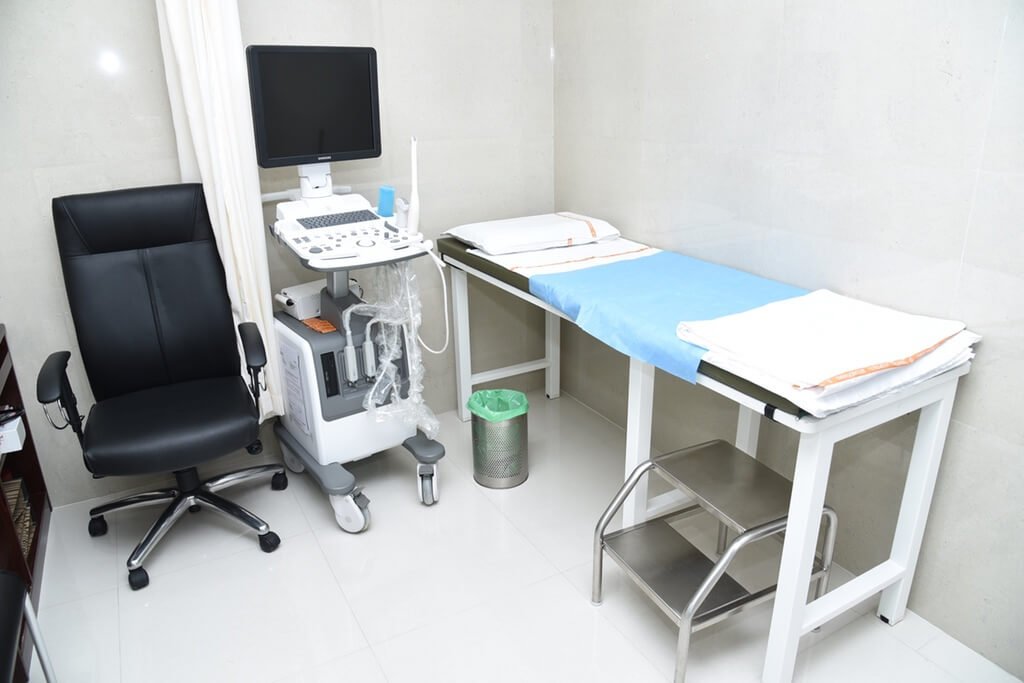
Consultation-Room-2
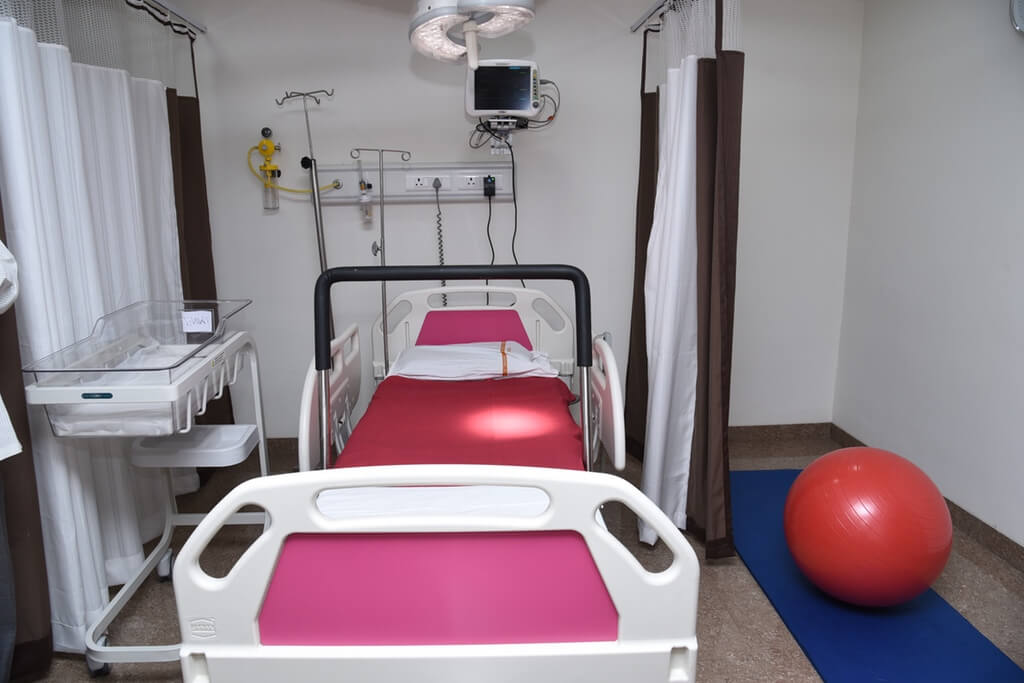
Maternity-Suite

Infrastructure-3

Maternity-Ward
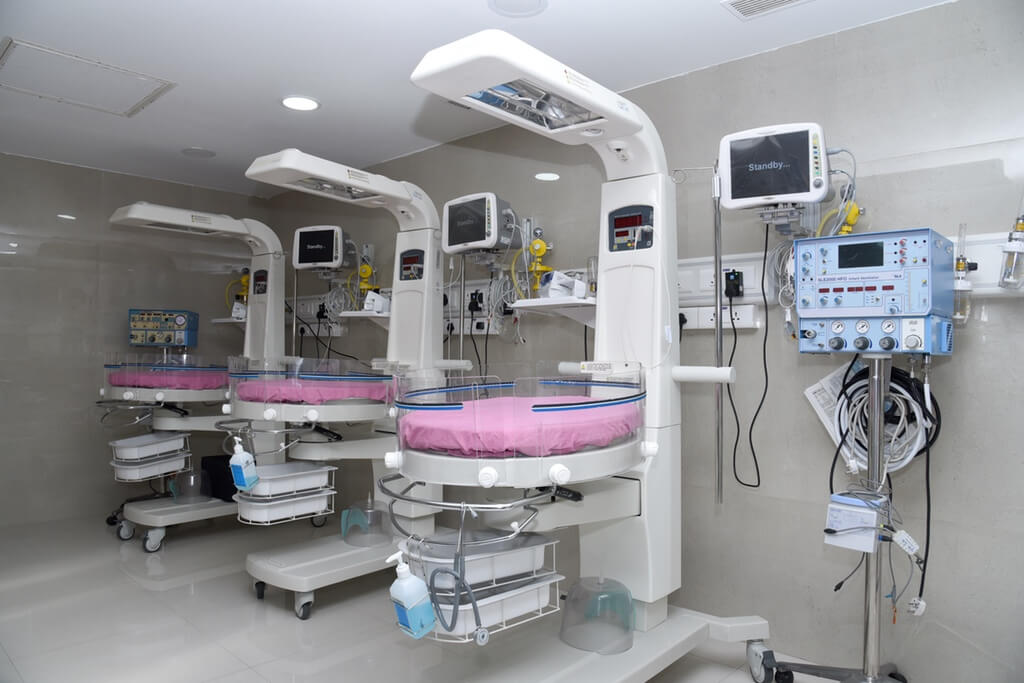
Neonatology-ICU
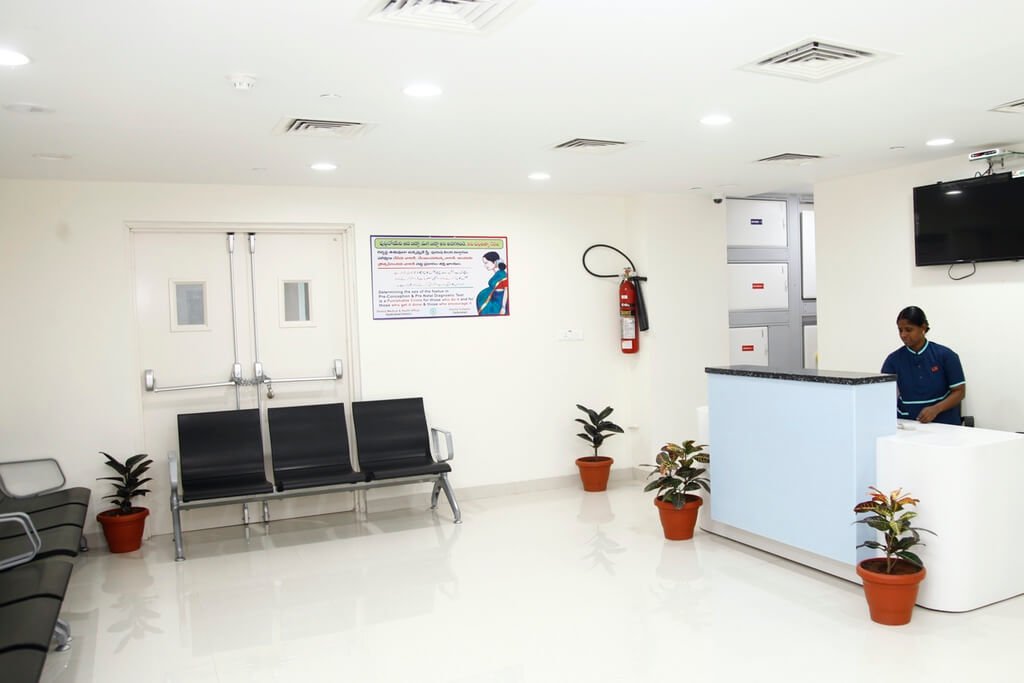
Reception-Area
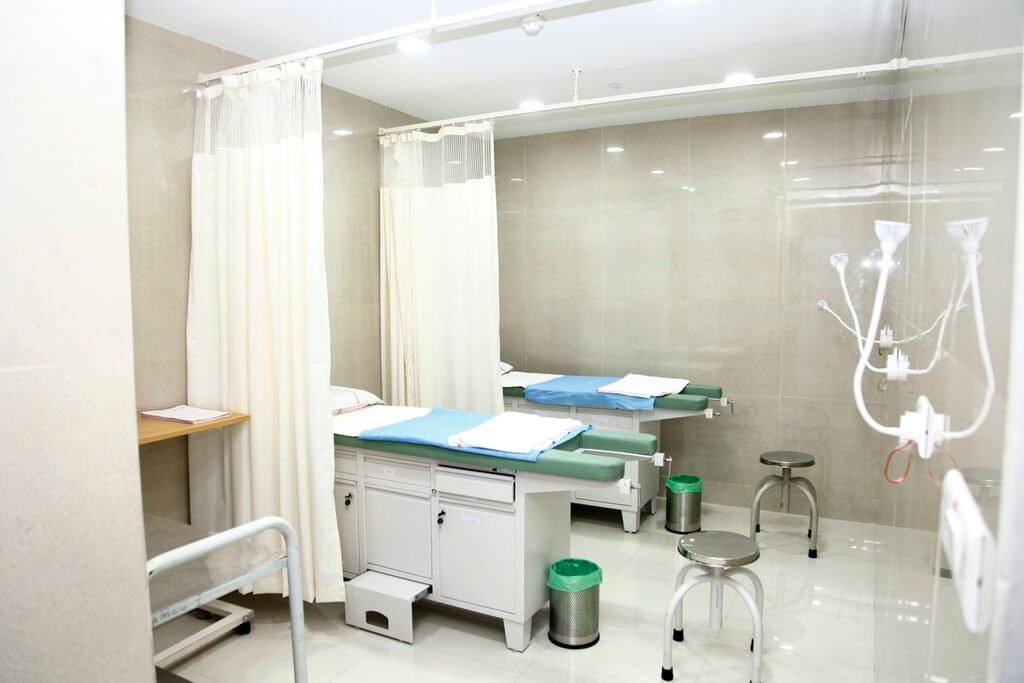
Consultation-Room
Patient Testimonials
Mrs. Bhanu Sree J from Siddipet successfully received treatment for Placenta Previa at Yashoda Hospitals, Hyderabad, under the supervision of…

Ms. Alisha Basnett from Sikkim successfully underwent Surgery for Uterine Fibroid Removal at Yashoda Hospitals, Hyderabad, under the supervision of…
A high-risk pregnancy is one that involves increased health risks for the pregnant woman, foetus, or both. Certain preexisting health…
Uterine fibroids, which are also known as leiomyomas, are benign growths that occur in the uterus. They can form as…
An emergency caesarean section (LSCS) is performed when a pregnant woman is experiencing complications that could endanger both the baby…
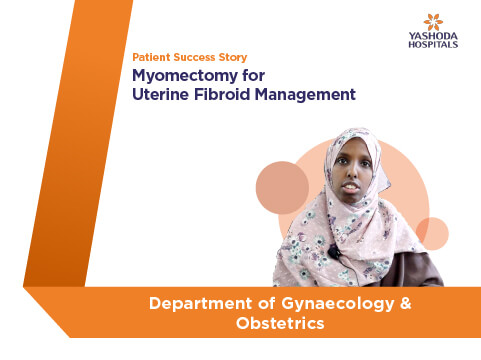
Uterine fibroids, which are also known as leiomyomas, are benign growths that occur in the uterus. They can form as…
Health Blogs for Gynaecology
Best Gynaecology Doctors in Hyderabad
Sr. Consultant Obstetrician, Gynaecologist, Laparoscopic & Robotic Surgeon
Telugu, English, Hindi
Day time OPD:
MON – SAT : 09:00 AM – 4:00 PM
Sr. Consultant Obstetrician and Gynaecologist
English, Hindi, Telugu
Day time OPD:
MON – SAT : 09:00 AM – 4:00 PM
HOD, Obstetrician – Gynaecologist, Laparoscopic & Robotic Surgeon
English, Hindi, Telugu, Tamil, Kannada, Malayalam, French
Day time OPD:
MON – SAT : 09:00 AM – 4:00 PM
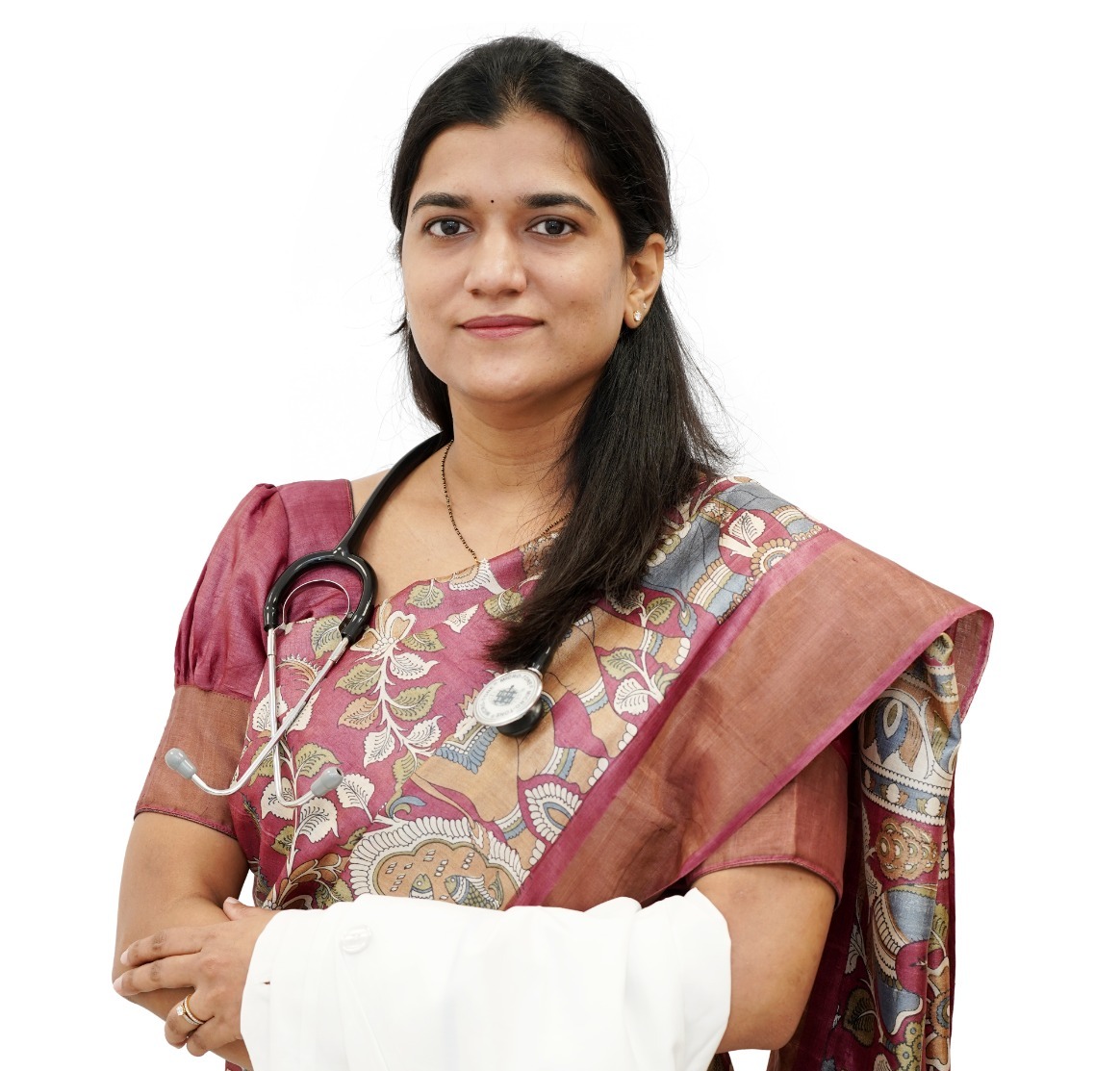
Sr. Consultant Obstetrician, Gynecologist, Laparoscopic & Robotic Surgeon
English, Hindi, Telugu
Day time OPD:
MON – SAT : 09:00 AM – 4:00 PM
Consultant Obstetrician & Gynaecologist
English,Telugu,Hindi
Day time OPD:
MON – SAT : 09:00 AM – 4:00 PM
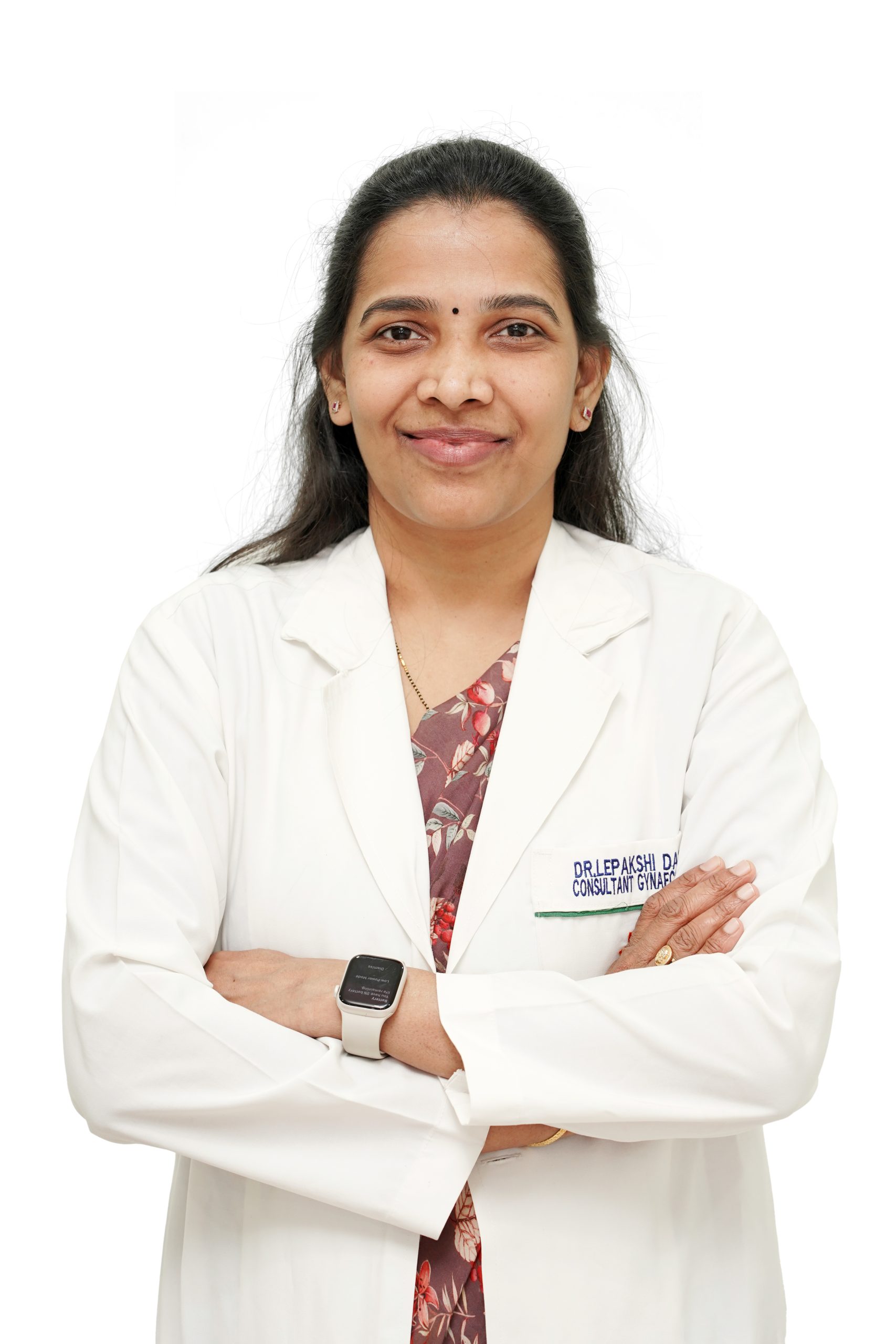
Consultant Gynaecologist & Laparoscopic Surgeon
English, Hindi, Telugu
Day time OPD:
MON – SAT : 10:00 AM – 02:00 PM
Consultant Obstetrician & Gynaecologist
English, Hindi, Telugu
Day time OPD:
MON – SAT : 10:30am – 01:30pm
Consultant Obstetrics & Gynaecology Laparoscopic Surgeon
Telugu , English, Hindi , Kannada
Day time OPD:
MON – SAT : 5:00 PM – 7:00 PM
Consultant Fetal Medicine
English, Telugu, Urdu, Hindi
Day time OPD:
MON – SAT : 9AM to 5PM
Expertise info not available
Sr. Consultant Obstetrician & Gynaecologist Laparoscopic & Robotic Surgeon
Telugu, English, Hindi, Kannada
Day time OPD:
MON – SAT : 09:00 AM – 4:00 PM
Consultant Obstetrician, Gynaecologist & Laparoscopic Surgeon
English, Hindi, Telugu, Tamil, Kannada
Day time OPD:
MON – SAT : 11:20 AM – 02:20 PM
Expertise info not available
Sr. Consultant Obstetrician & Gynecologist, Laparoscopic & Robotic Surgeon
English, Telugu, Hindi
Day time OPD:
MON – SAT : 10:30 AM – 03:30 PM
Senior Consultant Obstetrics & Gynaecology, High-Risk Pregnancy Specialist, Robotic Laparoscopic Surgeon
English, Hindi, Telugu
Day time OPD:
MON – SAT : 09:00 AM – 4:00 PM
Services info not available
Senior Consultant – Obstetrics, Gynecology & Infertility Laparoscopic & Robotic Surgeon
English, Hindi, Telugu, Kannada
Day time OPD:
MON – SAT : 9:00 AM – 4:00 PM
Evening OPD:
MON – SAT : 06:00 PM – 08:00 PM
Sr Consultant Obstetrician and Gynecologist
English, Hindi Tamil & Telugu
Day time OPD:
MON-SAT : 9:00 AM – 3:00 PM
Consultant Obstetrician & Gynaecologist
Telugu, Hindi, Kannada, English
Day time OPD:
MON – SAT : 09:00 AM – 4:00 PM
Services info not available
Sr. Consultant Obstetrician & Gynaecologist
English, Telugu, Hindi, Kannada
Day time OPD:
MON – SAT : 9:00 AM – 4:00 PM
Doctor Talk
Health Talk
FAQ’s
Which surgical specialty deals with the care of mother and child?
Obstetrics and gynaecology is a medical specialty focused on the female reproductive system. While obstetrics deals with the care of pregnant women, unborn babies, and childbirth, gynaecology addresses the broader health of the female reproductive organs. Hospitals like Yashoda offer a combined approach, integrating obstetrics and gynaecology with pediatrics and neonatology to provide comprehensive care for both mothers and their babies.
What is mother and child health care ?
Maternal and Child Health (MCH) is a healthcare approach that provides comprehensive services to women during pregnancy, childbirth, and the postpartum period, as well as to their children up to the age of five. This program aims to reduce mortality and improve the well-being of mothers and children through services, such as prenatal care, safe delivery practices, and childhood immunizations.
What types of deliveries are available at Yashoda Hospitals?
Yashoda Hospitals supports various delivery options, including normal deliveries and C-sections. They also offer specialized services like VBAC, painless labor through epidurals, and hydrotherapy for a comfortable and customized birthing experience.
What advanced technology and services does the NICU offer at Yashoda Hospitals?
Yashoda Hospitals’ NICU provides a comprehensive range of advanced services, including various types of mechanical ventilation, therapeutic hypothermia, and inhaled nitric oxide therapy. The unit supports a multidisciplinary team and utilizes advanced tools like bedside echocardiography and on-site diagnostics for real-time, specialized care for newborns, especially those from high-risk or C-section deliveries.
What types of infrastructure are available for mother and child care at Yashoda Hospitals?
Yashoda Hospitals provides a comprehensive mother and child care infrastructure, featuring advanced Neonatal and Pediatric Intensive Care Units, fully equipped labor rooms, and specialized facilities for high-risk pregnancies, neonatal and pediatric intensive care units (NICU & PICU), complemented by support services, including antenatal classes, pediatric sub-specialty care, and post-natal care.
What support is provided for natural (normal) delivery?
Supporting natural delivery involves maintaining a balanced diet, regular exercise during pregnancy, and using various techniques during labor, including deep breathing, water immersion, and massage during labor, complemented by emotional and practical medical support from partners, doulas, and birthing classes.
What postnatal services are provided for new mothers and babies?
Postnatal services provide essential care for new mothers and their babies, focusing on physical and emotional recovery, regular check-ups, and guidance on nutrition and lifestyle. These services also include the early detection of complications, newborn health monitoring, breastfeeding support, and education to ensure a healthy transition to parenthood.
How are high-risk pregnancies managed at Yashoda Hospitals?
Yashoda Hospitals manages high-risk pregnancies with a patient-centric approach, utilizing advanced technologies like their Fetal Medicine Clinic, on-site NICU, and comprehensive antenatal care unit. Their expert team provides personalized treatment and fetal monitoring while offering crucial support and private spaces for patients and their families.

 Appointment
 Second Opinion
 Live Chat
 Call
Call More
More