


Top Monsoon Skin Issues and Expert Tips for Prevention & Treatment
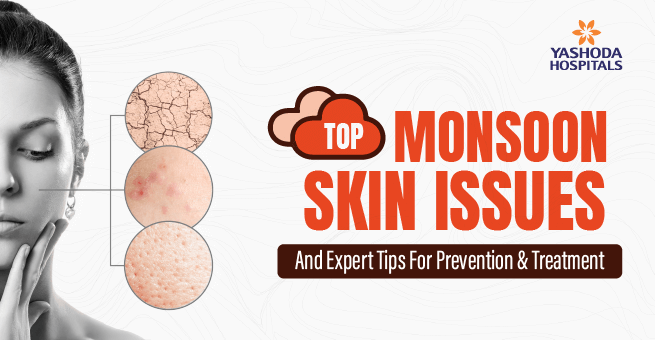
The skin, our body’s largest organ, does far more than just cover and protect us. It acts as a natural shield against the external environment, helps regulate body temperature, and serves as a vital sensory organ that connects us with the world. Yet, despite its resilience, the skin is also highly sensitive to seasonal changes, especially in tropical climates like India, where weather extremes can significantly impact skin health.
The season’s high humidity and moisture in the air create a perfect breeding ground for bacteria and fungi, leading to a surge in skin problems. From fungal infections and rashes to acne flare-ups and allergies, the monsoon often triggers conditions that can cause discomfort and irritation. Understanding these risks and taking preventive care becomes essential to keep the skin healthy and glowing during this much-loved yet tricky season.
A casual approach to skin care is not enough; effective planning is crucial, with expert opinion from highly skilled dermatologists, to gain a detailed understanding of the skin issues that commonly occur during this time.
This blog provides a detailed review of the most common skin-related issues caused by bacteria and fungi, offering useful information on maintaining personal cleanliness, wearing proper clothing, and practicing effective skin care, as well as a balanced diet for preventing these issues and promoting good skin health.
Why does Monsoon put your Skin at Risk? Let us know the Reasons.
Humidity is a major contributor to skin issues. The moisture in the air opens up skin pores, allowing dirt and pollution to settle into them. This allows perfect conditions for bacteria and fungi to grow and multiply.
Most commonly infected areas are the armpits, groin, and feet because they are often wet. People with pre-existing diseases like diabetes, Obesity, and a weak immune system are more susceptible, along with children and elders who usually sweat profusely. Athletes also face many skin problems during this season due to being in close surroundings to one another.
Monsoon can also cause increased issues in patients with pre-existing skin conditions like acne and eczema.
Common Skin Problems During the Monsoon Season
Skin problems during the monsoon are usually divided into three categories: Bacterial infections, Fungal Infections, and Inflammatory responses that are caused by high humidity.
Fungal Skin Problems: Battling Monsoon Bugs
Fungal infections, medically also known as tinea infections, are one of the most communicable infections, usually at their worst during heavy sweat periods.
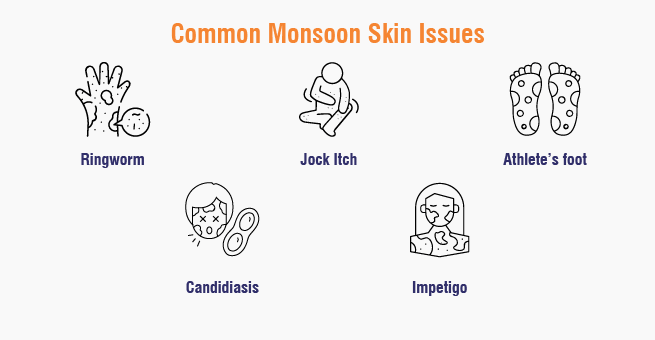
Tinea Infections, these include “ringworm” (Tinea Corporis), an easily identifiable infection often characterised by red, scaly, and highly itchy patches on arms, legs, and neck. This infection can easily be spread just by coming into contact with an infected person or animal, or by touching commonly used items like clothing and the comb of the affected patient. “Jock Itch” (Tinea Cruris) is an infection that mainly infects the groin and thigh, as implied by its name, characterized by a red rash with high itching. “Athlete’s Foot” (Tinea Pedis) is another fungal infection differentiated by heavy itching, stinging, cracking, and flaky skin with foul odour.
“Candidiasis” (Yeast infections) is a type of fungal infections that occur in skin folds, the mouth, and the genital areas, along with armpits, groin, and between the thighs. Symptoms of which are thick patches with a white discharge.
“Fungal folliculitis”, wherein the hair follicles turn painful and itchy, is heavily affected by sweating, along with “Onychomycosis” (Fungal Nail Infections), an infection that leads to thickened, weak, and discoloured nails.
The Battle with Bacteria: Is Bacteria the Root of Your Skin Problems?
Bacteria are also the root cause of many skin problems during the monsoon season, and if infected, they need immediate attention from a dermatologist.
“Impetigo” is one such infection in children where the upper layer of skin is attacked by a highly dangerous Staphylococcus or Streptococcus group A bacteria. This bacterium attacks the skin through any open cut and leads to the formation of red spots or blisters, which ooze liquid. This fluid spreads the infection quite rapidly through shared items or contact.
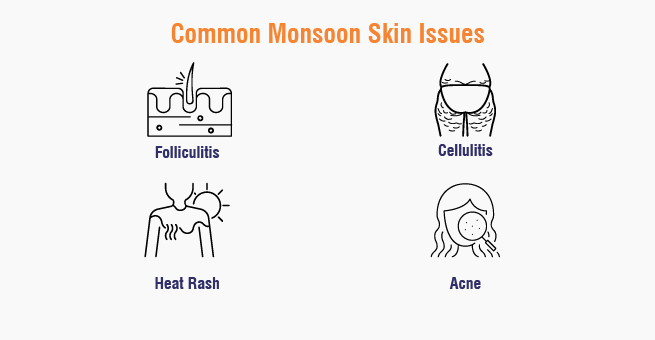
“Folliculitis and Boils (Furuncles)” are a swelling of hair follicles, usually showing small red pus-filled bumps. Causes include excessive sweating, tight clothing, and a poor diet. High humidity can also cause this infection, as it provides a healthy environment for bacteria to grow and multiply.
Bacteria are also known to cause “Cellulitis,” a more serious form affecting the deep layers of skin, which can quickly spread to other tissues. This bacterium enters via a cut or break through the skin, commonly due to animal bites or exposure to contaminated water.
Not Just a Rash: Understanding Monsoon Skin Flare-Ups
Other than infections from fungus and bacteria, Monsoon can trigger skin issues that cause swelling.
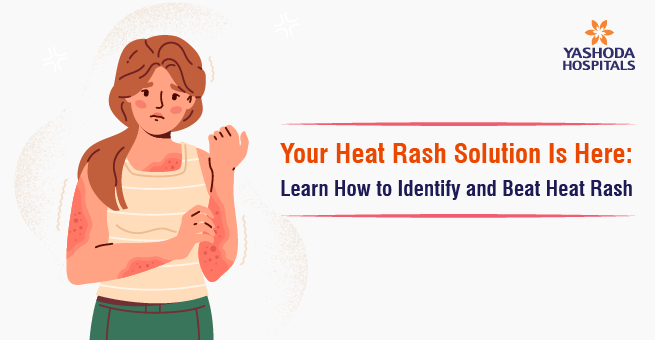
“Heat rash (Miliaria)” is one such condition caused usually due to the accumulation of dirt and pollution in the small pores of the skin. Depending on the depth of blockage, this condition is again classified into 4 types. “Miliaria crystallina” are of a very modest type, tiny fluid-filled bumps that break off easily, “Miliaria rubra”, also known as prickly heat, appear like small red coloured bumps and are very itchy. “Miliaria pustulosa” is when bumps are filled with pus. “Miliaria profunda” is a deep-layer skin infection with firm, painful bumps.
Pre-existing skin problems, like Dermatitis and Eczema, can become very problematic in the monsoon. Humidity and allergens outside in contact with broken, sensitive skin can be highly irritating. The loss of skin’s natural oils during this season leads to heavy itching, dryness, and inflammation/swelling.
Acne and pimples can also be problematic during this season, as humidity and sweat, along with the outside pollution, will clog the sweat pores and cause acne to arise in areas like the chest, back, and face. This is a very painful process for patients who naturally have an oily type of skin.
Time to Act: Common monsoon skin issues
Identification and timely action are quite essential for managing monsoon-related skin conditions. Features of some common monsoon skin diseases are listed below.
|
Ailment |
Primary Cause |
Key Symptoms |
Commonly affected areas |
|
Ringworm |
Fungal |
Circular, red, itchy, scaly patches |
Arms, legs, neck, body folds |
|
Jock Itch |
Fungal |
Red, chafing rash, itching |
Groin, Inner thighs |
|
Athlete’s foot |
Fungal |
Itching, burning, foul odour, and Cracked skin |
Feet, Between toes |
|
Candidiasis |
Fungal (Yeast) |
White, thickened patches, foul discharge |
Skin folds, mouth, and genital area |
|
Impetigo |
Bacterial |
Red spots and blisters that rupture into honey coloured crests |
Face, hands, and feet |
|
Folliculitis |
Bacterial |
Small red pus-filled bumps on hair follicles |
Upper back, arms, and thighs |
|
Cellulitis |
Bacterial |
Sudden onset of red, hot, painful skin |
Lower legs, neck, anywhere on the body |
|
Heat Rash |
Trapped sweat |
Tiny red itchy bumps, clear fluid-filled bumps |
Neck, shoulders, chest, skin folds |
|
Acne |
Excess Sebum, Clogged Spores |
Pimples, whiteheads, blackheads, redness |
Face, back, chest |
Do not Practice Self-medication: Know when to Consult a Dermatologist.
Treating skin-related issues with over-the-counter creams and medications overcomplicates the existing issue. Knowing when to contact a dermatologist can prevent severe complications. Some of the common symptoms that should lead you to book an appointment with a dermatologist are listed below.
- If a rash or itching worsens over time and does not improve despite regular home remedies.
- Appearance of blisters with pus and foul-smelling liquid.
- Symptoms such as pain or fever in the affected area, and the area of redness begins to grow rapidly and spread to other parts.
- If the infection occurs frequently in the same area, there may be a bigger issue requiring immediate care from a dermatologist.
Your Ultimate Monsoon Skincare Playbook: Steps to Tackle Skin Issues
The most effective way to counter these monsoon-related skin diseases is to be a step ahead of them, and by following a multi-layered preventive strategy. This can be achieved by taking care of the skin externally and internally (through what we eat), thus providing a helping hand to the natural defence mechanisms of the skin.
Basic preventive measures to avoid monsoon skin-related issues involve the practice of smart clothing and personal cleanliness. The most important and basic part to avoid any monsoon skin-related issues is to “Keep it Dry.” Every time you get wet in the rain during the monsoon, immediately mop yourself dry with a towel, especially in skin folds, where it is easy for microbes and bacteria to grow and multiply.
What clothes you wear during the monsoon also goes a long way in combating skin issues during this season, with loose-fitting cotton clothing being the most preferred one over tight-fitting polyester or synthetic clothing. The clothes that you wear go a long way in stopping sweat from blocking the pores of skin by allowing proper air circulation. Always change your clothes from wet ones to dry ones after getting wet in the rain; this is non-negotiable, along with open-toed footwear to avoid any foot-related skin issues.
Following a strict monsoon skin care schedule, without making any massive adjustments, is typically enough to avoid any major issues.
- Smart cleansing by gently washing your face two times a day with a gentle sulfate and oil-free cleanser usually removes all the trapped dirt.
- Gentle exfoliation, a process to remove clogged pores in the skin at least 1-2 times a week, is usually suggested. Excessive exfoliation should be avoided as it may lead to skin irritation.
- Skin hydration in a wet monsoon environment feels excessive, but it should be practiced in a minimalistic way to provide an extra layer of protection. Gentle moisturizers should be used for this purpose.
- Sunscreen during the monsoon is also quite essential because harmful UV rays from the sun penetrate about 80% through the clouds. Broad-spectrum sunscreen lotion or cream with a minimum of
- SPF30 should be applied to avoid damage due to the sun, along with hyperpigmentation.
For minor skin irritations and rashes, certain home remedies can provide gentle relief. It is crucial to remember that these are for minor symptoms only, and a dermatologist should be consulted if the condition worsens or persists.
- Calamine lotion is known to give relief from itching, irritation, and oozing caused by various common monsoon skin diseases. It contains zinc and ferric oxide, which are known for their anti-bacterial and anti-fungal properties. Calamine lotion provides a cooling sensation on the skin, thus helping in managing painful symptoms.
- Neem Water Bath is a popular method for its antibacterial and antifungal properties. Boiling neem leaves in water and using them as a final rinse after a regular bath can soothe irritation, reduce redness, and protect against infections.
- Aloe Vera Gel: Pure aloe vera gel has cooling, anti-inflammatory, and healing properties.
- Coconut Oil Massage: Gently massaging a thin layer of virgin coconut oil onto the skin before bed can help maintain hydration and prevent fungal infections due to its natural antifungal properties.
- Oatmeal Bath: An oatmeal bath can be very soothing for irritated skin. Adding powdered oatmeal to lukewarm bathwater can help reduce itching and inflammation.
Healthy Diet: A Key to Preventing Monsoon Skin Issues
Healthy skin is hugely dependent on what we eat, and a complex relationship exists between the digestive system and skin, as taking care of nutrition means taking care of skin. A diet for good skin care involves antioxidant-rich foods found in fruits like oranges, almonds, and berries, and leafy vegetables like spinach and Kale. Vitamin C also helps collagen production, which protects the skin from UV radiation by helping to fade dark spots.
Omega-3 fatty acid-rich foods, which have anti-inflammatory properties, help in reducing swelling, irritation, and redness of the skin that occur during the monsoon season. Excellent sources of this content are flaxseeds, walnuts, and fatty fish.
Probiotics found in foods like yogurt and kefir help in balancing gut health, which helps in reducing skin inflammation and alleviating the symptoms of long-term skin issues like eczema and acne.
- Foods that should be strictly avoided during the monsoon season for better skin health include oily and fried foods, which lead to clogged pores and thus painful skin issues.
- Sugary foods, which usually break down collagen and increase the risk of skin ageing, thus destroy the healthy primary layer of the skin.
- Alcohol and excessive caffeine dehydrate the skin and make it appear dry and lifeless; they are also known to initiate inflammatory responses, which can worsen skin ailments like acne and eczema.
- Dairy products should also be consumed with care, because in some patients they have been known to trigger underlying skin issues due to the presence of hormonal content.
This table provides a clear, actionable guide to nourishing skin from the inside out during the rainy season.
| Nutrients | Food sources | Advantages |
|---|---|---|
| Vitamin C | Oranges, lemons, Berries | Increases collagen, improves skin tone |
| Omega-3-fatty acids | Walnuts, flaxseeds, and avocados | Decreased swelling, maintains protection, reduces irritation |
| Vitamin A, C, and K | Spinach, kale, and fenugreek leaves | Increases new cell production, increases skin hydration, and decreases acne |
| Probiotics | Yogurt and Kefir | Reduces swelling, betters the complexion. |
| Lycopene | Tomatoes | UV damage protection, maintains youthfulness |
| Foods with excessive water content | Cucumbers, Watermelon, and Herbal Teas | Maintains skin hydration and reduces toxins in the body |
Monsoon Skin Care: Stay Dry, Stay Healthy – A Rule to Remember Always
Monsoon is usually one of the most awaited seasons in the calendar; it needs to be a healthy one rather than one that is painful and uneasy, with a lot of skin-related issues. It’s generally easy and involves being ahead and following effectively a disciplined skin care regimen, which involves a combination of maintaining cleanliness, following a lot of personal hygiene, and comfortable clothing choices. Effective skin care is also about knowing when to approach a dermatologist for timely treatment and a better cure, a clear demonstration of wise and responsible self-care for clear, healthy, and comfortable skin.
Have any questions or concerns about your health? We’re here to help! Call us at +918065906165 for expert advice and support.
FAQ’s
Why do bacterial skin infections like “impetigo” and “boils” increase during the monsoon?
Impetigo and boils are the most common monsoon bacterial skin problems due to excessive humidity, excessive sweating, and skin staying wet for longer periods of time. Moisture attracts microbes like bacteria, thus leading to issues. Minor cuts, bites from insects, and even scratches can lead to infection. So, maximum care should be taken to keep the skin dry and also avoid minor injuries.
Why does “Acne” become more problematic during the monsoon?
Due to excessive humidity, which leads to excessive sweating and oil production, and more “Acne” breakouts.
Is “heat rash” or “prickly heat” common in the monsoon?
Yes, during the monsoon, increased humidity and sweating can cause heat rash (“miliaria’’) and also increased sweating on the body. They are red, heavy, itching bumps that improve with cool environments and loose clothing.
What can you do to avoid eczema flare-ups during monsoon season?
Humidity in the monsoon can dry the skin and make eczema worse. To avoid these, always wear loose breathable cotton clothes and keep your skin moisturized. Avoiding wet and dirty soiled clothes can help avoid eczema flares.
What is the reason for bad body odour and skin rashes in the monsoon?
Humidity that leads to increased sweating can cause skin folds, especially under the arms produce a bad odour, which leads to the formation of a red allergic rash. Regular bathing, gentle skin care, and wearing loose cotton clothes are effective options to avoid these painful common skin problems.







 Appointment
 Second Opinion
 WhatsApp
 Call
Call More
More