


Is Your Cholesterol Out of Control? Signs, Risks & What to Do
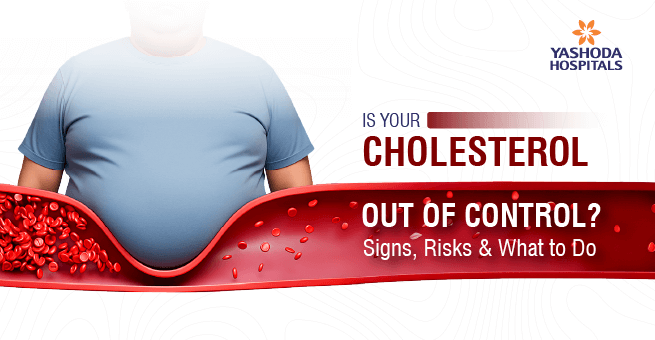
Before you panic at the word ‘cholesterol,’ let’s understand what it truly means
Cholesterol is a natural substance & even necessary. It is often considered a sign of something dangerous, but good cholesterol levels can play a vital role in the body, from helping in the digestion of fatty foods to synthesizing hormones and vitamins, such as vitamin D, and supporting cell membrane integrity. Thus, it’s important to have a clear understanding of the term high cholesterol levels, their causes, symptoms, side effects, and natural ways to manage them to live a worry-free life. Here’s the blog that navigates you through all those details.
Understanding Cholesterol: The Good, the Bad, and the Balance
Cholesterol is a fatty substance produced by the liver and also absorbed from our diet, which includes animal sources, including meat, eggs, and certain dairy products. Furthermore, just as life balances between yes and no or light and dark, our body carries both “good” (High-Density Lipoprotein) and “bad” (Low-Density Lipoprotein) cholesterol. One acts as a helper (HDL), while the other one, at high levels, can harm your body silently. However, an increase in bad cholesterol, indicating high cholesterol levels, can be managed effectively with the right dietary choices and therapeutic approaches.
High, Low, or Just Right? Know Your Cholesterol Ranges.
Knowing your numbers, or the levels of various fats (total cholesterol, LDL, HDL & triglycerides) in your body, is very important to maintain healthy cholesterol levels. Your doctor may suggest a simple lipid profile test in adults (age above 20) every 4-6 years or more frequently if you are already experiencing any of the underlying conditions to help prevent the risk of heart attacks. However, if you are on lipid-lowering medications, your doctor may ask you to undergo a lipid test initially within 1-3 months, with repeat tests at 3-12 months to understand the effectiveness of the drug.
| Type of cholesterol | Normal | Borderline High | High |
|---|---|---|---|
| Total cholesterol (Adults) | Less than 200 mg/dl | 200-239 mg/dl | Above 240 mg/dl |
| LDL cholesterol | Less than 100 mg/dl or Less than 70 mg/dl |
130-159 mg/dl | Above 160 mg/dl |
| Triglycerides | Less than 149 mg/dl | 150–199 mg/dl | Above 200 mg/dl |
| HDL-cholesterol | 40 mg/dl (males) 50 mg/dl (females) |
– | 60 mg/dl or higher |
What happens if cholesterol is high?
While high cholesterol itself does not cause symptoms, its high levels over time contribute to plaque buildup (fatty deposits along with other components) in the blood vessels, resulting in certain complications such as atherosclerosis, peripheral artery disease, high blood pressure, and stroke. Therefore, understanding the effects of high cholesterol, and regularly tracking lipid levels in the body through routine screening or as suggested by your doctors can help prevent further complications.
Reasons for high cholesterol
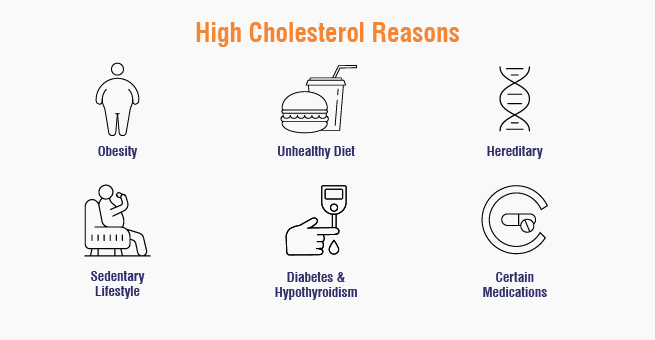
High cholesterol doesn’t happen overnight. It occurs due to various factors, including unhealthy lifestyle choices, underlying diseases, genetic factors, or the use of certain medications. Determining the root cause of a single or a combination of contributing reasons for high LDL cholesterol can help in early diagnosis and effective medical treatment.
- Obesity or being overweight: Poor physical activity or sitting for too long without performing any tasks can lead to the accumulation of fatty acids in the body.
- Unhealthy diet: Eating foods rich in fatty acids, including red meat, dairy products, fried foods, etc.
- Social habits: Unhealthy habits such as drinking alcohol and smoking can damage blood vessels and reduce good cholesterol (HDL).
- Disease conditions: Individuals with underlying diseases such as diabetes, hypothyroidism, & any liver- or kidney-related abnormalities
- Side effects of certain medications: Certain medications, such as birth control pills, antipsychotics, corticosteroids, and some immunosuppressant drugs, can disturb the cholesterol balance with long-term use.
- Genetics: Familial hypercholesterolemia can run in families due to genetic variation in parents and is considered one of the contributing factors that can be passed on to the children, leading to high lipid levels.
Complications of High Cholesterol
No doubt! When you hear the term high cholesterol, you start worrying about what’s happening & whether you will be able to live normally. But the truth is, high cholesterol levels can be revealed through routine checkups & blood tests. On the other hand, our body speaks to us, sending a few hints such as breathing difficulty, chest pain, dizziness, etc.; if you neglect them, they may lead to serious complications as follows:
- Atherosclerosis: Due to high cholesterol in the blood, it reaches the heart’s blood vessels and gets deposited often in the form of plaque, interrupting the blood flow, thereby causing a condition called Atherosclerosis due to constriction and reduced blood supply.
- Brain Stroke: It is believed that 25% of the body’s cholesterol is present in the brain, and usually for a brain to function normally, it needs cholesterol; however, excessive levels of LDL lead to accumulation in the brain’s blood vessels, leading to reduced blood flow, contributing to brain stroke, interfering with individuals memory issues, and overall mental health.
- Xanthelasma (yellow growths near the eyelids): Deposition of cholesterol typically on the inner side of the eyes.
Corneal arcus (gray-white ring): Formation of a pale-white ring around the cornea, mostly in young individuals with high cholesterol levels. - Claudication: Leg cramps may be experienced while walking due to poor blood circulation.
Erectile dysfunction: One of the common symptoms in males due to high levels of cholesterol affecting their sexual health.
Females with high cholesterol levels experience extreme tiredness, swelling in the legs, & discomfort or pain in the neck, jaw, and upper back.
Treatment for High Cholesterol:
Managing cholesterol isn’t just about medication; it begins with what you eat, so it’s important to note what’s on your plate every day, whether good fats or bad fats.
High Cholesterol Diet Guide: What to eat for high cholesterol?
- Foods such as avocados, nuts (walnuts, peanuts, and almonds), vegetable-based cooking oils, including sunflower, and fish, including salmon and tuna that contain omega-3 fatty acids, are considered to be good fats.
- Rajma, chana, moong, and kidney beans are rich in soluble fiber, which can bind to cholesterol and remove it from the body before it enters the blood circulation. Also, it takes a long time for digestion, keeping you full after a meal.
- Vegetables such as okra (lady’s finger) can be added to your diet plate, as they are good sources of soluble fiber.
- Fruits such as apples, grapes, strawberries, and citrus fruits (oranges) are rich in a component called pectin, a soluble fiber that eventually reduces your LDL.
Note: As a part of your snack, you can have steamed vegetables, oatmeal, pumpkin seeds, and fresh fruits with a handful of nuts. Apart from following a dietary plan, you must include physical exercise and maintain an ideal body weight.
What foods cause high cholesterol?
- While fruits can be a healthy part of your diet, you must avoid fruits served with cream or whipped cream and even fruit juice that contains sugars.
- Fried vegetables or veggies served with cream sauce, cheese, & butter must be avoided.
- White pasta, buttered popcorn, chips, and baked items, including biscuits, must be avoided.
- Above all, red meat (pork, beef) and processed meats are a big NO if you have high cholesterol levels.
Note: In addition to cutting down your sugars and fats, you must stay away from habits such as smoking or drinking alcohol, as they can worsen your condition.
Medical treatment:
Maintaining a healthy diet & healthy lifestyle is the first corrective and preventive step towards high cholesterol levels. Knowing the fact that certain underlying conditions, such as diabetes, hypertension, or heart conditions, are associated with high cholesterol levels, doctors prescribe certain medications, such as lipid-lowering drugs, including statins. These medications often work to reduce bad cholesterol (LDL) levels in your body, preventing the risk of heart attacks and strokes.
When Should You See a Doctor for High Cholesterol?
Seeking medical help is important in the following cases:
- If you are experiencing symptoms such as chest pain or difficulty in breathing, along with numbness in the extremities, dizziness, and irregular heartbeats, you must seek medical help if they don’t improve over time, despite lifestyle modifications.
- Additionally, if you are diagnosed with high cholesterol levels during your routine checks, you must seek medical help for further diagnosis & treatment.
Conclusion
High cholesterol is a concerning term because it often doesn’t present early symptoms and can gradually affect your health over time. However, with a healthy and nutritious diet, regular exercise, regular check-ups, and effective treatments by expert doctors, it can be managed.
At Yashoda Hospitals, behind every cholesterol reading, we see a life worth protecting with top general physicians, cardiologists, and a multidisciplinary team of doctors committed to improving quality of life by reducing the risk of heart attacks and stroke. They treat your high cholesterol levels with effective, timely therapies combined with compassionate care and dietary suggestions.
Know the high cholesterol range, recognize the signs, and seek expert care for a healthy life!
FAQ’s
Can stress cause high cholesterol?
While stress does not directly increase cholesterol levels, it is still considered among the contributing factors for high cholesterol, as it indirectly leads to unhealthy habits & accumulation of fats.
What are the best medicines for high cholesterol?
Statins, lipid-lowering drugs, are the ideal medications to control and manage the levels of cholesterol in the body; however, when these drugs do not improve, alternatively, the ezetimibe drug is prescribed, which acts by reducing the absorption of cholesterol.
Can a lack of sleep cause high cholesterol?
It is believed that either a lack of sleep or excessive sleep can negatively impact cholesterol levels, disturbing the balance between good and bad cholesterol and leading to high cholesterol. Therefore, maintain a proper sleep routine to keep you away from high cholesterol levels.
Does cholesterol increase with age?
Age is a significant factor to consider; as you get older, your body finds it difficult to remove cholesterol efficiently, and you are also at risk of underlying diseases that can lead to high cholesterol levels. However, high cholesterol is also common in young adults due to various reasons, including dietary habits and family history.
Can someone have high cholesterol and still be healthy?
If you follow a healthy diet and regular screening tests, you can be healthy despite your high cholesterol levels, and you are less likely to fall under the risk of heart disease.










 Appointment
 Second Opinion
 WhatsApp
 Call
Call More
More