Select Page

Advanced
Varicose Veins Treatment
Surgery in Hyderabad

At Yashoda Hospitals, treating varicose veins is not just about removing damaged veins—it is about restoring healthy blood flow, relieving discomfort, and helping patients return to an active lifestyle. Our vascular specialists combine clinical expertise with advanced minimally invasive techniques to deliver safe treatment and lasting results. From diagnosis to recovery, every step is tailored to the individual needs of the patient.

  • Experienced vascular surgeons with expertise in varicose vein care
  • Detailed evaluation for accurate diagnosis and treatment planning
  • Minimally invasive procedures designed for precise treatment
  • Personalised treatment plans tailored to individual needs
  • Advanced technology and modern facilities for safe care
  • Comprehensive support from consultation through recovery

What is a Varicose Vein Treatment?

Varicose vein treatment is a medical procedure that treats enlarged, swollen veins caused by poor blood flow in the legs. These veins develop when the valves inside them become weak or damaged, allowing blood to collect instead of moving back toward the heart. Over time, this can lead to pain, heaviness, swelling, itching, and visible bulging veins.

Treatment is designed to close or remove the affected veins while allowing blood to flow through healthy veins. Depending on the severity of the condition, doctors may recommend minimally invasive procedures such as Endovenous Laser Treatment (EVLT), Radiofrequency Ablation (RFA), foam sclerotherapy, or ambulatory phlebectomy. In a small number of complex cases, surgery may be needed.

Most modern treatments are performed using small incisions or needle punctures, resulting in less pain, minimal scarring, and a quicker recovery than traditional surgery. Many patients can return home on the same day and resume their normal routine within a short time.

Varicose veins treatment not only improves the appearance of the legs but also relieves symptoms, enhances blood circulation, and helps prevent complications such as skin ulcers, bleeding, and vein inflammation. Early treatment can improve comfort, mobility, and overall quality of life while supporting long-term vein health.

Types of Varicose Vein Treatment:

The treatment for varicose veins depends on the size of the affected veins, the severity of symptoms, and the patient’s overall health. Today, most procedures are minimally invasive and offer quicker recovery with excellent outcomes.

Endovenous Laser Treatment (EVLT)

EVLT is one of the most commonly used treatments for varicose veins. A thin laser fibre is inserted into the affected vein through a small puncture, and laser energy is used to seal the vein. Blood is naturally redirected to nearby healthy veins, while the treated vein gradually shrinks and is absorbed by the body.

Radiofrequency Ablation (RFA)

Radiofrequency Ablation uses controlled heat generated by radiofrequency energy to close damaged veins. The procedure is performed through a small catheter under ultrasound guidance and is known for causing minimal discomfort, less bruising, and a quick recovery.

Foam Sclerotherapy

Foam sclerotherapy involves injecting a special medicated foam into the affected vein. The foam irritates the vein lining, causing it to collapse and close. Over time, the body absorbs the treated vein. This treatment is often recommended for small to medium-sized varicose veins and spider veins.

Ambulatory Phlebectomy

This procedure is used to remove surface varicose veins through tiny skin incisions. Since the cuts are very small, stitches are usually not required, and scarring is minimal. Patients can typically return to normal activities within a few days.

Mechanochemical Ablation (MOCA)

Mechanochemical ablation combines mechanical movement and a special medication to close the affected vein without using heat. It is a minimally invasive option that may reduce the need for local anaesthesia and minimize post-procedure discomfort.

Cyanoacrylate Vein Closure

Also known as vein glue treatment, this technique uses a medical adhesive to seal the damaged vein. It does not require heat or multiple injections of local anaesthesia, making it a comfortable option for selected patients.

Vein Ligation and Stripping

Although used less frequently today, vein ligation and stripping may be recommended for patients with extensive or complicated varicose veins. During this surgical procedure, the affected vein is tied off and removed through small incisions. It is generally reserved for cases where minimally invasive treatments are not suitable.

Each treatment has its own advantages, and the most appropriate option is selected after a detailed clinical examination and a Doppler ultrasound evaluation by a vascular specialist. Choosing the right treatment helps relieve symptoms, improve circulation, and reduce the risk of future complications.

Procedure Name Varicose Veins Treatment
Type Minimally invasive vascular procedure
Anesthesia Local or general anaesthesia
Duration 30–90 minutes
Recovery Same-day discharge; 1–2 weeks recovery

Meet Our Expert Varicose Veins Treatment

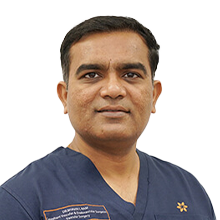
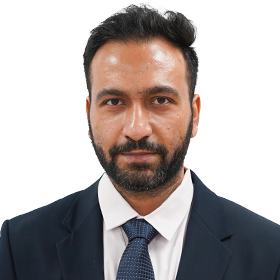
Dr. Bhavin L. Ram

MS, DNB (Vascular Surgery)

Sr. Consultant Vascular & Endovascular Surgeon, Diabetic Foot Specialist

English, Hindi, Gujarati, Kannada, Telugu
14 Yrs
Hitec City

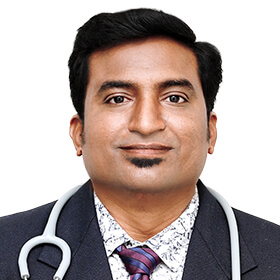
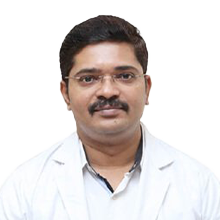
Dr. S Srikanth Raju

MBBS, MS (General Surgery), DNB (Vascular Surgery), Endovascular Surgeon

Sr. Consultant Vascular & Endovascular Surgeon
Foot Care Specialist
Clinical Director

English, Hindi, Telugu
16 Yrs
Hitec City

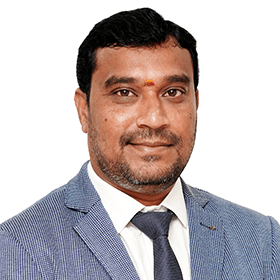
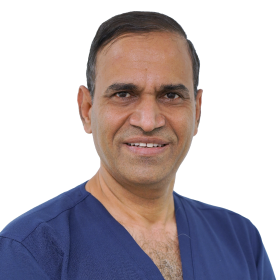
Dr. Ranjith Kumar Anandasu

MBBS, DNB (General Surgery), MCh (Vascular and Endovascular Surgery)

Consultant Vascular and Endovascular Surgeon

Telugu, Hindi, English, Kannada
23 Yrs
Malakpet

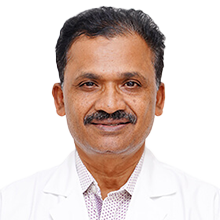
Dr. S. Vengal Reddy

MBBS, MS, MCh, FIACS

Consultant Cardiothoracic & Vascular Surgeon

Telugu, English, Hindi
24 Yrs
Malakpet

Dr. Vinay Kumar K

M.S. (General Surgery), M.Ch (Vascular Surgery)

Consultant Vascular & Endovascular Surgeon Diabetic Foot Specialist

English, Hindi, Telugu, Kannada
Secunderabad

Dr. Prabakar D

MS, MCh (Vascular)

Consultant Vascular and Endovascular Surgeon

English, Hindi, Telugu, Tamil
Secunderabad

Dr. Devender Singh

MS, DNB (Vascular Surgery)

Sr. Consultant Vascular & EndoVascular Surgeon, Clinical Director

English, Hindi, Telugu
26 Yrs
Somajiguda

Varicose Veins Treatment Surgery: What to Expect Before, During & After Surgery

Varicose vein treatment is performed to improve blood flow, relieve symptoms, and prevent complications caused by damaged veins. Whether the treatment involves Endovenous Laser Treatment (EVLT), Radiofrequency Ablation (RFA), sclerotherapy, or surgical vein removal, proper care before, during, and after the procedure plays an important role in ensuring a smooth recovery and long-term success.

Pre-operative Care

Before treatment, the doctor carefully evaluates the condition of the veins to decide the most suitable approach. This includes discussing the patient’s symptoms, medical history, and current medications, followed by a physical examination and a Doppler ultrasound scan to assess blood flow. If required, routine blood tests are performed. Patients may be advised to stop certain medications temporarily and follow fasting instructions if anaesthesia is planned. The treatment procedure, expected benefits, possible risks, and recovery process are explained clearly so that patients know what to expect.

Intra-operative Care

During the procedure, the medical team ensures that the patient remains comfortable and safe. Local or general anaesthesia is given depending on the treatment being performed. Using ultrasound guidance, the vascular specialist accurately identifies the affected vein and treats it with the selected technique, such as laser therapy, radiofrequency ablation, or sclerotherapy. The patient’s vital signs are monitored throughout the procedure. Once the treatment is completed, compression stockings or bandages are applied to reduce swelling and support healthy blood circulation.

Post-operative Care

After the procedure, patients are encouraged to walk for a short time to improve blood flow and reduce the risk of blood clots. Compression stockings should be worn as advised by the doctor to aid healing and minimise swelling. Mild bruising, soreness, or discomfort is common but usually improves within a few days. Heavy lifting, prolonged standing, and strenuous exercise should be avoided until recovery is complete. Follow-up visits help the doctor assess healing and ensure the treatment has been successful. Maintaining an active lifestyle, managing body weight, and avoiding long periods of sitting or standing can help keep the veins healthy and lower the chances of the condition returning.

Benefits of Varicose Veins Treatment at Yashoda Hospitals

Varicose vein treatment does more than improve the appearance of the legs. It helps relieve symptoms, restores healthy blood circulation, and reduces the risk of future vein-related problems. With modern minimally invasive techniques, most patients experience faster recovery and can return to their daily routine within a short time.

  • Relieves Pain and Leg Discomfort: Treatment helps reduce aching, heaviness, swelling, cramps, and fatigue in the legs, making everyday activities more comfortable.
  • Improves Blood Flow: Closing or removing damaged veins allows blood to flow through healthy veins, improving circulation and reducing pressure in the legs.
  • Reduces the Risk of Complications: Timely treatment helps prevent problems such as skin ulcers, bleeding, vein inflammation, blood clots, and long-term vein damage.
  • Faster Recovery with Minimal Discomfort: Most procedures are minimally invasive, requiring only small punctures or incisions. This results in less pain, minimal scarring, and a quicker recovery.
  • Improves the Appearance of the Legs: Treating enlarged and bulging veins makes the legs look healthier and often improves a person’s confidence.
  • Supports an Active Lifestyle: With reduced pain and swelling, patients can walk, stand, exercise, and perform daily activities more comfortably.
  • Long-lasting Relief: When combined with healthy lifestyle habits and regular follow-up, varicose veins treatment provides lasting symptom relief and helps lower the chances of recurrence.
  • Short Hospital Stay: Many varicose veins procedures are performed as day-care treatments, allowing patients to return home on the same day and recover in the comfort of their own home.

Testimonials

Discover what patients have to say about their experience with Coronary Angiography at Yashoda Hospitals.


Pallavi Jha

“I underwent Coronary Angiography at Yashoda Hospitals, and I couldn't be happier with the care I received. The medical team was highly skilled and made me feel comfortable throughout the procedure.”


Pallavi Jha 2

“I underwent Coronary Angiography at Yashoda Hospitals, and I couldn't be happier with the care I received. The medical team was highly skilled and made me feel comfortable throughout the procedure.”


Pallavi Jha 3

“I underwent Coronary Angiography at Yashoda Hospitals, and I couldn't be happier with the care I received. The medical team was highly skilled and made me feel comfortable throughout the procedure.”


Insurance Assistance for Varicose Veins Treatment

  • All Insurances Covered
  • Zero Hidden Charges
  • Complete Documentation Support
  • Cashless Insurance Service

Get Insurance Assistance

Free Second Opinion for Varicose Veins Treatment

Considering Varicose Veins Treatment? Get a FREE Second Opinion at Yashoda Hospitals. Our experienced vascular specialists carefully review your medical history, symptoms, and diagnostic tests, including Duplex Doppler ultrasound and other relevant imaging or laboratory reports, to accurately assess your condition. Based on this comprehensive evaluation, we determine whether minimally invasive treatments such as Endovenous Laser Treatment (EVLT), Radiofrequency Ablation (RFA), foam sclerotherapy, or another treatment option are best suited for you. Our goal is to help you make an informed treatment decision with confidence while ensuring the best possible outcome for your vein health.

Get Free Second Opinion

Why Choose Yashoda Hospitals for Varicose Veins Treatment?

Experienced Vascular Surgeons & Vein Care Specialists

Our vascular surgeons have extensive experience in treating varicose veins using advanced minimally invasive procedures such as Endovenous Laser Treatment (EVLT), Radiofrequency Ablation (RFA), foam sclerotherapy, and other evidence-based techniques. Every patient is thoroughly evaluated to recommend the most suitable treatment for effective symptom relief and long-term vein health.

Comprehensive Assessment

Before treatment, each patient undergoes a detailed clinical evaluation, including a physical examination and Duplex Doppler ultrasound. This helps our specialists accurately identify the affected veins, assess the severity of the condition, and develop a personalised treatment plan for the best possible outcomes.

Advanced Technology

Yashoda Hospitals is equipped with modern vascular imaging systems, high-resolution Doppler ultrasound, advanced laser and radiofrequency technology, and state-of-the-art operation theatres. These advanced facilities enable precise diagnosis, safe treatment, and faster recovery.

Complete Care Throughout Recovery

Our commitment to patient care continues after the procedure. From pain management and compression therapy to follow-up consultations and lifestyle guidance, our team provides comprehensive support throughout recovery, helping patients return to their daily activities comfortably while reducing the risk of recurrence.

Exploring
Advanced Diagnostics?

Seeking Clarity
on Your Surgery Options?

Take the First Step
Towards Better Health

All major insurance are accepted for
Varicose Veins Treatment Treatment


Our Locations

  • Malakpet Location

    Malakpet

  • Somajiguda Location

    Somajiguda

  • Secunderabad Location

    Secunderabad

  • Hitec City Location

    Hitec City

FAQ's

Varicose veins are enlarged, twisted veins that usually develop in the legs due to weakened or damaged vein valves, causing blood to pool inside the veins.

Treatment is recommended if varicose veins cause pain, swelling, heaviness, skin changes, bleeding, ulcers, or interfere with daily activities.

Treatment options include Endovenous Laser Treatment (EVLT), Radiofrequency Ablation (RFA), foam sclerotherapy, ambulatory phlebectomy, and, in selected cases, surgical vein removal.

Most modern treatments are minimally invasive and cause only mild discomfort. Local anaesthesia is commonly used to keep patients comfortable during the procedure.

Most varicose vein treatments take between 30 and 90 minutes, depending on the number and size of the veins being treated.

Most patients can walk immediately after treatment and resume their normal routine within a few days. Your doctor will advise when you can return to strenuous activities.

Most minimally invasive procedures are performed as day-care treatments, allowing patients to return home on the same day.

The treated veins do not return. However, new varicose veins can develop over time, especially if the underlying risk factors remain. Following your doctor's advice can help reduce recurrence.

Yes. Compression stockings are often recommended for a few days or weeks after the procedure to support healing, reduce swelling, and improve blood circulation.

A vascular specialist will evaluate your symptoms, examine your legs, and perform a Duplex Doppler ultrasound to determine the severity of the condition and recommend the most appropriate treatment.
Book an appointment
in 2 minutes