Select Page

Advanced
Maze Procedure (Surgical Treatment for Atrial Fibrillation)
Surgery in Hyderabad

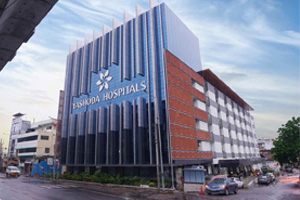
Advanced Maze Procedure treatment at Yashoda Hospitals delivers expert care, precise diagnosis, and safe recovery for atrial fibrillation patients.

  • Expert Cardiac Surgeons & Electrophysiologists
  • Advanced Surgical & Ablation Techniques
  • High-Precision and Safety-Focused Procedures
  • Personalised Treatment and Surgical Planning
  • Advanced Cardiac Care Infrastructure
  • Comprehensive Pre-Operative and Post-Operative Care

The Maze Procedure is a specialised cardiac surgery used to treat Atrial Fibrillation, a condition in which the heart beats irregularly due to abnormal electrical signals in the atria. It is commonly performed in patients who do not respond to medications or catheter-based treatments, or in those undergoing other heart surgeries. The procedure involves creating a series of controlled scar lines in the heart using techniques such as radiofrequency ablation or cryoablation, which help block abnormal signals and restore a normal heart rhythm. This improves symptoms like palpitations, fatigue, and shortness of breath while reducing the risk of stroke.

The Maze Procedure can be performed through traditional open-heart surgery or minimally invasive techniques, depending on the patient’s condition and the complexity of the case. It is usually carried out under general anesthesia and may take a few hours to complete. Most patients require a hospital stay of several days, followed by a recovery period of a few weeks, along with cardiac rehabilitation. When performed by experienced cardiac specialists, the procedure is considered safe and effective, offering long-term rhythm control and improved quality of life.

What is the Maze Procedure?

The Maze Procedure is a specialised heart surgery used to treat Atrial Fibrillation (AFib), a condition where the heart beats irregularly due to abnormal electrical signals in the atria (upper chambers). During the procedure, surgeons create a series of precise scar lines in the heart using techniques like radiofrequency ablation (heat) or cryoablation (freezing). These scars do not conduct electrical signals, helping block irregular impulses and directing them along a controlled pathway to restore a normal heart rhythm.

It is typically recommended for patients with persistent or severe AFib, especially when medications or catheter-based treatments are not effective or when the patient is already undergoing another heart surgery. The main goal of the Maze Procedure is to re-establish a regular heartbeat, reduce symptoms such as palpitations and fatigue, lower the risk of stroke, and improve overall heart function and quality of life.

Types of Maze Procedure:

The Maze Procedure can be performed using different techniques depending on the patient’s condition, severity of Atrial Fibrillation, and overall health. Over time, this procedure has evolved from traditional open-heart surgery to more advanced, minimally invasive, and hybrid approaches that improve safety, reduce recovery time, and enhance outcomes. Each type of Maze Procedure is designed to create controlled scar patterns in the heart to restore a normal rhythm while offering flexibility in treatment based on individual patient needs.

1. Traditional Maze Procedure (Cut-and-Sew Method):

This is the earliest and most established form of the Maze Procedure, performed as open-heart surgery. The surgeon makes carefully planned incisions in the atria and then sutures them back together to form scar tissue. These scars interrupt the abnormal electrical pathways responsible for Atrial Fibrillation. Although it is highly effective, it is usually recommended when a patient is already undergoing another major heart surgery, as it involves a longer recovery period.

2. Mini Maze Procedure (Minimally Invasive Approach):

The Mini Maze is a less invasive alternative that avoids opening the chest bone. Instead, surgeons operate through small incisions on the side of the chest using specialised instruments. Energy sources like radiofrequency (heat) or cryoablation (cold) are used to create the required scar patterns. This approach typically results in less pain, minimal scarring, a shorter hospital stay, and a faster return to daily activities, making it suitable for selected patients.

3. Hybrid Maze Procedure:

The Hybrid Maze combines the strengths of both surgery and catheter-based techniques. In this approach, a cardiac surgeon treats the outer surface of the heart, while an electrophysiologist performs catheter ablation inside the heart. This combined method is particularly beneficial for patients with long-standing or complex AFib, as it improves precision and overall success rates by addressing multiple sources of abnormal signals.

4. Cox Maze Procedure (Cox-Maze III & IV):

The Cox Maze procedures are refined versions of the original technique.

  • Cox-Maze III involves the traditional cut-and-sew approach and is considered very effective but more invasive.
  • Cox-Maze IV uses advanced energy sources like radiofrequency or cryoablation instead of surgical incisions, reducing operative time and recovery while maintaining excellent outcomes.

Today, the Cox-Maze IV is the most widely used method due to its balance of safety, effectiveness, and minimally invasive nature.

Procedure Name Maze Procedure (Surgical Treatment for Atrial Fibrillation)
Type Cardiac surgical procedure
Anesthesia General anesthesia
Duration Typically 2–4 hours (depending on complexity and approach)
Recovery 5–7 days hospital stay + recovery period

Specialist Doctors

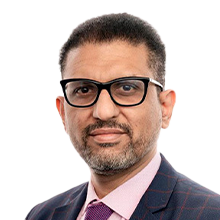
Dr. V. Rajasekhar

MD, DM

Senior Consultant Interventional Cardiology & Electrophysiology, Certified Proctor For TAVR & Clinical Director

English, Telugu, Hindi
30 Yrs
Hitec City
5 (1,983 reviews)

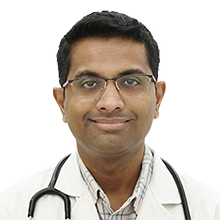
Dr. Bharat Vijay Purohit

MD, DM, FSCAI, FACC, FESC

Sr. Consultant Interventional Cardiologist & Director of Cath Lab

English, Hindi, Telugu
22 Yrs
Hitec City
4.7 (38 reviews)

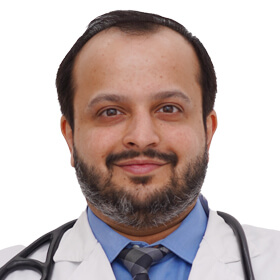
Dr. Gopi Krishna Rayidi

MD, DM

Sr. Consultant Interventional Cardiologist
Clinical Director

Telugu, Hindi, English
16 Yrs
Hitec City
4.9 (90 reviews)

Dr. Kala Jeethender Jain

MD (General Medicine), DM Cardiology (NIMS), FSCAI

Consultant Interventional Cardiologist

English, Hindi, Telugu
13 Yrs
Hitec City
4.9 (153 reviews)

Dr Damodhar Reddy Gouni

MBBS, MD(Gen. Medicine), DM(Cardiology)

Consultant Interventional Cardiologist

English, Telugu, Hindi, Malayalam
11 Yrs
Hitec City

Dr. C. Santosh Kumar

MD, DM

Consultant Cardiologist

English, Hindi, Telugu
18 Yrs
Malakpet
5 (26 reviews)

Dr. D. Sitaram

MBBS, MD, DNB (General Medicine), DNB (Cardiology)

Consultant Cardiologist

English, Hindi, Telugu, Kannada
16 Yrs
Malakpet
4.8 (22 reviews)

Dr. Pawan Poddar

MD (AIIMS), DM (PGI), FSCAI, FESC, FACC

Director of Cath Lab and Senior Consultant Interventional Cardiologist

English, Hindi, Telugu
16 Yrs
Malakpet
5 (44 reviews)

Dr. B. Venkat Reddy

MBBS, DNB (Gen-Medicine), DNB (Cardiology)

Consultant Interventional Cardiologist

Telugu, English, Hindi, Tamil
13 Yrs
Malakpet
4.8 (33 reviews)

Dr. Shabarinath Samudrala

MBBS, MD (General Medicine), DNB (Cardiology)

Consultant Interventional Cardiologist

Telugu, English, Hindi, Kannada, Tamil
12 Yrs
Malakpet
5 (46 reviews)

Dr. T. Sashikanth

MD, DM, Fellow ICPS (Paris)

Sr. Consultant Interventional Cardiologist, Director-CathLab & HOD

English, Hindi, Telugu
28 Yrs
Secunderabad
5 (30 reviews)

Dr. G. Ramesh

MD, DM, FACC, FSCAI, FESC

Sr. Consultant Interventional Cardiologist, Proctor for Complex Coronary Interventions

English, Hindi, Telugu, Kannada, Tamil, Malayalam
20 Yrs
Secunderabad
4.1 (49 reviews)

Dr. Anoop Agrawal

MBBS (AIIMS), MD/DM (USA), FACC

Senior Consultant, Interventional Cardiologist

English, Hindi
17 Yrs
Secunderabad
4.9 (222 reviews)

Dr. M S Aditya

MD, DM, FESC

Sr. Consultant Interventional Cardiologist

English, Hindi, Telugu
16 Yrs
Secunderabad
4.9 (40 reviews)

Dr. T. Krishna Kumar

MD, DNB (Cardiology), FESC, FSCAI

Consultant Interventional Cardiologist

English, Hindi, Telugu, Kannada
14 Yrs
Secunderabad
5 (16 reviews)

Dr. Praneeth Polamuri

MBBS, MD(Gen Med), DM(Cardiology), FSCAI

Senior Consultant Interventional Cardiologist

Telugu, English, Hindi
12 Yrs
Secunderabad
4.9 (133 reviews)

Dr. Sashi K Srivastav

MBBS, MD, DM (Cardiology)

Consultant Interventional Cardiologist

English, Hindi, Telugu, Kannada
12 Yrs
Secunderabad
4.5 (10 reviews)

Dr. Vishal Khante

MS, MCh (CTVS) GB Pant Delhi, Fellowship in Heart & Lung Transplant

Consultant Cardiothoracic - Minimal Invasive Surgeon

English, Hindi, Marati
11 Yrs
Secunderabad
5 (165 reviews)

Dr Chandra Mouli S Mantravadi

Consultant Cardiologist & Electrophysiologist

Telugu, Hindi, English
8 Yrs
Secunderabad

Dr. C. Raghu

MD, DM, FACC, FESC, FSCAI Level 2 Master in Structural Heart Interventions-Pisa University

Clinical Director & Senior Interventional Cardiologist

Telugu, English, Hindi
28 Yrs
Somajiguda
4.8 (2,750 reviews)

Dr. Pankaj Vinod Jariwala

MD, DNB (Cardiology)

Consultant Interventional Cardiologist

English, Hindi, Marathi, Gujarati, Telugu, Bengali, French, Sanskrit
20 Yrs
Somajiguda
4.6 (27 reviews)

Dr. A. Guru Prakash

MD, DM (Cardiology)

Sr. Consultant Interventional Cardiologist

English, Hindi, Telugu, Kannada
19 Yrs
Somajiguda
4.4 (20 reviews)

Dr. Gururaj Pramod

MBBS, DNB (Int Med), DNB (Cardiology), Dip. (Diab), NHS (London), Certified Heart Failure Specialist

Consultant Interventional Cardiologist

English, Hindi, Telugu, Kannada
10 Yrs
Somajiguda

Dr. Jagadesh Madireddi

MD (Manipal), DM (Cardiology - Jayadeva)

Consultant Interventional Cardiologist
Certified TAVI Operator
Proctor for Coronary Imaging (OCT)
Certified Orbital Atherectomy Operator

Telugu, English, Kannada, Hindi
10 Yrs
Somajiguda
4.9 (516 reviews)

Dr. Rohith P. Reddy

MD, DM (Cardiology)

Consultant Interventional Cardiologist

English, Hindi, Telugu, Kannada
10 Yrs
Somajiguda
5 (43 reviews)

Dr. Kashyap Vyas

MBBS, MD (Internal Medicine), DrNB (Cardiology)

Consultant Interventional Cardiologist

Hindi, English, Telugu, Marathi
8 Yrs
Somajiguda

Maze Procedure (Surgical Treatment for Atrial Fibrillation) Surgery: What to Expect Before, During & After Surgery

The Maze Procedure, performed to treat Atrial Fibrillation, involves careful planning and coordinated care at every stage. From preparation before surgery to recovery and long-term follow-up, each phase plays a vital role in ensuring a safe procedure and successful restoration of normal heart rhythm.

Pre-operative Care

Before the surgery, patients undergo a thorough evaluation to assess their overall heart health and suitability for the procedure. This typically includes tests such as ECG, echocardiography, chest imaging, and blood investigations. Doctors also review the patient’s medical history, current medications, and any underlying conditions. Patients are given clear instructions regarding fasting, medication adjustments, and lifestyle precautions before surgery. In addition, counselling is provided to help them understand the procedure, expected outcomes, and recovery process, which helps reduce anxiety and ensures better cooperation.

Intra-operative Care

During the procedure, the patient is placed under general anesthesia to ensure comfort and safety. A highly skilled cardiac surgical team continuously monitors vital parameters such as heart rate, blood pressure, oxygen levels, and cardiac rhythm. Depending on the chosen approach (open or minimally invasive), the surgeon creates precise scar patterns in the atria using advanced techniques like radiofrequency or cryoablation. These scars are carefully placed to block abnormal electrical signals and guide normal impulses. Strict sterile protocols and advanced monitoring systems are maintained throughout to minimise risks and ensure accuracy.

Post-operative Care

After surgery, patients are shifted to a specialised cardiac intensive care unit (ICU) for close observation. The medical team monitors heart rhythm, breathing, and overall stability while managing pain and preventing complications. As recovery progresses, patients are gradually encouraged to sit, walk, and perform light activities. Medications may be prescribed to maintain heart rhythm and prevent clot formation. Wound care, dietary guidance, and lifestyle advice are also provided. Cardiac rehabilitation programs play an important role in helping patients regain strength, improve heart function, and safely return to daily activities. Regular follow-up visits ensure long-term success and early detection of any issues.

Benefits of Maze Procedure (Surgical Treatment for Atrial Fibrillation) at Yashoda Hospitals

The Maze Procedure, used to treat Atrial Fibrillation, offers several important benefits that improve both heart function and overall quality of life.

  • Restores Normal Heart Rhythm: Helps re-establish a steady heartbeat and relieve symptoms of Atrial Fibrillation.
  • Reduces Risk of Stroke: Minimises clot formation and lowers the chances of stroke.
  • Decreases Dependence on Medications: May reduce the need for long-term heart rhythm and blood-thinning drugs.
  • Improves Quality of Life: Enhances energy levels, physical activity, and overall well-being.
  • High Success Rate: Provides effective and long-lasting results in many patients.
  • Can Be Combined with Other Surgeries: Allows simultaneous treatment during other heart procedures.

Testimonials

Discover what patients have to say about their experience with Coronary Angiography at Yashoda Hospitals.


Pallavi Jha

“I underwent Coronary Angiography at Yashoda Hospitals, and I couldn't be happier with the care I received. The medical team was highly skilled and made me feel comfortable throughout the procedure.”


Pallavi Jha 2

“I underwent Coronary Angiography at Yashoda Hospitals, and I couldn't be happier with the care I received. The medical team was highly skilled and made me feel comfortable throughout the procedure.”


Pallavi Jha 3

“I underwent Coronary Angiography at Yashoda Hospitals, and I couldn't be happier with the care I received. The medical team was highly skilled and made me feel comfortable throughout the procedure.”


Insurance Assistance for Maze Procedure (Surgical Treatment for Atrial Fibrillation)

  • All Insurances Covered
  • Zero Hidden Charges
  • Complete Documentation Support
  • Cashless Insurance Service

Free Second Opinion for Maze Procedure (Surgical Treatment for Atrial Fibrillation)

Before undergoing a Maze Procedure for Atrial Fibrillation, get a free second opinion from Yashoda Hospitals. Our expert cardiac specialists review your diagnosis and treatment plan, helping you confirm the need for surgery, explore alternatives, and make an informed decision with confidence and peace of mind.

Why Choose Yashoda Hospitals for Maze Procedure (Surgical Treatment for Atrial Fibrillation)?

Expertise in Cardiology & Cardiac Surgery

Yashoda Hospitals has a team of highly experienced cardiac surgeons and electrophysiologists specialising in the treatment of Atrial Fibrillation, ensuring precise and effective Maze procedures with a focus on restoring normal heart rhythm and improving patient outcomes.

Comprehensive Consultation & Evaluation

A detailed assessment, including medical history, physical examination, ECG, echocardiography, and advanced imaging, helps accurately diagnose the condition and determine the most suitable, personalised treatment plan for each patient.

Advanced Cardiac Infrastructure

The hospital is equipped with state-of-the-art operation theatres, advanced cardiac imaging systems, and modern ablation technologies that support safe, accurate, and effective Maze procedures.

Access to Skilled Multidisciplinary Specialists

Patients benefit from coordinated care provided by cardiac surgeons, electrophysiologists, anaesthesiologists, intensivists, and rehabilitation experts, ensuring complete support from diagnosis through recovery and long-term heart health management.

Exploring
Advanced Diagnostics?

Seeking Clarity
on Your Surgery Options?

Take the First Step
Towards Better Health

All major insurance are accepted for
Maze Procedure (Surgical Treatment for Atrial Fibrillation) Treatment


Our Locations

  • Malakpet Location

    Malakpet

  • Somajiguda Location

    Somajiguda

  • Secunderabad Location

    Secunderabad

  • Hitec City Location

    Hitec City

FAQ's

The Maze Procedure is a surgical treatment that creates controlled scar patterns in the heart, while catheter ablation is a minimally invasive procedure done through blood vessels; Maze is typically used for complex or persistent Atrial Fibrillation cases.

Recovery usually takes about 4–8 weeks, with a hospital stay of around 5–7 days for open surgery and shorter for minimally invasive methods.

The cost generally ranges from ₹2,50,000 to ₹6,00,000, depending on the procedure type, hospital, and patient condition.

Maze therapy refers to surgical or minimally invasive techniques that create scar tissue in the heart to block abnormal electrical signals and restore a normal rhythm.

The procedure has a success rate of around 70%–90%, especially in patients with long-standing or persistent AFib.

Patients with persistent or long-standing Atrial Fibrillation, especially those who do not respond to medications or catheter ablation, are ideal candidates.

Yes, it is generally safe when performed by experienced cardiac surgeons, though, like any heart surgery, it carries some risks.

In some cases, a pacemaker may be required if the heart’s natural rhythm does not stabilise properly after surgery.

Many patients experience long-term or permanent relief, but outcomes can vary depending on individual health conditions.

The procedure typically takes around 2–4 hours, depending on the complexity and surgical approach.

Most patients can gradually resume normal activities within 4–8 weeks, based on recovery progress and medical advice.
Book an appointment
in 2 minutes