Select Page

Advanced
Aortic Aneurysm
Surgery in Hyderabad

Advanced Aortic Aneurysm Care Backed by Expertise, Innovation, and a Dedicated Multidisciplinary Team at Yashoda Hospitals

  • Dedicated Aortic Specialists for Complex Aneurysm Care
  • Advanced Endovascular & Open Aortic Aneurysm Repair Under One Roof
  • Comprehensive Aortic Center with Multidisciplinary Expertise
  • Precision Aortic Interventions Powered by Advanced Imaging
  • 24/7 Emergency Care for Acute Aortic Conditions
  • Expertise in Treating Thoracic, Abdominal & Complex Aortic Aneurysms

What Is Aortic Aneurysm Surgery?

Aortic aneurysm surgery repairs a weak and swollen area in the aorta, a major blood vessel that transports blood in the body. Vascular surgeons/cardiovascular/cardiothoracic surgeons might suggest aneurysm surgery if the aneurysm is too large and is growing quickly or leading to symptoms like chest pain, back pain, abdominal pain, or difficulty breathing (shortness of breath). Some aneurysms are identified during regular scans before any symptoms start to appear.

Advanced diagnostic imaging, such as computed tomography scans, magnetic resonance imaging scans, or ultrasound, helps to assess the exact size and location of the aneurysm and determine the most appropriate treatment approach

The surgery concentrates on strengthening the affected part of the aorta and reinstating its normal function. Developments in medical technology and surgical methods have made controlling aortic aneurysms safer and more successful than before. On-time therapy for an aortic aneurysm is vital because it greatly decreases the risk of serious problems. With proper medical care and follow-up, most of the patients can continue to lead active and healthy lives after their aortic aneurysm has been effectively treated.

Types of Aortic Aneurysm Surgery:

The type of aneurysm surgery hinges on the size of the aneurysm, its location, anatomy, the overall health of the patient, and the risk of rupture. State-of-the-art therapy methods are customized to accomplish the safest and most successful results for each patient.

  • Open Aortic Aneurysm Repair: A conventional surgical method in which the damaged part of the aorta is replaced with a long-lasting synthetic graft to reinstate normal flow of blood and avoid rupture.
  • Endovascular Aneurysm Repair (EVAR): A minimally invasive technique utilized mainly for abdominal aortic aneurysms. A stent graft is positioned inside the aorta through small cuts in the groin region to support the weak vessel wall.
  • Thoracic Endovascular Aortic Repair (TEVAR): A minimally invasive therapy for thoracic aortic aneurysms in which a stent-graft is placed within the chest portion of the aorta to exclude the aneurysm from blood flow.
  • Fenestrated Endovascular Aneurysm Repair (FEVAR): A state-of-the-art endovascular procedure that utilizes a specifically planned stent-graft with openings to maintain blood flow to vital branches of the aorta, such as the renal arteries.
  • Branched Endovascular Aneurysm Repair (BEVAR): Is a specialized method for complicated aneurysms involving major aortic branches, utilizing custom grafts that safeguard blood circulation to important organs.
  • Hybrid Aortic Aneurysm Repair: Uses a combination of open surgical and endovascular techniques in a single treatment plan, mostly utilized for complicated aneurysms that cannot be controlled by one method alone.
  • Aortic Root Replacement: Is done when an aneurysm affects the end part (the root) of the aorta near the heart. The problematic part is then replaced to reinstate the normal functioning of the aorta.
  • Ascending Aorta Replacement: Employed to provide therapy to aneurysms located in the ascending aorta, the portion that rises directly from the heart.
  • Aortic Arch Repair Or Replacement: A complicated method when an aneurysm involves the aortic arch, which supplies blood to the head, neck, and arms.
  • Thoracoabdominal Aortic Aneurysm Repair: A specialized surgery is utilized to provide therapy to aneurysms that extend through both the chest and abdominal portions of the aorta.
Procedure Name Aortic Aneurysm
Surgery type Open surgery or minimally invasive endovascular surgery, depending on the aneurysm location, size, and complexity
Type of anesthesia used General Anesthesia
Duration of procedure Approximately 2-6 hours
Duration of recovery Approximately 2-12 weeks, based on the method of treatment and the individual’s ability to recover.

Specialist Doctors For Aortic Aneurysm Surgery

When it is time for aortic aneurysm care, the skill of the surgical team makes a life-sustaining difference. Yashoda Hospital’s team of highly accomplished aortic specialists includes principal vascular surgeons, cardiothoracic surgeons, endovascular experts, cardiac anesthesiologists, and critical care physicians to provide state-of-the-art therapy for even the most complicated aortic diseases. With years of experience in treating abdominal and thoracic aortic aneurysms, aortic dissections, ruptured aneurysms, and other advanced aortic diseases, specialists at Yashoda Hospital are prepared to give accurate, patient-specific care at every stage. Utilizing state-of-the-art technologies, that includes advanced computed tomography angiography, hybrid operating suites, intraoperative imaging, endovascular aneurysm repair (EVAR), and thoracic endovascular aortic repair (TEVAR), Yashoda Hospitals offers both minimally invasive and open surgical solutions suited to each patient’s specific needs.

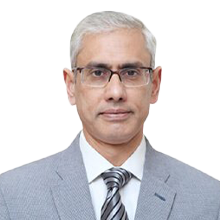
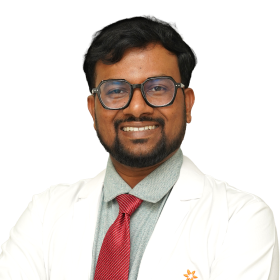
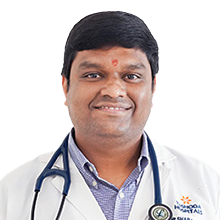
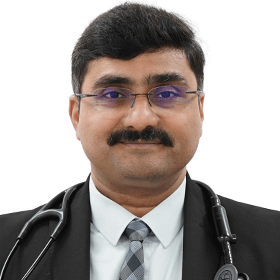
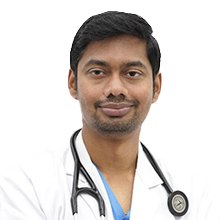
Dr. V. Rajasekhar

MD, DM

Senior Consultant Interventional Cardiology & Electrophysiology, Certified Proctor For TAVR & Clinical Director

English, Telugu, Hindi
30 Yrs
Hitec City

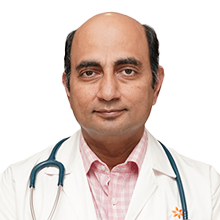
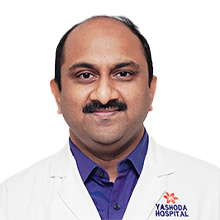
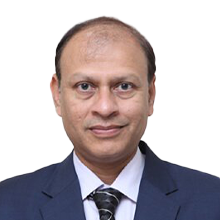
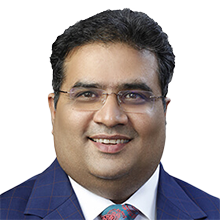
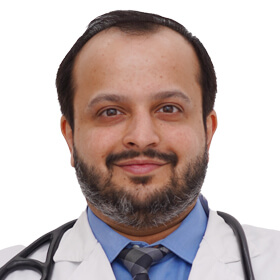
Dr. Bharat Vijay Purohit

MD, DM, FSCAI, FACC, FESC

Sr. Consultant Interventional Cardiologist & Director of Cath Lab

English, Hindi, Telugu
22 Yrs
Hitec City

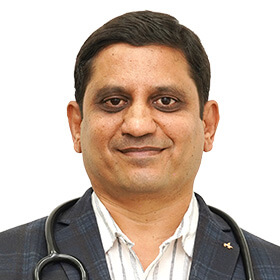
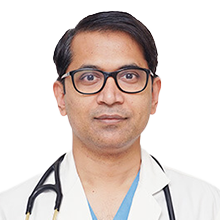
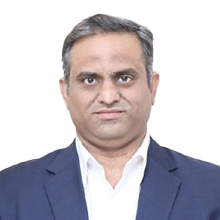
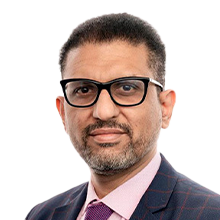
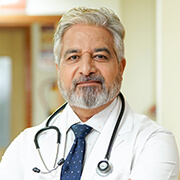
Dr. Gopi Krishna Rayidi

MD, DM

Sr. Consultant Interventional Cardiologist
Clinical Director

Telugu, Hindi, English
16 Yrs
Hitec City

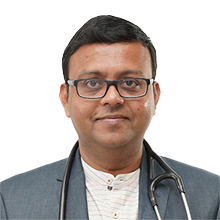
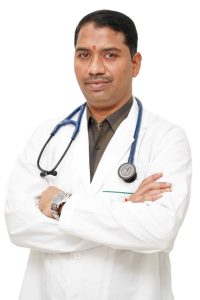
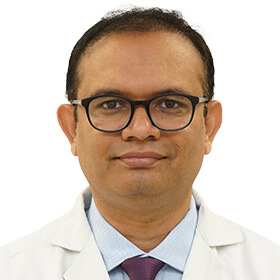
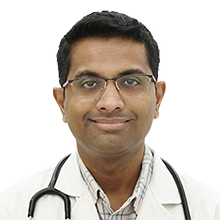
Dr. Kala Jeethender Jain

MD (General Medicine), DM Cardiology (NIMS), FSCAI

Consultant Interventional Cardiologist

English, Hindi, Telugu
13 Yrs
Hitec City

Dr Damodhar Reddy Gouni

MBBS, MD(Gen. Medicine), DM(Cardiology)

Consultant Interventional Cardiologist

English, Telugu, Hindi, Malayalam
11 Yrs
Hitec City

Dr. C. Santosh Kumar

MD, DM

Consultant Cardiologist

English, Hindi, Telugu
18 Yrs
Malakpet

Dr. D. Sitaram

MBBS, MD, DNB (General Medicine), DNB (Cardiology)

Consultant Cardiologist

English, Hindi, Telugu, Kannada
16 Yrs
Malakpet

Dr. Pawan Poddar

MD (AIIMS), DM (PGI), FSCAI, FESC, FACC

Director of Cath Lab and Senior Consultant Interventional Cardiologist

English, Hindi, Telugu
16 Yrs
Malakpet

Dr. B. Venkat Reddy

MBBS, DNB (Gen-Medicine), DNB (Cardiology)

Consultant Interventional Cardiologist

Telugu, English, Hindi, Tamil
13 Yrs
Malakpet

Dr. Shabarinath Samudrala

MBBS, MD (General Medicine), DNB (Cardiology)

Consultant Interventional Cardiologist

Telugu, English, Hindi, Kannada, Tamil
12 Yrs
Malakpet

Dr. T. Sashikanth

MD, DM, Fellow ICPS (Paris)

Sr. Consultant Interventional Cardiologist, Director-CathLab & HOD

English, Hindi, Telugu
28 Yrs
Secunderabad

Dr. G. Ramesh

MD, DM, FACC, FSCAI, FESC

Sr. Consultant Interventional Cardiologist, Proctor for Complex Coronary Interventions

English, Hindi, Telugu, Kannada, Tamil, Malayalam
20 Yrs
Secunderabad

Dr. Anoop Agrawal

MBBS (AIIMS), MD/DM (USA), FACC

Senior Consultant, Interventional Cardiologist

English, Hindi
17 Yrs
Secunderabad

Dr. M S Aditya

MD, DM, FESC

Sr. Consultant Interventional Cardiologist

English, Hindi, Telugu
16 Yrs
Secunderabad

Dr. T. Krishna Kumar

MD, DNB (Cardiology), FESC, FSCAI

Consultant Interventional Cardiologist

English, Hindi, Telugu, Kannada
14 Yrs
Secunderabad

Dr. Praneeth Polamuri

MBBS, MD(Gen Med), DM(Cardiology), FSCAI

Senior Consultant Interventional Cardiologist

Telugu, English, Hindi
12 Yrs
Secunderabad

Dr. Sashi K Srivastav

MBBS, MD, DM (Cardiology)

Consultant Interventional Cardiologist

English, Hindi, Telugu, Kannada
12 Yrs
Secunderabad

Dr. Vishal Khante

MS, MCh (CTVS) GB Pant Delhi, Fellowship in Heart & Lung Transplant

Consultant Cardiothoracic - Minimal Invasive Surgeon

English, Hindi, Marati
11 Yrs
Secunderabad

Dr Chandra Mouli S Mantravadi

Consultant Cardiologist & Electrophysiologist

Telugu, Hindi, English
8 Yrs
Secunderabad

Dr. C. Raghu

MD, DM, FACC, FESC, FSCAI Level 2 Master in Structural Heart Interventions-Pisa University

Clinical Director & Senior Interventional Cardiologist

Telugu, English, Hindi
28 Yrs
Somajiguda

Dr. Pankaj Vinod Jariwala

MD, DNB (Cardiology)

Consultant Interventional Cardiologist

English, Hindi, Marathi, Gujarati, Telugu, Bengali, French, Sanskrit
20 Yrs
Somajiguda

Dr. A. Guru Prakash

MD, DM (Cardiology)

Sr. Consultant Interventional Cardiologist

English, Hindi, Telugu, Kannada
19 Yrs
Somajiguda

Dr. Gururaj Pramod

MBBS, DNB (Int Med), DNB (Cardiology), Dip. (Diab), NHS (London), Certified Heart Failure Specialist

Consultant Interventional Cardiologist

English, Hindi, Telugu, Kannada
10 Yrs
Somajiguda

Dr. Jagadesh Madireddi

MD (Manipal), DM (Cardiology - Jayadeva)

Consultant Interventional Cardiologist
Certified TAVI Operator
Proctor for Coronary Imaging (OCT)
Certified Orbital Atherectomy Operator

Telugu, English, Kannada, Hindi
10 Yrs
Somajiguda

Dr. Rohith P. Reddy

MD, DM (Cardiology)

Consultant Interventional Cardiologist

English, Hindi, Telugu, Kannada
10 Yrs
Somajiguda

Dr. Kashyap Vyas

MBBS, MD (Internal Medicine), DrNB (Cardiology)

Consultant Interventional Cardiologist

Hindi, English, Telugu, Marathi
8 Yrs
Somajiguda
Aortic Aneurysm: Pre-Op & Post-Op Care

Aortic Aneurysm Surgery: Pre-Operative, Intra-Operative, and Post-Operative Care

Aortic aneurysm surgery comprises a sequence of properly planned steps before, during, and after the procedure to ensure the safety of the patient, effective treatment, and proper recovery.

Pre-Operative (Before Surgery) Procedure For Aortic Aneurysm Surgery

Before undergoing aortic aneurysm surgery, the patient undergoes a comprehensive medical evaluation to assess their overall health and determine the most appropriate treatment approach. Diagnostic imaging tests such as computed tomography (CT) scans, magnetic resonance imaging (MRI), or angiography are performed to evaluate the size, location, and extent of the aneurysm. Additional investigations, including blood tests, electrocardiography (ECG), and heart and lung function assessments, may also be required. Patients are typically instructed to avoid eating or drinking for several hours before the procedure. Before surgery, the surgeon and anesthesiologist discuss the procedure, potential risks, benefits, and expected recovery process with the patient and their family.

Intra-Operative (During Surgery) Procedure For Aortic Aneurysm Surgery

On the day of the procedure, the patient is administered anesthesia to ensure comfort throughout the surgery. The surgical team continuously monitors vital signs, including heart rate, blood pressure, oxygen levels, and overall cardiac function. Using the planned surgical approach, the surgeon accesses the affected section of the aorta, carefully identifies the aneurysm, and performs the necessary repair using specialized techniques. Throughout the procedure, blood flow through the aorta is maintained or restored as required, while the team closely watches for any bleeding or other potential complications. Once the repair is completed, the patient is transferred to a recovery area or intensive care unit (ICU) for close monitoring and post-operative care.

Post-Operative (After Surgery) Aortic Aneurysm Procedure:

Following the surgery, the patient is closely monitored in the intensive care unit (ICU) with pain management and supportive care for vital signs, circulation, and overall health recovery process. Patients can resume regular activities under the guidance of the healthcare team to promote healing and reduce the risk of complications. Medications may be prescribed to control blood pressure, prevent complications, and support recovery, while follow-up imaging tests may be performed to assess the success of the repair. As recovery progresses, activity levels are gradually increased, and regular follow-up appointments help ensure proper healing, monitor long-term aortic health, and support the patient’s return to normal daily activities

Benefits of Aortic Aneurysm at Yashoda Hospitals
  • Prevents the rupture of an aneurysm.
  • Lowers the risk of aortic dissection (tear in the aorta).
  • Provides strength and reinstates the weak section of the aorta.
  • Improves long-term survival in patients.
  • Provides relief from symptoms.
  • Decreases the risk of surgery in an emergency.
  • Assists in maintaining normal blood flow.
  • Prevents further bulging/swelling of the aneurysm.
  • Improves the quality of life.
  • Provides long-lasting and robust treatment.
  • Allows quick return to daily activities if minimally invasive procedures are used.
  • Supports better overall cardiovascular health.

Testimonials

Discover what patients have to say about their experience with Coronary Angiography at Yashoda Hospitals.


Pallavi Jha

“I underwent Coronary Angiography at Yashoda Hospitals, and I couldn't be happier with the care I received. The medical team was highly skilled and made me feel comfortable throughout the procedure.”


Pallavi Jha 2

“I underwent Coronary Angiography at Yashoda Hospitals, and I couldn't be happier with the care I received. The medical team was highly skilled and made me feel comfortable throughout the procedure.”


Pallavi Jha 3

“I underwent Coronary Angiography at Yashoda Hospitals, and I couldn't be happier with the care I received. The medical team was highly skilled and made me feel comfortable throughout the procedure.”


Insurance Assistance for Aortic Aneurysm

  • Yashoda Hospitals provides highly committed insurance coordinators to help with aortic aneurysm surgery-related claims and approvals.
  • Cashless Hospitalization is available with a wide network of insurance providers and third-party administrators, subject to the terms of the policy.
  • Yashoda Hospitals also provides support for pre-authorization, policy verification, and needed documentation.
  • Assistance is provided for insurance approvals to open aneurysm repair, EVAR, and TEVAR procedures.
  • Transparent guidance is given on coverage, exclusions, and estimated out-of-pocket expenses.
  • There is also end-to-end claim support to ensure a smooth and effortless treatment experience for aortic aneurysms.

Get Insurance Assistance

Free Second Opinion for Aortic Aneurysm

At Yashoda Hospitals, patients can benefit from a free second opinion from experienced aortic specialists who review imaging reports, diagnostic tests, and existing treatment recommendations to help them better understand their condition and available treatment options, including surgery, EVAR, TEVAR, or active monitoring. The team provides clear guidance on procedural risks, expected outcomes, recovery, and long-term care, enabling patients to make informed decisions with confidence at no additional cost. Yashoda Hospitals is equipped with advanced cardiac and vascular operation theaters, state-of-the-art diagnostic and imaging facilities for precise treatment planning, and 24/7 emergency services for ruptured aneurysms and other life-threatening aortic conditions.

Get Free Second Opinion

Exploring
Advanced Diagnostics?

Seeking Clarity
on Your Surgery Options?

Take the First Step
Towards Better Health

All major insurance are accepted for
Aortic Aneurysm Treatment


Our Locations

  • Malakpet Location

    Malakpet

  • Somajiguda Location

    Somajiguda

  • Secunderabad Location

    Secunderabad

  • Hitec City Location

    Hitec City

FAQ's

Aortic aneurysm surgery has a success rate of 95% to 99% if the aneurysm is identified and treated before the rupture of the aneurysm.

Most patients can fly after aortic aneurysm surgery, once their surgeon confirms proper recovery, especially a few weeks after surgery, depending on the procedure and overall health.

Yes, walking and light activities can normally be resumed quickly, while stressful exercise is slowly reintroduced under medical supervision.

A swollen aneurysm can rupture or disperse, leading to life-threatening internal bleeding and requiring emergency treatment.

No, endovascular techniques are suitable for patients whose aneurysm anatomy meets some requirements.

Most patients need periodic imaging studies to ensure the repair remains stable and also to observe the condition of the rest of the aorta.

Modern surgical grafts are manufactured for long-term durability and mostly last for decades without needing any replacement.

Yes, some genetic conditions and family history increase the risk of aortic aneurysm, making screening and repair vital for close relatives.

For aneurysms that meet the surgery criteria, surgery can reduce the risk of aneurysm rupture by over 90% and greatly improve long-term survival, making it a life-saving intervention.

Specialist doctors consider factors like aneurysm size, growth rate, symptoms, and overall risk of rupture before suggesting surgery to the patient.
Book an appointment
in 2 minutes