Select Page

Advanced
Mitral Valve-In-Valve ViV
Surgery in Hyderabad

Leading cardiovascular center with a proficient team of valve specialists for state-of-the-art mitral valve-in-valve therapy at Yashoda Hospitals.

  • 30+ Years of Trusted Expertise in Complex Structural Heart and Valve Procedures
  • Advanced Mitral Valve-In-Valve Therapy for Failed Bioprosthetic Valves
  • Multidisciplinary expertise across cardiology, surgery, imaging, and critical care.
  • Precision-guided valve interventions supported by advanced 3D echocardiography
  • Minimally invasive treatment option for reduced surgical trauma and recovery time
    Modern hybrid cardiac suites equipped to manage complex valve procedures

What Is Mitral Valve-In-Valve Surgery?

Mitral valve-in-valve (MVIV) is performed for patients whose previously implanted tissue mitral valve has become damaged or has stopped working properly over time. The method provides therapy for a futile bioprosthetic mitral valve, mitral valve stenosis (narrowing of the valve), mitral valve regurgitation (leakage of the valve), structural valve degeneration, mitral valve calcification, and mixed mitral valve disease that involves both narrowing and leakage. These diseases might lead to signs like breathlessness, tiredness, palpitations, swelling in the legs, dizziness, and decreased physical activity.

Before doing a mitral valve-in-valve procedure, interventional cardiologists and cardiothoracic surgeons execute a detailed examination utilizing echocardiography, CT scans, and other cardiac evaluations to evaluate the condition of the valve and ascertain the most suitable treatment method. Developments in cardiac imaging and valve technologies have made mitral valve-in-valve treatment a vital therapy option for patients with failing mitral valves.

Types of Mitral Valve-in-Valve Procedures

Mitral valve-in-valve procedures are categorized based on the access route used to place the new valve. The choice of approach depends on the patient’s anatomy, overall health, and the condition of the existing valve, ensuring a safe and effective valve replacement.

  • Transseptal Mitral Valve-In-Valve: In this minimally invasive procedure, the new replacement valve is delivered through a thin catheter inserted into a vein in the groin. The new valve is then positioned inside the failing bioprosthetic valve, restoring normal blood flow while avoiding the need for open-heart surgery in many patients.
  • Transapical Mitral Valve-in-Valve: This approach involves implanting the new valve through a small incision made near the apex (tip) of the heart. The transapical technique may be recommended for patients whose anatomy or clinical condition makes the transseptal approach less suitable, offering an effective alternative for complex valve-replacement procedures.
  • Hybrid Mitral Valve-In-Valve Procedure: This advanced approach combines surgical expertise with catheter-based technology to treat patients with complex mitral valve conditions. It allows specialists to customize treatment strategies, particularly in critical cases where conventional transcatheter procedures alone may not provide the best outcome.
  • Surgical Mitral Valve Re-replacement (Redo Mitral Valve Surgery): Redo mitral valve surgery is a conventional open-heart procedure where the failed valve is removed and replaced with a new prosthetic valve. It helps restore optimal heart function and improve symptoms.
    These are the main methods used to treat a failed bioprosthetic mitral valve, with the option chosen based on the patient’s anatomy, valve condition, and overall health.
Procedure Name Mitral Valve-In-Valve ViV
Surgery type Minimally invasive transcatheter heart valve procedure
Type of anesthesia used General Anesthesia (most common) or conscious sedation in some cases
Duration of procedure Approximately 2 to 4 Hours
Duration of recovery Normally 1 to 2 weeks for regular activities; complete recovery might take 4 to 6 weeks based on the condition of the patient

Specialist Doctor For Mitral Valve-In-Valve Surgery

Mitral Valve-In-Valve surgery needs the skill of highly professional structural heart specialists and interventional cardiologists with complete experience in state-of-the-art transcatheter valve treatment. These skilled individuals collaborate with cardiac surgeons, cardiac imaging experts, anesthesiologists, and essential care teams to guarantee an accurate plan and effective valve implantation. They use state-of-the-art imaging technologies such as 3D echocardiography and cardiac computed tomography scans; the heart team meticulously examines each patient and develops a specific treatment plan. Their skills assist in controlling complicated scenarios, decreasing the risks, and enhancing clinical results. From pre-procedure evaluation and valve section to post-procedure follow-up, experienced mitral valve specialists play an important role in delivering safe, successful, and patient-centric care.

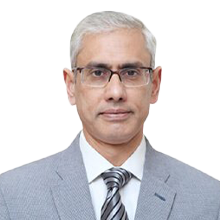
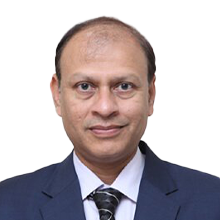
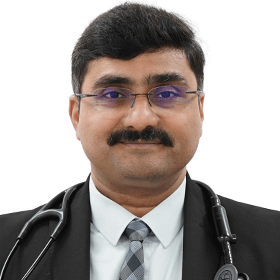
Dr. V. Rajasekhar

MD, DM

Senior Consultant Interventional Cardiology & Electrophysiology, Certified Proctor For TAVR & Clinical Director

English, Telugu, Hindi
30 Yrs
Hitec City

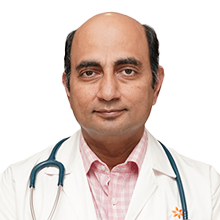
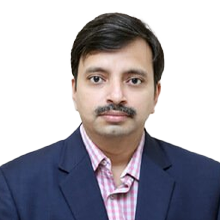
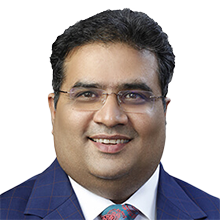
Dr. Bharat Vijay Purohit

MD, DM, FSCAI, FACC, FESC

Sr. Consultant Interventional Cardiologist & Director of Cath Lab

English, Hindi, Telugu
22 Yrs
Hitec City

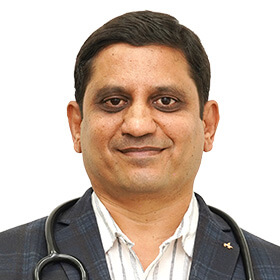
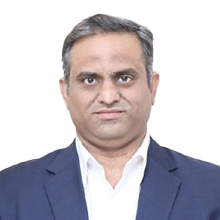
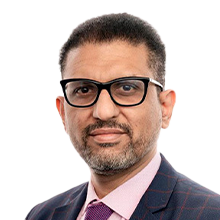
Dr. Gopi Krishna Rayidi

MD, DM

Sr. Consultant Interventional Cardiologist
Clinical Director

Telugu, Hindi, English
16 Yrs
Hitec City

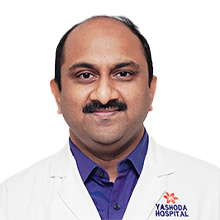
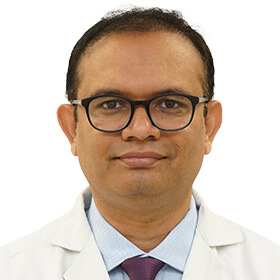
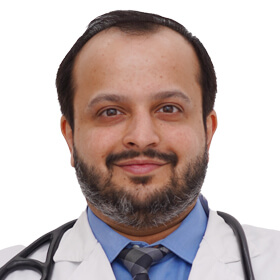
Dr. Kala Jeethender Jain

MD (General Medicine), DM Cardiology (NIMS), FSCAI

Consultant Interventional Cardiologist

English, Hindi, Telugu
13 Yrs
Hitec City

Dr Damodhar Reddy Gouni

MBBS, MD(Gen. Medicine), DM(Cardiology)

Consultant Interventional Cardiologist

English, Telugu, Hindi, Malayalam
11 Yrs
Hitec City

Dr. C. Santosh Kumar

MD, DM

Consultant Cardiologist

English, Hindi, Telugu
18 Yrs
Malakpet

Dr. D. Sitaram

MBBS, MD, DNB (General Medicine), DNB (Cardiology)

Consultant Cardiologist

English, Hindi, Telugu, Kannada
16 Yrs
Malakpet

Dr. Pawan Poddar

MD (AIIMS), DM (PGI), FSCAI, FESC, FACC

Director of Cath Lab and Senior Consultant Interventional Cardiologist

English, Hindi, Telugu
16 Yrs
Malakpet

Dr. B. Venkat Reddy

MBBS, DNB (Gen-Medicine), DNB (Cardiology)

Consultant Interventional Cardiologist

Telugu, English, Hindi, Tamil
13 Yrs
Malakpet

Dr. Shabarinath Samudrala

MBBS, MD (General Medicine), DNB (Cardiology)

Consultant Interventional Cardiologist

Telugu, English, Hindi, Kannada, Tamil
12 Yrs
Malakpet

Dr. T. Sashikanth

MD, DM, Fellow ICPS (Paris)

Sr. Consultant Interventional Cardiologist, Director-CathLab & HOD

English, Hindi, Telugu
28 Yrs
Secunderabad

Dr. G. Ramesh

MD, DM, FACC, FSCAI, FESC

Sr. Consultant Interventional Cardiologist, Proctor for Complex Coronary Interventions

English, Hindi, Telugu, Kannada, Tamil, Malayalam
20 Yrs
Secunderabad

Dr. Anoop Agrawal

MBBS (AIIMS), MD/DM (USA), FACC

Senior Consultant, Interventional Cardiologist

English, Hindi
17 Yrs
Secunderabad

Dr. M S Aditya

MD, DM, FESC

Sr. Consultant Interventional Cardiologist

English, Hindi, Telugu
16 Yrs
Secunderabad

Dr. T. Krishna Kumar

MD, DNB (Cardiology), FESC, FSCAI

Consultant Interventional Cardiologist

English, Hindi, Telugu, Kannada
14 Yrs
Secunderabad

Dr. Praneeth Polamuri

MBBS, MD(Gen Med), DM(Cardiology), FSCAI

Senior Consultant Interventional Cardiologist

Telugu, English, Hindi
12 Yrs
Secunderabad

Dr. Sashi K Srivastav

MBBS, MD, DM (Cardiology)

Consultant Interventional Cardiologist

English, Hindi, Telugu, Kannada
12 Yrs
Secunderabad

Dr. Vishal Khante

MS, MCh (CTVS) GB Pant Delhi, Fellowship in Heart & Lung Transplant

Consultant Cardiothoracic - Minimal Invasive Surgeon

English, Hindi, Marati
11 Yrs
Secunderabad

Dr Chandra Mouli S Mantravadi

Consultant Cardiologist & Electrophysiologist

Telugu, Hindi, English
8 Yrs
Secunderabad

Dr. C. Raghu

MD, DM, FACC, FESC, FSCAI Level 2 Master in Structural Heart Interventions-Pisa University

Clinical Director & Senior Interventional Cardiologist

Telugu, English, Hindi
28 Yrs
Somajiguda

Dr. Pankaj Vinod Jariwala

MD, DNB (Cardiology)

Consultant Interventional Cardiologist

English, Hindi, Marathi, Gujarati, Telugu, Bengali, French, Sanskrit
20 Yrs
Somajiguda

Dr. A. Guru Prakash

MD, DM (Cardiology)

Sr. Consultant Interventional Cardiologist

English, Hindi, Telugu, Kannada
19 Yrs
Somajiguda

Dr. Gururaj Pramod

MBBS, DNB (Int Med), DNB (Cardiology), Dip. (Diab), NHS (London), Certified Heart Failure Specialist

Consultant Interventional Cardiologist

English, Hindi, Telugu, Kannada
10 Yrs
Somajiguda

Dr. Jagadesh Madireddi

MD (Manipal), DM (Cardiology - Jayadeva)

Consultant Interventional Cardiologist
Certified TAVI Operator
Proctor for Coronary Imaging (OCT)
Certified Orbital Atherectomy Operator

Telugu, English, Kannada, Hindi
10 Yrs
Somajiguda

Dr. Rohith P. Reddy

MD, DM (Cardiology)

Consultant Interventional Cardiologist

English, Hindi, Telugu, Kannada
10 Yrs
Somajiguda

Dr. Kashyap Vyas

MBBS, MD (Internal Medicine), DrNB (Cardiology)

Consultant Interventional Cardiologist

Hindi, English, Telugu, Marathi
8 Yrs
Somajiguda
Mitral Valve-In-Valve ViV: Pre-Op & Post-Op Care

Mitral valve-in-valve surgery comprises a sequence of properly planned steps before, during, and after the procedure to ensure the safety of the patient, effective treatment, and proper recovery.

Pre-Operative Procedure:

The cardiologist evaluates the medical history, symptoms, and previous heart valve surgery specifics, followed by tests like a CT scan, ECG, chest X-ray, and echocardiography, to examine the existing valve condition.
Medicines such as blood thinners are evaluated and modified before the procedure. The anesthesia team then examines the overall health of the patient and advises fasting instructions along with benefits, risks, and the recovery process post-procedure.

Intra-Operative Procedure

The mitral valve-in-valve procedure is followed by a catheter being thrust through a blood vessel, mostly in the groin region. Then a fresh transcatheter valve is positioned inside the previously implanted failing mitral bioprosthetic valve, and the replacement valve is then expanded and firmly anchored within the old valve. The medical staff then confirms proper placement of the valve and function utilizing echocardiography and imaging techniques. Once satisfactory outcomes are obtained, the catheter is removed, and the access site is then closed. This whole mitral valve-in-valve surgery normally takes about 1 to 3 hours.

Post-Operative Procedure

The patient is kept under observation for a short period to checkheart beat, blood pressure, levels of oxygen, and valve function. Patients are encouraged to start walking within 24 hours, depending on their condition. Pain is usually minimal because the mitral valve surgery does not require open-heart surgery. Blood-thinning medicines might be suggested to decrease the risk of clot formation. That patients normally stay in the hospital for 1 to 3 days. After which regular follow-up visits are scheduled to observe valve performance and overall health of the heart. Finally, most patients after mitral valve-in-valve can normally return to normal daily activities within a few weeks, based on the advice of the doctor.

Benefits of Mitral Valve-In-Valve ViV at Yashoda Hospitals
  • Minimally invasive therapy
  • Avoids routine open-heart surgeries
  • Shorter hospital stay
  • Faster recovery
  • Decreased Surgical Trauma
  • Lower risk of problems
  • Improves blood flow
  • Provides relief from symptoms
  • Increases patient’s quality of life
  • Appropriate for elderly or medically complicated patients
  • Shorter procedure duration
  • Less blood loss
  • High success rate
  • Better functional capacity
  • Provides a long-lasting treatment option.

Testimonials

Discover what patients have to say about their experience with Coronary Angiography at Yashoda Hospitals.


Pallavi Jha

“I underwent Coronary Angiography at Yashoda Hospitals, and I couldn't be happier with the care I received. The medical team was highly skilled and made me feel comfortable throughout the procedure.”


Pallavi Jha 2

“I underwent Coronary Angiography at Yashoda Hospitals, and I couldn't be happier with the care I received. The medical team was highly skilled and made me feel comfortable throughout the procedure.”


Pallavi Jha 3

“I underwent Coronary Angiography at Yashoda Hospitals, and I couldn't be happier with the care I received. The medical team was highly skilled and made me feel comfortable throughout the procedure.”


Insurance Assistance for Mitral Valve-In-Valve ViV

  • Cashless hospitalization support via a wide network of insurance companies and third-party administrators.
  • Devoted insurance coordinators to help with approvals, claims, and necessary documentation.
  • Pre-authorization helps to assist in guaranteeing a smooth and on-time treatment process.
  • Clear guidance on insurance coverage and estimated treatment costs before admission.
  • Complete claim support from admission to discharge for an effortless patient experience.


Free Second Opinion for Mitral Valve-In-Valve ViV

Patients should choose Yashoda Hospitals for a free second opinion on mitral valve-in-valve procedure and treatment, as the hospital has highly skilled heart specialists who evaluate the patient’s medical records, imaging reports, and previous treatment suggestions to provide a skilled explanation of the patient’s condition. This service assists patients in better understanding the options for therapy, getting confident in their decision-making, and exploring the most appropriate method for their individual needs.

Exploring
Advanced Diagnostics?

Seeking Clarity
on Your Surgery Options?

Take the First Step
Towards Better Health

All major insurance are accepted for
Mitral Valve-In-Valve ViV Treatment


Our Locations

  • Malakpet Location

    Malakpet

  • Somajiguda Location

    Somajiguda

  • Secunderabad Location

    Secunderabad

  • Hitec City Location

    Hitec City

FAQ's

Mitral Valve-In-Valve method has shown a high success rate, mostly surpassing 90% to 95% in properly selected patients, based on individual health factors and the anatomy of the valve.

Most patients after a mitral valve-in-valve procedure are discharged within a few days and can return to most of their normal activities within 1-4 weeks, eventhough recovery timelines might be different.

Yes, one of the main benefits of a mitral valve-in-valve procedure is that it can provide therapy for a failing bioprosthetic mitral valve without requiring another open heart operation in many eligible patients.

Age alone does not decide if a patient is suitable for mitral valve-in-valve surgery, as most of elderly patients are considered to be high-risk for traditional surgery, and might still be suitable candidates after a complete evaluation by the heart team.

Valve durability differs from patient to patient, but state-of-the-art transcatheter valves are planned to provide long-term performance and provide relief from symptoms for many years.

Many patients feel improvement in breathing, energy levels, and daily activity tolerance within days to weeks after a mitral valve-in-valve procedure.

A mitral valve-in-valve procedure is especially planned to provide therapy for worsening bioprosthetic mitral valves that have become narrow, leaky, and dysfunctional over time.

Yes, the mitral valve-in-valve method is mostly considered for patients with complicated health conditions who might face elevated issues with regular surgical valve replacement.

It is done by using a catheter-based approach and state-of-the-art imaging guidance; the new valve is accurately implanted within the existing failed bioprosthetic valve.

Yes, routine follow-up visits and heart imaging studies are vital to observe valve function and maintain long-term heart health.
Book an appointment
in 2 minutes