Select Page

Advanced
Left Ventricular Assist Device (LVAD)
Surgery in Hyderabad

Expert LVAD Implantation and Comprehensive Heart Failure Care at Yashoda Hospitals

  • 30+ Years of Expertise in Advanced Cardiac Care
  • Specialised LVAD Implantation and Heart Failure Management
  • State-of-the-Art Cardiac Operating Theatres and Advanced Imaging
  • 24/7 Cardiac Emergency, ICU & Critical Care Support
  • Multidisciplinary Heart Failure Team Approach
  • Dedicated Post-Implantation Follow-Up and Rehabilitation Care

What is a Left Ventricular Assist Device (LVAD)?

A Left Ventricular Assist Device (LVAD) is a small mechanical pump that helps a weakened heart pump blood to the rest of the body. It is designed for people with advanced heart failure, especially when the left ventricle, the heart’s main pumping chamber, is no longer able to circulate enough blood on its own.
The device is surgically placed inside the chest and works by moving blood from the left ventricle into the aorta, the body’s largest artery. This improves blood flow to vital organs and tissues, reducing strain on the heart and helping it function more efficiently.
An LVAD may be recommended for patients awaiting a heart transplant, those with potential for heart recovery, or individuals who are not transplant candidates but need long-term circulatory support. By improving blood flow, an LVAD can significantly reduce symptoms such as breathlessness and fatigue, helping patients regain independence, enhance daily functioning, and enjoy a better quality of life with proper ongoing care and device management.

Types of Left Ventricular Assist Device (LVAD)

Left Ventricular Assist Devices (LVADs) can be classified by how they pump blood and their intended use. The choice of device depends on the patient’s medical condition, the severity of heart failure, and the long-term treatment plan.

  • Continuous-Flow LVADs: These are the most commonly used LVADs today. They provide a steady flow of blood from the left ventricle to the aorta using a small rotating pump. Their compact size, durability, and improved performance have made them the preferred option for most patients with advanced heart failure.
  • Axial-Flow LVADs: Axial-flow devices use a rotating impeller that moves blood in a straight line through the pump. They provide continuous blood flow and have been widely used in mechanical circulatory support therapy.
  • Centrifugal-Flow LVADs: Centrifugal-flow devices use a spinning mechanism that moves blood outward through centrifugal force. These newer-generation pumps are designed to improve blood flow while reducing stress on blood cells and minimising the risk of complications.
  • Bridge-to-Transplant LVAD: This type of LVAD is used for patients who are waiting for a heart transplant. The device helps maintain adequate blood circulation and supports the patient’s health until a suitable donor heart becomes available.
  • Destination Therapy LVAD: For patients who are not eligible for heart transplantation, an LVAD may be used as a long-term treatment. Known as destination therapy, this approach helps manage symptoms, improve daily activities, and enhance overall quality of life.
  • Bridge-to-Recovery LVAD: In some cases, the heart may recover enough function after a period of support. A bridge-to-recovery LVAD is used temporarily to assist the heart while it heals and regains strength.
  • Bridge-to-Decision LVAD: This type of support is used when the long-term treatment strategy is still being determined. It provides temporary circulatory assistance while doctors evaluate the patient’s condition and decide on the most appropriate course of treatment.

Each patient requires an individualised assessment to determine the most suitable LVAD option. A multidisciplinary heart failure team carefully evaluates the patient’s condition, treatment goals, and overall health before recommending the most appropriate device and treatment approach.


Procedure Name Left Ventricular Assist Device (LVAD)
Type of Procedure Mechanical circulatory support surgery
Type of Anaesthesia General anesthesia
Procedure Duration 4–8 hours
Recovery Duration Several weeks to months

Meet Our Expert Cardiac Team

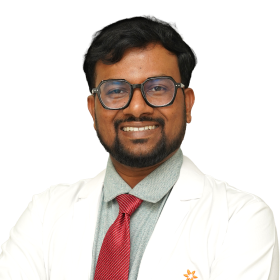
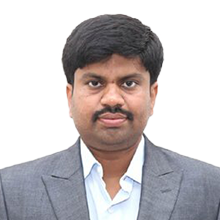
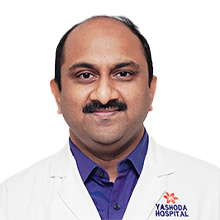
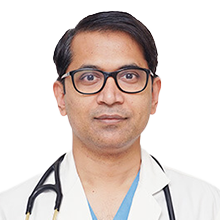
At Yashoda Hospitals, LVAD implantation is performed by an expert multidisciplinary team of heart failure specialists, cardiothoracic surgeons, interventional cardiologists, cardiac anaesthesiologists, intensivists, rehabilitation experts, and skilled cardiac care professionals. With extensive experience in advanced heart failure management, the team provides personalised care to improve heart function, enhance quality of life, and support patients throughout their treatment and recovery.

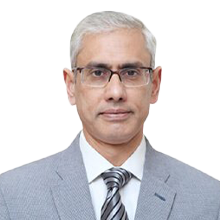
Dr. V. Rajasekhar

MD, DM

Senior Consultant Interventional Cardiology & Electrophysiology, Certified Proctor For TAVR & Clinical Director

English, Telugu, Hindi
30 Yrs
Hitec City
5 (1,945 reviews)

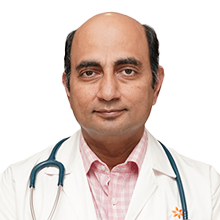
Dr. Bharat Vijay Purohit

MD, DM, FSCAI, FACC, FESC

Sr. Consultant Interventional Cardiologist & Director of Cath Lab

English, Hindi, Telugu
22 Yrs
Hitec City
4.8 (38 reviews)

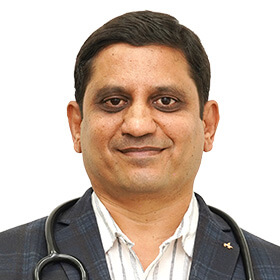
Dr. Gopi Krishna Rayidi

MD, DM

Sr. Consultant Interventional Cardiologist
Clinical Director

Telugu, Hindi, English
16 Yrs
Hitec City
4.9 (81 reviews)

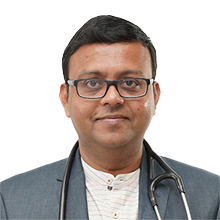
Dr. Kala Jeethender Jain

MD (General Medicine), DM Cardiology (NIMS), FSCAI

Consultant Interventional Cardiologist

English, Hindi, Telugu
13 Yrs
Hitec City
4.9 (138 reviews)

Dr Damodhar Reddy Gouni

MBBS, MD(Gen. Medicine), DM(Cardiology)

Consultant Interventional Cardiologist

English, Telugu, Hindi, Malayalam
11 Yrs
Hitec City

Dr. C. Santosh Kumar

MD, DM

Consultant Cardiologist

English, Hindi, Telugu
18 Yrs
Malakpet
5 (25 reviews)

Dr. D. Sitaram

MBBS, MD, DNB (General Medicine), DNB (Cardiology)

Consultant Cardiologist

English, Hindi, Telugu, Kannada
16 Yrs
Malakpet
4.8 (22 reviews)

Dr. Pawan Poddar

MD (AIIMS), DM (PGI), FSCAI, FESC, FACC

Director of Cath Lab and Senior Consultant Interventional Cardiologist

English, Hindi, Telugu
16 Yrs
Malakpet
5 (44 reviews)

Dr. B. Venkat Reddy

MBBS, DNB (Gen-Medicine), DNB (Cardiology)

Consultant Interventional Cardiologist

Telugu, English, Hindi, Tamil
13 Yrs
Malakpet
4.8 (33 reviews)

Dr. Shabarinath Samudrala

MBBS, MD (General Medicine), DNB (Cardiology)

Consultant Interventional Cardiologist

Telugu, English, Hindi, Kannada, Tamil
12 Yrs
Malakpet
5 (46 reviews)

Dr. T. Sashikanth

MD, DM, Fellow ICPS (Paris)

Sr. Consultant Interventional Cardiologist, Director-CathLab & HOD

English, Hindi, Telugu
28 Yrs
Secunderabad
5 (13 reviews)

Dr. G. Ramesh

MD, DM, FACC, FSCAI, FESC

Sr. Consultant Interventional Cardiologist, Proctor for Complex Coronary Interventions

English, Hindi, Telugu, Kannada, Tamil, Malayalam
20 Yrs
Secunderabad
4.1 (49 reviews)

Dr. Anoop Agrawal

MBBS (AIIMS), MD/DM (USA), FACC

Senior Consultant, Interventional Cardiologist

English, Hindi
17 Yrs
Secunderabad
4.9 (219 reviews)

Dr. M S Aditya

MD, DM, FESC

Sr. Consultant Interventional Cardiologist

English, Hindi, Telugu
16 Yrs
Secunderabad
5 (31 reviews)

Dr. T. Krishna Kumar

MD, DNB (Cardiology), FESC, FSCAI

Consultant Interventional Cardiologist

English, Hindi, Telugu, Kannada
14 Yrs
Secunderabad
5 (13 reviews)

Dr. Praneeth Polamuri

MBBS, MD(Gen Med), DM(Cardiology), FSCAI

Senior Consultant Interventional Cardiologist

Telugu, English, Hindi
12 Yrs
Secunderabad
4.9 (131 reviews)

Dr. Sashi K Srivastav

MBBS, MD, DM (Cardiology)

Consultant Interventional Cardiologist

English, Hindi, Telugu, Kannada
12 Yrs
Secunderabad
4.3 (7 reviews)

Dr. Vishal Khante

MS, MCh (CTVS) GB Pant Delhi, Fellowship in Heart & Lung Transplant

Consultant Cardiothoracic - Minimal Invasive Surgeon

English, Hindi, Marati
11 Yrs
Secunderabad
5 (156 reviews)

Dr Chandra Mouli S Mantravadi

Consultant Cardiologist & Electrophysiologist

Telugu, Hindi, English
8 Yrs
Secunderabad

Dr. C. Raghu

MD, DM, FACC, FESC, FSCAI Level 2 Master in Structural Heart Interventions-Pisa University

Clinical Director & Senior Interventional Cardiologist

Telugu, English, Hindi
28 Yrs
Somajiguda
4.8 (2,735 reviews)

Dr. Pankaj Vinod Jariwala

MD, DNB (Cardiology)

Consultant Interventional Cardiologist

English, Hindi, Marathi, Gujarati, Telugu, Bengali, French, Sanskrit
20 Yrs
Somajiguda
4.4 (21 reviews)

Dr. A. Guru Prakash

MD, DM (Cardiology)

Sr. Consultant Interventional Cardiologist

English, Hindi, Telugu, Kannada
19 Yrs
Somajiguda
4.3 (16 reviews)

Dr. Gururaj Pramod

MBBS, DNB (Int Med), DNB (Cardiology), Dip. (Diab), NHS (London), Certified Heart Failure Specialist

Consultant Interventional Cardiologist

English, Hindi, Telugu, Kannada
10 Yrs
Somajiguda

Dr. Jagadesh Madireddi

MD (Manipal), DM (Cardiology - Jayadeva)

Consultant Interventional Cardiologist
Certified TAVI Operator
Proctor for Coronary Imaging (OCT)
Certified Orbital Atherectomy Operator

Telugu, English, Kannada, Hindi
10 Yrs
Somajiguda
4.9 (481 reviews)

Dr. Rohith P. Reddy

MD, DM (Cardiology)

Consultant Interventional Cardiologist

English, Hindi, Telugu, Kannada
10 Yrs
Somajiguda
5 (36 reviews)

Dr. Kashyap Vyas

MBBS, MD (Internal Medicine), DrNB (Cardiology)

Consultant Interventional Cardiologist

Hindi, English, Telugu, Marathi
8 Yrs
Somajiguda
Left Ventricular Assist Device (LVAD): Pre-Op & Post-Op Care

Pre-Operative Care

Before LVAD implantation, patients undergo a detailed assessment to understand the severity of heart failure and determine whether the device is the right treatment option. This evaluation may include blood tests, heart imaging, cardiac catheterisation, and other diagnostic investigations. The medical team also reviews current medications, discusses potential risks and benefits, and prepares the patient and family for the procedure and recovery journey.

Intra-Operative Care

The LVAD implantation procedure is performed under general anaesthesia by a specialised cardiac surgical team. During surgery, the device is carefully placed inside the chest and connected to the heart and major blood vessels to assist blood circulation. Throughout the operation, advanced monitoring systems track the patient’s heart function, blood pressure, oxygen levels, and overall stability to ensure the procedure is carried out safely.

Post-Operative Care

After surgery, patients are transferred to the cardiac intensive care unit for close observation and support. The healthcare team monitors recovery, manages pain, checks device function, and watches for any complications. As recovery progresses, patients receive guidance on living with the LVAD, including device care, medication management, physical rehabilitation, and lifestyle adjustments. Regular follow-up appointments help ensure the device continues to function effectively and support long-term heart health.
With proper care and ongoing monitoring, many patients experience improved energy levels, reduced symptoms of heart failure, and a better quality of life following LVAD implantation.

Benefits of Left Ventricular Assist Device (LVAD) at Yashoda Hospitals

A Left Ventricular Assist Device (LVAD) can help improve the lives of patients with advanced heart failure by supporting the heart’s ability to pump blood throughout the body. Key benefits include the following:

  • Improved Blood Circulation: Ensures vital organs and tissues receive an adequate supply of oxygen-rich blood.
  • Relief from Heart Failure Symptoms: Helps reduce breathlessness, fatigue, and reduced stamina.
  • Better Quality of Life: Enables many patients to return to daily activities with greater comfort and confidence.
  • Increased Energy Levels: Improved blood flow often results in better physical and mental well-being.
  • Enhanced Exercise Capacity: Allows patients to remain more active and participate in rehabilitation programs.
  • Support While Awaiting Heart Transplant: Helps maintain stability and overall health until a donor heart becomes available.
  • Long-Term Heart Failure Management: Provides a treatment option for patients who are not suitable candidates for heart transplantation.
  • Improved Function of Other Organs: Better circulation can positively affect the kidney, liver, and other organs.
  • Potential for Longer Survival: Can improve outcomes in selected patients with severe heart failure.
  • Greater Independence: Many patients are able to resume routine activities and enjoy a more active lifestyle.
  • For individuals with advanced heart failure, an LVAD can offer meaningful symptom relief, improved daily functioning, and renewed confidence in managing their condition.

Testimonials

Discover what patients have to say about their experience with Coronary Angiography at Yashoda Hospitals.


Pallavi Jha

“I underwent Coronary Angiography at Yashoda Hospitals, and I couldn't be happier with the care I received. The medical team was highly skilled and made me feel comfortable throughout the procedure.”


Pallavi Jha 2

“I underwent Coronary Angiography at Yashoda Hospitals, and I couldn't be happier with the care I received. The medical team was highly skilled and made me feel comfortable throughout the procedure.”


Pallavi Jha 3

“I underwent Coronary Angiography at Yashoda Hospitals, and I couldn't be happier with the care I received. The medical team was highly skilled and made me feel comfortable throughout the procedure.”


Insurance Assistance for Left Ventricular Assist Device (LVAD)

  • All Insurances Covered
  • Zero Hidden Charges
  • Complete Documentation Support
  • Cashless Insurance Service

Get Insurance Assistance

Free Second Opinion for Left Ventricular Assist Device (LVAD)

Considering LVAD implantation? Get a second opinion from Yashoda Hospitals.
Our expert heart failure specialists and cardiac surgeons provide an independent evaluation of your condition, confirm the suitability of LVAD therapy, discuss alternative options, and help you make an informed treatment decision with confidence.

Get Free Second Opinion

Why Choose Yashoda Hospitals for Left Ventricular Assist Device (LVAD)?

Expertise in Advanced Heart Failure & Mechanical Circulatory Support

Yashoda Hospitals brings together a team of highly experienced heart failure specialists, cardiothoracic surgeons, interventional cardiologists, cardiac anaesthesiologists, and critical care experts with extensive expertise in LVAD implantation and advanced heart failure management.

Comprehensive Consultation & Evaluation

Every patient undergoes a comprehensive evaluation, including medical history, physical examination, echocardiography, ECG, cardiac catheterisation, CT imaging, blood investigations, and other specialised diagnostic tests. This helps determine LVAD suitability and enables a personalised treatment plan tailored to the patient's specific condition and long-term care goals.

Advanced Cardiac Infrastructure & Technology

Yashoda Hospitals is equipped with state-of-the-art cardiac operating theaters, advanced cardiac imaging systems, dedicated heart failure units, and specialised intensive care facilities. These advanced resources support precise diagnosis, safe LVAD implantation, continuous monitoring, and comprehensive post-procedural care, ensuring the highest standards of patient safety and treatment outcomes.

Access to Skilled Multidisciplinary Specialists

Patients benefit from coordinated care provided by heart failure cardiologists, cardiothoracic surgeons, cardiac anaesthesiologists, intensivists, rehabilitation specialists, nutrition experts, and specialised cardiac nursing teams. This collaborative approach ensures seamless care throughout evaluation, surgery, recovery, rehabilitation, and long-term follow-up, helping patients achieve the best possible clinical outcomes and improved quality of life.

Exploring
Advanced Diagnostics?

Seeking Clarity
on Your Surgery Options?

Take the First Step
Towards Better Health

All major insurance are accepted for
Left Ventricular Assist Device (LVAD) Treatment


Our Locations

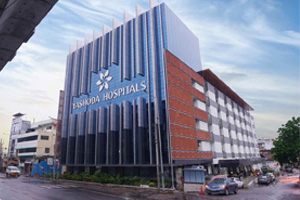
  • Malakpet Location

    Malakpet

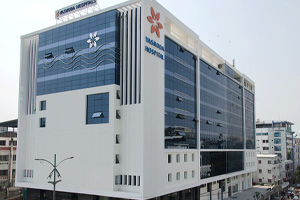
  • Somajiguda Location

    Somajiguda

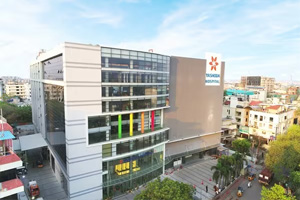
  • Secunderabad Location

    Secunderabad

  • Hitec City Location

    Hitec City

FAQ's

A Left Ventricular Assist Device (LVAD) is a mechanical pump that helps the heart circulate blood when the left ventricle is too weak to pump effectively on its own. It is commonly used in patients with advanced heart failure.

An LVAD may be recommended if you have severe heart failure and continue to experience symptoms despite medications and other treatments. It can provide additional support when the heart is no longer able to meet the body's needs.

It depends on the patient's condition. Some people use an LVAD temporarily while waiting for a heart transplant, while others may rely on it as a long-term treatment option.

The LVAD is surgically implanted inside the chest under general anaesthesia. The pump is connected to the heart and major blood vessels to help improve blood flow throughout the body.

Recovery varies from person to person. Most patients spend time in the hospital for monitoring and rehabilitation, followed by several weeks or months of continued recovery at home.

Many patients experience less breathlessness, improved energy levels, better exercise tolerance, and an overall improvement in daily functioning and quality of life.

Many people can return to routine activities after recovery. Your healthcare team will guide you on safe activity levels and lifestyle adjustments based on your condition.

As with any major heart procedure, there are potential risks, including bleeding, infection, blood clots, stroke, and device-related complications. Your medical team will discuss these risks in detail before treatment.

Yes. Regular follow-up appointments are essential to monitor the device, assess your heart health, adjust medications if needed, and ensure the LVAD continues to function properly.

Many patients can travel once they have recovered and are medically stable. Proper planning, carrying backup equipment, and following your doctor's advice are important when traveling with an LVAD.
Book an appointment
in 2 minutes