Select Page

Advanced
Laparoscopic Cholecystectomy (Minimally Invasive Gallbladder Removal Surgery)
Surgery in Hyderabad

Yashoda Hospitals offers advanced laparoscopic cholecystectomy with a focus on safe gallbladder removal, faster recovery, improved digestive health, and comprehensive patient-centered care.

  • Expert Gastrointestinal & Laparoscopic Surgeons
  • Comprehensive Multidisciplinary Care
  • Precision Surgery with Enhanced Safety Protocols
  • State-of-the-Art Surgical Infrastructure
  • Comprehensive Recovery & Follow-up Support
  • Faster Recovery & Improved Quality of Life

Laparoscopic cholecystectomy is a minimally invasive procedure to remove the gallbladder, commonly performed to treat gallstones, inflammation (cholecystitis), infection, or other gallbladder disorders. It is recommended for patients with persistent abdominal pain, nausea, vomiting, bloating, indigestion, fever, or digestive discomfort caused by gallbladder disease.

The surgery is performed under general anesthesia through a few small abdominal incisions using a laparoscope and specialised instruments. Depending on the patient’s condition, standard multi-port, single-incision, or robotic-assisted techniques may be used for greater precision and faster recovery. The procedure usually takes 1–2 hours, with most patients discharged the same day or within 24 hours. Recovery involves pain management, wound care, temporary dietary changes, and gradual return to normal activities. When performed by experienced surgeons, laparoscopic cholecystectomy is a safe and effective treatment that provides long-term relief from gallbladder-related symptoms.

What is Laparoscopic Cholecystectomy?

Laparoscopic cholecystectomy is a minimally invasive surgical procedure used to remove the gallbladder, a small organ located below the liver that plays a role in storing bile for digestion. This surgery is most commonly recommended for conditions such as gallstones, gallbladder inflammation (cholecystitis), or infections that cause pain and digestive discomfort. Instead of a large incision, the surgeon makes a few small cuts in the abdomen and uses a laparoscope, a thin tube with a camera, to clearly view and perform the surgery with precision.
The procedure is widely preferred because it is less invasive, causes minimal pain, and allows for faster recovery compared to traditional open surgery. Most patients can return home within a day and resume their normal activities soon after. Even without a gallbladder, the body continues to digest food normally, although some patients may be advised to follow a low-fat diet initially. Overall, laparoscopic cholecystectomy is considered a safe and effective solution for relieving gallbladder-related problems and improving quality of life.

Types of Laparoscopic Cholecystectomy:

Laparoscopic cholecystectomy is not a one-size-fits-all procedure; there are different approaches that surgeons may choose based on the patient’s condition, body type, severity of disease, and available technology. While all these techniques aim to safely remove the gallbladder, they differ in the number of incisions, instruments used, and level of surgical precision. The most suitable type is selected to ensure better safety, comfort, and recovery for each patient.
Conventional (Four-Port) Laparoscopic Cholecystectomy
This is the standard and most widely used method. It involves making 3–4 small incisions in the abdomen to insert a camera and surgical instruments. It offers excellent visibility and control for the surgeon, making it a highly safe and effective option, especially in routine or moderately complex cases.
Single-Incision Laparoscopic Surgery (SILS)
In this technique, the entire surgery is performed through a single incision, usually hidden within the navel. It is often chosen for its cosmetic advantage, as it leaves little to no visible scarring. However, it requires advanced surgical expertise and may not be suitable for all patients, particularly those with complicated gallbladder conditions.
Robotic-Assisted Laparoscopic Cholecystectomy
This approach uses a robotic system controlled by the surgeon to perform the procedure with enhanced precision, flexibility, and 3D visualization. It is especially useful in complex or delicate cases, allowing for greater accuracy and potentially reducing the risk of complications.
Mini-Laparoscopic (Reduced Port) Cholecystectomy
This method uses smaller instruments and fewer or smaller incisions compared to the conventional technique. It further reduces postoperative pain and improves cosmetic results while maintaining the procedure’s safety and effectiveness.

Overall, the choice of technique depends on the patient’s needs and the surgeon’s recommendation to ensure safe surgery, minimal discomfort, and a smooth recovery.

Procedure Name Laparoscopic Cholecystectomy (Minimally Invasive Gallbladder Removal Surgery)
Type of Surgery Minimally invasive gastrointestinal surgical procedure
Type of Anaesthesia General anesthesia
Procedure Duration Typically 1–2 hours (may vary depending on complexity)
Recovery Duration 1–2 weeks for initial recovery; full recovery within a few weeks

Specialist Doctors

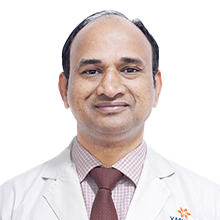
Dr. Tokala Surender Reddy

MS, FMIS, FAIS, FMAS & FICRS

Consultant Surgical Gastroenterologist, Laparoscopic, Bariatric & Metabolic Surgeon

English, Hindi, Telugu, Kannada, Malayalam, Tamil
25 Yrs
Malakpet
5 (78 reviews)

Dr. G. Laxmana Sastry

MBBS, MS

Consultant General & Laparoscopic Surgeon

English, Hindi, Telugu
21 Yrs
Secunderabad

Dr. B Upender Rao

MBBS, MS (General Surgery)

Consultant General Surgeon

English, Hindi, Telugu
44 Yrs
Somajiguda

Laparoscopic Cholecystectomy (Minimally Invasive Gallbladder Removal Surgery) Surgery: What to Expect Before, During & After Surgery

Laparoscopic cholecystectomy is a safe and commonly performed procedure, but a smooth recovery depends on how well each stage of care is managed. From proper preparation before surgery to careful monitoring during the procedure and guided recovery afterwards, every step is important in reducing risks, promoting healing, and helping patients return to normal life comfortably.

Pre-operative Care

Before surgery, the patient undergoes a thorough evaluation, including blood tests, ultrasound, and other imaging if needed. The doctor reviews the patient’s medical history, medications, and overall health. Patients may be asked to stop certain medicines temporarily and fast before the procedure. They are also informed about the surgery and recovery process to ensure better preparation.

Intra-operative Care

On the day of surgery, general anesthesia is given so that the patient remains comfortable and pain-free. The surgical team continuously monitors vital signs such as heart rate, blood pressure, and oxygen saturation throughout the procedure. Small incisions are made in the abdomen, and a laparoscope is used to provide a clear view for the precise removal of the gallbladder. Great care is taken to avoid injury to surrounding structures, and the procedure is completed with minimal tissue damage, which helps in faster recovery.

Post-operative Care

After surgery, the patient is monitored until the effects of anesthesia wear off. Most patients are discharged the same day or within 24 hours. Mild pain, bloating, or shoulder discomfort is common but usually resolves within a few days. Light activity is encouraged, while heavy lifting should be avoided temporarily. A low-fat diet and follow-up visits support a smooth recovery, with most patients returning to normal activities within a short time.

Benefits of Laparoscopic Cholecystectomy (Minimally Invasive Gallbladder Removal Surgery) at Yashoda Hospitals

Laparoscopic cholecystectomy is widely preferred because it offers a more comfortable and quicker recovery compared to traditional open surgery. The minimally invasive approach reduces physical strain on the body while still effectively treating gallbladder conditions.

  • Less Pain and Discomfort: Since the surgery involves small incisions instead of a large cut, patients usually experience significantly less pain after the procedure.
  • Smaller Scars: The tiny incisions heal quickly and leave minimal scarring, making it cosmetically more appealing.
  • Faster Recovery: Most patients can return to their normal daily activities within a short period, often within 1–2 weeks.
  • Shorter Hospital Stay: In many cases, patients are discharged on the same day or within 24 hours after surgery.
  • Lower Risk of Complications: There is a reduced risk of infection, bleeding, and other complications compared to open surgery.
  • Early Return to Normal Life: Patients can resume work, light exercise, and routine activities much sooner, improving overall quality of life.

Testimonials

Discover what patients have to say about their experience with Coronary Angiography at Yashoda Hospitals.


Pallavi Jha

“I underwent Coronary Angiography at Yashoda Hospitals, and I couldn't be happier with the care I received. The medical team was highly skilled and made me feel comfortable throughout the procedure.”


Pallavi Jha 2

“I underwent Coronary Angiography at Yashoda Hospitals, and I couldn't be happier with the care I received. The medical team was highly skilled and made me feel comfortable throughout the procedure.”


Pallavi Jha 3

“I underwent Coronary Angiography at Yashoda Hospitals, and I couldn't be happier with the care I received. The medical team was highly skilled and made me feel comfortable throughout the procedure.”


Insurance Assistance for Laparoscopic Cholecystectomy (Minimally Invasive Gallbladder Removal Surgery)

  • All Insurances Covered
  • Zero Hidden Charges
  • Complete Documentation Support
  • Cashless Insurance Service

Get Insurance Assistance

Free Second Opinion for Laparoscopic Cholecystectomy (Minimally Invasive Gallbladder Removal Surgery)

Considering a laparoscopic cholecystectomy (minimally invasive gallbladder removal surgery)? Get a FREE second opinion at Yashoda Hospitals. Our expert gastrointestinal and laparoscopic surgeons will review your diagnosis, medical history, test reports, scans, and treatment plan to confirm if surgery is the right option for you.

Get Free Second Opinion

Why Choose Yashoda Hospitals for Laparoscopic Cholecystectomy (Minimally Invasive Gallbladder Removal Surgery)?

Yashoda Hospitals offers advanced laparoscopic cholecystectomy with experienced surgeons and modern minimally invasive technology. Patients receive personalized care focused on safe gallbladder removal, faster recovery, and long-term digestive health.

Expertise in Laparoscopic & Gastrointestinal Surgery

Yashoda Hospitals has a team of highly experienced laparoscopic and gastrointestinal surgeons skilled in advanced gallbladder removal techniques, ensuring precise surgery and improved recovery outcomes.

Comprehensive Consultation & Evaluation

Patients undergo a detailed pre-surgical assessment, including imaging such as ultrasound, clinical evaluation, and personalised treatment planning to determine the most appropriate surgical approach.

Advanced Surgical Infrastructure

The hospital is equipped with state-of-the-art operation theatres, high-definition laparoscopic systems, and advanced monitoring technology to enhance surgical precision, safety, and overall patient care.

Multidisciplinary & Post-operative Support

Patients benefit from coordinated care involving surgeons, anaesthetists, dieticians, and nursing teams, ensuring smooth recovery, proper dietary guidance, and continuous follow-up for long-term well-being.

Exploring
Advanced Diagnostics?

Seeking Clarity
on Your Surgery Options?

Take the First Step
Towards Better Health

All major insurance are accepted for
Laparoscopic Cholecystectomy (Minimally Invasive Gallbladder Removal Surgery) Treatment


Our Locations

  • Malakpet Location

    Malakpet

  • Somajiguda Location

    Somajiguda

  • Secunderabad Location

    Secunderabad

  • Hitec City Location

    Hitec City

FAQ's

Laparoscopic appendectomy is a minimally invasive surgery to remove the appendix using small incisions and a camera-guided instrument. It is commonly performed to treat appendicitis with less pain and faster recovery.

The procedure usually takes about 30 minutes to 1 hour, depending on the severity of the condition and any complications.

Recovery involves rest, light activity, and following your doctor’s advice on diet and wound care. Most patients resume normal activities within 1–2 weeks.

Although it is a surgical procedure, it is considered minimally invasive and less extensive than open surgery, with quicker recovery and fewer complications.

Most patients recover within 1–2 weeks, though complete healing may take a few weeks depending on individual health.

Pain is usually mild to moderate and temporary, as the procedure involves small incisions. It is well-managed with medications and improves within a few days.

The body continues to digest food normally without the gallbladder. Some patients may need to follow a low-fat diet initially, but most return to a normal diet over time.

Most patients can return to work within 1–2 weeks, depending on the nature of their job and recovery progress.

Initially, a low-fat and light diet is recommended to help digestion. Over time, most people can gradually return to their regular diet.

The procedure is generally safe, but like any surgery, it carries small risks such as infection, bleeding, or bile duct injury, which are uncommon.
Book an appointment
in 2 minutes