Select Page

Advanced
Laparoscopic Appendectomy (Minimally Invasive Appendix Removal Surgery)
Surgery in Hyderabad

  • Experienced General & Laparoscopic Surgeons
  • Comprehensive Multidisciplinary Emergency Care
  • Precision Surgery with Enhanced Safety Protocols
  • State-of-the-Art Surgical Infrastructure
  • Comprehensive Recovery & Post-operative Support
  • Faster Recovery with Excellent Clinical Outcomes

Laparoscopic appendectomy is a minimally invasive surgical procedure performed to remove the appendix, most commonly when it becomes inflamed or infected due to appendicitis. It is commonly recommended for individuals experiencing sudden abdominal pain, nausea, vomiting, fever, loss of appetite, or tenderness in the lower right abdomen caused by acute appendicitis or related appendix complications. The procedure works by making a few small incisions in the abdomen through which a laparoscope (a thin camera-guided instrument) and specialized surgical tools are inserted to safely locate and remove the affected appendix, helping prevent rupture, infection spread, and serious abdominal complications.

Depending on the patient’s condition, advanced minimally invasive laparoscopic techniques such as standard multi-port or single-incision approaches may be used to improve precision, reduce discomfort, and support faster recovery. Laparoscopic appendectomy is performed under general anesthesia and usually takes around 30 to 90 minutes. Many patients can go home the same day or after a short hospital stay, while more complicated cases, such as a ruptured appendix, may require longer monitoring. Most patients experience steady recovery with pain management, wound care, gradual return to eating and physical activity, and follow-up care. When performed by experienced surgeons, laparoscopic appendectomy is a safe and effective treatment that relieves symptoms, prevents complications, and supports a quick return to normal daily life.

What is Laparoscopic Appendectomy (Minimally Invasive Appendix Removal Surgery)?

Laparoscopic appendectomy is a simple and modern surgery used to remove the appendix, usually when it becomes infected or inflamed (a condition called “appendicitis”). In this procedure, the surgeon makes a few small cuts in the abdomen and uses a tiny camera along with special instruments to see inside and remove the appendix safely. The camera helps guide the surgeon clearly, making the procedure more precise.
Because it uses small incisions instead of a large cut, this method is less painful and heals faster than traditional surgery. Most patients can go home within a day or two and resume normal activities soon after. It is a safe and commonly performed procedure that helps prevent serious complications like a burst appendix or infection.

Types of Laparoscopic Appendectomy (Minimally Invasive Appendix Removal Surgery):

Laparoscopic appendectomy includes different minimally invasive techniques to treat Appendicitis, chosen based on the patient’s condition and surgical needs.

1. Standard Laparoscopic Appendectomy (Three-Port Technique)
This is the most commonly used method. The surgeon makes three small cuts in the abdomen, one for the camera and two for surgical instruments. It provides a clear view and enough space to work safely, making it suitable for most patients with appendicitis. This technique is widely preferred because it is reliable, safe, and allows quick recovery.
2. Single-Incision Laparoscopic Appendectomy (SILS)
In this approach, the entire surgery is done through a single small cut near the belly button. Special instruments are used through this one opening to remove the appendix. It leaves almost no visible scar and is often chosen for better cosmetic results, especially in younger patients. However, it requires advanced surgical skill and may not be suitable for all cases.
3. Robotic-Assisted Laparoscopic Appendectomy
This is a more advanced form of minimally invasive surgery where the surgeon uses a robotic system to control the instruments with high precision. The robotic arms allow better movement, flexibility, and accuracy, especially in difficult or delicate cases. It can be helpful when the anatomy is complex or when extra precision is needed.
4. Laparoscopic Appendectomy for Complicated Appendicitis
This type is used when appendicitis becomes severe, such as when the appendix has burst or formed an abscess. In addition to removing the appendix, the surgeon may also clean the infected area or drain pus. Although slightly more complex, it still benefits from the minimally invasive approach, helping reduce recovery time compared to open surgery.

The choice of type depends on the patient’s condition, the severity of infection, and the surgeon’s expertise, ensuring the safest and most effective treatment for each individual.

Procedure Name Laparoscopic Appendectomy (Minimally Invasive Appendix Removal Surgery)
Type Minimally invasive general surgery
Anesthesia General anesthesia
Duration 30–90 minutes
Recovery 1–3 weeks (quick return to daily activities)

Specialist Doctors

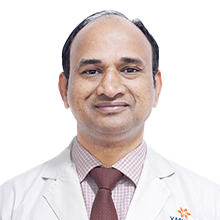
Dr. Tokala Surender Reddy

MS, FMIS, FAIS, FMAS & FICRS

Consultant Surgical Gastroenterologist, Laparoscopic, Bariatric & Metabolic Surgeon

English, Hindi, Telugu, Kannada, Malayalam, Tamil
25 Yrs
Malakpet
5 (78 reviews)

Dr. G. Laxmana Sastry

MBBS, MS

Consultant General & Laparoscopic Surgeon

English, Hindi, Telugu
21 Yrs
Secunderabad

Dr. B Upender Rao

MBBS, MS (General Surgery)

Consultant General Surgeon

English, Hindi, Telugu
44 Yrs
Somajiguda

Laparoscopic Appendectomy (Minimally Invasive Appendix Removal Surgery) Surgery: What to Expect Before, During & After Surgery

Laparoscopic appendectomy is a safe and commonly performed procedure to treat appendicitis. While the surgery itself is minimally invasive, proper care before, during, and after the procedure is essential to ensure patient safety, reduce complications, and support a smooth and quick recovery.

Pre-operative Care

Before the surgery, doctors conduct a thorough evaluation, which includes blood tests, imaging scans like ultrasound or CT, and a physical examination. Patients are advised to avoid eating or drinking for several hours before surgery to prepare for anesthesia. Antibiotics may be given to reduce the risk of infection, and any existing medical conditions are carefully reviewed. The healthcare team also explains the procedure, possible risks, and recovery expectations so the patient feels informed and reassured.

Intra-operative Care

During the procedure, the patient is placed under general anesthesia to ensure complete comfort and pain relief. The surgeon makes a few small incisions in the abdomen and inserts a laparoscope along with specialized instruments. The camera provides a clear, magnified view, allowing the surgeon to carefully locate, separate, and remove the inflamed appendix. If there is any infection, pus, or fluid, it is cleaned thoroughly to prevent further complications. Throughout the surgery, vital signs such as heart rate, oxygen levels, and blood pressure are continuously monitored to maintain safety.

Post-operative Care

After surgery, the patient is observed in the recovery area until the effects of anesthesia wear off. Pain is generally mild and managed with medications. Patients are encouraged to start walking early, as it helps improve circulation and speeds up recovery. A light diet is introduced gradually, depending on tolerance. Proper care of the small incision sites is important to prevent infection, and patients are advised to avoid heavy lifting or strenuous activities for a few weeks. Follow-up visits help ensure proper healing and allow doctors to address any concerns, supporting a smooth return to normal daily life.

 

Benefits of Laparoscopic Appendectomy (Minimally Invasive Appendix Removal Surgery) at Yashoda Hospitals

Laparoscopic appendectomy is a modern and effective treatment for appendicitis, offering several advantages over traditional open surgery.

  • Smaller incisions and minimal scarring: The procedure uses tiny cuts, resulting in less visible scars and better cosmetic outcomes.
  • Less pain after surgery: Minimal tissue damage leads to reduced post-operative discomfort and quicker relief.
  • Faster recovery: Most patients return to normal activities within 1–3 weeks, much sooner than with open surgery.
  • Shorter hospital stay: Patients are often discharged within a day or two, sometimes even on the same day.
  • Lower risk of infection: Smaller wounds reduce the chances of surgical site infections.
  • Quicker return to daily routine: Patients can resume work and regular activities sooner due to faster healing.
  • Better overall outcomes: The procedure is safe, precise, and associated with fewer complications when performed early.
  • Overall, laparoscopic appendectomy provides a safer, less painful, and more convenient recovery experience for patients needing appendix removal.

Testimonials

Discover what patients have to say about their experience with Coronary Angiography at Yashoda Hospitals.


Pallavi Jha

“I underwent Coronary Angiography at Yashoda Hospitals, and I couldn't be happier with the care I received. The medical team was highly skilled and made me feel comfortable throughout the procedure.”


Pallavi Jha 2

“I underwent Coronary Angiography at Yashoda Hospitals, and I couldn't be happier with the care I received. The medical team was highly skilled and made me feel comfortable throughout the procedure.”


Pallavi Jha 3

“I underwent Coronary Angiography at Yashoda Hospitals, and I couldn't be happier with the care I received. The medical team was highly skilled and made me feel comfortable throughout the procedure.”


Insurance Assistance for Laparoscopic Appendectomy (Minimally Invasive Appendix Removal Surgery)

  • All Insurances Covered
  • Zero Hidden Charges
  • Complete Documentation Support
  • Cashless Insurance Service

Get Insurance Assistance

Free Second Opinion for Laparoscopic Appendectomy (Minimally Invasive Appendix Removal Surgery)

Considering a laparoscopic appendectomy? Get a FREE second opinion at Yashoda Hospitals. Our experienced general and laparoscopic surgeons carefully review your diagnosis, medical history, physical examination findings, blood test results, ultrasound or CT scan reports, and current treatment plan to confirm whether laparoscopic appendectomy is the most appropriate treatment for your condition.

Get Free Second Opinion

Why Choose Yashoda Hospitals for Laparoscopic Appendectomy (Minimally Invasive Appendix Removal Surgery)?

Expertise in General & Minimally Invasive Surgery

Yashoda Hospitals has a team of highly experienced general surgeons specialising in laparoscopic procedures like appendectomy. Their expertise ensures precise removal of the appendix with a strong focus on patient safety, minimal complications, and faster recovery.

Comprehensive Consultation & Evaluation

A detailed assessment, including medical history, physical examination, and imaging tests such as ultrasound or CT scan, helps accurately diagnose appendicitis and determine the most suitable, personalised treatment plan.

Advanced Surgical Infrastructure

The hospital is equipped with state-of-the-art operation theatres, high-definition laparoscopic systems, and modern imaging tools that support safe, accurate, and effective minimally invasive surgeries.

Access to Skilled Multidisciplinary Specialists

Patients receive coordinated care from general surgeons, anesthesiologists, emergency care specialists, nursing staff, and post-operative care teams, ensuring comprehensive care from diagnosis to recovery and a smooth return to daily life.

Exploring
Advanced Diagnostics?

Seeking Clarity
on Your Surgery Options?

Take the First Step
Towards Better Health

All major insurance are accepted for
Laparoscopic Appendectomy (Minimally Invasive Appendix Removal Surgery) Treatment


Our Locations

  • Malakpet Location

    Malakpet

  • Somajiguda Location

    Somajiguda

  • Secunderabad Location

    Secunderabad

  • Hitec City Location

    Hitec City

FAQ's

It is a minimally invasive surgery used to remove the appendix, usually due to Appendicitis. The procedure is performed using small incisions, a camera, and specialised instruments for precise and safe removal.

The surgery typically takes about 30 to 90 minutes, depending on the severity of the condition and any complications.

Recovery involves taking prescribed medications, keeping the incision area clean, eating light meals initially, and gradually resuming normal activities. Light walking is encouraged to promote faster healing.

Most patients recover within 1 to 3 weeks and can return to normal daily activities, although full healing may take a few weeks longer.

Yes, it is a safe and commonly performed procedure with a high success rate, especially when done early, with minimal risk of complications.

It is considered a surgical procedure but is less invasive than open surgery, making it safer with quicker recovery and fewer complications.

It is recommended when a patient has appendicitis, especially in acute or worsening cases, to prevent rupture and complications.

Scars are usually very small and fade over time because the procedure uses tiny incisions.

In some mild cases, antibiotics may help temporarily, but surgery is the most effective and permanent treatment to prevent recurrence.

Most patients can return to work within 1 to 2 weeks, depending on their recovery and the nature of their job.
Book an appointment
in 2 minutes