Select Page

Advanced
Maxillofacial Surgery (Oral & Facial Surgery)
Surgery in Hyderabad

Yashoda Hospitals offers advanced Maxillofacial Surgery with expert care to restore facial function, enhance appearance, and ensure safe treatment with faster recovery.

  • Experienced Maxillofacial Surgeons & Specialists
  • Advanced Surgical Techniques
  • High Safety Standards
  • Personalised Treatment Care
  • Complete Care Support


What is Maxillofacial Surgery (Oral & Facial Surgery)

Maxillofacial surgery (oral and facial surgery) focuses on diagnosing and treating conditions affecting the face, jaw, mouth, teeth, and neck. It combines expertise from both dentistry and surgery to manage a wide range of issues, including facial injuries, impacted teeth, jaw alignment problems, temporomandibular joint (TMJ) disorders, and oral diseases. This type of surgery is often recommended to restore essential functions such as chewing, speaking, and breathing, while also improving facial structure and appearance. Depending on the condition, treatment may involve minor procedures, such as tooth extractions, or more complex surgeries, such as jaw correction and facial reconstruction.

Types of Maxillofacial Surgery (Oral & Facial Surgery)

  • Maxillofacial surgery includes several specialised procedures that address problems involving the face, jaw, mouth, and surrounding structures. Each type of surgery is planned based on the patient’s condition, symptoms, and functional requirements to restore both health and appearance.
  • Tooth Extraction Surgery:
    This involves the surgical removal of teeth that are impacted, severely damaged, or causing complications. Wisdom tooth extraction is one of the most frequent procedures, often done to relieve pain, prevent infection, and avoid crowding of adjacent teeth.
  • Orthognathic (Jaw Correction) Surgery:
    This procedure corrects irregularities in jaw alignment that can affect chewing, speaking, and facial symmetry. It is usually recommended when braces alone cannot fix the problem, and it helps improve both function and overall facial balance.
  • Facial Trauma Surgery:
    Performed in cases of accidents or injuries, this surgery focuses on repairing fractures of the jaw, cheekbones, nose, or eye sockets. Surgeons use specialised techniques and fixation devices like plates and screws to restore the normal structure and function of the face.
  • Dental Implant Surgery:
    This procedure replaces missing teeth by inserting artificial tooth roots into the jawbone. Over time, the implant integrates with the bone, providing a stable foundation for crowns or bridges and helping maintain jaw structure.
  • TMJ Surgery:
    Used to treat severe disorders of the temporomandibular joint, this surgery is considered when medications and therapy do not provide relief. It aims to reduce pain, improve jaw movement, and restore normal function.
  • Cleft Lip and Palate Surgery:
    These corrective procedures are performed to repair congenital gaps in the lip or palate. They help improve feeding, speech development, and facial appearance, especially when done early in life.
  • Oral Cancer Surgery:
    This involves removing cancerous or otherwise abnormal tissue from the mouth or jaw. In many cases, reconstructive procedures are also performed to restore function and appearance after tumor removal.
  • Reconstructive and Cosmetic Facial Surgery:
    These procedures focus on rebuilding or enhancing facial features affected by trauma, disease, or birth conditions. They help restore normal appearance and improve confidence and quality of life.
    Overall, maxillofacial surgeries are designed not only to treat medical conditions but also to improve essential functions like eating and speaking, while enhancing facial harmony and patient well-being.
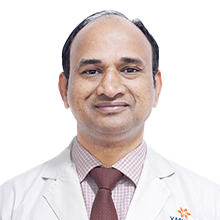
Maxillofacial surgery is a specialised surgical procedure used to diagnose and treat conditions affecting the face, jaw, mouth, and neck. It is commonly performed to manage issues such as facial trauma, impacted teeth, jaw misalignment, temporomandibular joint (TMJ) disorders, oral tumors, infections, and congenital deformities like cleft lip and palate. These procedures help restore essential functions such as chewing, speaking, and breathing, while also improving facial structure and appearance.
Maxillofacial surgery may be performed using minimally invasive techniques or conventional open approaches, depending on the complexity of the condition. It is usually carried out under local anesthesia, sedation, or general anesthesia and can take anywhere from 30 minutes to several hours. Most patients experience mild to moderate discomfort after the procedure and can return to normal activities within 1 to 3 weeks, although recovery may be longer for major surgeries. When performed by experienced specialists, maxillofacial surgery is safe and effective, providing both functional improvement and enhanced quality of life.

Procedure Name Maxillofacial Surgery (Oral & Facial Surgery)
Type Surgery of the face, jaw, and mouth
Anesthesia Local, sedation, or general
Duration 30 minutes to a few hours
Recovery 2–6 weeks

Specialist Doctors

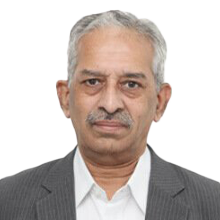
Dr. Tokala Surender Reddy

MS, FMIS, FAIS, FMAS & FICRS

Consultant Surgical Gastroenterologist, Laparoscopic, Bariatric & Metabolic Surgeon

English, Hindi, Telugu, Kannada, Malayalam, Tamil
25 Yrs
Malakpet
5 (76 reviews)

Dr. G. Laxmana Sastry

MBBS, MS

Consultant General & Laparoscopic Surgeon

English, Hindi, Telugu
21 Yrs
Secunderabad

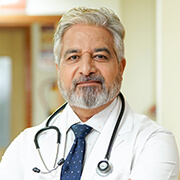
Dr. B Upender Rao

MBBS, MS (General Surgery)

Consultant General Surgeon

English, Hindi, Telugu
44 Yrs
Somajiguda

Maxillofacial Surgery (Oral & Facial Surgery) Surgery: What to Expect Before, During & After Surgery

Maxillofacial surgery involves a structured approach to care that begins well before the procedure and continues through recovery. Each phase plays an important role in ensuring safety, reducing complications, and helping patients regain normal function and appearance as smoothly as possible.
Pre-operative Care
Before surgery, patients undergo a thorough assessment that may include physical examination, dental evaluation, and imaging studies such as X-rays or CT scans. The surgeon reviews the patient’s medical history, ongoing treatments, and any underlying conditions to plan the safest surgical approach. Patients are given clear instructions regarding fasting, medications, and oral hygiene. This stage also involves detailed discussions about the procedure, expected outcomes, and recovery timeline, helping patients feel informed and prepared.
Intra-operative Care
During the procedure, the focus is on precision and patient safety. Depending on the complexity, local sedation or general anesthesia is administered to ensure comfort. The surgical team follows strict sterilization protocols and uses advanced instruments and techniques to perform the procedure accurately. Continuous monitoring of vital signs is maintained throughout, and careful handling of tissues helps minimize trauma, reduce bleeding, and support faster healing.
Post-operative Care
After surgery, proper care is essential for a smooth recovery. Patients may initially experience mild to moderate swelling, discomfort, or limited jaw movement, which is managed with medications and supportive care such as cold compresses. A soft or liquid diet is usually recommended for a period of time to avoid strain on the surgical area. Maintaining good oral hygiene is crucial to preventing infection. Follow-up visits allow the surgeon to monitor healing and address any concerns. In some cases, guided exercises or physiotherapy may be advised to restore normal jaw function and improve long-term outcomes.
Careful attention at every stage ensures that patients not only recover safely but also achieve the best possible functional and aesthetic results from maxillofacial surgery.

Benefits of Maxillofacial Surgery (Oral & Facial Surgery) at Yashoda Hospitals

Maxillofacial surgery offers a wide range of benefits by addressing both functional issues and aesthetic concerns related to the face, jaw, and mouth. It plays a key role in improving overall health, comfort, and confidence.

  • Restores Normal Function: Helps improve essential activities such as chewing, speaking, breathing, and swallowing.
  • Relieves Pain and Discomfort: Effectively treats conditions like jaw disorders, infections, and impacted teeth that cause persistent pain.
  • Improves Facial Appearance: Enhances facial balance, symmetry, and overall aesthetics, especially in cases of deformities or injuries.
  • Corrects Jaw Alignment: Fixes bite issues and misaligned jaws, leading to better oral function and reduced strain on facial muscles.
  • Supports Oral Health: Prevents complications such as infections, gum problems, and further dental damage.
    Aids in Trauma and Injury Recovery: Restores facial structure and function after accidents or fractures.
  • Enhances Speech and Breathing: Corrects structural problems that may affect speech clarity and airway function.
  • Boosts Confidence and Quality of Life: Improves self-esteem by addressing both medical and cosmetic concerns.
    Overall, maxillofacial surgery helps patients achieve better functionality, improved appearance, and a higher quality of life through comprehensive surgical care.

Testimonials

Discover what patients have to say about their experience with Coronary Angiography at Yashoda Hospitals.


Pallavi Jha

“I underwent Coronary Angiography at Yashoda Hospitals, and I couldn't be happier with the care I received. The medical team was highly skilled and made me feel comfortable throughout the procedure.”


Pallavi Jha 2

“I underwent Coronary Angiography at Yashoda Hospitals, and I couldn't be happier with the care I received. The medical team was highly skilled and made me feel comfortable throughout the procedure.”


Pallavi Jha 3

“I underwent Coronary Angiography at Yashoda Hospitals, and I couldn't be happier with the care I received. The medical team was highly skilled and made me feel comfortable throughout the procedure.”


Insurance Assistance for Maxillofacial Surgery (Oral & Facial Surgery)

  • All Insurances Covered
  • Zero Hidden Charges
  • Complete Documentation Support
  • Cashless Insurance Service

Get Insurance Assistance


Free Second Opinion for Maxillofacial Surgery (Oral & Facial Surgery)

Considering maxillofacial surgery? Get a FREE second opinion at Yashoda Hospitals. Our expert specialists review your diagnosis, reports, and treatment plan to confirm the condition, explore advanced treatment options, and help you make informed decisions with confidence.

Get Free Second Opinion

Why Choose Yashoda Hospitals for Maxillofacial Surgery (Oral & Facial Surgery)?

Maxillofacial surgery (oral and facial surgery) focuses on diagnosing and treating conditions affecting the face, jaw, mouth, teeth, and neck. It combines expertise from both dentistry and surgery to manage a wide range of issues, including facial injuries, impacted teeth, jaw alignment problems, temporomandibular joint (TMJ) disorders, and oral diseases. This type of surgery is often recommended to restore essential functions such as chewing, speaking, and breathing, while also improving facial structure and appearance. Depending on the condition, treatment may involve minor procedures, such as tooth extractions, or more complex surgeries, such as jaw correction and facial reconstruction.

Expertise in Maxillofacial & Reconstructive Surgery

Yashoda Hospitals has a team of highly experienced oral and maxillofacial surgeons skilled in performing complex facial, jaw, and oral procedures. Their expertise ensures accurate treatment, functional restoration, and improved facial aesthetics with long-term outcomes.

Comprehensive Consultation & Evaluation

A detailed pre-surgical assessment, including clinical examination, imaging (X-rays/CT scans), and dental evaluation, helps determine the most appropriate treatment plan based on the patient’s condition and functional needs.

Advanced Surgical Infrastructure

The hospital is equipped with modern operating theatres, advanced diagnostic tools, and specialised surgical instruments that enable precise maxillofacial procedures with enhanced safety and effective outcomes.

Access to Skilled Specialists

Patients benefit from a multidisciplinary team approach involving maxillofacial surgeons, anaesthesiologists, dental specialists, and rehabilitation experts, ensuring safe surgery, smooth recovery, and continuous post-operative care.

Exploring
Advanced Diagnostics?

Seeking Clarity
on Your Surgery Options?

Take the First Step
Towards Better Health

All major insurance are accepted for
Maxillofacial Surgery (Oral & Facial Surgery) Treatment


Our Locations

  • Malakpet Location

    Malakpet

  • Somajiguda Location

    Somajiguda

  • Secunderabad Location

    Secunderabad

  • Hitec City Location

    Hitec City

FAQ's

Maxillofacial surgery is a specialised surgical field that treats conditions affecting the face, jaw, mouth, and neck. It includes procedures for trauma, jaw correction, impacted teeth, oral diseases, and facial reconstruction.

The cost varies depending on the type and complexity of the procedure, hospital facilities, and surgeon expertise. In India, it can range from moderate to high, especially for advanced or reconstructive surgeries.

Many insurance plans cover maxillofacial surgery if it is medically necessary, such as for trauma, tumors, or functional issues. Cosmetic procedures may not be covered, so it is important to check with your insurance provider.

The surgery itself is not painful, as it is performed under anesthesia. After the procedure, mild to moderate pain and swelling are common, which can be effectively managed with prescribed medications.

One of the most common procedures is wisdom tooth (impacted tooth) extraction, followed by dental implant placement and jaw correction surgeries.

Recovery time varies depending on the procedure, but most patients recover within 2–6 weeks. Complex surgeries, such as jaw correction, may take longer for complete healing.

Depending on the procedure, local anesthesia, sedation, or general anesthesia may be used to ensure patient comfort and safety.

As with any surgery, there are risks such as infection, swelling, bleeding, or temporary numbness. However, these are usually minimal and well-managed with proper care.

Patients are usually advised to follow a soft or liquid diet for a few days to weeks after surgery, gradually returning to a normal diet as healing progresses.

fficulty chewing or speaking, impacted teeth, or any abnormal growths in the moYou should consult a specialist if you have facial injuries, jaw pain, diuth or face.
Book an appointment
in 2 minutes