



Get a Free Second Opinion


Best Geriatrics Doctors in Hyderabad
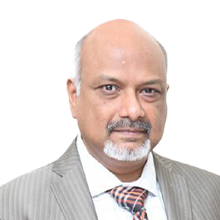
Consultant Physician
English, Hindi, Telugu
Day time OPD:
MON – SAT : 09:00 AM – 04:00 PM
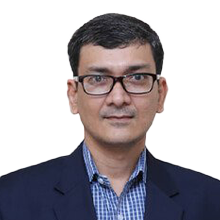
Consultant Physician
English, Hindi, Telugu, Kannada, Marwadi, Gujarati
Day time OPD:
MON – SAT : 09:00 AM – 4:00 PM
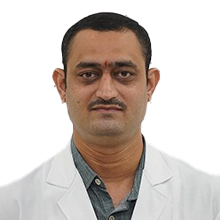
Consultant Physician & Diabetologist
English, Hindi, Telugu
Day time OPD:
MON – SAT : 09:00 AM – 4:00 PM

Consultant General Physician
English, Telugu, Hindi, Tamil
Day time OPD:
Mon – Sat : 09:00 AM – 4:00 PM
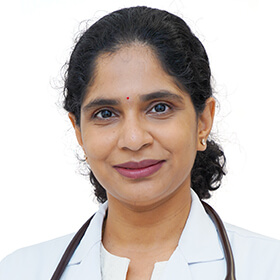
Functional Medicine Specialist & Consultant Physician
English, Telugu, Hindi, Urdu
Day time OPD:
MON – SAT : 09:00 AM – 4:00 PM

Consultant General Medicine
Telugu, English, Hindi
Day time OPD:
MON – SAT : 09:00 AM – 4:00 PM
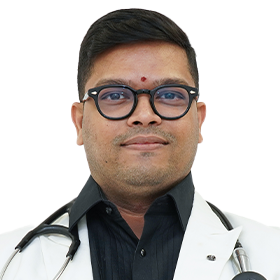
Sr. Consultant General Physician
Telugu, Hindi, Tamil & English
Day time OPD:
MON-SAT : 09:00 AM – 05:00 PM
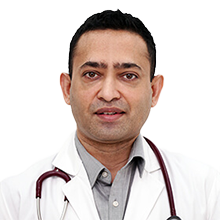
Senior Consultant Physician
English, Hindi, Telugu
Day time OPD:
MON – SAT : 09:00 AM – 05:00 PM
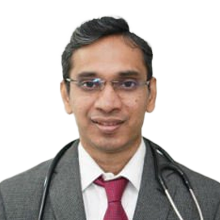
Consultant Physician & Diabetologist
English, Hindi, Telugu, Tamil, Bengali
Day time OPD:
MON – SAT : 09:00 AM – 4:00 PM
Services info not available

Consultant Physician
English, Hindi, Telugu, Tamil
Day time OPD:
MON – SAT : 10:30 AM – 04:30 PM
Services info not available
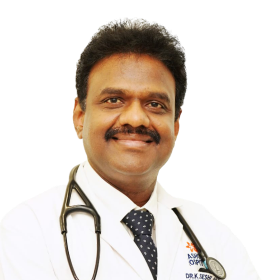
Sr. Consultant General Physician
English, Telugu
Day time OPD:
MON – SAT : 10:00 AM – 02:30 PM
Evening OPD:
MON – SAT : 05:30 PM – 08:00 PM
Sr. Consultant General Physician
English, Hindi, Telugu
Day time OPD:
MON – SAT : 09:30 AM – 06:00 PM
Sr. Consultant General Physician
English, Hindi, Telugu
Day time OPD:
MON – SAT : 09:30 AM – 07:00 PM
Expertise info not available
Sr. Consultant Physician
Telugu, Hindi, English, Kannada
Day time OPD:
MON – SAT : 09:30 AM – 05:00 PM
Sr. Consultant General Physician
English, Hindi, Telugu
Day time OPD:
MON – SAT : 11:00 AM – 03:00 PM
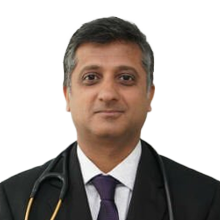
Consultant Physician & Diabetologist
English, Hindi, Telugu and Gujarati
Day time OPD:
MON – SAT : 09:00 AM – 4:00 PM
Expertise info not available
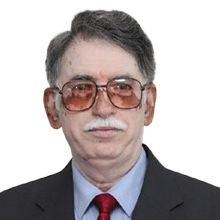
Sr. Consultant General Physician Vice President – Medical Services
English, Hindi, Telugu
Day time OPD:
MON – SAT : 11:20 AM – 05:00 PM
Best Geriatric Doctors in Hyderabad
Yashoda Hospitals brings together top geriatricians and senior care specialists throughout its HITEC City, Secunderabad, Somajiguda, and Malakpet locations to provide comprehensive and holistic treatment for age-related diseases affecting mobility, cognition, and general well-being. The department is supported by a multidisciplinary group of geriatric doctors, neurologists, orthopedists, cardiologists, endocrinologists, psychiatrists, rehabilitation specialists, and nutritionists.
This integrated strategy guarantees that common and difficult geriatric illnesses are managed precisely. Weakness, falls, cognitive decline, and chronic pain are all treated with cutting-edge technology and minimally invasive approaches. We also handle concerns related to multimorbidity, osteoporosis, dementia, and polypharmacy. Complex illnesses such as severe heart failure, Parkinson’s disease, recurring infections, and end-of-life care are highlighted to preserve independence and quality of life.
We provide complete geriatric evaluations, fall prevention programs, cognitive therapy, joint replacements, cardiac optimization, palliative care, personalized dietary plans, and rehabilitation for daily living skills. To achieve maximum health, functional rehabilitation, and a safe transition back to independent life, multimorbidity is handled using customized regimens.
Geriatric Facilities & Advanced Technologies
Yashoda Hospitals, known for providing innovative and precise geriatric care, uses an elite infrastructure of cutting-edge technology, including high-definition neuroimaging, robotic-assisted mobility aids, and computerized weakness assessments, to manage complex age-related conditions and ensure long-term quality-of-life outcomes.
The hospital’s extensive facilities include dedicated geriatric wards, geriatrician-advised memory clinics, and 24-hour emergency units, allowing smooth transitions from acute stabilization of falls and delirium to long-term management of dementia, ortho-geriatrics, and palliative care requirements.
The care pathway, which includes a multidisciplinary network of geriatricians, neurologists, and rehabilitation specialists, incorporates advanced post-treatment recovery strategies such as cognitive stimulation, nutritional support, and balance retraining to help older adults achieve independence and improve daily functioning.
Why Choose Yashoda for Geriatric Treatments in Hyderabad?
- Dedicated Post-Surgical Rehabilitation: Our professional teams drive your recovery with comprehensive assistance, from innovative surgical reconstructions to specialist dementia care and customized rehabilitation.
- Expert Team of Geriatric Doctors: With 30 years of comprehensive experience, our professionals help every older adult in need achieve exceptional health and independence.
- Best Hospital for Geriatric Medicine: Yashoda Hospitals, Hyderabad’s top pick for elderly care, offers specialist treatment ranging from frailty syndromes to advanced palliative care.
- Cutting-Edge Geriatric Technology: Our clinics use modern diagnostic imaging and minimally invasive technologies to accomplish accurate musculoskeletal realignment, cognitive stability, and overall chronic illness management.
FAQ’s
What is a geriatric specialist doctor?
A geriatric specialist, often known as a geriatrician, is a medical practitioner who has completed resident training in internal or family medicine, as well as specific fellowship training in the unique healthcare requirements of older persons. They are concerned with encouraging good aging and managing the various, often overlapping, physical and cognitive issues that come with advancing age. They aim to retain a patient’s independence and overall quality of life by focusing on the “whole person” rather than one condition.
What are the common conditions treated by a geriatric specialist?
Geriatricians treat a wide range of illnesses, with a particular emphasis on “geriatric syndromes” that affect several bodily systems, such as frailty, falls, urinary incontinence, and sleep disturbances. They also specialize in treating chronic disorders such as cardiovascular disease and diabetes, taking into consideration how aging affects the way the body takes drugs. Furthermore, they are the major experts on age-related cognitive disorders such as dementia, Alzheimer’s, and osteoporosis.
What are the symptoms of age-related health issues that I should be aware of?
Look out for minor changes, such as unexpected fatigue, unintentional weight loss, or difficulty doing basic daily chores like money management or food preparation. Other warning indicators include increasing episodes of dizziness or instability, which dramatically increase the risk of falling, as well as prolonged social disengagement or mood changes. Any unexpected beginning of disorientation or a notable deterioration in memory should be reported to a doctor as soon as possible.
How does a geriatric specialist diagnose dementia?
A comprehensive clinical assessment is required to identify dementia from other curable causes of cognitive decline, such as vitamin deficits or thyroid problems. Geriatricians do a thorough neurological examination, analyze the patient’s medical history, and use standardized screening methods to evaluate cognitive function. They may also prescribe brain imaging (such as an MRI or CT scan) and particular blood tests to determine the underlying disease and rule out any reversible disorders.
What diagnostic tests do geriatric specialists use to assess health in older adults?
The Comprehensive Geriatric Assessment (CGA) is a multidisciplinary examination that considers physical, cognitive, and social health. This includes cognitive screenings such as the Mini-Mental State Examination (MMSE) or Mini-Cog, as well as mobility tests like the “Timed Up-and-Go” to assess fall risk. Furthermore, clinicians do rigorous medication reconciliations to avoid harmful drug interactions, which are frequently accompanied by targeted blood panels to check nutrition and organ function.
What treatments are available for chronic pain in elderly patients?
Managing chronic pain in older persons necessitates a multimodal strategy that balances effectiveness and safety. Physicians promote non-pharmacological therapies such as physical therapy, acupuncture, and heat or cold therapy to restore function and minimize dependency on medications. When medications are required, the method prioritizes low-dose non-opioid alternatives, such as topical NSAIDs or nerve pain treatments, while carefully restricting long-term opioid usage to avoid cognitive and fall-related risks.
What are the treatment options for managing Alzheimer’s disease?
While there is no cure for Alzheimer’s, therapy aims to manage symptoms and improve quality of life with a combination of medicine and behavioral assistance. To temporarily stabilize cognitive and behavioral problems, doctors frequently administer cholinesterase inhibitors. Equally crucial are the establishment of a controlled, safe environment and cognitive stimulation treatments, which help patients maintain their independence and daily routines for as long as feasible.
How do geriatric specialists approach medication management for older adults?
Geriatricians use a method known as “deprescribing” to manage drugs, which entails examining a patient’s whole drug regimen to eliminate superfluous, ineffective, or hazardous prescriptions. They are also concerned about the “prescribing cascade,” in which new medications are prescribed to alleviate the negative effects of current ones, which is a common issue in older populations. This method favors reduced dosage regimens to limit the possibility of mistakes and undesirable drug-drug or drug-disease interactions.
What surgical procedures might a geriatric specialist recommend?
Geriatricians frequently recommend elective operations that considerably improve a patient’s functional independence, such as hip or knee replacements, to restore movement. Other popular recommendations include cataract surgery to improve eyesight and safety, as well as hernia repairs or heart valve replacements to treat symptoms that prevent strenuous exercise. The option for surgery is always assessed against the patient’s overall “frailty index” to ensure that the advantages of the procedure exceed the physiological stress of the operation.
What are the risks associated with surgery in elderly patients?
Surgery in the elderly increases the risk of postoperative delirium, a sudden condition of disorientation that can delay recovery and lengthen hospital stays. Older people are also more likely to have heart problems, pneumonia, and functional decline as a result of prolonged immobility. To reduce these dangers, professionals perform detailed pre-surgical examinations to maximize the patient’s physical fitness and then use “early mobilization” techniques immediately after the treatment.
What is the recovery process like after surgery for older adults?
Recovery for older persons emphasizes early movement to avoid problems such as muscular atrophy, pressure ulcers, and blood clots. To guarantee the patient’s safe return to functional independence, specialized geriatric care frequently incorporates a multidisciplinary team that includes physical and occupational therapists. Because senior patients are more vulnerable to post-operative delirium, physicians provide careful monitoring and individualized transition plans to control medication and promote recovery at home or at a rehabilitation facility.
What are the success rates for treatments provided by geriatric specialists?
In geriatrics, success rates are frequently defined by increases in functional independence and quality of life rather than the “cure” of a disease. For example, elective operations such as hip replacements have success rates of more than 90% in relieving pain and restoring mobility in seniors. While results vary by illness, geriatric treatments have been demonstrated statistically to minimize hospital readmissions and the severity of chronic problems through proactive, patient-centered management.
How can I help prevent health issues in my aging family members?
You can assist by ensuring that your family members have yearly preventative tests, such as vision, hearing, and cognitive exams. Encouraging a lifestyle that includes protein-rich nutrition, frequent weight exercise, and social engagement is critical for preserving physical and mental resilience. Additionally, doing a home safety assessment to minimize tripping risks and assisting them in keeping an orderly, accurate inventory of all current prescriptions will dramatically reduce falls and harmful drug interactions.
What are the signs that indicate a need for a geriatric evaluation?
If you experience abrupt or inexplicable changes in cognitive function, such as disorientation or significant memory lapses, you should seek a professional examination. Other signs include frequent falls, persistent illnesses, and considerable, unintended weight loss. Furthermore, if a family member is taking five or more drugs and appears to be suffering new symptoms or overall deterioration, a full examination can assist in identifying and addressing underlying concerns.
How is frailty assessed and managed by geriatric specialists?
Geriatricians use tools such as the Fried Frailty Phenotype to diagnose frailty, which includes unexpected weight loss, tiredness, poor walking speed, and limited physical activity. Management is extremely tailored, with an emphasis on “prehabilitation” to increase reserve through focused exercise, specific dietary regimens to prevent sarcopenia (muscle loss), and careful drug evaluation to reduce adverse effects. By treating these elements, physicians hope to return the patient from a “frail” state to one of strength and independence.

 Appointment
 Second Opinion
 Live Chat
 Call
Call More
More


