Select Page

Get a Free Second Opinion

Variceal Banding (Esophageal) Cost In India

Variceal Banding (Esophageal) is a minimally invasive endoscopic procedure performed to treat enlarged veins (esophageal varices) in the food pipe (esophagus), which commonly develop due to portal hypertension, often associated with liver cirrhosis or chronic liver disease. It is primarily done to stop active bleeding or prevent potentially life-threatening bleeding from ruptured varices. Esophageal variceal banding is recommended for patients diagnosed with large varices, those who have experienced variceal bleeding, or individuals at high risk of bleeding complications. The procedure helps control bleeding, reduces the risk of recurrent hemorrhage, and improves patient safety while managing complications of liver disease. It is typically performed using an endoscope under sedation or anesthesia and usually takes around 15 to 45 minutes, depending on the severity and number of varices requiring treatment.
Different approaches to managing esophageal varices may include endoscopic variceal ligation (banding), sclerotherapy, medications such as beta-blockers, or advanced interventions like TIPS (Transjugular Intrahepatic Portosystemic Shunt) in selected cases. During banding, small elastic bands are placed around the enlarged veins to cut off blood flow, causing them to shrink and eventually disappear. Recovery is generally quick, with many patients discharged the same day or after short observation, though temporary throat discomfort, chest tightness, difficulty swallowing, or mild pain may occur. Major benefits include effective bleeding control, prevention of recurrent bleeding episodes, reduced hospitalization risk, and avoidance of more invasive emergency interventions. Overall, esophageal variceal banding is considered a safe and highly effective procedure when performed by an experienced gastroenterologist in appropriately selected patients.
What Is The Cost Of Variceal Banding (Esophageal) In India?

The cost of Variceal Banding (Esophageal) in India typically ranges from Rs 25,000 to Rs 2,50,000, depending on the severity and number of esophageal varices, whether the procedure is performed as an emergency or planned treatment, the hospital category, the gastroenterologist’s expertise, the city, anesthesia charges, endoscopy costs, diagnostic investigations, ICU or hospitalization requirements, and post-procedure care. Simple elective variceal banding performed as a planned endoscopic procedure is generally less expensive, while emergency treatment for active bleeding, multiple banding sessions, or cases requiring intensive monitoring may cost significantly more. Costs may also increase if additional treatments such as blood transfusions, medications, ICU care, or management of underlying liver disease are required. The table below provides approximate cost ranges for Variceal Banding (Esophageal) in India.

Type of Procedure Cost in India
Simple Elective Variceal Banding Rs 25,000 to Rs 60,000
Emergency Variceal Banding (Bleeding Varices) Rs 50,000 to Rs 1,50,000
Variceal Banding with Hospital Observation Rs 40,000 to Rs 90,000
Variceal Banding with ICU / Critical Care Support Rs 80,000 to Rs 2,50,000
Repeat / Multiple Session Variceal Banding Rs 50,000 to Rs 1,80,000
Variceal Banding with Diagnostic Endoscopy & Investigations Rs 30,000 to Rs 80,000

The actual cost may vary depending on the patient’s liver condition, urgency of treatment, risk of bleeding, need for hospitalization or ICU care, number of treatment sessions required, hospital infrastructure, specialist experience, city, and follow-up care requirements.

Enquire now

Factors Influencing the Cost of Variceal Banding (Esophageal)

Several factors can affect the overall cost of Variceal Banding (Esophageal) in India, including:

  • Severity of Esophageal Varices: Larger varices, active bleeding, or high-risk varices often require urgent intervention, increasing the treatment cost.
  • Emergency vs Planned Procedure: Emergency variceal banding for active bleeding is generally more expensive than a scheduled elective procedure due to urgent care and monitoring needs.
  • Number of Banding Sessions Required: Some patients require multiple endoscopic banding sessions for complete eradication of varices, which increases the total cost.
  • Hospital Category and Infrastructure: Costs are usually higher in premium multispecialty or tertiary care hospitals compared to smaller healthcare centers.
  • Gastroenterologist’s Expertise: Highly experienced gastroenterologists or interventional endoscopy specialists may charge higher professional fees.
  • City / Location: Treatment costs vary between metropolitan cities such as Delhi, Mumbai, Hyderabad, Chennai, and Bangalore compared to smaller cities.
  • Endoscopy and Procedure Charges: The cost of the upper GI endoscopy procedure, band ligation equipment, and procedural consumables contribute to the overall expense.
  • Anesthesia / Sedation Charges: Use of conscious sedation or anesthesia during the procedure can add to the total treatment cost.
  • Diagnostic Investigations: Pre-procedure blood tests, liver function tests, coagulation profile, imaging, and other assessments can increase overall expenses.
  • Hospital Stay / ICU Care: Patients requiring hospitalization, observation, or ICU care, especially in emergency bleeding cases, will have significantly higher costs.
  • Additional Treatments: Blood transfusions, medications, IV fluids, management of portal hypertension, or treatment of underlying liver disease may add to the total cost.
  • Follow-up Endoscopies and Monitoring: Repeat evaluations and surveillance endoscopies to monitor recurrence can increase the long-term treatment cost.

Enquire now

Types of Variceal Banding (Esophageal)

  • Elective Endoscopic Variceal Band Ligation (EVL): This is the most common type of variceal banding and is performed as a planned procedure in patients who have been diagnosed with esophageal varices but are not actively bleeding at the time of treatment. It is typically recommended for patients with moderate to large varices who are at risk of future bleeding. During the procedure, a gastroenterologist uses an endoscope fitted with a banding device to place small elastic bands around the enlarged veins, cutting off blood flow so they gradually shrink and disappear. Elective EVL helps prevent serious bleeding complications and is often done as a daycare or short-stay procedure.
  • Emergency Variceal Banding for Active Bleeding: This type of banding is performed urgently when a patient presents with active bleeding from ruptured esophageal varices, which is considered a life-threatening medical emergency. Symptoms may include vomiting blood, black stools, dizziness, weakness, or signs of shock. In such cases, emergency endoscopic band ligation is performed to immediately control the bleeding and stabilize the patient. Because these patients may require ICU monitoring, blood transfusions, intravenous medications, and emergency supportive care, this type of treatment is more complex and expensive than planned procedures.
  • Prophylactic Variceal Banding: Prophylactic banding is done to prevent the first episode of bleeding in patients who have high-risk esophageal varices, especially those with advanced liver disease or signs that indicate a high chance of rupture. Since bleeding from esophageal varices can be severe and sudden, preventive treatment is often recommended rather than waiting for complications to occur. This approach significantly lowers the risk of life-threatening bleeding and is commonly combined with medications such as beta-blockers to reduce portal pressure.
  • Repeat / Serial Variceal Banding Sessions: In many patients, a single banding session may not eliminate all varices. Repeat or serial banding sessions are therefore scheduled over several weeks or months until the enlarged veins are fully eradicated or adequately controlled. Follow-up endoscopies are important because varices may recur, especially if the underlying liver disease persists. This staged treatment approach improves long-term outcomes and reduces the risk of recurrent bleeding episodes.
  • Variceal Banding with Diagnostic Upper GI Endoscopy: Sometimes esophageal varices are discovered during an upper gastrointestinal endoscopy performed to investigate symptoms such as unexplained anemia, vomiting blood, black stools, abdominal discomfort, or complications of liver disease. If appropriate, therapeutic banding may be performed during the same procedure, avoiding the need for a separate intervention. This combined diagnostic and therapeutic approach allows quicker treatment and improved patient convenience.
  • Variceal Banding with Adjunctive Medical Management: Variceal banding is often part of a broader treatment plan rather than a standalone solution. Patients may also receive medications to reduce portal hypertension, antibiotics if infection risk is present, liver disease management, nutritional support, or advanced interventions such as TIPS in severe cases. Combining endoscopic treatment with medical management helps improve long-term outcomes, reduce recurrence, and better control complications related to chronic liver disease.

Enquire now


Making An Informed Decision on Variceal Banding (Esophageal) In India

Choosing Variceal Banding (Esophageal) is an important step for patients diagnosed with esophageal varices, portal hypertension, liver cirrhosis, vomiting blood (hematemesis), black stools (melena), anemia, or those at high risk of life-threatening variceal bleeding. Before proceeding, it is essential to consult an experienced gastroenterologist to understand why the procedure is needed, whether it is being performed as preventive or emergency treatment, the expected benefits, possible risks, recovery process, and whether additional interventions such as medications, repeat banding sessions, or advanced procedures like TIPS may be required. The severity of the varices, bleeding status, underlying liver disease, and the patient’s overall health all play a major role in determining the most appropriate treatment approach.

Enquire now

Specialist Doctors

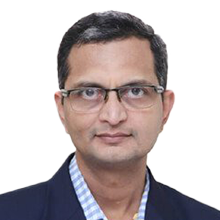
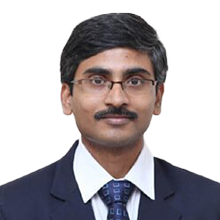
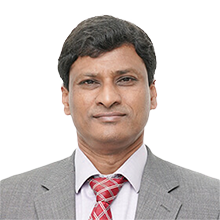
Dr. Santosh Enaganti

MD, MRCP, CCT (Gastro) (UK), FRCP (London) <br> Advanced Endoscopy Fellowship, UK <br> Liver Transplantation fellow, UK <br> Formerly NHS UK Consultant

Sr. Consultant Medical Gastroenterologist, Hepatologist & Third Space Endoscopist, Clinical Director.

Telugu, English & Hindi
27 Yrs
Hitec City

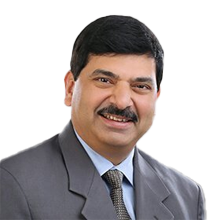
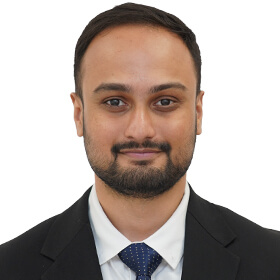
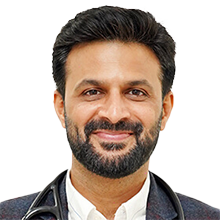
Dr. Naveen Polavarapu

MRCP (Lon, UK), FRCP (Glasgow, UK), CCT (Gastro, UK) Liver Transplant Fellow (Birmingham, UK)

Senior Consultant, Medical Gastroenterologist, Liver Specialist, Lead – Advanced Endoscopic Interventions & Training, Clinical Director

English, Hindi, Telugu
25 Yrs
Hitec City

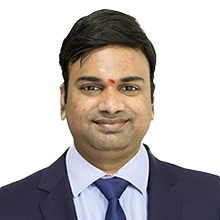
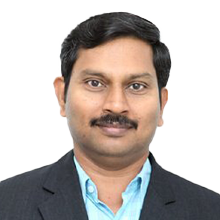
Dr. K. S. Somasekhar Rao

M. D (Gen Med),D.M.(Gastro)

Sr.Consultant Medical Gastroenterologist & Hepatologist. Clinical Director.

English, Hindi, Kannada, Tamil, Telugu
19 Yrs
Hitec City

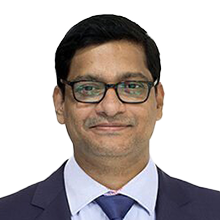
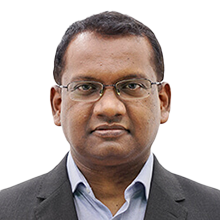
Dr Jagadish Polavarapu

MBBS (Osmania); MD Internal Medicine (Osmania). DM (Gastroenterology) CMC Vellore, ESEGH (UK)

Consultant Gastroenterologist & Hepatologist Bariatric Endoscopist

Telugu, English, Hindi, Tamil
10 Yrs
Hitec City

Dr. Gopi Srikanth

MD (PGIMER), DM & Fellowship (AIIMS, New Delhi), EUS Fellowship (WISE, WEO)

Consultant in Gastroenterology, Hepatology, and Advanced Endoscopy

English, Hindi, Telugu
10 Yrs
Hitec City

Dr Krishna Bharadwaj Pegatraju

MD (Medicine), DM (Gastroenterology – CMC, Vellore), ESEGH (UK)

Consultant Gastroenterologist, Pancreatologist and Advanced Endoscopist

Telugu, English, Hindi and Tamil
9 Yrs
Hitec City

Dr Md. Tajuddin Farooqui

MBBS, DNB(Gen Med), DrNB Medical Gastro)

Consultant Medical Gastroenterologist & Hepatologist

Hindi, Telugu, Urdu & English
5 Yrs
Hitec City

Dr Varun Addagarla

DNB(Internal Medicine) DM(Medical Gastroenterology)

Consultant Gastroenterologist, Hepatologist and Therapeutic Endoscopist

English, Telugu and Hindi
5 Yrs
Hitec City

Dr. N. Ravisankar Reddy

MBBS, MD (Internal medicine), DM (Gastroenterology)

Senior Consultant Medical Gastroenterologist

English, Hindi, Telugu
22 Yrs
Malakpet

Dr. Kishan Nunsavata

MBBS, MD (Gen Med), DM (Gastroenterology)

Consultant Gastroenterologist & Hepatologist

Telugu, English, Hindi
9 Yrs
Malakpet

Dr. Ramakanth Reddy A

DNB, DrNB

Associate Consultant Gastroenterologist & Hepatologist, Interventional Endoscopist

English, Hindi, Telugu, Kannada, Tamil
7 Yrs
Malakpet

Dr. G. R. Srinivas Rao

DM, MD (Gastro)

Senior Consultant Gastroenterologist

English, Hindi, Telugu, Kannada, Oriya
34 Yrs
Secunderabad

Dr. B. Ravi Shankar

MD, DNB, DM (Gastroenterology)

Director - Medical Gastroenterology, Interventional Gastroenterologist & Hepatologist, Chief of Academics -Department of Gastroenterology

English, Hindi, Telugu
29 Yrs
Secunderabad

Dr. Anilkumar Mannava

MD (General Medicine), DNB (Gastroenterology)

Consultant Gastroenterologist and Hepatologist

Telugu, Kannada, English, Hindi
15 Yrs
Secunderabad

Dr. Adi Rakesh Kumar

MD, DM (Gastroenterology)

Director of Advanced Endoscopy- Consultant Gastroenterologist, Therapeutic Endoscopist & Endosonologist

English, Telugu, Hindi
14 Yrs
Secunderabad

Dr. Viswanath Reddy D

MD, DM (Gastroenterology)

Consultant Gastroenterologist

English, Hindi, Telugu, Bengali, Tamil
13 Yrs
Secunderabad

Dr. B. Shruti Sagar

MD, DM (Gastro)

Consultant Gastroenterologist

English, Hindi, Telugu
10 Yrs
Secunderabad

Dr. D. Chandra Sekhar Reddy

MD, DM (Gastroenterology)

Sr. Consultant Gastroenterologist, Hepatologist and Therapeutic Endoscopist

English, Hindi, Telugu
33 Yrs
Somajiguda

Dr. Kiran Peddi

MRCP (UK), FRCP (Lon), CCT Gastro (UK), Fellowship in Advanced Endoscopy and IBD (Aus)

Sr. Consultant Gastroenterologist, Director- Center For IBD

Telugu, English, Hindi
25 Yrs
Somajiguda

Dr. Sarada Pasangulapati

MRCP (UK), MRCP (Gastro), CCT (UK), FRCP (Glasgow), Fellowship in Hepatology and Liver Transplantation (Cambridge)

Consultant Medical Gastroenterologist and Hepatologist

Telugu, English, Hindi
14 Yrs
Somajiguda

Dr. Sriram Srikakulapu

MD (General Medicine), DM (Medical Gastroenterology)

Consultant Medical Gastroenterologist

English, Hindi, Telugu, Bengali
8 Yrs
Somajiguda

Why Choose Yashoda Hospitals

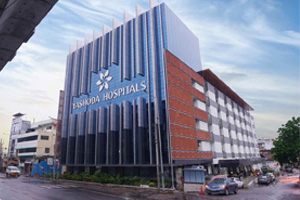
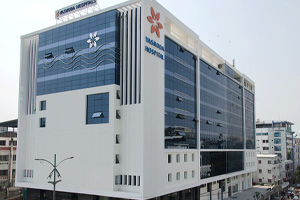
Yashoda Hospitals is a preferred choice for Variceal Banding (Esophageal) due to its experienced gastroenterologists, advanced endoscopy technology, and strong emergency care support for managing both planned and urgent variceal bleeding cases. The hospital offers accurate diagnosis, expert treatment for portal hypertension and liver-related complications, ICU backup for critical patients, and comprehensive follow-up care to reduce the risk of recurrent bleeding, ensuring safe and effective outcomes.

blank
Comprehensive Care

On the journey to good health, we understand that it is important for you to feel at home. We plan out all aspects of your trip.

blank
Expert Doctors

Experienced specialists perform non-invasive and minimally invasive surgeries to provide the best treatment for international patients.

blank
Cutting-Edge Technology

Our hospitals are equipped with advanced technology to perform a wide range of procedures and treatments.

blank
Clinical Excellence

We deliver excellence by delivering quick and efficient healthcare and through pioneering research that helps all our future.patients.

All major insurance are accepted for
Variceal Banding (Esophageal) Cost In India Treatment


Our Locations

  • Malakpet Location

    Malakpet

  • Somajiguda Location

    Somajiguda

  • Secunderabad Location

    Secunderabad

  • Hitec City Location

    Hitec City

FAQ's

Variceal banding, also called Endoscopic Variceal Ligation (EVL), is a minimally invasive endoscopic procedure used to treat enlarged veins (esophageal varices) in the food pipe caused by portal hypertension, commonly related to liver disease. Small elastic bands are placed around the swollen veins to stop or prevent bleeding.

Variceal banding is usually not painful because it is performed under sedation or anesthesia. Some patients may experience mild throat discomfort, chest tightness, or temporary difficulty swallowing for a short period after the procedure.

Recovery is generally quick, and many patients can return home the same day or after a short hospital stay, depending on their condition. Most patients recover within 24 to 48 hours, although emergency cases may require longer observation.

Yes, in many cases, multiple sessions are required because a single treatment may not eliminate all esophageal varices. Follow-up endoscopies are commonly scheduled over several weeks or months to ensure complete treatment and reduce recurrence risk.

Although generally considered safe, possible risks include throat discomfort, chest pain, temporary swallowing difficulty, ulcer formation at the banding site, minor bleeding, infection, or recurrence of varices. Serious complications are uncommon when performed by experienced specialists.

Terms and conditions

All the cost and surgery information provided on the website is primarily to enable the users to obtain a better understanding of Yashoda Hospitals and the medical services provided by it, and the information thereby provided is subject to changes and modifications as and when required without any prior notice. Actual cost of the surgery details would be confirmed at the hospital after doctor consultation only.

Yashoda Hospitals does not represent or endorse the accuracy, completeness or reliability of any information displayed, uploaded or distributed through the website. The usage of the content implies that you acknowledge that any reliance upon any such statement or information shall be at your own risk. Yashoda Hospitals does not resume any responsibility related to the accuracy of information provided or made available. None of the individual developers, system operators, third-party contributors and management of Yashoda Hospitals or anyone else connected to Yashoda Hospitals can be held responsible for the results or consequences incurred due to any reliance being placed or adopt any of the information presented on this website.

Book an appointment
in 2 minutes