Select Page

Get a Free Second Opinion

Enteroscopy Cost In India

– Providing 30+ years of world-class healthcare to diverse communities.
– 600+ specialists across 62 medical specialties providing expert care
– Advanced technology and procedures for top-quality patient care
– Minimally invasive procedures for faster recovery and comfort
– Advanced surgical suites and ICUs for critical care

Enteroscopy is a specific endoscopic technique designed to evaluate the small intestine, an area that was previously difficult to access with traditional diagnostic techniques. Positioned between the stomach and large intestine, the small intestine plays a vital role in digestion and nutrient absorption, yet the length and complex nature of the small intestine have made detailed examination challenging. Enteroscopy overcomes these limitations by enabling direct visualization, precise diagnosis, and targeted treatment within the important body part called the digestive tract. Using state-of-the-art, flexible endoscopes equipped with high-definition cameras and specialized attachments, enteroscopy allows clinicians to navigate deep into the small intestine with visible accuracy. Techniques like single-balloon, double-balloon, and spiral enteroscopy have changed the way gastrointestinal conditions are diagnosed and managed. These developments provide a structured and controlled approach, making sure of both safety and diagnostic clarity. Enteroscopy is not only a diagnostic tool but also a therapeutic tool. During the method, physicians can diagnose abnormalities like bleeding, polyps, tumors, inflammations, or strictures, and in many instances, address them immediately. This decreases the need for multiple interventions and speeds up the process of recovery. Enteroscopy is minimally invasive in nature, and with evolving technological developments, enteroscopy represents a giant leap forward in gastrointestinal tract care. It shortens the gap between uncertainty and brings clarity, offering a deep understanding of conditions that might remain undetected.

What Is The Cost Of Enteroscopy In India?

The cost of enteroscopy in India ranges from 15,000 Rs to 1,20,000 Rs. The tabular column below provides a summary of approximate cost ranges for all recognized types of enteroscopy procedures.

Type Of Enteroscopy  Cost In India 
Push Enteroscopy  15,000 Rs to 25,000 Rs 
Single-Balloon Enteroscopy  18,000 Rs to 30,000 Rs 
Double-Ballon Enteroscopy  20,000 Rs to 35,000 Rs 
Spiral Enteroscopy  25,000 Rs to 40,000 Rs 
Caspule Enteroscopy  40,000 Rs to 1,20,000 Rs 


Enquire now

Who Needs Enteroscopy?

  • Enteroscopy is recommended in patients with unexplained gastrointestinal bleeding, where the origins of bleeding are not found in regular evaluation techniques like endoscopy or colonoscopy.
  • Individuals with iron deficiency anemia of unknown cause need enteroscopy, mainly when standard tests do not reveal the exact reason.
  • Patients with suspected or confirmed tumors in the small intestine are diagnosed through biopsy, or to evaluate the extent of disease.
  • Patients who experience continuous or recurring pain in the abdomen need enteroscopy because other diagnostic evaluations have failed to diagnose the exact cause.
  • Patients with suspected Crohn’s disease that affects the small intestine require enteroscopy for in-depth examination and confirmation.
  • Patients suffering from long-term diarrhea of unknown origin need direct visualization of the small bowel using enteroscopy.
  • Patients struggling with suspected small bowel inflammation or ulcers need to be diagnosed and evaluated to determine how serious the condition is.
  • Individuals with unusual findings on imaging tests like CT scan, magnetic resonance imaging, or capsule endoscopy need enteroscopy for further testing.
  • Patients suffering from intestinal strictures (narrowing of the small intestine) need enteroscopy as they are known to cause symptoms like obstruction, vomiting, or bloating.
  • Patients with malabsorption syndromes presenting with unexplained loss of weight, weakness, and nutritional deficiencies need enteroscopy.
  • Patients dealing with suspected or complex celiac issues, especially when the diagnosis is uncertain or problems are suspected, need enteroscopy.
  • Individuals with polyps in the small intestine require enteroscopy for diagnosis, biopsy, or removal.
  • Patients with hereditary and genetic issues like polyposis syndrome require enteroscopy for regular observation and management.
  • Individuals with suspected foreign bodies in the small intestine that might need removal also need enteroscopy.
  • Patients who need a targeted biopsy of the small intestine lesions for precise diagnosis of infections, tumors, or inflammatory diseases also need enteroscopy.

Enquire now

Types of Evaluations For Small Intestine Issues

  • Upper Gastrointestinal Endoscopy (EGD): Is a resilient scope utilized to evaluate the esophagus, stomach, and the first part of the small intestine (duodenum). It is vital in identifying ulcers, inflammation, or tumors in the upper digestive tract, but it has less reach beyond the proximal small bowel.
  • Colonoscopy: Is a method that examines the large intestine and the terminal ileum (that is, the end part of the small intestine). It assists in identifying inflammation, bleeding, polyps, or tumors, but cannot evaluate most of the small intestine.
  • Capsule Endoscopy: Is a little, swallowable capsule with a camera that takes images throughout the small intestine. It is non-invasive and has high utility for diagnosing bleeding or lesions, but it does not allow biopsy or therapy.
  • CT Enterography (CT scan of the small intestine) is a specialized CT scan that utilizes contrast material and provides in-depth images of the small intestine. It is effective for diagnosing tumors, inflammation, or obstruction, but it involves exposing the patient to radiation.
  • MR Enterography (MRI of the small intestine): utilizes magnetic resonance imaging to view the small intestine in-depth. It is specifically useful for inflammatory conditions like Crohn’s disease and avoids the use of radiation. But this process is usually more time-consuming and has limited availability.
  • Small Bowel Follow-Through (Barium Study): is an X-ray-based evaluation, where the patient is asked to drink contrast material to draw an outline of the small intestine. It can diagnose structural abnormalities but is comparatively less sensitive than modern imaging methods.
  • Angiography is a procedure that views blood vessels by utilizing contrast dye. It is mainly utilized in cases of active gastrointestinal bleeding. It can also allow therapeutic mediation, such as embolization.
  • Ultrasound (Abdominal sonography): Is a non-invasive imaging technique utilized for initial examination of pain in the stomach or suspected bowel issues. Nevertheless, it has a limited ability to evaluate deeper parts of the small intestine.

Enquire now

Factors Influencing the Cost Of Enteroscopy

  • Type of enteroscopy performed.
  • Purpose of the procedure
  • Hospital type and reputation
  • City and location
  • Doctor’s expertise and experience
  • Use of advanced equipment or technology
  • Requirement for additional procedures
  • Anesthesia or sedation type
  • Pre-procedure investigations
  • Post-procedure monitoring or recovery
  • Hospital stay duration
  • Consumables and disposables utilized
  • Management of complications
  • Insurance coverage and terms of policy
  • Follow-up consultations and medicines
  • Emergency versus planned procedures

Enquire now

Types Of Enteroscopy Procedures

  • Push Enteroscopy: A type of  enteroscopy technique where a longer endoscope is advanced through the mouth of the patient to evaluate the upper portion of the small intestine (duodenum and proximal jejunum). It is mainly utilized for basic examination and minor therapeutic procedures.
  • Single-Balloon Enteroscopy is another type of enteroscopy technique that uses one balloon attached to an overtube to assist in moving the scope deeper into the small intestine. It allows both identification and therapy of the conditions beyond the reach of standard endoscopy.
  • Doble-Balloon Enteroscopy: Utilizes two balloons, one on the scope and one on the overtube, to pleat and advance through the small intestine. This type of enteroscopy provides deeper access and is highly effective for in-depth evaluation and complex interventions.
  • Spiral Enteroscopy: Is a spiral-shaped overtube that is rotated to assist the endoscope in moving through the small intestine. It enables faster insertion and is useful for both diagnostic and therapeutic procedures.
  • Capsule Enteroscopy: Is a scope-based method that is inserted through the mouth or sometimes through the rectum to evaluate the small intestine. It can be used for both diagnostic and therapeutic purposes. Meaning doctors can utilize it for biopsy, remove polyps, stop bleeding, or provide treatment to strictures during the procedure.

Enquire now

Post-Procedure Process For Enteroscopy

  • After the completion of the enteroscopy procedure, the patient is kept under observation in a recovery area until the effects of sedation subside. Mild drowsiness, dizziness, or grogginess is common for a few hours.
  • The vital signs of patients, like blood pressure, pulse, and oxygen levels, are checked regularly to ensure stability, especially if sedation or a therapeutic procedure was performed.
  • Patients are normally advised to begin with clear liquids and gradually return to a normal diet as tolerated. If numbness in the throat is present after oral enteroscopy, eating is delayed until swallowing becomes comfortable.
  • Short-term symptoms like sore throat, bloating, gas, or mild abdominal discomfort might occur and are usually resolved within a day.
  • Patients are advised to rest for the remainder of the day after enteroscopy and avoid driving, operating machinery, or making vital decisions for at least 24 hours due to the effects of sedation.
  • Regular medications can be restarted unless otherwise instructed. Additional medicines may be suggested if a biopsy was performed or enteroscopy was used for the purpose of therapy.
  • Most enteroscopy procedures are done on a daycare basis, but some patients might require short observation or admission, especially after complex interventions.
  • The patient should opt for immediate medical attention if the individual is experiencing serious pain in the abdomen, continuous vomiting, fever, bleeding, or difficulty swallowing.
  • The doctor will discuss initial outcomes from the enteroscopy procedure, quickly after the procedure is completed. Biopsy results might take a few days, and a follow-up visit is normally scheduled.
  • Most of the patients after the enteroscopy method can restart normal activities the very next day, unless advised against it by a doctor.

Enquire now

Making An Informed Decision About Enteroscopy

Making an informed decision about enteroscopy involves the patient in understanding both the diagnostic and therapeutic value of enteroscopy in examining issues with the small intestine. It is vital to consider the purpose of enteroscopy, its benefits, and how effective it is in comparison to other available therapeutic procedures. The patient should discuss potential risks, the level of expertise available, and the need for additional interventions, helping ensure clarity. Patients should also examine hospital facilities and overall quality before proceeding. A well-informed choice supports diagnosis, on-time treatment, and better overall results.

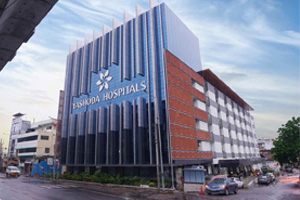
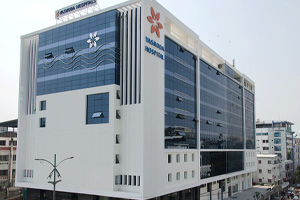
Yashoda Hospitals should be the first choice for patients who want to undergo enteroscopy, because the hospital is supported by highly skilled gastroenterologists who specialize in both diagnostic and therapeutic endoscopic procedures. Patients at Yashoda Hospitals benefit from a complete multispeciality perspective, which includes advanced imaging, surgical, and critical care support under one roof. With a strong focus on patient-centric care, safety, and precision, Yashoda Hospitals ensures dependable results and high-quality gut healthcare services.

Enquire now

Specialist Doctors

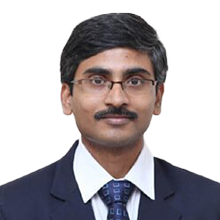
Dr. Santosh Enaganti

MD, MRCP, CCT (Gastro) (UK), FRCP (London) <br> Advanced Endoscopy Fellowship, UK <br> Liver Transplantation fellow, UK <br> Formerly NHS UK Consultant

Sr. Consultant Medical Gastroenterologist, Hepatologist & Third Space Endoscopist, Clinical Director.

Telugu, English & Hindi
27 Yrs
Hitec City

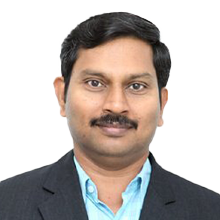
Dr. Naveen Polavarapu

MRCP (Lon, UK), FRCP (Glasgow, UK), CCT (Gastro, UK) Liver Transplant Fellow (Birmingham, UK)

Senior Consultant, Medical Gastroenterologist, Liver Specialist, Lead – Advanced Endoscopic Interventions & Training, Clinical Director

English, Hindi, Telugu
25 Yrs
Hitec City

Dr. K. S. Somasekhar Rao

M. D (Gen Med),D.M.(Gastro)

Sr.Consultant Medical Gastroenterologist & Hepatologist. Clinical Director.

English, Hindi, Kannada, Tamil, Telugu
19 Yrs
Hitec City

Dr Jagadish Polavarapu

MBBS (Osmania); MD Internal Medicine (Osmania). DM (Gastroenterology) CMC Vellore, ESEGH (UK)

Consultant Gastroenterologist & Hepatologist Bariatric Endoscopist

Telugu, English, Hindi, Tamil
10 Yrs
Hitec City

Dr. Gopi Srikanth

MD (PGIMER), DM & Fellowship (AIIMS, New Delhi), EUS Fellowship (WISE, WEO)

Consultant in Gastroenterology, Hepatology, and Advanced Endoscopy

English, Hindi, Telugu
10 Yrs
Hitec City

Dr Krishna Bharadwaj Pegatraju

MD (Medicine), DM (Gastroenterology – CMC, Vellore), ESEGH (UK)

Consultant Gastroenterologist, Pancreatologist and Advanced Endoscopist

Telugu, English, Hindi and Tamil
9 Yrs
Hitec City

Dr Md. Tajuddin Farooqui

MBBS, DNB(Gen Med), DrNB Medical Gastro)

Consultant Medical Gastroenterologist & Hepatologist

Hindi, Telugu, Urdu & English
5 Yrs
Hitec City

Dr Varun Addagarla

DNB(Internal Medicine) DM(Medical Gastroenterology)

Consultant Gastroenterologist, Hepatologist and Therapeutic Endoscopist

English, Telugu and Hindi
5 Yrs
Hitec City

Dr. N. Ravisankar Reddy

MBBS, MD (Internal medicine), DM (Gastroenterology)

Senior Consultant Medical Gastroenterologist

English, Hindi, Telugu
22 Yrs
Malakpet

Dr. Kishan Nunsavata

MBBS, MD (Gen Med), DM (Gastroenterology)

Consultant Gastroenterologist & Hepatologist

Telugu, English, Hindi
9 Yrs
Malakpet

Dr. Ramakanth Reddy A

DNB, DrNB

Associate Consultant Gastroenterologist & Hepatologist, Interventional Endoscopist

English, Hindi, Telugu, Kannada, Tamil
7 Yrs
Malakpet

Dr. G. R. Srinivas Rao

DM, MD (Gastro)

Consultant Gastroenterologist

English, Hindi, Telugu, Kannada, Oriya
34 Yrs
Secunderabad

Dr. B. Ravi Shankar

MD, DNB, DM (Gastroenterology)

Director - Medical Gastroenterology, Interventional Gastroenterologist & Hepatologist, Chief of Academics -Department of Gastroenterology

English, Hindi, Telugu
29 Yrs
Secunderabad

Dr. Anilkumar Mannava

MD (General Medicine), DNB (Gastroenterology)

Consultant Gastroenterologist and Hepatologist

Telugu, Kannada, English, Hindi
15 Yrs
Secunderabad

Dr. Adi Rakesh Kumar

MD, DM (Gastroenterology)

Director of Advanced Endoscopy- Consultant Gastroenterologist, Therapeutic Endoscopist & Endosonologist

English, Telugu, Hindi
14 Yrs
Secunderabad

Dr. Viswanath Reddy D

MD, DM (Gastroenterology)

Consultant Gastroenterologist

English, Hindi, Telugu, Bengali, Tamil
13 Yrs
Secunderabad

Dr. B. Shruti Sagar

MD, DM (Gastro)

Consultant Gastroenterologist

English, Hindi, Telugu
10 Yrs
Secunderabad

Dr. D. Chandra Sekhar Reddy

MD, DM (Gastroenterology)

Sr. Consultant Gastroenterologist, Hepatologist and Therapeutic Endoscopist

English, Hindi, Telugu
33 Yrs
Somajiguda

Dr. Kiran Peddi

MRCP (UK), FRCP (Lon), CCT Gastro (UK), Fellowship in Advanced Endoscopy and IBD (Aus)

Sr. Consultant Gastroenterologist, Director- Center For IBD

Telugu, English, Hindi
25 Yrs
Somajiguda

Dr. Sarada Pasangulapati

MRCP (UK), MRCP (Gastro), CCT (UK), FRCP (Glasgow), Fellowship in Hepatology and Liver Transplantation (Cambridge)

Consultant Medical Gastroenterologist and Hepatologist

Telugu, English, Hindi
14 Yrs
Somajiguda

Dr. Sriram Srikakulapu

MD (General Medicine), DM (Medical Gastroenterology)

Consultant Medical Gastroenterologist

English, Hindi, Telugu, Bengali
8 Yrs
Somajiguda

Why Choose Yashoda Hospitals

Yashoda Hospitals is committed to providing world-class treatment for patients from across the globe. With the unique combination of state-of-the-art technology, intuitive care, and clinical excellence, we are the healthcare destination for thousands of international patients in India.

blank
Comprehensive Care

On the journey to good health, we understand that it is important for you to feel at home. We plan out all aspects of your trip.

blank
Expert Doctors

Experienced specialists perform non-invasive and minimally invasive surgeries to provide the best treatment for international patients.

blank
Cutting-Edge Technology

Our hospitals are equipped with advanced technology to perform a wide range of procedures and treatments.

blank
Clinical Excellence

We deliver excellence by delivering quick and efficient healthcare and through pioneering research that helps all our future.patients.

All major insurance are accepted for
Enteroscopy Cost In India Treatment


Our Locations

  • Malakpet Location

    Malakpet

  • Somajiguda Location

    Somajiguda

  • Secunderabad Location

    Secunderabad

  • Hitec City Location

    Hitec City

FAQ's

Endoscopy is a broad term for methods that evaluate the digestive tract, normally limited to the esophagus, stomach, and colon. Enteroscopy is a specialized type of endoscopy that usually evaluates the small intestine, reaching areas that standard endoscopy cannot gain access to, plus enteroscopy also is a therapeutic procedure.

Enteroscopy is a specific endoscopic technique designed to evaluate the small intestine, an area that was previously difficult to access with traditional diagnostic techniques. It also assists in direct visualization, biopsy, and therapeutic intervention in one single procedure.

Enteroscopy is usually safe and minimally invasive, but like any other medical procedure, it carries small risks such as bleeding, infection, perforation, or reactions to sedation. Serious issues are rare when performed by experienced professionals.

Enteroscopy has a high diagnostic accuracy rate of around 85% to 95%, especially for diagnosing small bowel bleeding, lesions, and abnormalities when other tests are inconclusive.

Most patients recover after an enteroscopy procedure within 24 hours, with mild symptoms like bloating or throat discomfort resolving quickly. Normal activities can normally be resumed the very next day.

The enteroscopy procedure usually takes 30 minutes to 2 hours, depending on the type of enteroscopy and whether any therapeutic procedure is also performed along with it.

Terms and conditions

All the cost and surgery information provided on the website is primarily to enable the users to obtain a better understanding of Yashoda Hospitals and the medical services provided by it, and the information thereby provided is subject to changes and modifications as and when required without any prior notice. Actual cost of the surgery details would be confirmed at the hospital after doctor consultation only.

Yashoda Hospitals does not represent or endorse the accuracy, completeness or reliability of any information displayed, uploaded or distributed through the website. The usage of the content implies that you acknowledge that any reliance upon any such statement or information shall be at your own risk. Yashoda Hospitals does not resume any responsibility related to the accuracy of information provided or made available. None of the individual developers, system operators, third-party contributors and management of Yashoda Hospitals or anyone else connected to Yashoda Hospitals can be held responsible for the results or consequences incurred due to any reliance being placed or adopt any of the information presented on this website.

Book an appointment
in 2 minutes