Select Page

Advanced
Salpingectomy (Fallopian Tube Removal Surgery)
Surgery in Hyderabad

Yashoda Hospitals offers advanced Salpingectomy (Fallopian Tube Removal Surgery) with safe treatment, expert care, and comprehensive support for better outcomes and recovery.

  • Expert Gynecological Surgeons with Extensive Experience
  • Advanced Surgical Planning for Precision Care
  • Minimally Invasive & Modern Surgical Techniques
  • High Standards of Safety and Patient Care
  • Personalized Treatment for Every Patient
  • Comprehensive Support from Diagnosis to Recover

Salpingectomy is a surgical procedure performed to remove one or both fallopian tubes, usually to treat conditions such as ectopic pregnancy, tubal infections, blockages, or endometriosis, or to reduce the risk of ovarian cancer. It may also be done as a permanent method of contraception. The procedure is most commonly performed using minimally invasive laparoscopic techniques, though open surgery may be required in certain complex cases.
Salpingectomy is typically carried out under general anesthesia and usually takes about 1 to 2 hours, depending on the complexity and surgical approach. Most patients experience mild pain or discomfort for a few days after the procedure and can resume normal activities within 1 to 3 weeks. When performed by experienced specialists, salpingectomy is a safe and effective procedure that helps manage underlying conditions and supports long-term reproductive health.

What is a Salpingectomy?

Salpingectomy is a surgical procedure in which one or both fallopian tubes are removed. These tubes connect the ovaries to the uterus and play an important role in natural fertilization by allowing the egg to travel and meet sperm. The surgery can be performed using minimally invasive techniques like laparoscopy or, in some cases, through open surgery, depending on the patient’s condition.
This procedure is commonly done to treat conditions such as ectopic pregnancy, damaged or blocked fallopian tubes, infections, or endometriosis. It may also be performed as a permanent method of birth control or to reduce the risk of ovarian cancer. Salpingectomy is considered a safe and effective procedure, and since the ovaries are left intact, it does not affect hormone levels, although natural pregnancy is not possible if both tubes are removed.

Types of Salpingectomy:

Salpingectomy is classified into different types based on how much of the fallopian tube is removed and the purpose of the procedure. The choice depends on the patient’s medical condition, reproductive plans, and the underlying reason for surgery.

1. Unilateral Salpingectomy

In this procedure, only one fallopian tube is removed, while the other tube and both ovaries are left intact. It is commonly recommended when a problem, such as an ectopic pregnancy, infection, or blockage, affects only one side. Since the other tube remains functional, there is still a possibility of natural conception, although it may depend on overall reproductive health.

2. Bilateral Salpingectomy

This involves the removal of both fallopian tubes and is often performed as a permanent method of contraception or to lower the risk of certain cancers, especially in women with a higher genetic risk. After this procedure, a natural pregnancy is not possible because there is no pathway for the egg to travel from the ovaries to the uterus. However, options like IVF may still be considered if pregnancy is desired in the future.

3. Partial Salpingectomy

A partial salpingectomy removes only a portion of the fallopian tube instead of the entire structure. This type is less commonly performed but may be used in specific cases, such as certain sterilization techniques or when only a small section of the tube is damaged. The remaining portion of the tube may or may not function normally, depending on the extent of removal and healing.
Overall, the choice of salpingectomy type is individualized, aiming to treat the underlying condition effectively while considering the patient’s long-term reproductive goals and overall health.
Procedure Name Salpingectomy (Fallopian Tube Removal Surgery)
Type of Surgery Fallopian tube removal surgery
Anesthesia General anesthesia
Duration 1–2 hours
Recovery 1–3 weeks

Specialist Doctors

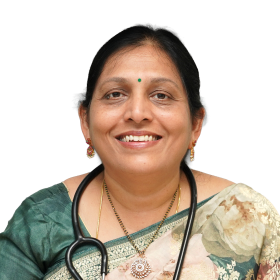
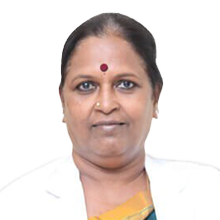
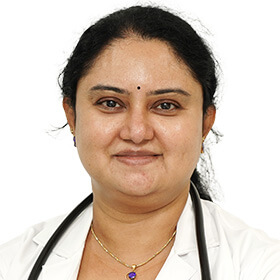
Dr. Krishnaveni Nayini

MBBS, DGO, DFFP, MRCOG (UK), FRCOG, CCT (UK),Laparoscopic & Robotic Surgeon Fellowship in Reprodoctive Medicine(UK)

Sr. Consultant Obstetrician & Gynaecologist

English, Telugu, Hindi, Kannada
26 Yrs
Hitec City

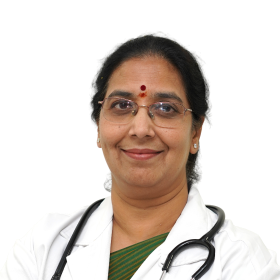
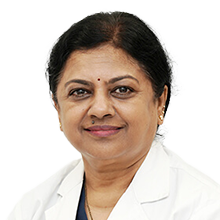
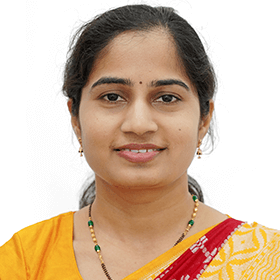
Dr. Radhika Reddy Y.

MBBS, DNB, MNAMS, MRCOG (UK), FICOG

Sr. Consultant Obstetrician & Gynaecologist Laparoscopic & Robotic Surgeon

Telugu, English, Hindi, Kannada
23 Yrs
Hitec City

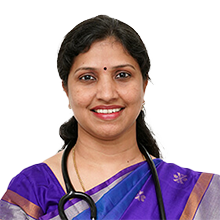
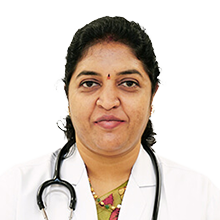
Dr. Anitha Kunnaiah

MBBS, DGO, DNB, DRM (Germany)

Senior Consultant – Obstetrics, Gynecology & Infertility Laparoscopic & Robotic Surgeon

English, Hindi, Telugu, Kannada
20 Yrs
Hitec City
4.6 (55 reviews)

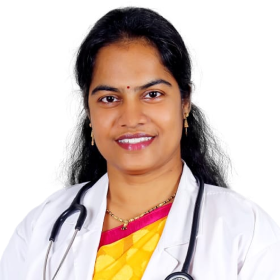
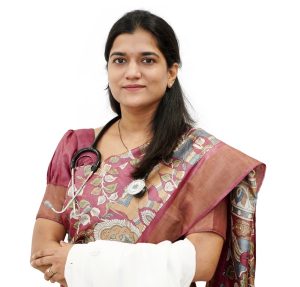
Dr. Damalapati Sonia Rani

MBBS, DGO, DNB (OBS & GYN)

Sr Consultant Obstetrician and Gynecologist

English, Hindi Tamil & Telugu
16 Yrs
Hitec City

Dr. Haripriya Vedantham

MD (Obs & Gyn)

Consultant Obstetrician & Gynaecologist

Telugu, Hindi, Kannada, English
24 Yrs
Malakpet

Dr. M. V. Jyothsna

MBBS, MS (Obstetrics & Gynaecology)

Consultant Obstetrician & Gynaecologist

English, Hindi, Telugu
17 Yrs
Malakpet
4.8 (40 reviews)

Dr. Lepakshi Dasari

MBBS, DNB (Obstetrics and Gynaecology), DGO

Consultant Gynaecologist & Laparoscopic Surgeon

English, Hindi, Telugu
14 Yrs
Malakpet
5 (7 reviews)

Dr. P. Usha Rani

MBBS, MD, DGO (OBG)

Honorary/Part Time Consultant Obstetrician & Gynaecologist

English, Hindi, Telugu, Urdu, Persian
42 Yrs
Secunderabad

Dr. Jamuna Devi Gudidevuni

DGO, FICOG

Honorary/Part Time Consultant Gynaecologist

English, Hindi, Telugu
40 Yrs
Secunderabad

Dr. Bagyalakshmi A.D.S

MD (OBG)

HOD, Obstetrician - Gynaecologist, Laparoscopic & Robotic Surgeon

English, Hindi, Telugu, Tamil, Kannada, Malayalam, French
33 Yrs
Secunderabad

Dr. Madhavi Reddy Vennapusa

DGO, DNB, MRCOG (UK), FMAS

Sr. Consultant Obstetrician and Gynaecologist

English, Hindi, Telugu
19 Yrs
Secunderabad

Dr. Anusha Rao P

MBBS, MS, FMAS, MRCOG (UK)

Sr. Consultant Obstetrician, Gynecologist, Laparoscopic & Robotic Surgeon

English, Hindi, Telugu
15 Yrs
Secunderabad
5 (411 reviews)

Dr. Karthika Reddy Byreddy

MBBS, MS, FMAS(OBG)

Sr. Consultant Obstetrician, Gynaecologist, Laparoscopic & Robotic Surgeon

Telugu, English, Hindi
15 Yrs
Secunderabad
5 (234 reviews)

Dr.G.Nikila Reddy

MBBS, MS, OBG Fellowship in Infertility & Laparoscopic Surgery

Consultant Obstetrician & Gynaecologist

English,Telugu,Hindi
11 Yrs
Secunderabad

Dr. S. Shantha Kumari

MD, DNB, FICOG, FRCP (Ireland), FRCOG (UK)

Consultant Obstetrician, Gynaecologist & Laparoscopic Surgeon

English, Hindi, Telugu, Tamil, Kannada
27 Yrs
Somajiguda

Dr. Sarada M

DGO, DNB (Obs & Gyn), FRCOG (UK)

Sr. Consultant Obstetrician & Gynecologist, Laparoscopic & Robotic Surgeon

English, Telugu, Hindi
26 Yrs
Somajiguda

Dr. Sarada Vani N

MBBS, DNB (Gandhi), Fellow in Fetal Medicine, Fellow in Cosmetic Gynaecology, Fellow in Medical Genetics

Senior Consultant Obstetrics & Gynaecology, High-Risk Pregnancy Specialist, Robotic Laparoscopic Surgeon

English, Hindi, Telugu
23 Yrs
Somajiguda
4.9 (204 reviews)

Dr. Navaneetha Elati

MBBS, DNB Obstetrics & Gynaecology

Consultant Obstetrics & Gynaecology Laparoscopic Surgeon

Telugu , English, Hindi , Kannada
9 Yrs
Somajiguda

Dr. Nida Farooqui

MBBS, MS OBG (Osm), Fellow in Fetal Medicine (FMF UK & ICOG Certified)

Consultant Fetal Medicine

English, Telugu, Urdu, Hindi
8 Yrs
Somajiguda

Salpingectomy (Fallopian Tube Removal Surgery) Surgery: What to Expect Before, During & After Surgery

Proper care before, during, and after a salpingectomy is essential to ensure a safe procedure, smooth recovery, and the best possible outcomes. Each phase plays a key role in minimizing risks and promoting healing.

Pre-operative Care

Before surgery, the patient undergoes a thorough evaluation, including medical history, physical examination, and necessary tests such as blood work or imaging. The doctor explains the procedure, risks, and expected outcomes. Patients are usually advised to avoid food and drink for several hours before surgery and to inform the doctor about any medications or existing health conditions.

Intra-operative Care

During the procedure, strict sterile techniques and continuous monitoring of vital signs are maintained. Salpingectomy is commonly performed using laparoscopic (minimally invasive) methods, which involve small incisions and specialized instruments for precision and reduced tissue damage. The surgical team ensures safety, minimal bleeding, and accurate removal of the fallopian tubes.

Post-operative Care

After surgery, patients are monitored in the recovery area until stable. Pain management, wound care, and early mobilization are encouraged to support healing. Patients are advised to avoid heavy activities for a few weeks, keep the incision area clean, and attend follow-up appointments. Most individuals recover well within a few weeks with proper care and guidance.

Benefits of Salpingectomy (Fallopian Tube Removal Surgery) at Yashoda Hospitals

Salpingectomy offers several medical and preventive benefits, making it an effective treatment option for various gynecological conditions while also supporting long-term health.

  • Effective Permanent Contraception: Provides a reliable and permanent method of birth control.
  • Reduces Risk of Ovarian Cancer: Especially beneficial for women at higher genetic risk.
  • Treats Serious Conditions: Helps manage ectopic pregnancy, infections, and damaged fallopian tubes.
  • Prevents Recurrence of Tubal Issues: Eliminates the chances of repeated infections or blockages in the tubes.
  • Minimally Invasive Options Available: Laparoscopic procedures result in smaller incisions, less pain, and faster recovery.
  • No Impact on Hormones: Since the ovaries are preserved, hormonal balance remains unaffected.
  • Improved Quality of Life: Relieves symptoms and reduces health risks, leading to better overall well-being.

Testimonials

Discover what patients have to say about their experience with Coronary Angiography at Yashoda Hospitals.


Pallavi Jha

“I underwent Coronary Angiography at Yashoda Hospitals, and I couldn't be happier with the care I received. The medical team was highly skilled and made me feel comfortable throughout the procedure.”


Pallavi Jha 2

“I underwent Coronary Angiography at Yashoda Hospitals, and I couldn't be happier with the care I received. The medical team was highly skilled and made me feel comfortable throughout the procedure.”


Pallavi Jha 3

“I underwent Coronary Angiography at Yashoda Hospitals, and I couldn't be happier with the care I received. The medical team was highly skilled and made me feel comfortable throughout the procedure.”


Insurance Assistance for Salpingectomy (Fallopian Tube Removal Surgery)

  • All Insurances Covered
  • Zero Hidden Charges
  • Complete Documentation Support
  • Cashless Insurance Service

Get Insurance Assistance

Free Second Opinion for Salpingectomy (Fallopian Tube Removal Surgery)

  • Considering a salpingectomy? Get a free second opinion at Yashoda Hospitals. Our experienced gynecologists review your diagnosis, symptoms, and medical reports; explain treatment options; and help you understand the procedure, benefits, and risks, so you can make a confident, informed decision about your care. 

Get Free Second Opinion

Why Choose Yashoda Hospitals for Salpingectomy (Fallopian Tube Removal Surgery)?

Expertise in Gynecology & Laparoscopic Surgery

Yashoda Hospitals has a team of highly experienced gynecologists and laparoscopic surgeons specialising in salpingectomy, ensuring precise removal of fallopian tubes with a focus on patient safety, minimal complications, and optimal outcomes.

Comprehensive Consultation & Evaluation

A detailed assessment, including medical history, physical examination, ultrasound, and other diagnostic tests, helps accurately identify the condition and determine the most suitable, personalised treatment plan for each patient.

Advanced Surgical Infrastructure

The hospital is equipped with state-of-the-art operating theatres, advanced laparoscopic systems, and modern imaging technologies that support safe, accurate, and minimally invasive salpingectomy procedures.

Access to Skilled Multidisciplinary Specialists

Patients benefit from coordinated care provided by gynecologists, anaesthesiologists, radiologists, nursing staff, and rehabilitation experts, ensuring complete support from diagnosis through recovery and long-term well-being.

Exploring
Advanced Diagnostics?

Seeking Clarity
on Your Surgery Options?

Take the First Step
Towards Better Health

All major insurance are accepted for
Salpingectomy (Fallopian Tube Removal Surgery) Treatment


Our Locations

  • Malakpet Location

    Malakpet

  • Somajiguda Location

    Somajiguda

  • Secunderabad Location

    Secunderabad

  • Hitec City Location

    Hitec City

FAQ's

Salpingectomy is a surgical procedure to remove one or both fallopian tubes, usually done to treat medical conditions or for permanent birth control.

If one fallopian tube remains, natural pregnancy may still be possible. However, if both tubes are removed, natural conception is not possible, though IVF may be an option.

No, salpingectomy is considered permanent because the fallopian tubes are completely removed and cannot be restored.

After the surgery, patients may experience mild pain or discomfort for a few days. Most recover within a few weeks and can gradually return to normal activities with proper care.

It is generally considered a safe and routine procedure, especially when done laparoscopically, though it is still a surgical intervention requiring anesthesia.

Salpingectomy involves the complete removal of the fallopian tube, while salpingotomy involves making an incision in the tube to remove a blockage or ectopic pregnancy while preserving the tube.

Possible side effects include mild pain, fatigue, bloating, or temporary discomfort. Rare risks include infection, bleeding, or complications related to anesthesia.

The procedure usually takes about 1–2 hours, depending on the surgical approach and complexity of the condition.

Most patients recover within 1–3 weeks after laparoscopic surgery, while full recovery may take a few weeks longer in some cases.

No, menstrual cycles typically remain normal because the ovaries and hormonal functions are not affected by the removal of the fallopian tubes.
Book an appointment
in 2 minutes