


What is Endometriosis Surgery?
Endometriosis surgery is a specialized, usually minimally invasive procedure performed to remove endometrial tissue that grows outside the uterus, such as on the ovaries, fallopian tubes, pelvic lining, bowel, or bladder. The goal of surgery is to accurately identify and excise or destroy these lesions, reduce inflammation and scarring, relieve chronic pelvic pain, and restore normal pelvic anatomy. Laparoscopic techniques are most commonly used, allowing surgeons to treat the condition with smaller incisions, less blood loss, and faster recovery compared to open surgery.
This surgery is recommended when symptoms such as severe pain, heavy periods, or infertility do not improve with medication or when the disease affects vital organs. Advanced, fertility-preserving surgical methods focus on removing disease while protecting healthy tissues and reproductive organs. After surgery, patients may be advised to undergo hormonal therapy or fertility planning to reduce recurrence and support long-term symptom control and quality of life.
Types of Endometriosis Procedures:
- Laparoscopic Endometriosis Surgery
Laparoscopic surgery is the most common and preferred procedure for diagnosing and treating endometriosis. Using small incisions and a high-definition camera, surgeons identify and treat endometriotic lesions with precision. This minimally invasive approach results in less pain, minimal scarring, faster recovery, and shorter hospital stays. - Excision Surgery for Endometriosis
Excision surgery involves the complete removal of endometriotic tissue from affected organs such as the ovaries, pelvic lining, ligaments, bowel, or bladder. It is considered the gold standard treatment due to its effectiveness in long-term pain relief and lower recurrence rates. This procedure requires advanced surgical expertise, especially for deep or complex endometriosis. - Ablation (Cauterization or Laser Surgery)
Ablation destroys endometriosis lesions using heat or laser energy and is typically used for superficial disease. While it can relieve symptoms, ablation may not treat deeper lesions effectively and has a higher risk of recurrence compared to excision surgery. - Ovarian Endometrioma (Chocolate Cyst) Surgery
This procedure removes endometriotic cysts from the ovaries while preserving healthy ovarian tissue. Fertility-preserving techniques are used to maintain ovarian function, making it especially important for women planning pregnancy. - Bowel Endometriosis Surgery
When endometriosis affects the intestines, advanced procedures such as lesion shaving, disc excision, or bowel resection may be required. These surgeries are usually performed by a multidisciplinary team to ensure safe disease removal and normal bowel function. - Bladder and Urinary Tract Endometriosis Surgery
Surgery for bladder or ureteric endometriosis focuses on removing lesions that cause urinary pain or obstruction while protecting kidney and bladder function. Collaboration between gynecologic and urologic specialists is often required. - Hysterectomy for Severe Endometriosis
In severe or recurrent cases where fertility is no longer desired, hysterectomy with or without ovarian removal may be considered. While it can significantly reduce symptoms, it does not guarantee a complete cure and is reserved for selected patients.
| Procedure Name | Endometriosis Treatment |
|---|---|
| Type of Surgery | Minimally invasive gynecologic surgical procedure |
| Type of Anesthesia | General anesthesia |
| Procedure Duration | 1–4 hours (depends on severity and extent of disease) |
| Recovery Duration | Initial recovery: 1–2 weeks; complete recovery: 4–6 weeks |
Endometriosis Treatment: Pre-Op & Post-Op Care
Comprehensive pre-operative planning, skilled surgical execution, and attentive post-operative care together ensure safe endometriosis surgery, quicker recovery, lasting pain relief, and improved long-term results.
Before Endometriosis Procedure
Pre-operative care for endometriosis surgery involves a thorough medical evaluation, including a detailed pelvic examination and imaging tests such as ultrasound or MRI if required. The surgeon reviews the patient’s symptoms, fertility goals, and previous treatments to plan a personalized surgical approach. Routine blood tests and an anesthesia fitness assessment are conducted to ensure safety during the procedure. If bowel involvement is suspected, bowel preparation may be advised. Certain medications, such as blood thinners, may need to be stopped as per medical guidance. Patients also receive pre-surgical counseling to understand the procedure, potential risks, benefits, and recovery expectations, along with instructions to fast for 6–8 hours before surgery.
Intra-operative Care
During endometriosis surgery, general anesthesia is administered to ensure the patient remains comfortable and pain-free throughout the procedure. A minimally invasive laparoscopic approach is typically used, involving small abdominal incisions through which a camera and specialized instruments are inserted. The surgeon carefully identifies and removes endometriotic lesions using excision or ablation techniques, while also releasing adhesions to restore normal pelvic anatomy. Every effort is made to preserve healthy ovarian and reproductive tissue, particularly in women planning pregnancy. If the disease involves the bowel, bladder, or ureter, a multidisciplinary team may assist to ensure safe and complete treatment. Bleeding is carefully controlled, and the incisions are closed precisely to promote smooth healing.
After Endometriosis Surgery
After endometriosis surgery, patients are closely monitored in the recovery room to ensure stable vital signs and overall well-being. Pain is managed with prescribed medications to maintain comfort, and early mobilization is encouraged to reduce the risk of blood clots and promote faster recovery. Patients are advised to resume their normal diet and daily activities as tolerated gradually. Proper wound care instructions are provided, along with scheduled follow-up appointments to assess healing and recovery progress. In some cases, hormonal therapy may be recommended to reduce the risk of recurrence. For women planning pregnancy, a detailed fertility discussion is conducted to guide the next steps.
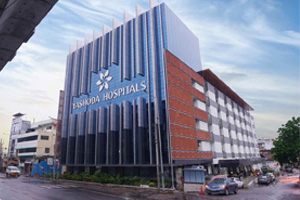
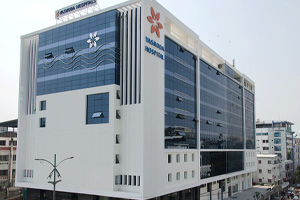
Benefits of Endometriosis Treatment at Yashoda Hospitals
- Significant relief from chronic pelvic pain
- Reduction in painful periods and pain during intercourse
- Improved fertility outcomes
- Restoration of normal pelvic anatomy
- Removal of adhesions and endometriotic cysts
- Better quality of life and daily functioning
- Reduced disease progression
- Long-term symptom control (especially with excision surgery)






























 Appointment
 Second Opinion
 Live Chat
 Call
Call More
More