Select Page

Advanced
Cochlear Implant (Hearing Restoration Surgery)
Surgery in Hyderabad

Restore hearing with advanced Cochlear Implant surgery and expert ENT care at Yashoda Hospitals

  • Expert ENT Surgeons & Audiologists
  • Early Diagnosis & Timely Intervention
  • Safe & Precision-Driven Surgical Care
  • Personalized Hearing Rehabilitation Programs
  • Advanced ENT & Surgical Infrastructure
  • Comprehensive Pre & Post-Operative Care

Cochlear implant surgery is a specialized procedure performed to restore hearing in individuals with severe sensorineural hearing loss who do not benefit from hearing aids. The procedure involves placing an internal implant in the cochlea and using an external processor to convert sound into electrical signals that stimulate the auditory nerve.
The surgery is carried out under general anesthesia and typically takes a few hours, depending on the patient’s condition and surgical complexity. Most patients experience mild discomfort or swelling initially, with early recovery within 1 to 2 weeks, while hearing improvement develops gradually after device activation and rehabilitation over several months. Cochlear implant surgery is considered safe and effective when performed by experienced ENT specialists, significantly enhancing hearing ability, communication skills, and overall quality of life.

What is a Cochlear Implant (Hearing Restoration Surgery)?

A cochlear implant is an advanced electronic medical device designed to help individuals with severe to profound hearing loss who receive little or no benefit from hearing aids. Unlike hearing aids that amplify sound, a cochlear implant bypasses the damaged inner ear (cochlea) and directly stimulates the auditory nerve, allowing the brain to perceive sound signals.
The system consists of an external component worn behind the ear that captures and processes sound and an internal implant surgically placed under the skin and within the cochlea. Together, these components convert sound into electrical signals that are transmitted to the brain, helping individuals hear speech and environmental sounds more effectively and significantly improving communication and quality of life.

Types of Cochlear Implant (Hearing Restoration Surgery):

The choice of implant depends on the patient’s hearing condition, age, lifestyle, and medical evaluation by specialists to achieve the best possible hearing outcomes.

  • Unilateral Cochlear Implant: A unilateral cochlear implant involves placing the device in one ear only, which is recommended for patients with significant hearing loss in one ear.
  • Bilateral Cochlear Implants: In this type, implants are placed in both ears, either simultaneously or sequentially. Bilateral implants provide better sound localization, improved speech understanding in noisy environments, and a more natural hearing experience.
  • Hybrid Cochlear Implants (Electro-Acoustic Stimulation): Hybrid implants are designed for individuals who retain low-frequency hearing but have severe high-frequency hearing loss. They combine a cochlear implant for high-frequency sounds with a hearing aid function for low-frequency sounds in the same ear.
  • Behind-the-Ear (BTE) Cochlear Implants: These are the most commonly used external processors, worn behind the ear, offering powerful performance and suitable for both children and adults.
  • Off-the-Ear (OTE) Cochlear Implants: Also known as single-unit processors, these devices sit entirely on the scalp without a separate behind-the-ear component, providing a more compact and discreet design.
Procedure Name Cochlear Implant (Hearing Restoration Surgery)
Type of Surgery Minimally invasive ear (ENT) surgery
Anesthesia General Anesthesia
Duration 2–3 hours
Recovery 1–2 weeks for initial recovery (with ongoing auditory rehabilitation and follow-up care)

Specialist Doctors

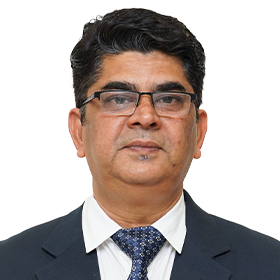
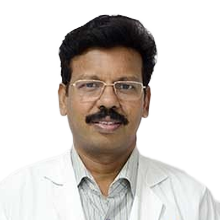
Dr. Ashok Kumar Singh

MBBS, DLO, DNB

Sr. Consultant ENT & Head and Neck Surgeon
Cochlear Implant & Snoring Surgeon

English, Hindi, Telugu, Maithili
22 Yrs
Hitec City
5 (32 reviews)

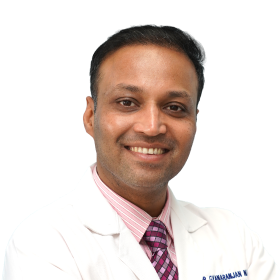
Dr Gyanaranjan Nayak

MBBS, MS, DNB, FACS

Sr Consultant ENT & Cochlear Implant Surgeon
Skull Base & Head-Neck Surgeon
Ex-Associate Professor (PGIMER Chandigarh)

English, Hindi & Oriya
10 Yrs
Hitec City
5 (32 reviews)

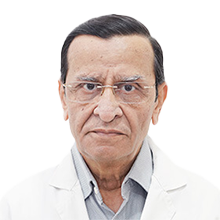
Dr. Nagendra Mahendra

MBBS, DLO, DNB (ENT)

Consultant ENT, Head and Neck Surgeon

English, Hindi, Telugu
45 Yrs
Malakpet

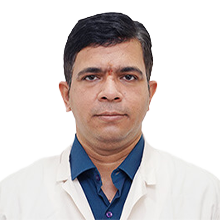
Dr. Raghu Kumar. S CH

MBBS, MS

Consultant ENT, Head & Neck Surgeon

English, Hindi, Telugu
19 Yrs
Malakpet

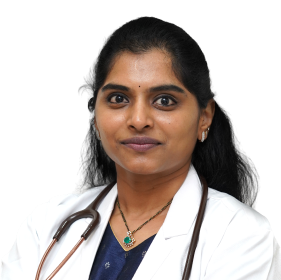
Dr. T. Mounika

MBBS, MS(ENT) Fellow in Advanced Rhinology and Skull Base Surgery

Associate Consultant, ENT, Head & Neck Surgeon

English, Telugu, Hindi & Tamil
8 Yrs
Malakpet

Dr. R. Vijay Kumar

MS (ENT & HNS)

Clinical Director, Sr. Consultant ENT, Skull Base, Head & Neck Surgeon

Telugu, English, Hindi
28 Yrs
Secunderabad
4.4 (31 reviews)

Dr. Avvaru Satya kiran

MBBS, DLO, DNB (ENT) Fellow in Implant Otology (CMC, Vellore) Advanced Cochlear Surgeon Training (ICIT, USA) Fellowship Diploma in Lateral Skull Base Surgery (WSBF)

Senior Consultant ENT and Head & Neck Surgeon, Cochlear Implant Surgeon & Skull Base Surgeon

English, Hindi, Telugu,Tamil
18 Yrs
Secunderabad

Dr. KVSSRK Sastry

MS, DNB ENT

Sr consultant ENT head and Neck surgeon

English, Hindi, Telugu
27 Yrs
Somajiguda
4.6 (97 reviews)

Cochlear Implant (Hearing Restoration Surgery): Pre-Op & Post-Op Care

The success of cochlear implant surgery depends on proper care before, during, and after the procedure. A structured approach ensures safety, effective implantation, and optimal hearing outcomes.

Pre-operative Care

Before the surgery, patients undergo detailed audiological assessments, including pure tone audiometry, speech perception tests, and hearing aid benefit evaluation to ensure limited response to conventional hearing aids. Imaging studies such as CT scans and MRIs of the temporal bone are performed to assess cochlear anatomy and rule out abnormalities. In addition, patients and caregivers receive counseling about the surgical procedure, realistic expectations, device usage, and the importance of long-term rehabilitation. For children, developmental and speech-language assessments are conducted. Vaccinations, particularly against pneumococcal infections, may be advised to reduce the risk of post-operative meningitis. Pre-surgical instructions, such as fasting and medication adjustments, are also provided.

Intra-operative Care

During the procedure, the surgeon makes a small incision behind the ear and creates a pocket in the skull bone to place the internal receiver securely. A tiny opening is made into the cochlea (cochleostomy or via the round window), and the electrode array is carefully inserted into the inner ear.
Intraoperative monitoring techniques such as neural response telemetry (NRT) are used to confirm proper functioning and positioning of the implant. Special care is taken to preserve delicate structures like the facial nerve and inner ear anatomy. The incision is then closed with sutures, and a sterile dressing is applied. The entire procedure typically lasts 2–3 hours and is considered safe and highly precise.

Post-operative Care

After surgery, patients are closely monitored and usually discharged within 24–48 hours if stable. Mild discomfort, swelling, or dizziness may occur but typically resolve within a few days. Patients are advised to keep the surgical site clean and dry, avoid strenuous activities, and take prescribed medications such as antibiotics and pain relievers.
The cochlear implant is typically activated 2–4 weeks after surgery, followed by audiological programming (mapping) to optimize hearing. Regular follow-ups, auditory training, and speech therapy, especially for children, are essential for adapting to sound and achieving the best hearing and communication outcomes.

Benefits of Cochlear Implant (Hearing Restoration Surgery) at Yashoda Hospitals

Cochlear implant surgery offers significant benefits for individuals with severe hearing loss, helping them regain the ability to hear and communicate effectively.

  • Improved Hearing Ability: Enables patients to detect and interpret sounds, including speech and environmental noises, even in cases where hearing aids are not effective.
  • Better Speech Understanding: Enhances the ability to understand spoken language, making conversations clearer and more meaningful.
  • Enhanced Communication Skills: Supports improved verbal communication, reducing dependence on lip-reading or sign language in many cases.
  • Speech & Language Development in Children: Helps children develop speech and language skills more effectively when implemented at an early age.
  • Improved Quality of Life: Boosts confidence, social interaction, education, and overall independence in both children and adults.
    Better Sound Localization (with Bilateral Implants): Allows patients to identify the direction of sounds and improves hearing in noisy environments.

Testimonials

Discover what patients have to say about their experience with Coronary Angiography at Yashoda Hospitals.


Pallavi Jha

“I underwent Coronary Angiography at Yashoda Hospitals, and I couldn't be happier with the care I received. The medical team was highly skilled and made me feel comfortable throughout the procedure.”


Pallavi Jha 2

“I underwent Coronary Angiography at Yashoda Hospitals, and I couldn't be happier with the care I received. The medical team was highly skilled and made me feel comfortable throughout the procedure.”


Pallavi Jha 3

“I underwent Coronary Angiography at Yashoda Hospitals, and I couldn't be happier with the care I received. The medical team was highly skilled and made me feel comfortable throughout the procedure.”


Insurance Assistance for Cochlear Implant (Hearing Restoration Surgery)

  • All Insurances Covered
  • Zero Hidden Charges
  • Complete Documentation Support
  • Cashless Insurance Service

Get Insurance Assistance

Free Second Opinion for Cochlear Implant (Hearing Restoration Surgery)

Get a free second opinion for cochlear implant surgery at Yashoda Hospitals. Our expert ENT specialists and audiologists review your reports, assess implant suitability, and provide clear guidance on treatment options, expected outcomes, and rehabilitation to help you make an informed decision.

Get Free Second Opinion

Why Choose Yashoda Hospitals for Cochlear Implant (Hearing Restoration Surgery)?

Expertise in ENT Surgery & Audiology

Yashoda Hospitals has highly experienced ENT surgeons, cochlear implant specialists, and audiologists skilled in performing implant procedures with precision, ensuring optimal hearing outcomes while prioritizing patient safety and comfort.

Comprehensive Evaluation & Diagnosis

Patients undergo detailed assessments, including advanced audiological tests, speech evaluation, and imaging (CT/MRI scans) to accurately determine implant candidacy and plan personalized treatment.

Advanced Surgical Infrastructure

The hospital is equipped with state-of-the-art operating theatres, modern cochlear implant technology, and specialized anesthesia support, enabling safe, precise, and successful implantation procedures.

Integrated Post-operative Care & Rehabilitation

Yashoda Hospitals offers complete post-surgical care, including device activation (mapping), auditory training, speech therapy, regular follow-ups, and long-term monitoring to ensure optimal hearing and communication outcomes.

Exploring
Advanced Diagnostics?

Seeking Clarity
on Your Surgery Options?

Take the First Step
Towards Better Health

All major insurance are accepted for
Cochlear Implant (Hearing Restoration Surgery) Treatment


Our Locations

  • Malakpet Location

    Malakpet

  • Somajiguda Location

    Somajiguda

  • Secunderabad Location

    Secunderabad

  • Hitec City Location

    Hitec City

FAQ's

A cochlear implant is an electronic medical device that helps people with severe hearing loss hear by directly stimulating the auditory nerve. It bypasses damaged parts of the inner ear instead of simply amplifying sound like hearing aids.

The internal implant is designed to last a lifetime, while the external processor may need upgrades or replacement every 5–10 years. Regular maintenance and follow-ups help ensure long-term performance.

The cost can vary depending on the hospital, device type, and patient needs, typically ranging from ₹6 lakhs to ₹15 lakhs in India. This usually includes surgery, device cost, and initial rehabilitation.

Yes, it is a safe and well-established procedure with a high success rate when performed by experienced ENT surgeons. Complications are rare and usually minor.

It converts sound into electrical signals and sends them directly to the auditory nerve, allowing the brain to perceive sound. This helps improve speech understanding and communication.

Many individuals with severe hearing loss can hear sounds and understand speech after implantation. However, hearing may not be completely normal and improves gradually with therapy and practice.

Without insurance, the total cost can range from ₹8 lakhs to ₹20 lakhs, depending on the device brand, hospital, and rehabilitation services required. Financial assistance or government schemes may help reduce costs.

Cochlear implants can be done at any age, but children benefit most when implanted early, ideally before 2–3 years, as it supports better speech and language development. Adults can also achieve significant hearing improvement after implantation.

The surgery is performed under general anesthesia, so there is no pain during the procedure. Mild discomfort or soreness may be experienced after surgery, which usually resolves within a few days with medication.

Adjustment varies from person to person, but most patients begin recognizing sounds within weeks after activation. Full adaptation, including improved speech understanding, may take several months with regular therapy and practice.
Book an appointment
in 2 minutes