



Get a Free Second Opinion

Best Psychiatric Hospital in Hyderabad
1 in every 8 people in the world live with a mental disorder (WHO). A mental disorder is characterized by a clinically significant disturbance in an individual’s cognition, emotional regulation, or behaviour. It is usually associated with distress or impairment in important areas of functioning. There are many different types of mental disorders. Mental disorders may also be referred to as mental health conditions. The latter is a broader term covering mental disorders, psychosocial disabilities and (other) mental states associated with significant distress, impairment in functioning, or risk of self-harm.
The Department of Clinical Psychology at Yashoda Hospitals proudly boasts few of the top certified and experienced clinical psychologists in India, who provide prompt diagnosis and psychological services (assessments and interventions) to all age groups making it one of the best psychiatric hospitals in Hyderabad. The team of Psychologists are trained to conduct assessments that will help understand the patient’s condition as well as provide therapy and counselling services to overcome and manage these conditions.
Psychiatric Conditions Treated at Yashoda Hospitals
- Mood disorders like depression and bipolar Disorder
- Anxiety disorders like generalized anxiety, panic attacks, phobias
- Psychotic disorders like schizophrenia, delusional disorders
- Neurodevelopmental disorders like ADHD, Autism.
- Alcohol, de-addiction and smoking Cessation
- Stress-related disorders like PTSD.
- Sleep disorders like insomnia and night terrors
- Women’s mental health issues like postpartum depression
- Geriatric psychiatric problems like dementia, late-onset depression
- Behavioral issues and social anxiety in children.
Services & Treatments Offered at Yashoda Hospitals
- Comprehensive psychiatric evaluation & diagnosis
- Pharmacological management
- Psychotherapy (Behavioral Therapy)
- Neuromodulation therapies
- Stress management & lifestyle counseling
- De-addiction & rehabilitation programs
- Expertise in personality disorder treatment
- Support for suicide prevention & crisis intervention
- Expertise in Management of Psychiatric Emergencies in ICU
The experienced psychiatric specialists provide compassionate, evidence-based care through a multidisciplinary team of mental health professionals. With advanced diagnostic tools, personalized treatment plans, and a patient-first approach, we are committed to supporting individuals across all age groups, making us one of the Best Psychiatric Hospitals in India for comprehensive mental health care.
Why Choose Yashoda Hospitals?
- Experienced board-certified psychiatrists
- Safe and secured treatment environment
- Private counseling sessions
- Specialised behavioural therapies
- 24/7 emergency psychiatric care
- De-addiction & rehabilitation services
If you’re seeking the best psychiatric care near you, Yashoda Hospitals offers timely diagnosis and advanced treatment for a wide range of mental health conditions.
Meet Our Expert Psychiatry Team

Dr. Naveen Kumar Dhagudu
MBBS, MD (Psychiatry) DM-Addiction Psychiatry (AIIMS, New Delhi) CISAM (Canada), AFAMSSr. Consultant Psychiatrist

Dr. Madhu Vamsi Ganduri
MBBS, MD (Psychiatry)Consultant Psychiatrist
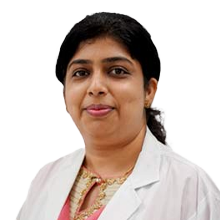
Dr. Priya Nayak Pai
MBBS, MD PsychiatrySr. Consultant Psychiatrist

Dr. Shanti Mohan K
MBBS(Osm), MD (Psychiatry) AIIMS, New DelhiConsultant Psychiatrist
Complete Yashoda Expertise with Advanced Cardiac Care
Yashoda Heart Institute, with three decades of experience, is a leading cardiology hospital in India. We are well-recognised for pioneering procedures like combined heart transplants, advanced infrastructure, and the adoption of cutting-edge technology. Our expertise and commitment to advanced and personalised cardiac care have been demonstrated, resulting in excellent patient outcomes.
Our commitment to pushing the boundaries of medical technology and treatment has allowed us to provide exceptional cardiac care, resulting in our recognition as a top cardiology hospital in India and the achievement of many medical breakthroughs.
This hospital offers advanced cardiac care, including access to highly skilled surgeons who perform over 20,000 minimally invasive heart procedures annually.
We use state-of-the-art technology, which allows us to customise cardiac treatments based on individual needs. For patients seeking heart treatment in Hyderabad, Yashoda Heart Institute is the best option not because of the expertise of the doctors but also because of the advanced infrastructure available for you. This means you will receive the best possible cardiac care and have the best chance for a better recovery.
Treatments & Surgeries:
- Aortic Root Valve Dysfunction
- Atrial Myxoma Excision
- Atrial Fibrillation Ablation
- Atrial Septal Defect Closure
- Balloon Valvuloplasty
- CRT-D
- CRT-P
- Carotid Artery Stenting
- CABG
- Electrophysiology Procedures
- Heart Transplant
Preview: The Bentall-De Bono procedure replaces the aortic root with a mechanical valve conduit to treat ascending aorta and aortic valve dysfunction, especially in patients with aortic root aneurysms. Thus, it prevents life-threatening complications like dissection and rupture, though it necessitates long-term anticoagulation.
Surgical Steps:
- Get your complete medical history assessed, along with blood tests, imaging tests and a full body examination.
- General anaesthesia is followed by chest incision, removal of diseased valves, and replacement of the aorta with a grafted valve.
- The surgery takes <5 hours to complete, followed by postoperative instructions and appointment meetings and given for proper recovery.
- Recovery time is usually around six to twelve weeks; in rare circumstances, it may even take a few months.
- Gradually increase the work-life routine as much as you can handle post-discharge.
Benefits:
- Promotes effective repair and
- Offers precise and comprehensive care. Read more about
Read more about – Aortic Root Valve Dysfunction (Bentall De Bono)
Preview: Atrial myxoma surgery is a type of surgery performed by cardiothoracic surgeons to remove benign heart tumours. It is performed through an open, minimally invasive, or robotic-assisted approach under the influence of general anaesthesia for 1-2 hours. The average recovery duration ranges from a few weeks to a few months.
Surgical Steps:
- The surgeons conduct a thorough evaluation with an in-depth medical history, physical exams, imaging tests, and detailed preoperative instructions.
- This procedure involves the removal of the tumour through a small chest incision and carefully dissecting the heart tissues. The patient is monitored along with the tubes in the chest for drainage.
- The recovery phase varies with every approach; a minimally invasive video-assisted procedure involves faster healing and minimal pain compared to an open procedure. Post-operative care involves pain management, incision care, activity restrictions, and gradually increasing the routine.
Benefits:
- Minimally invasive
- Minimum to no blood loss
- Faster recovery
- Minimum hospital stays
Read more about – Atrial Myxoma Excision
Preview: AFib ablation uses radiofrequency to create incisions in the heart, correct cardiac arrhythmias, and long-lasting symptom relief. It includes different techniques such as radiofrequency, cryoablation and laser ablation.
Surgical Steps:
- Prior to AFib ablation, the patient undergoes a comprehensive evaluation, including an ECG and other imaging tests.
- This minor procedure is performed in a cath lab under general anaesthesia; a catheter then releases radio waves to ablate the specific tissues, causing irregular rhythms. The procedure lasts for 2–6 hours. Post-surgery, the patients are monitored for 1-2 days and are advised against certain activity restrictions and medications.
- Follow-up appointments are crucial for the evaluation of the effectiveness of the ablation and managing the pain accordingly.
Benefits:
- Restores the normal heartbeats
- Relief from long-lasting symptoms
- Reduces the stroke-related complications
- MIS with quick recovery
Read more about – Atrial Fibrillation Ablation (AFib)
Preview: Atrial septal defect (ASD) closure repairs the hole between the heart’s upper chambers using a device or surgical closure, depending on the size and location of the opening. It’s a major surgical procedure performed under general anaesthesia for a few hours on young children based on the complexity of their condition to avoid any future cardiac damage.
Surgical Steps:
- This surgery demands a pre-surgical evaluation, including an echocardiogram, and a discussion regarding potential prescription adjustments and fasting requirements.
- The surgeon uses an endoscope to access the heart through the chest. Also, it utilises a heart-lung machine and vital monitoring to close the incision with a plug or a suture.
- The patient stays hospitalised for 1-2 days. The surgeon may advise you to take the medication for 6 months to avoid any infections and rest from any heavy lifting.
Benefits:
- Improves heart functions
- Reduces the risk of complications
- Alleviates fatigue and palpitations
- Offers MI transcatheter closure
- Long-term cardiac health improvements
Read more about – Atrial Septal Defect (ASD) Closure
Preview: This surgery uses a catheter-mounted balloon to stretch the heart valves wide open in patients with age-related nerve stiffness, inflammation, and congenital defects.
Types of Balloon Valvuloplasty:
- Balloon valvuloplasty is a minimally invasive catheter-based procedure that opens the narrowed heart valves through several categories, such as:
- Tricuspid valvotomy
- Pulmonary valvotomy
- Aortic valvotomy
- Percutaneous mitral valvotomy
Post-Surgical Care:
- Avoid heavy lifting for a week
- Engage in light walking
- Maintain a healthy, well-balanced diet
- Monitor for complications like insertion site issues or chest pain
- Regular cardiologist follow-ups
Preview: CRT-D, or cardiac resynchronisation therapy, involves implanting a specialised pacemaker to improve heart function. This procedure is recommended for patients at higher risk of sudden cardiac death.
Surgical Steps:
- The gynaecologist may discuss the procedure and prescribe certain medications prior to the surgery. Pre-surgical preparation to make the patient ready involves blood tests, ECGs, MRIs, and ultrasound.
- During the CRT-D implant, the device is threaded into the veins of the heart and a functioning defibrillator is placed under the collarbone.
- Patients stay overnight for constant monitoring with their left arm still and straight for the next 12 hours.
- The surgeons instruct their patients to undergo an EKG test to check heart rhythms and X-rays to trace lead placements.
Benefits:
- Improved heart function
- Reduced symptoms
- Increased survival rates
- Increases the exercise capacity
Read more about – Cardiac Resynchronization Therapy (CRT-D)
Preview: Cardiac resynchronization therapy synchronizes the heart contractions and improves the blood flow in patients with severe heart failure. CRT-P is recommended for patients with severe cardiac electrical conditions and is placed in combination with an ICD to prevent sudden cardiac death.
Surgical Steps:
- The surgeon may perform a heart MRI or transthoracic echocardiogram. CRT-P is a minor surgery performed under local anaesthesia for 2-5 hours. The procedure has a recovery period of 1-3 weeks.
- In this surgery, the surgeon makes a small incision, guides lead pellets through a vein to the heart, implants the device under the skin, and stitches the incision.
- Surgery requires patients to stay in the hospital overnight and keep their arms straight and still for 12 hours after surgery. Follow wound care and pain management instructions, and x-rays for heart rhythms.
Benefits:
- Improved quality of living
- Better blood supply
- Treats heart failure symptoms
- Promotes higher survival rates
Read more about – Cardiac Resynchronization Therapy (CRT-P)
Preview: Carotid artery stenting (CAS) is a minor, minimally invasive procedure performed under local anaesthesia for 30 minutes to 2 hours. This procedure inserts a stent that opens up the narrowed carotid arteries, reduces stroke risks, and is the best alternative to methods of surgery.
Surgical Steps:
- During the surgery, the surgeon places a catheter through the groin, inflates the balloon and opens the narrowed arteries. After the catheter is removed, a stent is placed.
- After the surgery, the patient stays in the hospital for 24 hours for vital sign inspections and post-operative instructions are given, including prescription guidance.
Benefits:
- Minimally invasive surgery
- Shorter hospital stays
- Faster recovery time
- Favourable for high-risk patients
Read more about – Carotid Artery Stenting (CAS)
Preview: Coronary artery bypass grafting (CABG) redirects the bloodstream around the blocked coronary artery using grafts taken from different parts of the body. It alleviates symptoms like chest pain, reduces the risk of heart attack, and significantly improves the blood flow and the patient’s quality of life.
Surgical Steps:
- Before CABG, patients receive detailed procedure explanations, undergo pre-operative imaging, and are given fasting instructions.
- Under general anaesthesia, a chest incision is made, and vein grafting is performed during the 3-6-hour CABG procedure.
- Following CABG surgery, patients are closely monitored in the ICU and typically require a 7-8 day hospital stay, with strict adherence to follow-up appointments, whereas full recovery generally takes 6-12 weeks.
Benefits:
- Better for multiple blocks or certain deep blockages
- Lower risk for a follow-up procedure
- Reliable for treating ischaemia of the heart
Read more about – Coronary Artery Bypass Surgery (CABG)
Preview: Cardiac electrophysiology (EP) procedures use catheters to diagnose and treat arrhythmias by tracing and correcting the abnormal electrical activity in the heart.
Surgical Steps:
During a cardiac electrophysiology (EP) study, catheters are inserted and guided to the heart using fluoroscopy. Their tips record the heart’s electrical activity, inducing arrhythmias and performing treatments like ablation to eliminate the cause of arrhythmia.
Benefits:
- Detailed information provider than an ECG
- Pinpoints the source of arrhythmias
- Risk assessment for cardiac death
Types of Electrophysiology Procedures:
- Catheter Ablation
- Peacemaker Implantation
- Implantable Cardioverter-Defibrillator (ICD)
- Cardioversion
Preview: A heart transplant replaces a diseased heart with a healthy donor heart, offering a survival chance for patients with end-stage heart disease.
Surgical Steps: Upon donor heart availability, matching is done based on blood type, antibodies, and organ size, followed by transplant surgery, which involves connecting the patient to a heart-lung machine and replacing the diseased heart.
Post-Surgical Care: After the surgery, the patient may require weeks of hospital care and close outpatient monitoring, with the expenses influenced by the hospital choice and other factors.
Read more about – Heart Transplant
Patient Testimonials For Cardiology
No testimonials found.
Health Blogs for Psychiatry
Best Psychiatry Doctors in Hyderabad
Sr. Consultant Psychiatrist
English, Hindi, Telugu, Kannada, Malayalam, Konkani, Tulu
Day time OPD:
MON – SAT : 09:00 AM – 02:00 PM
Consultant Psychiatrist
English, Hindi, Telugu
Day time OPD:
MON – SAT : 09:00 AM – 4:00 PM
Evening OPD:
MON – SAT : 12:00 PM – 04:00 PM
Services info not available
Sr. Consultant Psychiatrist
Telugu, English, Hindi, Marathi
Day time OPD:
MON – SAT : 9:00 AM – 4:00 PM
Consultant Psychiatrist
English, Telugu, Hindi
Day time OPD:
MON-SAT : 9:00 AM – 4:00 PM
FAQ’s
What are the psychiatric care facilities available at Yashoda Hospitals?
Yashoda Hospitals offer specialized psychiatric care for individuals of all age groups. Services include treatment for anxiety, depression, bipolar disorder, and schizophrenia in adults; emotional and behavioral support for children and adolescents; and focused care for mental health issues in the elderly.
What is the treatment for Schizophrenia?
Pharmacological treatment is the first treatment of choice. Long acting injectables may be preferred in patients who have poor drug compliance to oral medication. Schizophrenia is a chronic type of psychiatric disorder which needs long term medication and regular monitoring of the course of medication and response
Is there a risk of developing dependency on medications prescribed for mental health conditions?
Medications prescribed for psychological disorders, such as antidepressants, antipsychotics, mood stabilizers, and anti-anxiety drugs, are designed to help regulate brain chemistry and manage symptoms effectively. Most of these medications do not cause dependency in the way substances like alcohol or narcotics do.
Is it mandatory to take psychiatric medication throughout life?
The duration of psychiatric medication depends on the type and severity of the mental health condition, individual response to treatment. The course of medication and response to the medication should be regularly reviewed by a psychiatrist. Stopping medication without professional guidance can lead to relapse and worsen the symptoms.
Can psychiatric conditions be genetically inherited?
Certain psychiatric conditions can have a genetic component. Research shows that disorders such as depression, bipolar disorder, schizophrenia, and anxiety may run in families, suggesting a hereditary link.
Why do patients in ICU usually suffer from a brief period of psychosis?
Patients in the ICU often experience a brief period of psychosis, commonly referred to as ICU delirium. This is usually caused by a combination of factors such as severe illness, infections, low oxygen levels, and the side effects of medications like sedatives or painkillers.

 Appointment
 Second Opinion
 Live Chat
 Call
Call More
More


