



Get a Free Second Opinion

Best Pediatric Oncology Doctors in Hyderabad
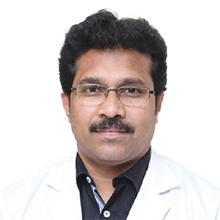
Consultant Radiation Oncologist
English, Hindi, Telugu, Tamil, Kannada
Day time OPD:
MON – SAT : 09:00 AM – 4:00 PM
Evening OPD:
MON – SAT : 05:00 PM – 07:00 PM
Expertise info not available
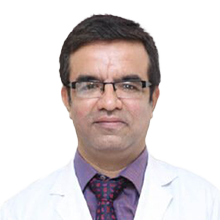
Clinical Director- Medical Oncology & Haematology
English, Hindi, Telugu, Gujarati, Marathi
Day time OPD:
MON – SAT : 09:00 AM – 4:00 PM
Evening OPD:
MON – SAT : 05:00 PM – 06.30 PM

Consultant Radiation oncologist
English, Hindi, Telugu and Kannada
Day time OPD:
MON – SAT : 09:00 AM – 4:00 PM
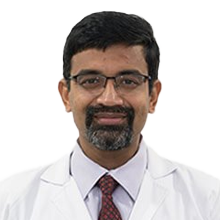
Director-Surgical Oncology & Minimal Access Onco Surgery and Robotic Surgeon
English, Hindi, Telugu
Day time OPD:
MON – SAT : 09:00 AM – 4:00 PM

Sr. Consultant Medical & Hemato-Oncologist
Telugu, Hindi & English
Day time OPD:
MON – SAT : 09:00 AM – 04:00 PM
Expertise info not available
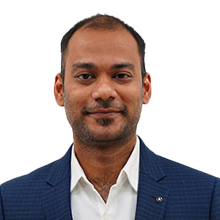
Consultant Radiation Oncologist
English, Hindi, Telugu
Day time OPD:
MON – SAT : 09:00 AM – 4:00 PM
Evening OPD:
MON – SAT : 05:00 PM – 07:00 PM
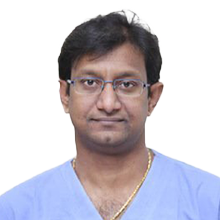
Sr. Consultant-Surgical Oncology, Laparoscopic & Robotic Surgery, HIPEC Surgery (Germany)
English, Hindi, Telugu
Day time OPD:
MON – SAT : 09:00 AM – 4:00 PM

Sr. Consultant Medical Oncologist & Haemato Oncologist
Telugu, Hindi, English
Day time OPD:
MON – SAT : 09:00 AM – 04:00 PM

Senior Consultant Hematologist & Medical Oncologist
English, Hindi, Telugu
Day time OPD:
MON – SAT : 10:00AM – 04:30PM
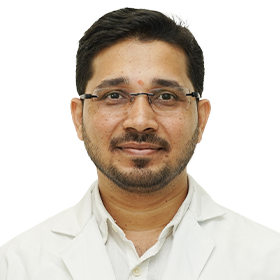
Consultant Clinical Hematologist & BMT Physician
Telugu ,Tamil, Hindi, English
Day time OPD:
MON – SAT : 09:00 AM – 05:00 PM

Sr. Consultant Hemato- oncology and BMT Physician
Telugu, Tamil, Hindi, English
Day time OPD:
MON – SAT : 09:00 AM – 05:00 PM
Yashoda Hospitals at HITEC City, Secunderabad, Malakpet, and Somajiguda are home to renowned pediatric oncologists and bone marrow transplant experts who treat complex malignancies and blood problems. A specialist team of pediatric oncologists, hematologists, surgeons, dietitians, and competent pediatric counselors manages high-acuity cases with clinical accuracy and empathy, ranging from acute leukemias to uncommon solid tumors.
The team’s sophisticated treatments for neuroblastoma, Wilms’ tumor, and different lymphomas produce high success rates while prioritizing long-term quality of life. Yashoda Hospitals is a center of expertise in pediatric oncology, offering world-class care for both planned chemotherapy sessions and urgent oncological crises.
Advanced Pediatric Renal Care Facilities & Technologies
Yashoda Hospitals, with its world-class pediatric oncology wards and India’s largest in-house bone marrow transplant (BMT) departments, offers new therapies for complicated malignant and non-malignant blood disorders. These treatments include 24-hour emergency oncology care and advanced cellular therapies, which are delivered through robotic-assisted surgical platforms, high-definition imaging, and cutting-edge molecular diagnostic tools.
Combining cutting-edge technologies, such as CAR-T cell treatment and precision radiation (IMRT/IGRT), with a comprehensive rehabilitation program entails individualized dietary optimization and expert psychological counseling. Yashoda Hospitals acquire remarkable results by combining cutting-edge resources, including 3D rotational imaging for tumor mapping and specialist labs for flow cytometry and cytogenetics. We also designate specific units for non-invasive treatment approaches and integrated care, which involves multidisciplinary tumor board support and prompt medical attention.
Why Choose Yashoda for Pediatric Nephrologists in Hyderabad?
- Comprehensive Pediatric Cancer Treatment: We offer skilled, personalized oncology treatment to children and neonates with leukemia, lymphoma, and solid organ cancers.
- Advanced Pediatric BMT & Diagnostic Measures: Our cutting-edge BMT facilities use high-resolution molecular staging, next-generation sequencing, and PET-CT imaging to conduct customized transplants and targeted biopsies.
- Expert Care for Complex Children’s Malignancies: To treat children’s bone malignancies, our surgeons utilize robotic-assisted tumor resections and high-precision limb-salvage procedures, which improve general health and mobility.
- Specialized Hematology & Immunotherapy Services: Our specialists use cutting-edge treatments, including percutaneous biopsies and sophisticated immunotherapy, to provide world-class care for children with blood disorders and refractory malignancies.
FAQ’s
What are the common types of cancer treated by pediatric oncologists?
Pediatric oncologists typically treat leukemia, lymphoma, brain and spinal cord malignancies, neuroblastoma, Wilms’ tumor, rhabdomyosarcoma, retinoblastoma, and bone cancers, such as osteosarcoma and Ewing sarcoma. These malignancies are often classified based on their development in blood/bone marrow (e.g., leukemia) or solid organs or tissues (e.g., brain or kidney tumors). Modern treatments can cure early-stage illness, although results vary by type and stage.
What are the symptoms of childhood cancer that parents should watch for?
If a child has a prolonged fever, unexplained weight loss, chronic exhaustion, repeated infections, or swollen lymph nodes, parents should seek medical attention right away, since these might be signs of leukemia or lymphoma. Headaches accompanying vomiting, balance issues, or vision abnormalities may indicate brain or spinal-cord tumors, whereas lumps, swelling, or inexplicable discomfort might indicate solid-tumor malignancy. Because many of these symptoms are seen in common diseases, it is the tenacity, development, or clustering of symptoms that requires medical attention.
How is childhood cancer diagnosed?
A physical exam and comprehensive history are often used to diagnose, followed by blood tests (e.g., complete blood count and blood chemistry panels) and urine testing. Tumors are typically detected using imaging studies, such as X-rays, ultrasound, CT scans, MRI scans, or PET scans, followed by a biopsy to confirm the cancer type and its biology. Bone marrow aspiration, biopsy, and lumbar puncture may be used to detect malignant cells in the marrow and cerebrospinal fluid for the diagnosis of blood malignancies.
What is chemotherapy, and how is it used in treating childhood cancer?
Chemotherapy, which utilizes strong medications to execute or halt the development of cancer cells throughout the body, is the cornerstone of treatment for the majority of children’s leukemias and many solid tumors. These medications are administered in cycles (treatment days followed by rest periods) through intravenous infusion, injections, oral tablets, or occasionally into the spinal fluid (intrathecal chemotherapy). Pediatric treatments are customized to balance cure rates and toxicity and are often associated with surgery or radiation to enhance outcomes.
What role does radiation therapy play in pediatric oncology?
Radiation treatment shrinks or destroys cancer tissues using concentrated high-energy beams or implanted sources. It is particularly effective for brain tumors, some lymphomas, and some solid tumors. Children’s developing tissues are delicate; thus, procedures are customized to minimize long-term consequences on growth and organ function. Radiation can be administered before or after surgery or chemotherapy to lower the chance of recurrence in high-risk individuals.
What surgical procedures might be necessary for treating childhood cancer?
Removing the primary tumor and surrounding tissue with surgery is a common therapeutic step for many solid-tumor malignancies. Surgeons may perform procedures to collect diagnostic biopsies, treat symptoms (e.g., intestinal blockage), or remove metastatic deposits when safe and feasible. Surgery is sometimes coupled with chemotherapy or radiation to reduce tumor size initially and then remove the remaining illness.
When should I take my child to see a pediatric oncologist?
A pediatric oncologist is called when a general pediatrician suspects leukemia, lymphoma, brain tumor, or any other type of childhood cancer, particularly if abnormal blood tests or scans are obtained. Referral is also recommended if initial therapies are ineffective, symptoms worsen, or a second opinion is required for a verified diagnosis. If concerning symptoms (persistent fever, weight loss, tumors, or neurological abnormalities) persist or worsen, parents should seek immediate medical attention.
How can I support my child during their cancer treatment and recovery?
Parents may help their children by communicating honestly and age-appropriately about the sickness and treatment, telling them that they are not to blame. Providing consistency through routines, play, school-related activities (as tolerated), and emotional outlets, such as chatting, sketching, or counseling, can help maintain a feeling of normalcy and minimize worry. Coordinating treatment, reducing side effects, and collaborating with psychosocial and palliative teams can enhance coping and quality of life.
What is the typical recovery process for children undergoing cancer treatment?
Following treatment, many children progressively regain strength through physical exercise, dietary assistance, and, in some cases, rehabilitative therapy, but weariness and weakness can last for months. Regular follow-up visits assess for relapse, late treatment effects (e.g., cardiac, hormonal, or neurocognitive difficulties), and school or social rehabilitation. Long-term “survivorship” requires a transition plan that combines monitoring with facilitating the child’s complete return to family, school, and social life.
What are the success rates for different types of childhood cancers?
Overall, 75-85% of children with cancer now have a five-year survival rate of five years, with certain kinds faring significantly better than others. Acute lymphoblastic leukemia (ALL) has a 5-year survival rate of over 90%, but diffuse intrinsic pontine glioma has a substantially lower survival rate (less than 10-20% at 2 years). Survival rates for bone malignancies such as Ewing sarcoma are often more than 70-80% in younger children but lower in teenagers, and rates vary by stage, biology, and availability of specialized care.
How can childhood cancer be prevented, if at all?
Most juvenile malignancies are caused by genetic abnormalities, with lifestyle decisions rarely playing a role; consequently, there are no reliable prophylactic techniques like those used for adult cancer. To reduce risk, consider avoiding high-dose radiation, reducing secondhand smoke exposure, and screening for hereditary cancer-predisposition syndromes in children with significant family histories. Because prevention is sometimes beyond our reach, the medical profession promotes early detection and global access to treatment.
What follow-up care is needed after treatment for childhood cancer?
Following treatment, children often engage in a long-term follow-up or survivorship program that involves frequent check-ups, blood testing, and imaging to monitor for relapse or late effects. These visits might last for years and may include experts in cardiology, endocrinology, neurology, and psychiatry to monitor organ function and growth. Additionally, families are provided a therapy summary and a monitoring plan so that future doctors may adjust care to the child’s individual treatments.
What are the long-term effects of cancer treatment in children?
Treatments can have long-term or late consequences, including heart or lung problems, hormone or growth issues, reproductive concerns, learning or concentration challenges, and an increased chance of secondary malignancies. Radiation to the brain, spine, or chest, as well as some chemotherapy medicines, are key contributors to these consequences, but current procedures try to limit exposure to healthy areas. Regular follow-up treatment can detect and resolve issues early, leading to improved quality of life over time.
How can I find a pediatric oncologist for my child?
Begin by contacting your child’s physician for a referral to a pediatric oncology center or children’s hospital that has a specialized cancer program. Pediatric oncologists at Yashoda Hospitals’ cancer centers are often listed online, including contact information for new patients and second opinions. Consider centers that follow national/international protocols and provide interdisciplinary teams, psychosocial support, and clinical trial alternatives.
What resources are available for families dealing with childhood cancer?
Begin by contacting your child’s physician for a referral to a pediatric oncology center or children’s hospital that has a specialized cancer program. Pediatric oncologists at Yashoda Hospitals’ cancer centers are often listed online, including contact information for new patients and second opinions. Visit Yashoda Hospitals, which follows national/international protocols and provides interdisciplinary teams, psychosocial support, and clinical trial alternatives.
How can I help my child cope emotionally during their cancer journey?
Parents may help their children cope emotionally by discussing the condition openly but simply, encouraging questioning, and allowing for feelings of anger, fear, and grief. Involving child-life professionals, counselors, or school-based assistance helps youngsters express their feelings through play, art, or discussion, but keeping routines and limited choices (such as selecting a toy or lunch) maintains a sense of control. Regular family time, sibling support, and open discussion about household changes can help everyone feel less alone and anxious.
What should I know about clinical trials for pediatric cancer treatments?
Pediatric clinical trials are strictly regulated by the Drug Controller General of India (DCGI) and ethical review boards, promoting safety and voluntary participation while ensuring that every child receives either the current level of care or a potential new medicine. Researchers provide access to new medications through this research that ranges from initial safety assessments to large-scale comparison trials. International cooperation is still required to progress medical research and improve future outcomes for young people with uncommon illnesses.

 Appointment
 Second Opinion
 Live Chat
 Call
Call More
More


