


Advised to go for a Surgery
Get a free Expert Opinion

Best Pediatric Oncology Hospital in Hyderabad
- Comprehensive pediatric oncology, hematology & immunology under one roof.
- India’s largest in-house BMT facility specializing in autologous & allogeneic transplants.
- Robotic-assisted techniques & precision radiation with minimal impact on the child’s development.
- Advanced Pediatric Blood Bank for leukoreduced & irradiated blood components.
- Active collaboration with NGOs for constraint-free life-saving cancer treatments.
- Dedicated child-friendly environment promoting emotional healing.
- Utilizes the world’s most advanced PET-CT scans & molecular diagnostics.
Yashoda Hospitals is one of the leading pediatric hospitals in Hyderabad and a world-class facility for treating complex childhood cancers and blood disorders. Our dedicated cancer institutes in HITEC City, Secunderabad, Malakpet, and Somajiguda have a team of pediatric oncologists and surgeons trained nationally and internationally who work together. We treat the toughest cases, including uncommon solid tumors and advanced leukemias, all with an eye toward high cure rates and long-term quality of life.
Our approach integrates clinical treatment with addressing the specific psychosocial challenges of young patients and their families. Through CAR-T cell therapy, immunotherapy, and a compassionate care model, Yashoda Hospitals delivers evidence-based personalized service to all children. As an advanced quaternary care center, we serve as a high-volume referral center for pediatric oncology in the region.
Advanced Pediatric Oncology Excellence at Yashoda Hospitals
Yashoda Hospitals defines excellence through its “Precision-First” philosophy; AI-generated diagnosis and treatment planning are accordingly customized to suit the child’s genetic profile. Radiation therapy for systemic and localized malignancies relies on new platforms to deliver focused doses; our pediatric oncology unit uses IMRT and IGRT to target the tumor while sparing surrounding tissues that are still developing. When you combine that technological edge and organ-preserving techniques with expertise in complex limb-salvage surgeries, we believe it sets a new standard in pediatric cancer outcomes for India.
Specialized Multidisciplinary Care Model
Our unique model of care pairs a team of pediatric oncologists, surgeons, radiation therapists, and hematologists with pediatric intensivists and expert oncology nurses. This process, called a “tumor board,” ensures that multiple specialists review each case to plan interdisciplinary, multimodality treatment. This extends to supportive care from pediatric nutritionists and psychologists who work in tandem with the medical team when a child is ill or has mouth sores.
Advanced Pediatric Endoscopy & Biopsy
To ensure accurate diagnosis and staging, high-definition endoscopy and image-guided biopsies are specifically designed for children at Yashoda Hospitals. Our interventional radiology and surgical teams use ultrasound-guided core biopsies and specialized endoscopic evaluations with exceptional precision to ensure minimal discomfort and rapid healing. By minimizing physical stress on the child, we can provide precise tumor characterization and obtain high-quality tissue samples through minimally invasive access.
Across our state-of-the-art pathology labs, we perform all these procedures in-house to deliver unparalleled cellular detail, utilizing flow cytometry and cytogenetics. This high-precision approach enables our clinicians to characterize specific genetic markers and target therapies that effectively treat cancer. Yashoda Hospitals ensures that a safe, sedation-assisted environment is established for diagnostic biopsies and therapeutic endoscopic interventions to ensure the comfort and accuracy of the child’s diagnosis.
Leading Edge Pediatric Oncology Centre
Yashoda Hospitals is at the center of innovative oncology by giving patients access to a wide range of clinical trials and new therapeutics.
- Advanced Immunotherapy: We use specific monoclonal antibodies to target cancer cells, using the body’s immune system.
- Precision Radiation: Our team employs the EDGE system and MRI-guided radiation to treat malignancies in sensitive or hard-to-reach areas.
- Molecular Staging: We use unique genetic mutations to develop tailored pharmacological therapy with fewer systemic adverse effects.
24/7 Emergency & Critical Oncology Care
The department offers round-the-clock emergency care for cancer-related problems such as febrile neutropenia, tumor lysis syndrome, and respiratory distress. Our Pediatric Intensive Care Units (PICUs) are staffed by specialists who handle the high-acuity demands of children receiving extensive chemotherapy or recovering from a transplant. This 24-hour availability ensures our teams can perform critical procedures such as blood transfusions and emergency surgeries without delay.
Nutritional & Rehabilitative Care in Pediatric Oncology
Up to 70% of pediatric oncology patients are malnourished or obese, which has a major influence on treatment tolerance, survival rates, and chemotherapeutic efficacy. To mitigate these risks, we conduct routine examinations and offer personalized therapies, ranging from oral supplements to intensive enteral or parenteral nutrition, to help preserve vital muscle mass. Our pediatric nutritionists create tailored meal plans to help patients maintain strength and prevent adverse effects of medication, such as nausea.
Physical and occupational therapy sessions are customized to enhance muscular strength and minimize tiredness, while specialist speech-language pathology treats swallowing and communication issues, especially after brain tumor treatment. These programs aim to reintegrate the child into everyday life while monitoring long-term therapy effects and promoting overall developmental milestones.
Why Choose Yashoda for Pediatric Oncology?
- Comprehensive BMT Experience: We manage India’s biggest center for autologous and allogeneic pediatric stem cell transplantation.
- Child-Specific Chemotherapy: Our dedicated childcare sections and specialty wards are created with children’s safety and comfort in mind.
- Robotic Surgical Precision: To promote a faster recovery, our surgeons use the Da Vinci system to remove solid tumors minimally invasively.
- Painless Interventions: We specialize in sedation-assisted biopsies and advanced chemoport placements, delivering a needle-free experience.
- Global Standards of Care: Our nationally and globally certified professionals adhere to stringent evidence-based oncology guidelines.
- CAR-T Cell Therapy: We provide novel immunotherapy therapies for relapsed or refractory leukemias.
- End-to-End Support: We provide comprehensive support, ranging from early identification and screening to long-term survival programs and psychological therapy.
Comprehensive Pediatric Cancer Care Services
- Hemato-Oncology: Specialists treat leukemia, lymphomas, and a variety of juvenile anemias.
- Solid Tumor Program: Our staff specializes in the treatment of Wilms’ tumor, neuroblastoma, and hepatoblastoma.
- Neuro-Oncology: We provide multidisciplinary treatment for brain and spinal cord cancers utilizing high-precision imaging.
- Bone & Soft-Tissue Sarcoma Care: We specialize in limb recovery procedures and functional restoration.
- Stem Cell & Bone Marrow Transplant: Our comprehensive approach addresses both marrow failure & malignant blood diseases.
- Precision Radiation Oncology: We provide targeted treatment using IGRT and Stereotactic Radiosurgery (SRS).
- Survivorship & Follow-up: We offer long-term monitoring to mitigate any side effects and promote healthy growth.
Meet Our Expert Pediatric Oncology Team
Leading our Pediatric Oncology section are distinguished physicians who have pioneered the fields of children’s cancer and blood diseases. Our leading doctors have extensive experience treating complex tumors and have received recognition for their work on high-risk bone marrow transplants and robotic oncological surgery. Their commitment to research and the most recent clinical guidelines guarantees that every kid has access to the most effective therapies available worldwide.
Our renowned oncologists are supported by a caring team of pediatric surgeons, radiation experts, and board-certified nurses. This interdisciplinary team delivers a seamless continuum of care throughout our Hyderabad facilities, from initial diagnosis to treatment and recovery.

Dr Srinivas Chakravarthy. G
MD Med(USA), DM Onc(USA), DM Heme (USA) Diplomate, American Board of Medicine, Oncology. & Hematology Marrow Transplant Physician, University of Washington, Seattle, Asst. Professor, Oncology & Hematology., University of California, Davis. Advisor, National Physicians' Advisory Board, USA.Senior Consultant Hematologist & Medical Oncologist
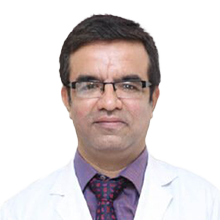
Dr. Bharat A. Vaswani
MD, DM (Medical Oncology), MRCP-UK (Medical Oncology), ECMO, PDCRClinical Director- Medical Oncology & Haematology
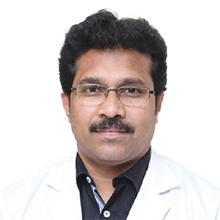
Dr. B. Ramakrishna Prasad
MD (Radiation Oncology)Consultant Radiation Oncologist
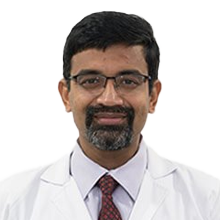
Dr. Hemanth Vudayaraju
MS (General Surgery), MCh (Surgical Oncology), DNB (Surgical Oncology)Director-Surgical Oncology & Minimal Access Onco Surgery and Robotic Surgeon
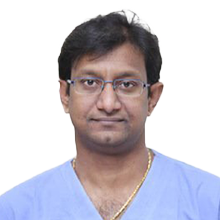
Dr. Sreekanth CN
MS, MCh Surgical OncologySr. Consultant-Surgical Oncology, Laparoscopic & Robotic Surgery, HIPEC Surgery (Germany)

Dr. Sumanth Kumar Mallupattu
MD (Radiation Oncology), PGIMER, Chandigarh DM (Medical Oncology), NIMS, MRCP SCE (UK),ECMO (European Certified Medical Oncologist)Sr. Consultant Medical Oncologist & Haemato Oncologist

Dr. Macha Kiran Kumar
MBBS, MD, DM, ECMO, PDCR MD (Radiation Oncology- Gold Medal), DM (Medical Oncology)Sr. Consultant Medical & Hemato-Oncologist

Dr. D Shiva Prasad
MD, FRCR-clinical oncology, UK MRCP, ECMO Medical oncologyConsultant Radiation oncologist

Dr. Sandeep Kumar Tula
MD Radiation Oncology, PGIMER, (National Institutional Ranking Framework-Rank 2)Consultant Radiation Oncologist

Dr. K Ashok Kumar
MBBS, DNB(NIMS), DM (NIMS) PDF (BMT) (CMC-Vellore)Sr. Consultant Hemato- oncology and BMT Physician
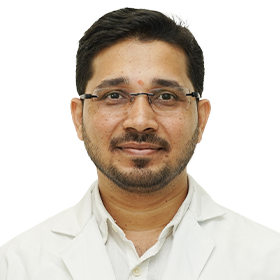
Dr. G. Vikram Kumar
MBBS, MD Immunohematology and Blood Transfusion (JIPMER) Fellowship in Clinical Hematology (CMC, Vellore)Consultant Clinical Hematologist & BMT Physician
Comprehensive Pediatric Cancer Treatments in Hyderabad
Yashoda Hospitals provides a comprehensive range of pediatric cancer treatments that focus on organ preservation and the child’s long-term health through minimally invasive and robotic-assisted tumor resections. Our clinical teams treat blood-related tumors with high-dose chemotherapy regimens and cutting-edge autologous or allogeneic stem cell transplants.
We utilize modern systemic treatments, including immunotherapy and personalized medications, to effectively target resistant cancer cells while safeguarding healthy tissue growth. Additionally, our radiation oncology team achieves millimeter-level accuracy in sensitive areas such as the brain and spine, while our surgeons perform complex limb-salvage procedures to restore function and prevent amputation.
Advanced Pediatric Oncological Diseases & Conditions
Our specialists provide expert care for a broad range of pediatric cancers and blood disorders, emphasizing early detection and comprehensive staging. We treat conditions such as acute lymphoblastic leukemia (ALL), myeloid leukemia (AML), various lymphomas, and complex non-malignant illnesses like thalassemia and sickle cell anemia.
Our team conducts advanced genetic and molecular testing to identify specific subtypes of rare cancers, including retinoblastoma, neuroblastoma, and Wilms’ tumor. We offer specialized treatments for medulloblastoma and bone cancers such as osteosarcoma, aiming for clinical remission while maintaining long-term health and fertility. We ensure each child receives tailored care based on their unique oncological profile, supported by lifelong expert monitoring and targeted therapies.
Top Pediatric Oncology Center with State-of-the-Art Facilities
Yashoda Hospitals’ pediatric oncology department is equipped with India’s most advanced imaging and laboratory instruments, as well as low-dose radiation procedures to ensure child safety during staging. Our diagnostic facilities include high-resolution PET-CT and MRI systems that provide precise visualization of tumors and enable accurate surgical or radiation planning.
Our specialized hematopathology and molecular laboratories provide vital genetic insights through rapid bone marrow biopsies, flow cytometry, and chromosomal testing. We utilize next-generation sequencing and nuclear medicine scans, such as MIBG, to identify tumor markers, facilitating targeted therapies and effective treatment monitoring.
Insurance and Financial Information
Medical insurance provides financial protection and peace of mind by covering healthcare costs. This allows individuals to prioritize recovery over expenses. While most insurance covers treatment costs, including tests and medications, we recommend that you confirm specific coverage details with your provider.
Read more about – Insurance and Financial Information.
International Patient Services
Yashoda Group of Hospitals in Hyderabad has provided three decades of exceptional healthcare, blending advanced technology with experienced staff to meet international standards. Their comprehensive international patient services manage everything from visas and travel to insurance, ensuring a seamless and supportive healthcare experience.
Read more about – International Patient Services.
FAQ’s
What types of cancers are commonly treated in pediatric oncology?
Pediatric oncology often addresses leukemias (particularly acute lymphoblastic leukemia), lymphomas, brain and central nervous system malignancies, neuroblastoma, Wilms tumor (kidney cancer), and bone cancers such as osteosarcoma and Ewing sarcoma. Specialized teams manage these malignancies, which differ in biology and behavior from adult-type tumors.
How can childhood cancer be prevented?
The majority of childhood malignancies are still incurable because they are caused by hereditary or developmental factors rather than lifestyle decisions. Avoiding tobacco-related smoking, minimizing radiation exposure, keeping a balanced diet and physical activity, and timely vaccinations (e.g., HPV) may lower cancer-related risks.
What are the symptoms of childhood cancer?
Common red flag signs include a new lump or swelling, unexplained weight loss, intense weariness, chronic discomfort, frequent or unexplained fevers, easy bruising or bleeding, and recurring headaches usually followed by vomiting. Other warning symptoms include sudden eye or vision changes, limping or difficulty walking, and a milky-white appearance of the eye (particularly in babies).
When should I take my child to see a pediatric oncologist?
Consult a pediatric oncologist if your child’s symptoms continue or worsen (for example, unexplained tumors, extended fevers, extreme weight loss, or severe, unexplained pain) despite usual treatment. Pediatric clinics often respond to suspected cancer referrals within 24-48 hours based on laboratory or physical findings.
How is pediatric cancer diagnosed?
Diagnosis often begins with blood tests (complete blood count and chemistry panels), urine tests, and imaging (ultrasound, X-ray, CT, MRI, or PET/bone scan), followed by biopsy or cerebrospinal fluid sampling. A pathologist verifies the cancer kind, and molecular or genetic studies aid in narrowing the subtype and guiding treatment.
When should I seek a second opinion regarding my child’s cancer diagnosis?
A second opinion is recommended if the diagnosis or treatment plan is unclear, extremely complex, or if you are unsure about the risks and advantages of the planned therapy. Many pediatric cancer clinics accept second opinions, particularly for uncommon malignancies or newly discovered targeted medicines or clinical trials.
How is chemotherapy used in treating childhood cancer?
Chemotherapy is the most frequent treatment for juvenile malignancies because many pediatric tumors develop quickly and are responsive to cytotoxic medications. It is often administered in cycles (treatment days plus recuperation times) and can be supplemented with surgery, radiation, or newer targeted/immunotherapy drugs.
What role does radiation therapy play in pediatric oncology?
Radiation treatment is used to reduce or destroy cancer cells, particularly when tumors are localized or persist after surgery and chemotherapy. It is typically part of a multi-modal approach. Modern radiation treatments, such as conformal and proton-beam, strive to accurately target tumors while preserving normal organs due to the sensitivity of children’s developing tissues.
Are there surgical options for treating pediatric cancer?
Surgery is a common treatment option for many solid tumors (such as neuroblastoma, Wilms tumor, brain tumors, and various sarcomas), often to remove the main mass or collect biopsy tissue. Advances in minimally invasive, image-guided, or robotic-assisted surgery increase precision, decrease complications, and accelerate recovery.
What is the role of clinical trials in pediatric cancer treatment?
Clinical trials are the primary engine for improving pediatric cancer treatments, providing access to new medicines, targeted agents, and immunotherapies that are not yet routinely used. Participation improves treatment accuracy, increases survival, and reduces toxicity, all while producing data tailored to children’s biology.
What are the potential risks and side effects of pediatric cancer treatments?
Chemotherapy, radiation, or surgery can cause short-term side effects, including nausea, hair loss, exhaustion, infections, bleeding, and organ damage. Long-term or late implications may include heart, lung, or kidney difficulties, growth and hormone issues, reproductive concerns, learning difficulties, and a tiny risk of secondary malignancies, particularly after high-dose chemotherapy or radiation.
How can I support my child during their cancer treatment?
Maintain open, age-appropriate communication, explain therapy and side effects clearly, and stick to familiar routines if feasible. Practical support, such as assisting with homework, organizing recreation or distraction, and utilizing psychosocial or counseling services, may reduce anxiety and increase the child’s functioning.
What is the recovery process like for children with cancer?
Recovery for children with cancer varies by kind and treatment severity but often includes a gradual restoration of energy, school re-entry, and rebuilding stamina over weeks to months post-therapy. After treatment, monitoring for long-term consequences and personalized rehabilitation (physical, educational, or emotional) can improve quality of life.
What are the success rates for treating pediatric cancers?
Approximately 80-85% of children with cancer survive for at least five years, with cure rates exceeding 90% in high-resource countries for some forms, including leukemias and lymphomas. The diagnosis, stage, molecular characteristics, and availability of current medicines and supportive care all have a major effect on outcomes.
What follow-up care is needed after pediatric cancer treatment?
Regular follow-up appointments with oncology and survivorship teams may include physical exams, laboratory testing, and imaging to check for recurrence and manage long-term consequences. Long-term treatment might encompass cardiology, endocrinology, fertility, and psychological support through a professional recovery program.
What are the long-term effects of cancer treatment in children?
Childhood cancer therapies can have a variety of physical, cognitive, and emotional “late effects,” including organ damage, growth difficulties, and secondary malignancies that develop months or years after treatment. Regular, lifetime monitoring by specialized clinics provides early discovery and control of these hazards, therefore improving a survivor’s long-term quality of life.
u003ch5 class=u0022style-scope ytd-watch-metadatau0022u003eకండరాలు మరియు లిగమెంట్లలో నొప్పి ఉందా?u003c/h5u003er
u003ch4u003ePatient Testimonials For Orthopaedicsu003c/h4u003ernu0026nbsp;rnrn
u003ch4u003eHealth Blogs for Orthopaedicsu003c/h4u003er

 Appointment
 Second Opinion
 Live Chat
 Call
Call More
More