Select Page

Advanced
Nerve Decompression
Surgery in Hyderabad

Yashoda Hospitals offers advanced nerve decompression surgery to relieve nerve pressure, restore function, reduce pain, and provide comprehensive patient-centered care.

  • Experienced Neurosurgical & Orthopaedic Experts
  • Advanced Nerve Decompression Techniques
  • Precision Surgical Planning & Execution
  • High Standards of Safety & Patient Care
  • Personalized Treatment & Rehabilitation Support


Nerve decompression surgery is a specialised procedure performed to relieve pressure on a compressed or “pinched” nerve caused by surrounding structures such as bones, ligaments, muscles, discs, or swollen tissues. It is commonly recommended for individuals experiencing persistent pain, numbness, tingling, weakness, or reduced mobility due to conditions such as carpal tunnel syndrome, cubital tunnel syndrome, spinal stenosis, or herniated discs that do not improve with conservative treatments. The procedure works by carefully releasing or removing the structure compressing the nerve, helping restore normal nerve function, reducing discomfort, and preventing long-term nerve damage. Depending on the condition, advanced minimally invasive or microsurgical techniques may be used to improve precision and recovery.

Nerve decompression surgery may take anywhere from 30 minutes to a few hours. Most patients experience gradual improvement in symptoms after surgery, with recovery involving pain management, wound care, and physiotherapy if needed. When performed by experienced specialists, nerve decompression surgery is a safe and effective treatment.

What is Nerve Decompression?

Nerve decompression is a medical treatment, often performed as a surgical procedure, to relieve pressure on a compressed or “pinched” nerve. This pressure can be caused by surrounding structures such as bones, ligaments, muscles, or swollen tissues, leading to symptoms like pain, numbness, tingling, or weakness. Common conditions that may require nerve decompression include Carpal Tunnel Syndrome, Sciatica, and Herniated Disc.

The goal of nerve decompression is to reduce pressure on the affected nerve and restore its normal function. Depending on the severity, treatment may involve non-surgical methods such as medications, rest, or physiotherapy or surgical intervention where the compressing structure is removed or released. This helps relieve symptoms, improve mobility and strength, and prevent long-term nerve damage, ultimately enhancing the patient’s quality of life.

Types of Nerve Decompression:

Nerve decompression procedures are chosen based on where the nerve is compressed and what is causing the pressure. Each type of surgery is designed to carefully relieve that pressure while preserving normal nerve function and surrounding tissues.

  • Carpal Tunnel Release: Carpal Tunnel Release is one of the most common procedures used to treat carpal tunnel syndrome. In this condition, the median nerve gets compressed at the wrist due to a thickened ligament. During surgery, the ligament is gently cut to create more space for the nerve, which helps reduce numbness, tingling, and hand weakness. It is usually a quick procedure with a relatively fast recovery.
  • Ulnar Nerve Decompression (Cubital Tunnel Release): Ulnar Nerve Decompression (Cubital Tunnel Release) is performed for Cubital Tunnel Syndrome, where the nerve is compressed near the elbow. The surgeon may either release the tight structures around the nerve or move the nerve to a safer position (called transposition). This helps relieve symptoms like tingling in the ring and little fingers and improves hand strength.
  • Laminectomy: Laminectomy is a spinal decompression surgery often recommended for conditions like spinal stenosis. In this procedure, a small portion of the vertebra called the lamina is removed to create more space in the spinal canal. This reduces pressure on the spinal cord or nerves and helps relieve back pain, leg pain, and difficulty walking.
  • Microdiscectomy: Microdiscectomy is a minimally invasive procedure commonly used to treat a herniated disc. Only the portion of the damaged disc that is pressing on the nerve is removed using specialized instruments and a microscope. This allows for precise treatment with smaller incisions, less tissue damage, and quicker recovery compared to traditional open surgery.
  • Foraminotomy: Foraminotomy focuses on widening the small openings (foramina) through which spinal nerves exit the spine. These openings can become narrowed due to bone spurs or disc problems, leading to nerve compression. By enlarging this space, the surgeon relieves nerve pressure and reduces radiating pain and numbness.
  • Peripheral Nerve Decompression: Peripheral Nerve Decompression includes procedures performed on nerves outside the spine, such as in the arms, legs, or feet. These are often done when nerves are compressed due to injury, swelling, tumors, or scar tissue. The goal is to carefully free the nerve from surrounding pressure and restore its normal function.

Overall, the choice of procedure depends on the severity of symptoms, the exact location of nerve compression, and the patient’s overall health. Each technique aims to provide long-term relief, improve mobility, and prevent permanent nerve damage.

Procedure Name Nerve Decompression
Type Minimally invasive or open surgery
Anesthesia Local, regional, or general
Duration 30 minutes to 2 hours
Recovery A few days to weeks (varies)

Specialist Doctors

Prof. Dr. Rupam Borgohain

DM (Neurology)

Senior Consultant Neurologist and Programme Director-PDMDRC

English, Hindi, Telugu, Assamese
41 Yrs
Hitec City
4.1 (9 reviews)

Dr. G. V. Subbaiah Chowdhary

MD, DM (Neurology)

Senior Consultant Neurologist & Clinical Director

English, Hindi, Telugu
26 Yrs
Hitec City

Dr. Rajesh Alugolu

MS, MCh (Neurosurgery)

Sr. Consultant Neurosurgeon-PDMDRC, Clinical Director-PDMDRC.

Telugu, Hindi, English, Tamil, Odiya, Bengali
26 Yrs
Hitec City
5 (11 reviews)

Dr. Rukmini Mridula Kandadai

DNB, DM (Neurology)

Sr. Consultant Neurologist, Clinical Director- PDMDRC ( Parkinson’s Disease and Movement Disorders Research Centre)

Telugu, Tamil, Hindi, English
26 Yrs
Hitec City

Dr. Venkata Swamy Pasupula

MBBS, DM (Neurology)

Consultant Neurologist and Epileptologist

Telugu, English & Hindi
25 Yrs
Hitec City
5 (6 reviews)

Dr. Sruthi Kola

MD, DM Neurology, PDF Movement Disorders

Consultant Neurologist, Consultant PDMDRC

English and Telugu
16 Yrs
Hitec City
5 (1 reviews)

Dr. Yeshwanth Paidimarri

MD, DM(Neurology), SCE(UK)

Consultant Neurologist

English, Hindi, and Telugu
16 Yrs
Hitec City
4.9 (257 reviews)

Dr. Sagari Gullapalli

MD, DM Neurology, PDF Epilepsy

Consultant Neurologist & Epileptology Specialist (Pediatric & Adult)

Hindi, English, Telugu, Tamil, Malayalam
14 Yrs
Hitec City

Dr. K. Krishna Reddy

MD, DM (Neurology)

Consultant Neurologist

English, Hindi, Telugu
42 Yrs
Malakpet

Dr. Emani Srikanth Reddy

DM (Neurology)

Senior Consultant Neurologist

English, Hindi, Telugu
25 Yrs
Malakpet

Dr. Varun Reddy Gundluru

MD (Manipal), DM Neurology (AIIMS, New Delhi)

Consultant Neurologist

Telugu, English, Hindi, Kannada
13 Yrs
Malakpet
4.9 (13 reviews)

Dr. Bharath Kumar Surisetti

MD, DM (Neurology), PDF Movement Disorders (NIMHANS)

Consultant Neuro Physician

English, Hindi, Telugu
9 Yrs
Malakpet
5 (88 reviews)

Dr. Kandraju Sai Satish

MD, DM (Neurology), PDF in Epilepsy

Consultant Neurologist & Epileptologist

English, Hindi, Telugu, Malayalam
24 Yrs
Secunderabad
4.9 (105 reviews)

Dr. R. N. Komal Kumar

DM, Fellowship in Stroke and Neurosonology

Clinical Director, Consultant Neurologist & Head-Cerebrovascular Unit

English, Hindi, Telugu, Tamil, Kannada, Malayalam
24 Yrs
Secunderabad
4.2 (19 reviews)

Dr. Shivaram Rao K

MD, DM (Neurology)

Consultant Neuro Physician

Telugu, English, Hindi, Kannada
13 Yrs
Secunderabad
4.9 (320 reviews)

Dr. Jaydip Ray Chaudhuri

MBBS, MD, DM (NIMHANS), MNAMS, FEBN, MRCP (Neurology-UK), FRCP (EDIN)<br> Fellow European Board of Neurology

Sr. Consultant Neuro Physician, HOD, Department of Neurology

English, Hindi, Telugu, Bengali & kannada
25 Yrs
Somajiguda
4.3 (26 reviews)

Dr. Raja Sekhar Reddy G

MD, DM (Neurology)

Sr. Consultant Neuro Physician

English, Hindi, Telugu, Tamil, Kannada
19 Yrs
Somajiguda

Dr. Mohan Krishna Narasimha Kumar Jonnalagadda

MBBS, MD (Internal Medicine), DM (Neurology)

Sr. Consultant Neurologist

English, Hindi, Telugu
10 Yrs
Somajiguda

Dr. S. Sandeep Kumar

MBBS, MD (Internal Medicine, SCB, Cuttack), DM (Neurology, BIN, Kolkata), PDF (Cognitive Neuroscience, NIMHANS, Bangalore)

Consultant Neuro Physician

English, Hindi, Odia, Telugu, Bengali
7 Yrs
Somajiguda

Nerve Decompression Surgery: What to Expect Before, During & After Surgery

A structured approach across these phases helps ensure accurate diagnosis, safe surgical intervention, and smooth recovery. Each stage plays a vital role in relieving nerve pressure, restoring function, minimizing complications, and achieving the best possible long-term outcomes for the patient.

Preoperative Care:

Before undergoing nerve decompression, patients receive a comprehensive evaluation to diagnose the site and cause of nerve compression accurately. This typically includes imaging studies such as MRI or CT scans, along with nerve conduction tests to assess nerve function. The doctor reviews the patient’s medical history, ongoing medications, and any underlying conditions like diabetes or hypertension that may affect surgery or recovery. Patients are advised to stop certain medications (such as blood thinners) if required and follow fasting guidelines before surgery. Detailed counseling is provided to explain the procedure, expected benefits, potential risks, and recovery timeline, helping the patient feel informed and prepared both physically and mentally.

Intra-operative Care:

During the surgery, the patient is given local, regional, or general anesthesia depending on the type and location of the procedure. The surgical team maintains a strictly sterile environment to minimize the risk of infection. Using precise techniques,often aided by microscopes or minimally invasive instruments,the surgeon carefully locates the compressed nerve and relieves pressure by cutting tight structures or removing bone, disc material, or scar tissue. Great care is taken to avoid damage to surrounding tissues and preserve nerve integrity. Throughout the procedure, the patient’s vital signs, such as heart rate, blood pressure, and oxygen levels, are continuously monitored to ensure safety.

Post-operative Care:

After surgery, the patient is closely observed in the recovery area until stable. Pain management is provided through medications, and antibiotics may be prescribed to prevent infection. Instructions are given for wound care, including keeping the surgical site clean and monitoring for signs of complications. Patients are encouraged to gradually return to daily activities while avoiding strain on the operated area. In many cases, physiotherapy or rehabilitation exercises are recommended to improve strength, flexibility, and nerve function. Regular follow-up visits allow the doctor to assess healing progress, remove sutures if needed, and ensure that symptoms such as pain or numbness are improving over time.

Benefits of Nerve Decompression at Yashoda Hospitals

Nerve decompression surgery offers significant benefits, especially for patients suffering from chronic nerve pain or functional limitations due to compression.

  • Pain Relief: Reduces or eliminates persistent pain caused by nerve pressure
  • Improved Sensation: Helps relieve numbness and tingling sensations
  • Restored Muscle Strength: Improves weakness and enhances mobility
  • Better Nerve Function: Allows the nerve to function normally again
  • Prevention of Permanent Damage: Reduces the risk of long-term nerve injury
  • Enhanced Quality of Life: Enables patients to return to daily activities comfortably

Overall, nerve decompression helps restore normal movement, reduce discomfort, and improve overall physical well-being.


Testimonials

Discover what patients have to say about their experience with Coronary Angiography at Yashoda Hospitals.


Pallavi Jha

“I underwent Coronary Angiography at Yashoda Hospitals, and I couldn't be happier with the care I received. The medical team was highly skilled and made me feel comfortable throughout the procedure.”


Pallavi Jha 2

“I underwent Coronary Angiography at Yashoda Hospitals, and I couldn't be happier with the care I received. The medical team was highly skilled and made me feel comfortable throughout the procedure.”


Pallavi Jha 3

“I underwent Coronary Angiography at Yashoda Hospitals, and I couldn't be happier with the care I received. The medical team was highly skilled and made me feel comfortable throughout the procedure.”


Insurance Assistance for Nerve Decompression

  • All Insurances Covered
  • Zero Hidden Charges
  • Complete Documentation Support
  • Cashless Insurance Service

Free Second Opinion for Nerve Decompression

Considering nerve decompression surgery? Get a FREE second opinion from Yashoda Hospitals. Our expert specialists carefully review your symptoms, medical history, and diagnostic reports to confirm the diagnosis, discuss treatment options, and help you make an informed decision with confidence.

Why Choose Yashoda Hospitals for Nerve Decompression?

Expertise in Neurosurgery & Minimally Invasive Procedures

Yashoda Hospitals has a team of highly experienced neurosurgeons and orthopaedic specialists specialising in nerve decompression procedures, ensuring precise relief of nerve compression with a strong focus on patient safety, minimal complications, and optimal outcomes.

Comprehensive Consultation & Evaluation

A detailed assessment, including medical history, physical examination, imaging studies (such as MRI or CT scans), and nerve conduction tests, helps accurately identify the cause of nerve compression and determine the most suitable, personalised treatment plan for each patient.

Advanced Surgical Infrastructure

The hospital is equipped with state-of-the-art operating theaters, advanced microsurgical instruments, minimally invasive technologies, and modern imaging systems that support safe, accurate, and effective nerve decompression procedures.

Access to Skilled Multidisciplinary Specialists

Patients benefit from coordinated care provided by neurosurgeons, orthopedic surgeons, anaesthesiologists, physiotherapists, nursing staff, and rehabilitation teams, ensuring complete care from diagnosis through recovery and long-term functional improvement.

Exploring
Advanced Diagnostics?

Seeking Clarity
on Your Surgery Options?

Take the First Step
Towards Better Health

All major insurance are accepted for
Nerve Decompression Treatment


Our Locations

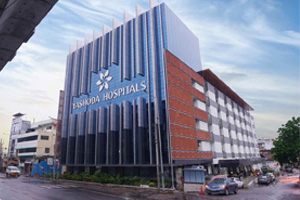
  • Malakpet Location

    Malakpet

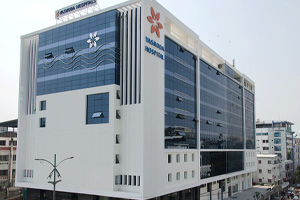
  • Somajiguda Location

    Somajiguda

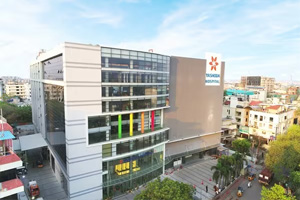
  • Secunderabad Location

    Secunderabad

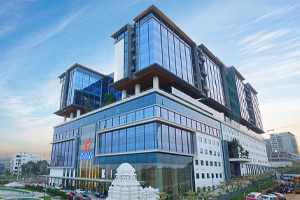
  • Hitec City Location

    Hitec City

FAQ's

Nerve decompression is a procedure that relieves pressure on a compressed or “pinched” nerve caused by surrounding tissues. It helps reduce pain, restore function, and prevent long-term nerve damage.

Spinal decompression surgery is generally safe and commonly performed for conditions like Spinal Stenosis and herniated discs. However, like any surgery, it carries some risks depending on the patient’s condition and procedure complexity.

The procedure typically takes about 1 to 3 hours, depending on the type of surgery performed. The exact duration varies based on the severity and complexity of the condition.

Patients may experience mild pain initially, but can usually start moving within a day after surgery. Recovery involves a gradual return to activities, physiotherapy, and regular follow-ups for proper healing.

Nerve decompression is recommended for patients with severe or persistent symptoms that do not improve with medications or physiotherapy. It is also advised when there is muscle weakness or risk of permanent nerve damage.

The procedure itself is not painful as it is performed under anaesthesia. After surgery, mild to moderate discomfort may occur but is manageable with medications.

Recovery time varies depending on the type of surgery and nerve involved, but usually ranges from a few weeks to a few months. Most patients gradually return to normal activities with proper care and rehabilitation.

Yes, non-surgical treatments include medications, physiotherapy, lifestyle changes, and nerve splints. Surgery is usually considered only when these methods do not provide relief.

Possible risks include infection, bleeding, nerve injury, or incomplete symptom relief. However, complications are relatively rare when performed by experienced surgeons.

In some cases, symptoms may recur due to scar tissue formation or ongoing underlying conditions. Maintaining proper posture, lifestyle changes, and follow-up care can help reduce this risk.
Book an appointment
in 2 minutes