Select Page

Advanced
Dystonia (Movement Disorder)
Surgery in Hyderabad

Yashoda Hospitals offers advanced care for Dystonia (Movement Disorder) to provide accurate diagnosis, effective symptom management, improved mobility, and enhanced quality of life through expert neurological care.

  • Experienced Neurologists & Movement Disorder Specialists
  • Comprehensive Evaluation for Accurate Dystonia Diagnosis
  • Personalized Treatment Plans for Every Type of Dystonia
  • Advanced Deep Brain Stimulation (DBS) for Medically Refractory Dystonia
  • State-of-the-Art Neuroimaging & Advanced Diagnostic Facilities
  • Minimally Invasive Surgical Expertise for Complex Movement Disorders

Dystonia is a neurological movement disorder characterized by involuntary muscle contractions that cause repetitive movements, abnormal postures, or twisting of affected body parts. It can affect a single area, such as the neck, face, or hand, or involve multiple regions of the body, depending on the type and severity of the condition. Dystonia may occur due to genetic factors, abnormal brain function, neurological injury, certain medications, or sometimes without a clearly identifiable cause.

Treatment for dystonia focuses on controlling symptoms, improving movement, and enhancing quality of life through personalized care. Management options may include medications, botulinum toxin injections, physiotherapy, and advanced treatments such as Deep Brain Stimulation (DBS) in severe cases. While dystonia is usually a long-term condition, many patients experience significant symptom relief and improved daily functioning with timely diagnosis and expert treatment.

What is Dystonia (Movement Disorder)?

Dystonia is a neurological movement disorder in which muscles contract involuntarily, causing repetitive movements, twisting, or abnormal postures. These movements may be mild or severe and can affect a single part of the body, such as the neck, face, or hand, or sometimes multiple areas. Symptoms often become more noticeable during voluntary actions like writing, speaking, or walking.
It occurs due to abnormal signals from the brain that disrupt normal muscle coordination, leading to excessive or sustained muscle activity. While dystonia is not usually life-threatening, it can cause discomfort, pain, and difficulty in performing everyday tasks. With early diagnosis and appropriate treatment, many people can manage symptoms effectively and maintain a good quality of life.

Types of Dystonia (Movement Disorder):

Dystonia is not a single condition but a group of movement disorders that vary depending on which parts of the body are affected and how the symptoms present. Understanding these types helps doctors choose the right treatment and gives patients a clearer idea of what to expect.

Focal Dystonia
Focal dystonia is the most common type, affecting a single body part. It usually develops in adulthood and includes conditions such as cervical dystonia (neck twisting), blepharospasm (excessive blinking), and writer’s cramp. Though localized, it can significantly impact daily activities.

Segmental Dystonia
Segmental dystonia affects two or more adjacent body regions, such as the neck and shoulders or the face and jaw. It may start as focal dystonia and spread nearby, causing more noticeable symptoms that affect coordination and posture.

Generalized Dystonia
Generalized dystonia affects multiple parts of the body, often including the trunk, arms, and legs. It typically starts in childhood or adolescence and may progress over time. This type can cause significant difficulty with walking, posture, and overall movement, and in severe cases, it can impact independence. Early diagnosis and treatment are important to slow progression and manage symptoms effectively.

Multifocal Dystonia
In multifocal dystonia, two or more non-adjacent body parts are affected, such as one arm and one leg or the face and a limb. Unlike segmental dystonia, the affected areas are not connected. The pattern can vary from person to person, and symptoms may appear independently in different regions.

Task-Specific Dystonia
Task-specific dystonia occurs only during specific, repetitive skilled activities. Common examples include writer’s cramp and dystonia affecting musicians or athletes during performance. Movements are typically normal outside the affected task.

Hemi dystonia
Hemi dystonia affects one entire side of the body, including the arm and leg on the same side. It is less common and is often linked to underlying causes such as brain injury, stroke, or other neurological conditions. Symptoms are usually more pronounced and may require detailed evaluation.

Each type of dystonia differs in severity, progression, and impact on daily life. However, with timely diagnosis, appropriate treatment, and supportive care, many individuals can manage their symptoms effectively and maintain a good quality of life.


Procedure Name Dystonia (Movement Disorder)
Type Neurological movement disorder
Type of Anaesthesia Not applicable (non-surgical condition; anaesthesia used only if procedures like DBS are performed)
Duration Chronic condition (long-term management required)
Recovery Managed with treatment

Specialist Doctors

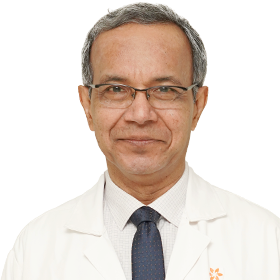
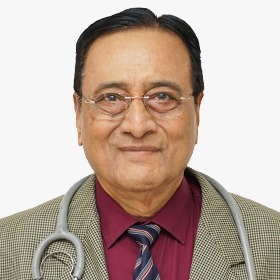
Prof. Dr. Rupam Borgohain

DM (Neurology)

Senior Consultant Neurologist and Programme Director-PDMDRC

English, Hindi, Telugu, Assamese
41 Yrs
Hitec City
4.1 (9 reviews)

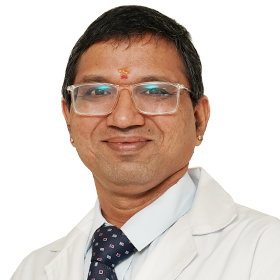
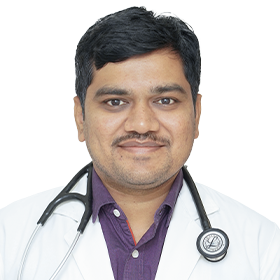
Dr. G. V. Subbaiah Chowdhary

MD, DM (Neurology)

Senior Consultant Neurologist & Clinical Director

English, Hindi, Telugu
26 Yrs
Hitec City

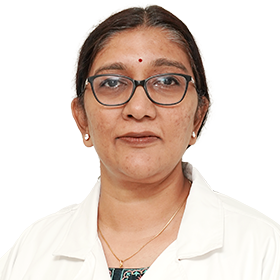
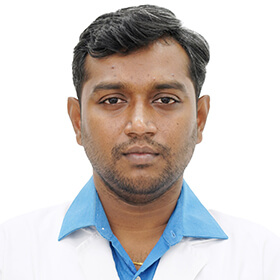
Dr. Rajesh Alugolu

MS, MCh (Neurosurgery)

Sr. Consultant Neurosurgeon-PDMDRC, Clinical Director-PDMDRC.

Telugu, Hindi, English, Tamil, Odiya, Bengali
26 Yrs
Hitec City
5 (11 reviews)

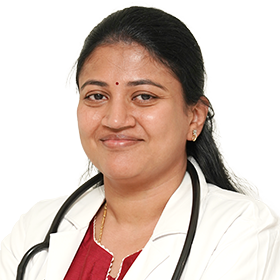
Dr. Rukmini Mridula Kandadai

DNB, DM (Neurology)

Sr. Consultant Neurologist, Clinical Director- PDMDRC ( Parkinson’s Disease and Movement Disorders Research Centre)

Telugu, Tamil, Hindi, English
26 Yrs
Hitec City

Dr. Venkata Swamy Pasupula

MBBS, DM (Neurology)

Consultant Neurologist and Epileptologist

Telugu, English & Hindi
25 Yrs
Hitec City
5 (6 reviews)

Dr. Sruthi Kola

MD, DM Neurology, PDF Movement Disorders

Consultant Neurologist, Consultant PDMDRC

English and Telugu
16 Yrs
Hitec City
5 (1 reviews)

Dr. Yeshwanth Paidimarri

MD, DM(Neurology), SCE(UK)

Consultant Neurologist

English, Hindi, and Telugu
16 Yrs
Hitec City
4.9 (257 reviews)

Dr. Sagari Gullapalli

MD, DM Neurology, PDF Epilepsy

Consultant Neurologist & Epileptology Specialist (Pediatric & Adult)

Hindi, English, Telugu, Tamil, Malayalam
14 Yrs
Hitec City

Dr. K. Krishna Reddy

MD, DM (Neurology)

Consultant Neurologist

English, Hindi, Telugu
42 Yrs
Malakpet

Dr. Emani Srikanth Reddy

DM (Neurology)

Senior Consultant Neurologist

English, Hindi, Telugu
25 Yrs
Malakpet

Dr. Varun Reddy Gundluru

MD (Manipal), DM Neurology (AIIMS, New Delhi)

Consultant Neurologist

Telugu, English, Hindi, Kannada
13 Yrs
Malakpet
4.9 (13 reviews)

Dr. Bharath Kumar Surisetti

MD, DM (Neurology), PDF Movement Disorders (NIMHANS)

Consultant Neuro Physician

English, Hindi, Telugu
9 Yrs
Malakpet
5 (88 reviews)

Dr. Kandraju Sai Satish

MD, DM (Neurology), PDF in Epilepsy

Consultant Neurologist & Epileptologist

English, Hindi, Telugu, Malayalam
24 Yrs
Secunderabad
4.9 (105 reviews)

Dr. R. N. Komal Kumar

DM, Fellowship in Stroke and Neurosonology

Clinical Director, Consultant Neurologist & Head-Cerebrovascular Unit

English, Hindi, Telugu, Tamil, Kannada, Malayalam
24 Yrs
Secunderabad
4.2 (19 reviews)

Dr. Shivaram Rao K

MD, DM (Neurology)

Consultant Neuro Physician

Telugu, English, Hindi, Kannada
13 Yrs
Secunderabad
4.9 (320 reviews)

Dr. Jaydip Ray Chaudhuri

MBBS, MD, DM (NIMHANS), MNAMS, FEBN, MRCP (Neurology-UK), FRCP (EDIN)<br> Fellow European Board of Neurology

Sr. Consultant Neuro Physician, HOD, Department of Neurology

English, Hindi, Telugu, Bengali & kannada
25 Yrs
Somajiguda
4.3 (26 reviews)

Dr. Raja Sekhar Reddy G

MD, DM (Neurology)

Sr. Consultant Neuro Physician

English, Hindi, Telugu, Tamil, Kannada
19 Yrs
Somajiguda

Dr. Mohan Krishna Narasimha Kumar Jonnalagadda

MBBS, MD (Internal Medicine), DM (Neurology)

Sr. Consultant Neurologist

English, Hindi, Telugu
10 Yrs
Somajiguda

Dr. S. Sandeep Kumar

MBBS, MD (Internal Medicine, SCB, Cuttack), DM (Neurology, BIN, Kolkata), PDF (Cognitive Neuroscience, NIMHANS, Bangalore)

Consultant Neuro Physician

English, Hindi, Odia, Telugu, Bengali
7 Yrs
Somajiguda

Dystonia (Movement Disorder) Surgery: What to Expect Before, During & After Surgery

Managing moderate to severe dystonia often requires advanced treatments such as Deep Brain Stimulation (DBS) or botulinum toxin injections. Proper care before, during, and after treatment is essential for improving outcomes, ensuring safety, and supporting recovery.

Pre-operative Care

Patients undergo a thorough neurological evaluation along with MRI or CT scans to assess the brain and identify the cause of dystonia. Medications may be adjusted before procedures such as DBS. Patients and their families are also counselled about the procedure, expected outcomes, potential risks, recovery, and realistic treatment expectations.

Intra-operative Care

During procedures such as DBS, neurosurgeons use advanced imaging and navigation systems to precisely place electrodes in targeted brain regions. Throughout the surgery, anaesthesia teams and surgical staff continuously monitor the patient’s vital signs while maintaining strict sterile protocols to ensure safety and minimise the risk of infection.

Post-operative Care

After the procedure, patients are closely monitored for recovery and any immediate complications. In Deep Brain Stimulation (DBS), the device is gradually programmed and adjusted over follow-up visits to optimise symptom control. Long-term care includes medications, regular neurological evaluations, physiotherapy, and lifestyle guidance to improve movement and daily functioning. With consistent follow-up and personalised care, many patients experience significant improvements in their quality of life.

Benefits of Dystonia (Movement Disorder) at Yashoda Hospitals

Effective management of dystonia focuses on reducing symptoms, improving movement, and helping patients regain control over their daily activities. With the right combination of treatments, many individuals experience significant relief and a better quality of life.

  • Improved Muscle Control: Treatment helps reduce involuntary muscle contractions, resulting in smoother, more coordinated movements.
  • Reduction in Pain and Discomfort: By relaxing overactive muscles, therapies such as medications and botulinum toxin injections can significantly decrease pain and stiffness.
  • Better Posture and Mobility: Patients often experience improved posture and greater ease in walking, writing, or performing routine tasks.
  • Enhanced Quality of Life: With fewer symptoms, individuals can return to daily activities, work, and social interactions with greater confidence.
  • Personalised Long-term Management: Ongoing care, including physiotherapy and follow-ups, helps maintain results and prevent symptom worsening over time.

Testimonials

Discover what patients have to say about their experience with Coronary Angiography at Yashoda Hospitals.


Pallavi Jha

“I underwent Coronary Angiography at Yashoda Hospitals, and I couldn't be happier with the care I received. The medical team was highly skilled and made me feel comfortable throughout the procedure.”


Pallavi Jha 2

“I underwent Coronary Angiography at Yashoda Hospitals, and I couldn't be happier with the care I received. The medical team was highly skilled and made me feel comfortable throughout the procedure.”


Pallavi Jha 3

“I underwent Coronary Angiography at Yashoda Hospitals, and I couldn't be happier with the care I received. The medical team was highly skilled and made me feel comfortable throughout the procedure.”


Insurance Assistance for Dystonia (Movement Disorder)

  • All Insurances Covered
  • Zero Hidden Charges
  • Complete Documentation Support
  • Cashless Insurance Service

Get Insurance Assistance


Free Second Opinion for Dystonia (Movement Disorder)

Considering treatment for Dystonia (Movement Disorder)? Get a FREE second opinion at Yashoda Hospitals. Our expert neurologists review your diagnosis, medical history, scans, and treatment records to recommend the most effective treatment plan, including medications, botulinum toxin therapy, or Deep Brain Stimulation (DBS) when needed.

Get Free Second Opinion

Why Choose Yashoda Hospitals for Dystonia (Movement Disorder)?

Yashoda Hospitals offers advanced care for Dystonia (Movement Disorder) with experienced neurologists and modern treatment approaches. Patients receive personalised care focused on accurate diagnosis, effective symptom control, and long-term improvement in quality of life.

Expertise in Neurology & Movement Disorders

Yashoda Hospitals has a team of highly experienced neurologists and movement disorder specialists skilled in managing various types of dystonia. Their expertise ensures accurate diagnosis and effective, evidence-based treatment for better outcomes.

Comprehensive Consultation & Evaluation

Patients undergo a detailed clinical assessment, including neurological examination, imaging when required, and personalised treatment planning. This helps in identifying the exact type of dystonia and selecting the most suitable treatment approach.

Advanced Treatment Infrastructure

The hospital is equipped with advanced diagnostic tools and offers modern treatments such as botulinum toxin therapy and Deep Brain Stimulation (DBS). This ensures precise, safe, and effective management of symptoms.

Multidisciplinary & Ongoing Support

Patients benefit from coordinated care involving neurologists, neurosurgeons, physiotherapists, and specialised nursing teams. From diagnosis to long-term management, continuous monitoring, rehabilitation, and follow-up care ensure better recovery and improved daily functioning

Exploring
Advanced Diagnostics?

Seeking Clarity
on Your Surgery Options?

Take the First Step
Towards Better Health

All major insurance are accepted for
Dystonia (Movement Disorder) Treatment


Our Locations

  • Malakpet Location

    Malakpet

  • Somajiguda Location

    Somajiguda

  • Secunderabad Location

    Secunderabad

  • Hitec City Location

    Hitec City

FAQ's

Dystonia is a neurological movement disorder that causes involuntary muscle contractions, leading to twisting movements or abnormal postures. It can affect one part of the body or multiple areas.

Dystonia can be primary (genetic or unknown cause) or secondary due to factors like brain injury, stroke, infections, or certain medications. In many cases, the exact cause may not be clearly identified.

There is no complete cure for most types of dystonia, but symptoms can be effectively managed. With proper treatment, many patients experience significant improvement in movement and comfort.

Treatment includes medications, botulinum toxin injections, physiotherapy, and in severe cases, Deep Brain Stimulation (DBS). The approach depends on the type and severity of the condition.

Dystonia is generally not life-threatening, but it can affect daily activities and quality of life. Early diagnosis and treatment help in better symptom control and improved functioning.

Early signs may include mild muscle spasms, cramping, or unusual postures in a specific body part. Symptoms often appear during specific activities and gradually become more noticeable.
Dystonia can affect people of all ages, but some types are more common in children or young adults. A family history, neurological conditions, or certain medications may increase the risk.

In some cases, dystonia may progress or spread to other areas, especially in younger patients. However, many cases remain stable and can be well managed with treatment.

yes, physiotherapy, stress management, proper sleep, and regular exercise can help reduce symptoms and improve muscle control. Avoiding triggers can also be beneficial.

You should consult a doctor if you notice persistent muscle spasms, abnormal movements, or posture changes that interfere with daily activities. Early evaluation helps in timely diagnosis and better treatment outcomes.
Book an appointment
in 2 minutes