Select Page

Feeding Jejunostomy Procedure in Hyderabad

Get Comprehensive Feeding Jejunostomy Procedure at Yashoda Hospitals in Hyderabad.

  • 30+ Years Experienced Surgical Gastroenterologists
  • State-of-the-Art Facilities
  • 24/7 Rapid Response Team
  • Comprehensive Rehabilitation
  • Exceptional Outcomes
  • Advanced Laparoscopic Techniques
  • 3D Imaging

Why Choose Yashoda Hospitals for Feeding Jejunostomy Procedure?

Yashoda Hospitals offers advanced feeding jejunostomy procedures for patients with personalized care and cutting-edge techniques.

  • Best Gastro Hospital: Yashoda Hospitals is recognized as the Best Hospital for Feeding Jejunostomy in Hyderabad, offering exceptional surgical care services.
  • Expert Surgical Gastroenterologists: Our highly experienced gastro surgeons specialize in performing advanced feeding jejunostomy surgery, ensuring optimal outcomes for all patients.
  • Cutting-edge Facilities: Equipped with state-of-the-art technology and advanced medical equipment, our facility provides the perfect setting for precise and accurate feeding jejunostomy procedures.
  • Dedicated Surgical Care: Our dedicated surgical care team is committed to guiding you through every step of your feeding jejunostomy surgery.

What is Feeding Jejunostomy?

A feeding jejunostomy is a surgical procedure whereby the abdomen is opened and a jejunostomy feeding tube known as a J-tube is placed in the jejunum, which is the middle part of the small intestines, omitting the stomach. It is mostly done in patients who are unable to get adequate nutrients orally or via a gastrostomy tube. Feeding jejunostomy indications include blockage of the esophagus or stomach, excess vomiting or diarrhea, postoperative bowel rest, or intestinal dysfunction. A feeding jejunostomy procedure can be performed in two operational methods: the open technique or laparoscopic technique. Feeding jejunostomy is a veritable and proven procedure that offers prolonged enteral nutrition to those unable to take deep enough calories orally.

Feeding Jejunostomy Types

Feeding jejunostomy techniques include:

  • Open technique
  • Laparoscopy technique

Types of feeding tubes involved in feeding jejunostomy include:

  • The standard J-tube exits directly through the abdominal wall.
  • Percutaneous Endoscopic Gastrostomy-Jejunostomy (PEG-J) combines gastrostomy with a jejunal extension tube.
  • Temporary feeding tube, nasal (NJ) tube, before transitioning to J-tube.

Enquire Now

Specialist Doctors

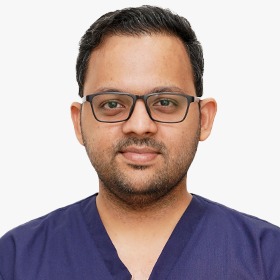
Dr. P. Siva Charan Reddy

MS, MCh (Surgical Gastroenterology), FMAS, FIAGES, FICRS

Senior Consultant Surgical Gastroenterologist & Robotic Surgeon, Advanced Laparoscopic & Metabolic Surgeon, HPB & Colorectal Surgeon

English, Hindi, Telugu
18 Yrs
Hitec City

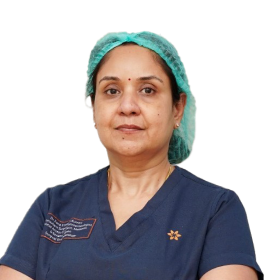
Dr. Vijaykumar C Bada

MBBS, MS, DrNB (Surgical Gastroenterology) FMAS, FAIS, FIAGES, FACRS.

Sr. Consultant Surgical Gastroenterology, HPB, Bariatric & Robotic Sciences. Clinical Director

English, Hindi, Telugu
18 Yrs
Hitec City

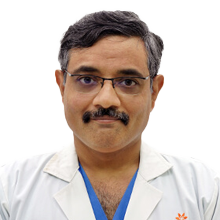
Dr. G. R. Mallikarjuna

MS, MCh (Surgical Gastroenterology), FIAGES

Senior Consultant Surgical Gastroenterologist & Robotic Surgeon, Advanced Laparoscopic & Metabolic Surgeon, HPB & Colorectal Surgeon

English, Hindi, Tamil, Telugu
16 Yrs
Hitec City

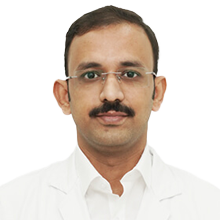
Dr. B. Jagan Mohan Reddy

MS, MCh (Surgical Gastroenterology), FIAGES

Senior Consultant Surgical Gastroenterologist & Robotic Surgeon, Advanced Laparoscopic & Metabolic Surgeon, HPB & Colorectal Surgeon

English, Telugu, Hindi
15 Yrs
Hitec City

Dr Lalith Kumar Reddy Kanthala

MBBS(GGH, Guntur), DNB General surgery (Aster MIMS, Calicut), DrNB Surgical gastroenterology( Sir Gangaram Hospital, Delhi), Fellowship in HPB surgery & Liver Transplantation (Rela Institute, Chennai), Fellowship in advanced Laproscopic & Robotic Surgery (CSMU, Taiwan)

Senior Consultant Gastro, HPB Oncosurgery & Liver Transplantation. Advanced Laproscopic, Robotic & Bariatric Surgery

Telugu, English, Hindi, Malayalam, Tamil
11 Yrs
Malakpet

Dr. Venkkatesh Sreepathi

MBBS, MS (Osm), M.Ch (Surgical Gastroenterology), MMAS (HPB)

Consultant Surgical Gastroenterologist, Hepato Pancreato Biliary & Laparoscopic Surgeon

Telugu, Hindi, English & Tamil
9 Yrs
Malakpet

Dr. TLVD. Prasad Babu

MS, MCh (GI Surgery)

Senior Consultant Surgical Gastroenterologist, Hepato Pancreatic Biliary, Colorectal, Bariatric & Advanced Laparoscopic Surgeon, HOD-Department of Surgical Gastroenterology

English, Hindi, Telugu
25 Yrs
Secunderabad

Dr Sudheer Moodadla

MS (Gen. Surg), DNB (Surg. Gastro), FMAS

Sr. Consultant Surgical Gastroenterology, Laparoscopic, HPB & Robotic Surgeon

Telugu, English, Hindi
14 Yrs
Secunderabad

Dr Krishna Chowdary Amirineni

MBBS, DNB, FALS (HPB & Robotic), FMBS, FMAS, FIAGES.

Sr. Consultant Gastrointestinal, Laparoscopic & Robotic Surgeon

English, Hindi, Telugu, Malayalam
13 Yrs
Secunderabad

Dr. P. B. Pavan Kumar

MS, DNB (Surgical Gastroenterology), FMAS

Associate Consultant Surgical Gastroenterologist

English, Hindi, Tamil, Kannada and Telugu
9 Yrs
Secunderabad

Dr. Kona Lakshmi Kumari

MS, FACS, FIAGES, FALS

Minimal Access & Robotic GI Surgeon, Metabolic and Bariatric Surgeon

English, Hindi, Telugu, Odia
27 Yrs
Somajiguda

Dr. Pavan Kumar M N

MS, MCh

Sr. Consultant Surgical Gastroenterologist Minimal Access and HPB Surgery & Robotic Surgeon

English, Hindi, Telugu
26 Yrs
Somajiguda

Dr. Moode Jayanth

MBBS, MS (General Surgery), DrNB (Gastrointestinal and Hepatobiliary-Pancreatic Surgery)

Consultant Surgical Gastroenterologist & Robotic Surgeon

English, Hindi, Telugu
8 Yrs
Somajiguda

Dr. Y. Srimannarayana

MS(Gen Surgery), DNB (Surg Gastro), FMAS, FIAGES, FICRS (Robotic), FALS(Robotic)

Consultant Surgical Gastroenterologist, Laparoscopic and Robotic Surgeon

Telugu, English, Hindi
8 Yrs
Somajiguda

Feeding Jejunostomy : Before, During and After.

Preparation for Jejunostomy 

An assessment of a patient’s past medical history, present condition, and potential to undergo feeding jejunostomy in terms of a surgical procedure will be carried out through performing physical examinations, arranging for relevant laboratory tests, taking X-rays, performing imaging studies, and so on. In doing so, they will also be giving detailed explanations about the process, its risks and complications, its recovery phase, and other treatment options available.

During the procedure

A feeding jejunostomy surgery requires general anesthesia, wherein the patient is made to lie on the operating table. In open surgery techniques, the incisions are made in the upper abdomen, where the jejunum is accessed directly. On the other hand, in laparoscopic techniques, incisions are smaller, and only a camera along with certain surgical tools are used for visualization and carrying out the operation.

After the Jejunostomy procedure

After the procedure of jejunostomy feeding, vital signs, tolerance to feeding, and J tube site will be monitored regularly. Pain medications will be administered to the patient; however, the patient might not eat or drink anything at first. As soon as the bowel movement rules are normal, the patient is offered to take clear fluids or a soft diet on a gradual basis.

Feeding jejunostomy Recovery

The use of feeding jejunostomies has been shown to contribute towards faster recovery periods, with laparoscopic jejunostomies taking 1-2 days in the hospital followed by complete healing within a week, while open surgical jejunostomies have prolonged stays in the hospital and even 4-6 weeks of healing due to wide cuts.

Post-procedure care: Care after feeding jejunostomy surgery involves the following aspects:

  • Administration of medications for pain as prescribed by the doctor.
  • Cleaning of the stomal area with a sterile solution and gauze.
  • Appropriate handling and manipulation of the tube.
  • Initial activity limitations are essential.
  • Provision of nutritional support through a tube or return to oral feeding.
  • In order to facilitate rapid recovery, regular periodic visits are required.
Procedure Name  Feeding Jejunostomy (J-Tube)
Type of Surgery Open or Minimally invasive
Type of Anesthesia General anesthesia
Procedure Duration 1 to 2 hours
Recovery Duration Few days to few weeks


Benefits of Feeding Jejunostomy Procedure

  • Provides reliable long-term access to enteral nutrition.
  • Enhances nutrient absorption in the jejunum, promoting better health.
  • Bypasses digestive issues like stomach or esophagus blockages, ulcers, or vomiting.
  • Manages bowel rest, allowing the digestive system to heal without introducing food or fluids.
  • Allows for alternative medication administration through the J-tube.
  • Improves quality of life by ensuring adequate nutrition and reducing complications.
  • Enhances energy levels, immune function, and overall well-being.

Enquire Now

doctor avatar

Need Any Medical Help?

Talk to Our Health Care Experts!

Frequently Asked Questions

Jejunostomy, as a technique for feeding, provides secure long-term access for enteral nutrition, treats bowel absorption disorders, allows for bowel rest, administers medication as prescribed, and ensures feeding itself. In addition, it allows for proper intake of nourishment and, therefore, minimizes the risks and complications related to deficiency in nutrition, which is a concern for the health or wellbeing of the person.

The feeding jejunostomy can be done in a period not exceeding two hours, during which laparoscopic and open surgical approaches will take different lengths of time based on the method of surgery employed.

Feeding via a jejunostomy tube is crucial in the provision of nutrients to the small intestines for patients who are not able to take them orally, exhibit digestive problems, or are in a state of bowel rest. It is especially beneficial in patients who have profound dysphagia, obstructive pathologies, short-bowel syndromes, chronic inflammatory bowel diseases, or who require complete bowel rest.

A feeding jejunostomy operation is a surgical process that enables the doctor to create a space in a patient’s abdomen that gives access to the jejunum on a long-term basis. In addition, it is also noted that in some medical circumstances, enteral feeding through a jejunostomy can be temporary, and in others, it can be long-term. In this case, temporary feeding refers to a situation where the digestive system has to be rested to allow for its healing or due to an illness, while in chronic cases, the feeding has to be permanent.

Jejunostomy feeding is a simple and safe procedure that has good results in the placement of J tubes and the provision of enteral feeding.

Book an appointment
in 2 minutes