Select Page

Advanced
Colostomy
Surgery in Hyderabad

Yashoda Hospitals provides advanced, reliable Colostomy surgery, focusing on safely diverting the bowel, effectively managing intestinal conditions, and ensuring faster recovery and improved quality of life for patients.

  • Experienced Gastrointestinal & Colorectal Surgeons
  • Advanced Colostomy Surgical Techniques
  • High Standards of Patient Safety
  • Personalised Treatment Care
  • Comprehensive Pre- & Post-Surgical Care

Colostomy Summary

Colostomy is a surgical procedure commonly performed to treat or manage conditions such as colorectal cancer, bowel obstruction, traumatic injury, inflammatory bowel disease, or severe infections affecting the colon or rectum. The procedure may be performed using open or minimally invasive techniques under general anesthesia and typically takes about 1 to 3 hours, depending on the patient’s condition and the complexity of the surgery. A colostomy may be temporary, allowing the bowel to heal before normal bowel function is restored, or permanent if the lower part of the colon or rectum has been removed. Most patients remain in the hospital for a few days after surgery and gradually recover over several weeks with proper medical care, stoma management, and follow-up support. When performed by experienced surgeons, colostomy is a safe and effective procedure that helps manage bowel conditions and improve a patient’s overall quality of life.

What is a Colostomy?

A colostomy is a surgical procedure in which a portion of the large intestine (colon) is brought through an opening created in the abdominal wall to form a stoma. This opening allows stool to leave the body and collect in a special colostomy bag attached to the skin instead of passing through the rectum and anus. Colostomy is usually performed when the lower part of the intestine needs time to heal or cannot function normally due to conditions such as colorectal cancer, bowel obstruction, trauma, inflammatory bowel disease, or congenital abnormalities. The procedure may be temporary, allowing the bowel to recover before being reconnected, or permanent if the lower colon or rectum has been removed. After surgery, patients are guided on proper stoma care and colostomy bag management to maintain hygiene and comfort in daily life.

Types of Colostomy:

Colostomy procedures are classified based on the section of the large intestine (colon) used to create the stoma. The location of the stoma determines the consistency of stool, frequency of output, and the type of care required after surgery. Understanding the different types of colostomy helps patients and caregivers manage stoma care effectively and adapt to life after surgery.

Ascending Colostomy

An ascending colostomy is created from the ascending colon, which is located on the right side of the abdomen. In this type, stool passes through only a small portion of the colon before exiting the body. Because the colon has had less time to absorb water, the stool is usually liquid or semi-liquid and may contain digestive enzymes that can irritate the skin around the stoma.
This type of colostomy is less common and is typically performed when disease or injury affects the lower parts of the colon. Patients with an ascending colostomy often require specialized colostomy bags and careful skin protection to maintain hygiene and prevent irritation.

Transverse Colostomy

A transverse colostomy is formed from the transverse colon, which runs across the upper abdomen. The stoma is usually positioned in the upper middle or right side of the abdomen. This type of colostomy may be created as either a loop colostomy (a loop of bowel brought to the surface) or a double-barrel colostomy (two separate openings for stool and mucus).
Transverse colostomies are often temporary procedures performed to divert stool away from a healing section of the bowel after surgery, trauma, infection, or inflammation. The stool in this type is usually soft to semi-formed, and patients typically experience moderate output throughout the day.

Descending Colostomy

A descending colostomy is created from the descending colon, located on the left side of the abdomen. By the time stool reaches this part of the colon, most of the water has already been absorbed, resulting in semi-formed or formed stool.
Patients with a descending colostomy may experience more predictable bowel output compared to other types. In some cases, individuals may be able to establish a routine using colostomy irrigation, which helps regulate bowel movements and reduce the need for frequent pouch changes.

Sigmoid Colostomy

A sigmoid colostomy is the most common type of colostomy. It is created from the sigmoid colon, the last section of the large intestine before the rectum. The stoma is usually placed on the lower left side of the abdomen.
Because stool has passed through nearly the entire colon, it is usually well-formed and similar to normal bowel movements. Many patients with a sigmoid colostomy find it easier to manage their colostomy care, and bowel movements may occur once or twice a day. This type of colostomy is often performed for conditions such as colorectal cancer, diverticular disease, or severe bowel injury.
Each type of colostomy is chosen based on the patient’s medical condition, the part of the colon affected, and the purpose of the surgery (temporary or permanent


Procedure Name Colostomy
Type of Surgery Surgery to create a stoma for diverting stool from the colon
Anesthesia General anesthesia
Duration 1–3 hours
Recovery 4–6 weeks
Colostomy: Pre-Op & Post-Op Care

Proper care before, during, and after colostomy surgery plays a crucial role in ensuring a safe procedure and smooth recovery. Each stage of care is carefully planned to prepare the patient for surgery, maintain safety throughout the operation, and support healing and adaptation to life with a colostomy. Understanding these phases helps patients feel more confident and ensures better surgical outcomes.

Pre-operative Care: Before undergoing colostomy surgery, patients typically undergo a comprehensive medical evaluation, which includes blood tests, imaging studies such as ultrasound or CT scans, and a review of the patient’s medical history to identify any underlying health conditions. During the pre-surgical consultation, the surgeon explains the purpose of the colostomy, the surgical process, potential risks, and the expected outcomes, helping patients understand what to expect before and after the operation. Patients are often recommended dietary changes, fasting, or the use of prescribed medications to cleanse the intestines before surgery. Certain medications, such as blood thinners or specific long-term treatments, may need to be temporarily discontinued to reduce the risk of complications during surgery. Patients also receive detailed guidance on stoma care, colostomy bag usage, skin care around the stoma, and necessary lifestyle changes after surgery. Proper pre-operative preparation enhances surgical safety, supports smoother recovery, and helps patients feel confident and prepared for the procedure. Intra-operative Care:
During colostomy surgery, the patient is given general anesthesia to ensure they remain pain-free and comfortable. The surgical team prepares the abdomen using sterile techniques to reduce infection risk. The surgeon then creates a small opening in the abdominal wall and brings a part of the colon to the surface to form a stoma, allowing stool to exit the body. Throughout the procedure, the anesthesia team closely monitors vital signs to ensure patient safety. Once the surgery is completed, a colostomy pouch is placed over the stoma to collect waste and protect the surrounding skin.

Post-operative Care: After colostomy surgery, patients are carefully monitored until their vital signs are stable and they recover fully from anesthesia. Doctors and nursing staff closely observe the stoma, bowel function, and overall condition to detect any early complications. Pain is managed through medications, and antibiotics may be prescribed to prevent infection. As the digestive system recovers, patients gradually progress from clear fluids to soft foods and a balanced diet. Patients and caregivers are also guided on proper stoma care, including pouch management, skin protection, and hygiene. Though doctors provide guidance on diet, activity levels, and lifestyle adjustments, regular follow-up appointments are important to monitor recovery, assess stoma function, and ensure the patient adapts comfortably to life after colostomy surgery.

Benefits of Colostomy at Yashoda Hospitals

Colostomy is a surgical procedure that helps manage serious bowel conditions by diverting stool through a stoma in the abdomen. It is performed to relieve intestinal blockage, allow the bowel to heal, and improve overall digestive function. With proper care and medical support, a colostomy can significantly improve a patient’s health and quality of life.

  • Relieves bowel obstruction and pressure in the intestine
  • Helps the colon or rectum heal after surgery or injury
  • Supports treatment of conditions like colorectal cancer and bowel disease
  • Reduces pain, infection risk, and other complications
  • Improves quality of life with proper stoma care
  • Can be temporary or permanent, depending on the condition

Specialist Doctors

Dr.

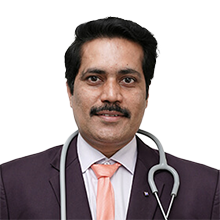
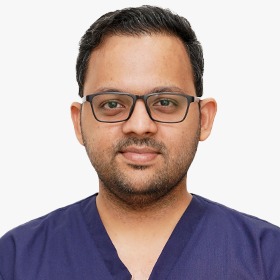
Dr. Vijaykumar C Bada

MBBS, MS, DrNB (Surgical Gastroenterology) FMAS, FAIS, FIAGES, FACRS.

Sr. Consultant Surgical Gastroenterology, HPB, Bariatric & Robotic Sciences. Clinical Director

English, Hindi, Telugu
18 Yrs
Hitec City
Dr.

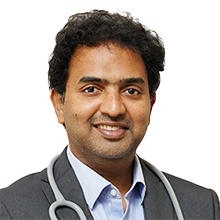
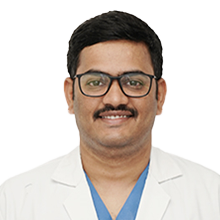
Dr. B. Jagan Mohan Reddy

MS, MCh (Surgical Gastroenterology), FIAGES

Senior Consultant Surgical Gastroenterologist & Robotic Surgeon, Advanced Laparoscopic & Metabolic Surgeon, HPB & Colorectal Surgeon

English, Telugu, Hindi
15 Yrs
Hitec City
Dr.

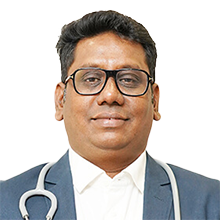
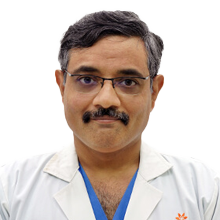
Dr. G. R. Mallikarjuna

MS, MCh (Surgical Gastroenterology), FIAGES

Senior Consultant Surgical Gastroenterologist & Robotic Surgeon, Advanced Laparoscopic & Metabolic Surgeon, HPB & Colorectal Surgeon

English, Hindi, Tamil, Telugu
16 Yrs
Hitec City
Dr.

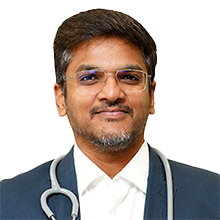
Dr. P. Siva Charan Reddy

MS, MCh (Surgical Gastroenterology), FMAS, FIAGES, FICRS

Senior Consultant Surgical Gastroenterologist & Robotic Surgeon, Advanced Laparoscopic & Metabolic Surgeon, HPB & Colorectal Surgeon

English, Hindi, Telugu
18 Yrs
Hitec City
Dr.

Dr. Venkkatesh Sreepathi

MBBS, MS (Osm), M.Ch (Surgical Gastroenterology), MMAS (HPB)

Consultant Surgical Gastroenterologist, Hepato Pancreato Biliary & Laparoscopic Surgeon

Telugu, Hindi, English & Tamil
9 Yrs
Malakpet
Dr

Dr Lalith Kumar Reddy Kanthala

MBBS(GGH, Guntur), DNB General surgery (Aster MIMS, Calicut), DrNB Surgical gastroenterology( Sir Gangaram Hospital, Delhi), Fellowship in HPB surgery & Liver Transplantation (Rela Institute, Chennai), Fellowship in advanced Laproscopic & Robotic Surgery (CSMU, Taiwan)

Senior Consultant Gastro, HPB Oncosurgery & Liver Transplantation. Advanced Laproscopic, Robotic & Bariatric Surgery

Telugu, English, Hindi, Malayalam, Tamil
11 Yrs
Malakpet
Dr.

Dr. TLVD. Prasad Babu

MS, MCh (GI Surgery)

Senior Consultant Surgical Gastroenterologist, Hepato Pancreatic Biliary, Colorectal, Bariatric & Advanced Laparoscopic Surgeon, HOD-Department of Surgical Gastroenterology

English, Hindi, Telugu
25 Yrs
Secunderabad
Dr.

Dr. P. B. Pavan Kumar

MS, DNB (Surgical Gastroenterology), FMAS

Associate Consultant Surgical Gastroenterologist

English, Hindi, Tamil, Kannada and Telugu
9 Yrs
Secunderabad
Dr

Dr Krishna Chowdary Amirineni

MBBS, DNB, FALS (HPB & Robotic), FMBS, FMAS, FIAGES.

Sr. Consultant Gastrointestinal, Laparoscopic & Robotic Surgeon

English, Hindi, Telugu, Malayalam
13 Yrs
Secunderabad
Dr

Dr Sudheer Moodadla

MS (Gen. Surg), DNB (Surg. Gastro), FMAS

Sr. Consultant Surgical Gastroenterology, Laparoscopic, HPB & Robotic Surgeon

Telugu, English, Hindi
14 Yrs
Secunderabad
Dr.

Dr. Pavan Kumar M N

MS, MCh

Sr. Consultant Surgical Gastroenterologist Minimal Access and HPB Surgery & Robotic Surgeon

English, Hindi, Telugu
26 Yrs
Somajiguda
Dr.

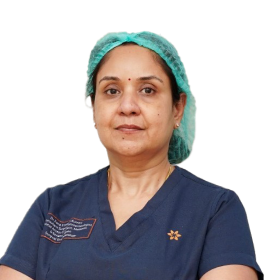
Dr. Kona Lakshmi Kumari

MS, FACS, FIAGES, FALS

Minimal Access & Robotic GI Surgeon, Metabolic and Bariatric Surgeon

English, Hindi, Telugu, Odia
27 Yrs
Somajiguda
Dr.

Dr. Moode Jayanth

MBBS, MS (General Surgery), DrNB (Gastrointestinal and Hepatobiliary-Pancreatic Surgery)

Consultant Surgical Gastroenterologist & Robotic Surgeon

English, Hindi, Telugu
8 Yrs
Somajiguda
Dr.

Dr. Y. Srimannarayana

MS(Gen Surgery), DNB (Surg Gastro), FMAS, FIAGES, FICRS (Robotic), FALS(Robotic)

Consultant Surgical Gastroenterologist, Laparoscopic and Robotic Surgeon

Telugu, English, Hindi
8 Yrs
Somajiguda

Testimonials

Discover what patients have to say about their experience with Coronary Angiography at Yashoda Hospitals.


Pallavi Jha

“I underwent Coronary Angiography at Yashoda Hospitals, and I couldn't be happier with the care I received. The medical team was highly skilled and made me feel comfortable throughout the procedure.”


Pallavi Jha 2

“I underwent Coronary Angiography at Yashoda Hospitals, and I couldn't be happier with the care I received. The medical team was highly skilled and made me feel comfortable throughout the procedure.”


Pallavi Jha 3

“I underwent Coronary Angiography at Yashoda Hospitals, and I couldn't be happier with the care I received. The medical team was highly skilled and made me feel comfortable throughout the procedure.”


Insurance Assistance for Colostomy

  • All Insurances Covered
  • Zero Hidden Charges
  • Complete Documentation Support
  • Cashless Insurance Service

Get Insurance Assistance

Free Second Opinion for Colostomy

If you have been advised to undergo thyroplasty, seeking a second opinion can help you better understand your condition and confirm whether the procedure is the most appropriate treatment option. A second opinion allows patients to review their diagnosis, explore alternative treatments, and gain clarity about the expected outcomes of the surgery.

At Yashoda Hospitals, experienced ENT specialists carefully review your medical records, voice assessment reports, and diagnostic tests to provide expert guidance. This helps patients make informed decisions about their treatment plan with greater confidence and reassurance.

Get Free Second Opinion

Why Choose Yashoda Hospitals for Colostomy?

Expertise in Gastrointestinal & Colorectal Surgery

Yashoda Hospitals has a team of highly experienced gastrointestinal and colorectal surgeons skilled in performing advanced colostomy procedures. Their expertise helps effectively manage complex bowel conditions, ensure safe stoma creation, and improve long-term patient outcomes.

Comprehensive Consultation & Evaluation

Patients undergo a detailed pre-surgical assessment, including medical history review, diagnostic imaging, and overall health evaluation. This thorough approach helps doctors determine the most suitable surgical plan based on the patient’s condition and treatment needs.

Advanced Surgical Infrastructure

The hospital is equipped with modern operating theatres, advanced diagnostic technology, and specialised surgical equipment that support precise colostomy procedures with enhanced safety and reliable surgical outcomes.

Access to Skilled Specialists

Patients benefit from coordinated care provided by a multidisciplinary team of gastrointestinal surgeons, anaesthesiologists, stoma care nurses, and experienced medical staff, ensuring safe surgery, smooth recovery, and proper post-operative stoma management.

Exploring
Advanced Diagnostics?

Seeking Clarity
on Your Surgery Options?

Take the First Step
Towards Better Health

All major insurance are accepted for
Colostomy Treatment


Our Locations

  • Malakpet Location

    Malakpet

  • Somajiguda Location

    Somajiguda

  • Secunderabad Location

    Secunderabad

  • Hitec City Location

    Hitec City

FAQ's

A Colostomy is a surgical procedure in which a part of the large intestine (colon) is brought through an opening in the abdominal wall to create a stoma. This opening allows stool to leave the body and collect in a colostomy bag instead of passing through the rectum and anus.

During colostomy surgery, the surgeon makes an incision in the abdomen and brings a portion of the colon to the surface of the skin to form a stoma. The stoma acts as a new pathway for stool to exit the body, and a colostomy pouch is attached to collect waste.

Colostomy surgery usually takes about 1 to 3 hours, depending on the patient’s condition, the complexity of the surgery, and whether it is performed as part of another procedure.

There are four main types of colostomy based on the part of the colon used to create the stoma: ascending colostomy, transverse colostomy, descending colostomy, and sigmoid colostomy.

The main purpose of a colostomy is to divert stool away from a damaged or diseased part of the colon or rectum. It helps relieve bowel obstruction, allows the intestine to heal, and supports treatment for conditions such as colorectal cancer, trauma, or severe bowel disease.

Yes, colostomy is considered a major surgical procedure because it involves creating a new opening in the abdomen and altering the normal pathway of the digestive system. However, it is a commonly performed and well-established procedure.

Yes, stool still leaves the body, but instead of passing through the rectum, it exits through the stoma and is collected in a colostomy bag attached to the abdomen.

A colostomy may be temporary or permanent, depending on the medical condition. Temporary colostomies can often be reversed once the bowel heals.

Most patients begin to recover within a few weeks after surgery. Full recovery generally takes about 4–6 weeks, although this can vary depending on the patient’s health, the type of surgery performed, and how well the body heals.

Yes, many people with a colostomy lead active and healthy lives. With proper stoma care, diet management, and guidance from healthcare professionals, patients can return to daily activities, work, and even physical exercise.
Book an appointment
in 2 minutes