



Get a Free Second Opinion


Best Paediatric Nephrology Doctors in Hyderabad
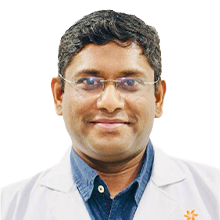
Sr. Consultant Nephrologist and Transplant Physician
Telugu, Marathi, Hindi, English
Day time OPD:
MON – SAT : 11:00 AM – 04:00 PM

Consultant Nephrologist
English, Hindi, Telugu, Kannada
Day time OPD:
MON – SAT : 9:00 AM – 4:00 PM
Expertise info not available

Dr. Rajasekara Chakravarthi Madarasu
MBBS, MD (Internal Medicine), DNB (Nephrology)Senior Consultant Nephrologist, Clinical Director & HOD of Nephrology and Transplant Services
English, Hindi, Telugu
Day time OPD:
MON – SAT : 9:00 AM – 4:00 PM
Expertise info not available
Yashoda Hospitals at HITEC City, Secunderabad, Malakpet, and Somajiguda are home to renowned pediatric nephrologists and renal transplant specialists who treat difficult kidney and urinary tract issues. A specialist team of pediatric nephrologists, urologists, transplant surgeons, and renal dietitians provides clinical accuracy and compassionate treatment for high-acuity cases ranging from acute kidney damage to congenital malformations.
The team’s innovative therapies for nephrotic syndrome, chronic kidney disease, and pediatric hypertension are very effective and long-lasting. Yashoda Hospitals is a center of expertise for pediatric renal treatment, including routine management, life-saving dialysis, and difficult kidney transplants.
Advanced Pediatric Renal Care Facilities & Technologies
Yashoda Hospitals’ world-class pediatric dialysis suites and specialist renal labs offer new therapies for difficult glomerular and tubular diseases. These therapies include 24-hour emergency renal replacement therapy and sophisticated pediatric kidney transplants, which are carried out utilizing robotic-assisted surgical platforms, high-definition imaging, and precision-guided diagnostic instruments.
Yashoda Hospitals provides excellent outcomes for young patients by combining cutting-edge technologies such as Continuous Renal Replacement Therapy (CRRT) and automated peritoneal dialysis with extensive growth-monitoring programs. Our facilities include sophisticated Micturating Cystourethrogram (MCU) imaging and specialized labs for pediatric urodynamics and ultrasound-guided kidney biopsies. This integrated care model involves multidisciplinary transplant board support and prompt medical intervention for urgent renal crises.
Why Choose Yashoda for Pediatric Nephrologists in Hyderabad?
- Comprehensive Pediatric Kidney Care: We offer skilled, tailored renal treatment to infants and newborns with glomerular, tubular, and structural urinary tract diseases.
- Advanced Renal Replacement & Dialysis: Our cutting-edge facilities use pediatric-specific CRRT & SLED technologies to treat acute renal failure in sensitive kids.
- Expertise in Complex Kidney Transplant: Our transplant surgeons execute high-precision pediatric kidney transplants using robotic assistance and customized immunosuppressive regimes.
- Specialized Diagnostic & Urodynamic Services: Our physicians use cutting-edge methods, including high-resolution renal Doppler and nuclear scans (DMSA/DTPA), to guarantee precise diagnosis and treatment strategies.
FAQ’s
What are the symptoms of kidney disease in children?
Children with kidney illness may experience exhaustion, poor appetite, vomiting, high blood pressure, stunted development, changes in urine production or color (foamy, bloody), and swelling (edema) in the hands, feet, legs, or face.
When should I take my child to see a pediatric nephrologist?
After a primary care examination, take your child to a pediatric nephrologist if they have persistent abnormal urine results, recurrent UTIs, uncontrolled hypertension, edema, poor development, or proven chronic kidney disease.
What treatments are available for urinary tract infections in children?
Depending on the cultural sensitivity, children with urinary tract infections are treated with oral or intravenous antibiotics for 7-14 days, along with pain relief and hydration.
What are the treatment options for pediatric hypertension?
Treatment for pediatric hypertension begins with lifestyle modifications (diet, exercise), which are followed by once-daily doses of drugs such as ACE inhibitors, ARBs, calcium channel blockers, or diuretics that are selected to protect the kidneys.
How is childhood nephrotic syndrome treated?
Also, diuretics for edema, ACE inhibitors for proteinuria, and occasionally immunosuppressants for relapses, corticosteroids like prednisone are the main treatment for childhood nephrotic syndrome.
What are the risks associated with kidney surgery in children?
Infection, bleeding, anesthetic responses, discomfort at the site of the incision, urine leaks, and uncommon long-term problems, including hernias or changes in kidney function, are among the risks associated with kidney surgery in children.
What is the recovery process like after kidney surgery for children?
After pediatric kidney surgery, recovery usually entails one to five hospital days, pain medication, two to four weeks of reduced activity, a gradual return to school and sports, and three to six months of routine imaging and test follow-ups.
What are the success rates for treating kidney diseases in children?
The success rate for treating kidney illnesses in children varies by condition and stage, although it is high with contemporary care: acute patients frequently recover completely, transplants reach 90-100% 1-year survival and 78-85% 5-10 year graft survival, and CKD stage 5 has 80-90% 3-year survival on dialysis or transplant.
How can I help prevent kidney problems in my child?
Encourage hydration, a well-balanced low-sodium diet rich in fruits and vegetables, regular exercise, a healthy weight, limiting processed sweets and salt, avoiding nephrotoxic medications, and frequent health exams.
What are the long-term effects of kidney disease in children?
Renal illness in children can cause long-term development delays, anemia, bone disease, cardiovascular problems, cognitive impairments, hypertension, and an increased chance of end-stage renal failure, which requires lifelong dialysis or transplantation.
What are the symptoms of congenital kidney disorders in infants?
Infants with congenital kidney problems may exhibit symptoms such as little or no urine production, abdominal swelling, high blood pressure, poor feeding/growth, vomiting, dehydration, and urinary tract infections.
When should I seek immediate care for my child’s kidney issues?
Seek emergency medical attention if your child has no urine output, extreme swelling, blood in the urine, a high temperature, lethargy, seizures, severe discomfort, or difficulty breathing.
How is chronic kidney disease managed in children?
Children with chronic kidney disease are treated with blood pressure drugs (ACE inhibitors), anemia therapy (erythropoietin), nutritional assistance, growth hormone, dialysis for severe stages, and eventually a transplant.
What follow-up care is needed after treatment for kidney conditions in children?
Regular nephrologist visits, blood/urine testing, blood pressure monitoring, ultrasounds, growth evaluations, diet/lifestyle counseling, and medication modifications to avoid relapse or progression.
What are the signs that my child may need dialysis?
Signs a child may need dialysis include very high creatinine, severe fluid overload unresponsive to diuretics, high potassium, acidosis, uremic symptoms (nausea, fatigue, itching), or GFR below 10-15 mL/min.

 Appointment
 Second Opinion
 Live Chat
 Call
Call More
More


