Select Page

Advanced
Optical Coherence Tomography (OCT) and Intravascular Ultrasound (IVUS)
Surgery in Hyderabad

Get Comprehensive Optical Coherence Tomography (OCT) and Intravascular Ultrasound (IVUS) Imaging in Hyderabad at Yashoda Hospitals

30+ Years of Expertise in Interventional Cardiology and Advanced Coronary Imaging
Advanced OCT- and IVUS-Guided Coronary Diagnostic and Interventional Procedures
Expertise in Complex Coronary Artery Disease Assessment and Stent Optimisation
24/7 Fully Equipped Cardiac Catheterisation Laboratories and Cardiac ICUs
Dedicated Post-Procedural Cardiac Care and Rehabilitation Team

What is Optical Coherence Tomography (OCT) and Intravascular Ultrasound (IVUS)?

Optical Coherence Tomography (OCT) and Intravascular Ultrasound (IVUS) are specialised imaging techniques that help cardiologists see inside the coronary arteries with much greater detail than standard angiography. These technologies are often used during angioplasty procedures when doctors need a clearer understanding of the artery’s condition before, during, or after treatment.
OCT uses light waves to produce highly detailed images of the inner layers of the blood vessel. Because of its exceptional image resolution, it can help identify plaque characteristics, small tears in the artery wall, blood clots, and the extent of stent expansion after placement.
IVUS, on the other hand, uses ultrasound waves to create cross-sectional images from inside the artery. It allows cardiologists to assess the overall size of the vessel, measure the extent of plaque build-up, and evaluate calcium deposits that may affect treatment decisions.
During the procedure, a thin imaging catheter is guided through the blood vessels to the coronary arteries. The images obtained provide valuable information that helps the cardiologist choose the most appropriate treatment approach and ensure that stents are positioned and expanded correctly.
These advanced imaging tools are particularly useful in patients with complex coronary artery disease, heavily calcified arteries, left main coronary artery disease, or cases where conventional angiography does not provide sufficient information. By offering a more accurate view of the arteries, OCT and IVUS help improve treatment precision and support better long-term outcomes

Types of Optical Coherence Tomography (OCT) and Intravascular Ultrasound (IVUS):

Both OCT and IVUS have evolved significantly over the years, with newer technologies providing faster image acquisition and greater diagnostic accuracy. Depending on the clinical requirement, cardiologists may use different forms of these imaging techniques to better understand the condition of the coronary arteries and guide treatment decisions.

Types of Optical Coherence Tomography (OCT)

  • Time-Domain OCT (TD-OCT): Time-Domain OCT was one of the earliest forms of OCT used in cardiology. It generated detailed images of blood vessels by measuring the delay of reflected light. While it played an important role in the development of intravascular imaging, its use has become limited with the introduction of more advanced systems.
  • Frequency-Domain OCT (FD-OCT): Frequency-Domain OCT, also known as Optical Frequency Domain Imaging (OFDI), is the technology most commonly used today. It captures high-resolution images much more quickly than earlier systems, allowing cardiologists to assess plaque characteristics, vessel structure, and stent placement efficiently during coronary interventions.

Types of Intravascular Ultrasound (IVUS)

  • Mechanical IVUS: Mechanical IVUS uses a small rotating ultrasound transducer positioned at the catheter tip. As the device rotates, it creates detailed cross-sectional images of the artery, helping physicians evaluate vessel dimensions and the extent of plaque build-up.
    Solid-State IVUS:
    In this system, multiple ultrasound sensors are built into the catheter rather than relying on a rotating component. This design enables rapid, reliable image acquisition while providing valuable information about the vessel wall and lesion characteristics.
  • Virtual Histology IVUS (VH-IVUS): Virtual Histology IVUS is an advanced imaging technique that analyses ultrasound data to provide insights into the composition of arterial plaque. It can help distinguish between different plaque types, including fibrous tissue, fatty deposits, and calcified areas, which may influence treatment planning.
  • Integrated Backscatter IVUS (IB-IVUS): Integrated Backscatter IVUS uses specialised software to analyse reflected ultrasound signals and provide additional information about plaque structure. This can assist cardiologists in understanding the nature of coronary blockages and selecting the most appropriate intervention strategy.

The choice of imaging technique depends on the patient’s condition and the information needed during the procedure. OCT is often selected when detailed visualisation of the inner vessel surface or stent placement is required, whereas IVUS is particularly useful for assessing larger vessels, deeper arterial structures, and heavily calcified lesions. Together, these technologies help improve the accuracy of coronary interventions and support better clinical outcomes.

Procedure Name Optical Coherence Tomography (OCT) and Intravascular Ultrasound (IVUS)
Type of Procedure Minimally invasive intravascular imaging
Type of Anaesthesia Local anesthesia
Procedure Duration 15–30 minutes / 15–45 minutes
Recovery Duration A few hours to 1 day

Specialist Doctors

At Yashoda Hospitals, OCT and IVUS procedures are performed by experienced interventional cardiologists, cardiac imaging specialists, and dedicated cardiac care professionals who work together to deliver precise diagnosis and treatment of coronary artery disease. Using advanced intravascular imaging technologies, the team helps guide complex coronary interventions, optimise stent placement, and develop personalised treatment plans, ensuring high standards of care and improved patient outcomes.

Dr. Ajit Babu Majji

MD (Ophthalmology), FRCS

Lead Consultant Vitreo - Retinal Services

English, Telugu, Hindi
37 Yrs
Hitec City

Dr. Bhanu Prakash M

MS, Fellow (Cornea), FICO, FAICO (Refractive Surgery), FRCS

Sr. Consultant Cataract Cornea and Refractive Surgeon

English, Hindi, Telugu, Kannada
17 Yrs
Hitec City

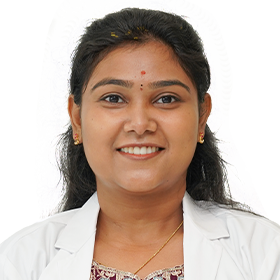
Dr. Sariki Veda Sai Maheswari

MBBS, MS, FCRS

Cataract Phaco & Lasik Surgeon
Consultant Ophthalmologist.

English, Hindi, Telugu, Marathi, Kanada
2 Yrs
Hitec City

Dr. Sujeeth Modaboyina

MBBS (Osmania), MD (AIIMS, New Delhi)

Sr. Consultant Cataract Surgeon, Pediatric/Neuro Ophthalmology Refractive Surgeon, Oculoplasty Specialist.

Telugu, Hindi, English
11 Yrs
Secunderabad

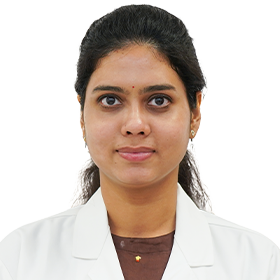
Dr. S. Nikitha

MS Ophthalmology

Medical Retina, Phaco Surgeon Consultant Ophthalmologist

English, Hindi, Telugu
4 Yrs
Secunderabad

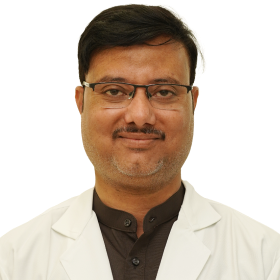
Dr. S.A. Hussain Naqvi

MS, FLVPEI

Sr. Consultant Cataract, Glaucoma and Lasik Surgeon

English, Telugu, Hindi and Urdu
19 Yrs
Somajiguda
Optical Coherence Tomography (OCT) and Intravascular Ultrasound (IVUS): Pre-Op & Post-Op Care

Pre-Operative Care

Preparation for OCT or IVUS begins with a detailed discussion between the patient and the cardiologist. Medical history, current medications, allergies, and any existing health conditions are carefully reviewed to ensure the procedure can be performed safely. Blood tests and other investigations may be ordered when necessary, particularly to assess kidney function if contrast dye is expected to be used. Patients are also given instructions regarding fasting and medication adjustments before the procedure. Any questions or concerns are addressed, and informed consent is obtained once the patient understands the purpose and process of the examination.

Intra-Operative Care

OCT and IVUS are usually performed in a cardiac catheterisation laboratory as part of a coronary angiography or angioplasty procedure. After local anaesthesia is administered, a specialised imaging catheter is carefully advanced through a blood vessel to the coronary arteries. Throughout the procedure, the healthcare team closely monitors vital signs to ensure patient safety. The images obtained provide valuable information about the artery’s structure, plaque build-up, vessel size, and, when applicable, the positioning and expansion of a coronary stent. This detailed information helps guide treatment decisions in real time.

Post-Operative Care

After the procedure, patients are observed for a short period while the medical team monitors their recovery and checks the catheter insertion site for bleeding or discomfort. Most individuals experience minimal downtime and can return to their routine activities relatively quickly, although specific recommendations may vary depending on whether additional cardiac procedures were performed. Patients are encouraged to follow prescribed medications, maintain adequate hydration, and attend follow-up appointments as advised. The findings from the OCT or IVUS study are reviewed by the cardiologist and used to plan any further treatment or long-term heart care if needed.

Benefits of Optical Coherence Tomography (OCT) and Intravascular Ultrasound (IVUS) at Yashoda Hospitals

Treating coronary artery disease often requires more information than what can be seen on a standard angiogram. OCT and IVUS allow cardiologists to look inside the coronary arteries in remarkable detail, providing a clearer understanding of the vessel structure, plaque build-up, and the extent of narrowing. This additional information can be especially valuable when planning or performing angioplasty, helping ensure that treatment decisions are based on a comprehensive assessment of the artery.

  • Offers a clearer and more detailed view of the coronary arteries than conventional angiography alone.
  • Helps determine the exact size and condition of the blood vessel before treatment.
  • Assists in identifying different types of plaque, including calcified and high-risk lesions.
  • Supports accurate stent sizing and positioning during angioplasty procedures.
  • Enables cardiologists to confirm that a stent has expanded properly after placement.
  • Helps detect issues such as stent under-expansion, malapposition, or vessel injury.
  • Provides valuable guidance when treating complex coronary artery disease.
  • Reduces uncertainty during procedures by supplying real-time information from inside the artery.
  • May lower the risk of future complications and repeat interventions.
  • Contributes to more personalised treatment planning and improved long-term outcomes.

Testimonials

Discover what patients have to say about their experience with Coronary Angiography at Yashoda Hospitals.


Pallavi Jha

“I underwent Coronary Angiography at Yashoda Hospitals, and I couldn't be happier with the care I received. The medical team was highly skilled and made me feel comfortable throughout the procedure.”


Pallavi Jha 2

“I underwent Coronary Angiography at Yashoda Hospitals, and I couldn't be happier with the care I received. The medical team was highly skilled and made me feel comfortable throughout the procedure.”


Pallavi Jha 3

“I underwent Coronary Angiography at Yashoda Hospitals, and I couldn't be happier with the care I received. The medical team was highly skilled and made me feel comfortable throughout the procedure.”


Insurance Assistance for Optical Coherence Tomography (OCT) and Intravascular Ultrasound (IVUS)

  • All Insurances Covered
  • Zero Hidden Charges
  • Complete Documentation Support
  • Cashless Insurance Service

Get Insurance Assistance

Free Second Opinion for Optical Coherence Tomography (OCT) and Intravascular Ultrasound (IVUS)

Being advised to undergo an OCT- or IVUS-guided procedure can raise questions about the diagnosis, the recommended treatment, and the expected benefits. Seeking a second opinion can help you better understand your condition and gain confidence in the decisions being made about your heart health.
At Yashoda Hospitals, our interventional cardiology experts carefully review your medical records, angiography results, and treatment recommendations before providing an independent assessment. Their insights can help clarify the need for advanced intravascular imaging, explain available treatment options, and support you in making an informed choice about your care.

Get Free Second Opinion

Why Choose Yashoda Hospitals for Optical Coherence Tomography (OCT) and Intravascular Ultrasound (IVUS)?

Expertise in Advanced Coronary Imaging & Interventional Cardiology

Yashoda Hospitals has a team of experienced interventional cardiologists and cardiac imaging specialists with extensive expertise in OCT and IVUS-guided coronary procedures. Their proficiency in advanced intravascular imaging helps accurately assess coronary artery disease, optimise treatment strategies, and improve procedural outcomes for patients with complex cardiovascular conditions.

Comprehensive Consultation & Evaluation

Every patient undergoes a detailed clinical evaluation that may include a review of medical history, physical examination, electrocardiography (ECG), echocardiography, coronary angiography, and other relevant investigations. This comprehensive assessment enables specialists to determine the need for OCT or IVUS and develop an individualised treatment plan based on each patient's condition.

Advanced Cardiac Infrastructure & Imaging Technology

Yashoda Hospitals is equipped with state-of-the-art cardiac catheterisation laboratories and advanced intravascular imaging systems that support high-resolution OCT and IVUS imaging. These technologies provide real-time visualisation of coronary arteries, helping physicians make precise decisions during diagnostic and interventional procedures.

Access to Skilled Multidisciplinary Specialists

Patients benefit from the collaborative expertise of interventional cardiologists, cardiac imaging experts, cardiac surgeons, anaesthesiologists, critical care physicians, and specialised cardiac nursing teams. This coordinated approach ensures seamless care throughout diagnosis, treatment, recovery, and long-term cardiac follow-up, helping patients achieve the best possible cardiovascular outcomes.

Exploring
Advanced Diagnostics?

Seeking Clarity
on Your Surgery Options?

Take the First Step
Towards Better Health

All major insurance are accepted for
Optical Coherence Tomography (OCT) and Intravascular Ultrasound (IVUS) Treatment


Our Locations

  • Malakpet Location

    Malakpet

  • Somajiguda Location

    Somajiguda

  • Secunderabad Location

    Secunderabad

  • Hitec City Location

    Hitec City

FAQ's

OCT and IVUS are specialised imaging tools that allow cardiologists to examine the inside of coronary arteries in greater detail. They are often used to evaluate blockages, understand plaque build-up, and guide treatment during coronary procedures.

An angiogram shows how blood flows through the arteries, while OCT and IVUS provide detailed images from inside the vessel itself. This additional information can help doctors better understand the nature and extent of the blockage.

Most patients remain awake throughout the procedure. Local anaesthesia is used at the catheter insertion site, and mild sedation may be given if required.

Your cardiologist may recommend these imaging techniques when a closer assessment of the artery is needed, particularly in complex cases or when planning stent placement.

The procedure is generally well tolerated. Patients may feel slight pressure at the catheter insertion site, but significant pain is uncommon.

The imaging process itself usually takes only a few minutes. However, the total procedure time depends on whether it is being performed as part of a coronary angiography or angioplasty.

Complications are uncommon, but as with any catheter-based procedure, there is a small risk of bleeding, infection, or damage to the blood vessel. Your doctor will explain any potential risks before the procedure.

Yes. The detailed images provided by OCT and IVUS help cardiologists select the appropriate stent size, ensure proper stent expansion, and make more informed treatment decisions.

Many patients resume their usual activities within a day, although recovery recommendations may vary depending on any additional treatment performed during the procedure.

These techniques are particularly useful for patients with complex coronary artery disease, calcified lesions, left main coronary artery disease, or situations where conventional imaging does not provide enough information.
Book an appointment
in 2 minutes