

What is Moyamoya Disease?
Moyamoya disease is a rare, progressive disease in which the major arteries supplying blood to the brain, particularly the internal carotid arteries and their main branches, gradually become narrowed or blocked. As blood flow decreases, the brain attempts to compensate by forming a network of tiny, fragile collateral blood vessels at the base of the brain. On cerebral angiography, these abnormal vessels appear like a hazy “puff of smoke,” a finding that gives the disease its name, derived from the Japanese term “moya moya”. This reduced and abnormal blood supply significantly increases the risk of ischemic strokes, transient ischemic attacks (TIAs), and brain haemorrhages.
The disease can affect both children and adults, but the clinical presentation often differs by age. Children commonly experience recurrent strokes, weakness of limbs, seizures, or developmental delays, while adults are more likely to present with brain hemorrhage (bleeding in the brain), headaches, and cognitive impairment.
Moyamoya disease may occur in association with other medical conditions such as genetic or blood disorders (secondary moyamoya syndrome). As the condition is progressive, early diagnosis and appropriate management are crucial to prevent permanent brain damage and to preserve long-term neurological function.
How is Moyamoya Disease Diagnosed?
Moyamoya disease is diagnosed based on the clinical symptoms and a set of investigations. An MRI scan of the brain is performed to identify the strokes, the parts of the brain affected, and the extent of damage sustained. A definitive diagnosis of Moyamoya disease is made using Digital Subtraction Angiogram (DSA) to study the blood vessels of the brain.
The DSA helps to confirm the diagnosis by demonstrating the narrowing of the blood vessels. It also provides information about natural collateral blood vessels that have formed to improve the blood supply of the brain. In addition, it guides the neurosurgeon to identify the blood vessels that can be used for bypass surgery. Advanced MRI studies such as ASL MR Perfusion help delineate the regions of the brain that have decreased blood supply that have to be addressed with surgical revascularisation.
What is the Treatment for Moyamoya Disease?
Precautions
Episodes of dehydration or low blood pressure precipitate strokes. Hyperventilation (deep breathing) also results in stroke. Patients diagnosed with Moyamoya disease are advised to remain well hydrated at all times. Exertion causing sweating (dehydration) and hyperventilation should be avoided. Swimming and eating spicy foods should be avoided particularly in children. In case the patient develops fever or any other medical condition, admission in a hospital and intravenous administration of fluids is advised if oral fluid intake is low. Adequate hydration prevents strokes.
However, the definitive treatment for Moyamoya disease is surgery, designed to restore adequate blood flow to the brain, prevent recurrent strokes, and preserve neurological function. As the disease is progressive, treatment is tailored to the patient’s age, symptoms, and extent of vessel narrowing.
Treatment
Moyamoya disease treatment is aimed at preventing strokes, improving cerebral blood flow, and preserving long-term brain function. As the disease is progressive and cannot be cured with medications, surgery is the only option. The treatment is individualized, based on age, symptoms, and disease severity.
The definitive treatment for Moyamoya disease is surgery, which improves blood flow by creating new pathways for blood to reach the brain. This is achieved through revascularization procedures, including direct bypass, indirect bypass, or combined bypass techniques. These surgeries significantly reduce the risk of recurrent strokes and brain hemorrhage and are associated with improved neurological outcomes, especially when performed early. Medical management has only a supportive role. Long-term follow-up, rehabilitation when needed, and lifestyle modifications are important components of comprehensive care.
Brain Bypass Surgery / Surgical Revascularization
Surgical intervention is the most effective and definitive treatment for Moyamoya disease. The goal of surgery is to improve cerebral blood flow by creating new pathways for blood to reach oxygen-deprived areas of the brain.
- Direct Bypass Surgery: In this method, a healthy scalp artery is directly connected to a brain artery, allowing immediate restoration of blood flow. This technique provides rapid improvement in cerebral circulation. The procedure is always combined with indirect revascularisation surgery described below.
- Indirect Bypass Surgery: Indirect procedures involve placing blood-rich tissues near the brain surface to stimulate the growth of new blood vessels over time. These techniques are used in select situations and very young children.
Post-Treatment and Long-Term Management
After surgery, adequate hydration is maintained. Patients are advised to maintain adequate oral hydration after discharge as they are still vulnerable to strokes. Patients require regular follow-up with imaging studies such as MRI, MR-Angiogram, or cerebral angiography to assess blood flow and bypass function. Rehabilitation therapies may be needed for patients who have experienced strokes.
| Procedure Name | Moyamoya disease treatment |
|---|---|
| Type of Surgery | Brain bypass surgery (Cerebrovascular revascularization surgery) |
| Type of Anesthesia | General anesthesia |
| Procedure Duration | Approximately 3 to 6 hours (varies based on surgical technique) |
| Procedure Details | Surgical creation of new blood flow pathways to the brain using direct bypass, indirect bypass, or combined revascularization techniques to bypass narrowed or blocked arteries |
Moyamoya disease treatment: Pre-Op & Post-Op Care
Before Moyamoya disease revascularization surgery, a thorough evaluation is carried out to assess the severity of arterial narrowing and overall brain blood flow. This includes detailed neurological examination and advanced imaging such as MRI, MRA, CT scan, and cerebral angiography, which help in surgical planning and deciding the most suitable bypass technique (direct, indirect, or combined). Blood tests, cardiac evaluation, and anesthesia assessment are also performed to ensure the patient is fit for surgery. Patients may be advised to continue or adjust medications, and clear instructions regarding fasting and medication use are given before admission.
Intra-operative Procedures
The surgery is performed under general anesthesia by an experienced cerebrovascular neurosurgical team. During the procedure, the surgeon creates new pathways for blood to reach the brain by connecting healthy scalp arteries to brain arteries (direct bypass) and/or placing vascularized tissues over the brain surface to promote new vessel formation (indirect bypass). Both techniques are combined for optimal results. Continuous monitoring of brain function, blood flow, and vital parameters is maintained throughout the procedure to ensure precision, safety, and adequate cerebral perfusion.
Post-operative Procedures
After surgery, the patient is closely monitored in the intensive care unit (ICU) for early detection of complications such as stroke, bleeding, or blood pressure fluctuations. Pain control, hydration, and careful blood pressure management are essential during this phase.
Follow-up imaging may be done to confirm improved blood flow through the bypass. Gradually, patients resume normal activities with guidance from the medical team. Long-term care includes regular neurological follow-ups, imaging studies, rehabilitation if needed, and continued medications to maintain optimal brain circulation and prevent future strokes.
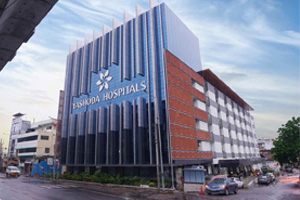
Benefits of Moyamoya disease treatment at Yashoda Hospitals
- Highly experienced team of Neurosurgeons, Anaesthetists, and Critical Care Medicine specialists
- Reduces the risk of recurrent strokes and TIAs
- Improves blood flow and oxygen supply to the brain
- Prevents brain hemorrhage caused by fragile collateral vessels
- Stabilizes or improves neurological function
- Helps prevent disease progression
- Enhances cognitive function and brain development in children
- Reduces headaches, seizures, and neurological symptoms
- Improves long-term quality of life and functional independence










 Appointment
 Second Opinion
 Live Chat
 Call
Call More
More