

What is Laser Wart Removal
Laser wart and skin tag removal is a modern, minimally invasive procedure that uses focused laser energy to gently target and remove unwanted skin growths without damaging surrounding tissue. The laser heats and breaks down the lesion with high precision, making it ideal for delicate areas like the face, eyelids, neck, and underarms. The treatment is quick, requires no stitches, and is usually performed in an outpatient setting, with most patients feeling only mild warmth or tingling as the laser seals tiny blood vessels to minimise bleeding and discomfort. After the procedure, a small scab forms and typically heals within a few days, resulting in smoother, clearer skin. This method is often preferred due to its accuracy, rapid recovery, minimal scarring, and reliable results, particularly for stubborn or multiple warts that have not responded to other treatments.
How Does Laser Wart Removal work?
Laser wart and skin tag removal uses a focused beam of light to precisely target and eliminate unwanted skin growths while protecting the surrounding healthy tissue. During the procedure, the dermatologist directs the laser onto the lesion, where the energy is absorbed and converted into heat, breaking down the tissue and sealing tiny blood vessels to minimise bleeding. In warts, the laser disrupts the blood supply and destroys virus-infected tissue, allowing the body to shed it naturally, while in skin tags, the laser cuts and seals the base so the tag dries up and falls off. Most patients feel only mild warmth or tingling, and a small scab may form that typically heals within a week, leaving the skin smooth and clear. Thanks to its precision, the laser reduces the risk of scarring and is especially useful for delicate areas like the face, neck, eyelids, underarms, and groin. Overall, it provides a clean, efficient, and comfortable method for removing warts and skin tags with quick recovery and excellent cosmetic results.
Types of Laser Wart Removal?
Laser technologies used for removing warts and skin tags vary based on the depth of the lesion, location, skin type, and desired cosmetic outcome. Each laser works differently, but all aim to precisely target the unwanted tissue while preserving the surrounding skin.
- CO₂ (Carbon Dioxide) Laser
- One of the most commonly used lasers for wart and skin tag removal.
- Vaporises the growth layer by layer with great precision.
- Ideal for thick, stubborn, or large warts.
- Offers excellent control, minimal bleeding, and smooth healing.
- Er:YAG (Erbium:YAG) Laser
- Provides extremely fine, controlled removal of superficial lesions.
- Causes less heat damage compared to CO₂, making it suitable for facial areas and sensitive skin.
- Often chosen when minimal downtime and reduced risk of pigmentation changes are priorities.
- Pulsed Dye Laser (PDL)
- Targets the blood vessels feeding the wart, helping destroy the wart tissue from within.
- Effective for vascular warts, stubborn plantar warts, and recurrent lesions.
- Causes minimal surface damage and is well tolerated.
- Nd:YAG Laser
- Penetrates deeper into the skin and heats the wart from the inside out.
- Useful for plantar warts, deep warts, and lesions resistant to other treatments.
- Often preferred for its strong effectiveness and low recurrence rates.
- Diode Laser
- Offers controlled heating of tissue with minimal discomfort.
- Commonly used for small skin tags and superficial warts.
- Provides quick, clean removal with low downtime.
When Should You Consider Laser wart/skin tag removal?
Laser removal is often recommended when warts or skin tags become uncomfortable, affect appearance, or create uncertainty about their nature. Many people also choose laser treatment when lesions are persistent, difficult to reach, or when a cosmetic, low-scarring solution is preferred. Because the laser targets the growth with exceptional accuracy, it is an excellent option for delicate areas and for lesions that have not responded to other treatments.
- Physical Discomfort or Irritation: If the wart or skin tag rubs against clothing, jewellery, or skin folds, it may cause pain, bleeding, or repeated irritation. In such cases, removal can prevent further discomfort.
- Cosmetic Concerns: Growths on visible areas such as the face, neck, hands, or underarms can affect confidence or draw unwanted attention. Laser treatment offers a clean, refined cosmetic outcome.
- Persistent or Recurrent Warts: Some warts do not respond to home therapies like salicylic acid or freezing. Laser removal is often chosen for large, multiple, or stubborn warts that continue returning.
- Uncertainty About the Growth of wart/skin tag: If there is any doubt about whether the lesion is a wart, a skin tag, or something more serious, a dermatologist should examine it. Changes in size, colour, or texture may require medical evaluation or even a biopsy.
- Hard-to-Reach or Sensitive Areas: Lesions near the eyelids, genitals, or other sensitive regions should not be treated at home. Laser removal provides a safe, controlled method in these delicate areas.
| Procedure Name | Laser Wart Removal |
|---|---|
| Type of Procedure | Minimally invasive laser-based removal with precise tissue targeting |
| Type of Anaesthesia | Topical numbing cream; local anaesthesia for larger or sensitive lesions |
| Procedure Duration | Approximately 10–20 minutes, depending on the number/size of lesions |
| Recovery Duration | Light activities immediately; surface healing in 3–7 days |
Laser Wart Removal: Pre-Op & Post-Op Care
The treatment follows structured pre-operative, intra-operative, and post-operative steps to ensure effective removal, quick healing, and optimal cosmetic results.
Before the Treatment
- Clinical Evaluation: A dermatologist examines the lesion to confirm whether it is a wart, skin tag, or another type of growth.
- Medical History Review: Assessment of skin type, medications, bleeding tendencies, and past treatments.
- Photographs (if needed): For documentation and treatment planning.
- Anaesthesia Planning: Decision on topical numbing cream or local anaesthesia based on the lesion’s size and location
Pre-Procedure Instructions:
- Avoid applying makeup or irritants to the area.
- Do not attempt home removal before the session.
- Stop blood-thinning products if advised by the doctor.
During the Treatment
- Skin Cleansing: The treatment area is cleaned and prepared under sterile conditions.
- Application of Anaesthesia: Numbing cream or local anaesthesia is applied for comfort.
- Laser Targeting: The dermatologist directs a focused laser beam onto the wart or skin tag. The laser destroys or vaporises the lesion while sealing tiny blood vessels.
- Precision Removal: Only the unwanted tissue is targeted, protecting the surrounding skin.
- Immediate Dressing: A protective ointment or small bandage may be applied.
After the Laser Wart Removal
- Wound Care Instructions: Keep the area clean and dry for 24–48 hours. Apply the prescribed ointment to support healing. Avoid picking or scratching the treated area.
- Activity Guidelines: Resume daily activities immediately. Avoid excessive sun exposure until the skin heals.
- Healing Expectations: Mild redness or scabbing may appear and usually resolves in 3–7 days. Skin gradually becomes smoother as it heals.
- Follow-Up: A review visit may be scheduled to check healing or treat additional lesions if needed.
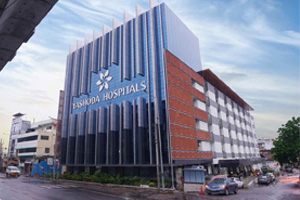
Benefits of Laser Wart Removal at Yashoda Hospitals
- Specialist Dermatology Expertise
Procedures are performed by experienced dermatologists and trained laser professionals who ensure safe and precise removal of all types of warts and skin tags. - Advanced Medical-Grade Laser Systems
Yashoda Hospitals uses high-precision lasers designed to target only the unwanted tissue, reducing heat damage and improving cosmetic outcomes. - Minimally Invasive with Minimal Discomfort
Laser treatment involves no cutting or stitches. Most patients experience only mild warmth or tingling during the procedure. - Excellent Cosmetic Results
The laser seals tiny blood vessels as it removes the lesion, helping the skin heal with little to no scarring, ideal for the face, neck, and visible areas. - Quick Procedure & Fast Recovery
Most sessions take less than 20 minutes, and patients can return to normal activities immediately after the treatment. - Safe for Sensitive & Hard-to-Reach Areas
The precision of laser technology makes it suitable for delicate sites such as eyelids, underarms, groin, and fingers.


















 Appointment
 Second Opinion
 Live Chat
 Call
Call More
More