


What is Laser Scar Removal (Acne/Injury)?
Laser scar revision is a dermatological treatment that helps improve the look and feel of scars from acne, injuries, burns, or surgery by using focused laser energy to gently remove damaged skin and stimulate new collagen growth. The laser targets scar tissue while protecting the surrounding skin, allowing the area to heal with a smoother, more even texture. Because it is minimally invasive and requires only a short recovery period, the procedure is a popular choice for people wanting noticeable improvement without significant downtime. Different types of scars—such as ice-pick, boxcar, rolling, or trauma-related scars may need multiple sessions for the best results, and changes become more visible as the skin naturally renews over several weeks. With proper aftercare and personalized skin guidance, laser scar revision offers a safe and effective way to achieve clearer, healthier-looking skin over time.
How does Laser Scar Revision Work?
Laser scar revision works by directing controlled laser energy into the skin to soften scar tissue, boost collagen production, and support natural skin repair. The laser creates tiny, precise micro-injuries within the scar while sparing the healthy surrounding skin, prompting the body to produce new collagen and elastin. As the skin heals, it becomes smoother, more even in tone, and less visibly scarred. Depending on the type of scar, dermatologists may use fractional lasers to target deeper layers or ablative lasers to gently remove damaged surface skin for more noticeable improvement. Before treatment, the scar is carefully evaluated, the skin is cleansed, and numbing cream may be applied for comfort. During the procedure, controlled laser pulses are delivered to remodel the skin, followed by cooling or soothing care to reduce redness. Patients are given personalized aftercare instructions to support healing, and mild swelling or redness typically settles within a few days. Multiple sessions spaced several weeks apart may be recommended for older or deeper scars, leading to gradual, long-lasting enhancement in skin texture and overall appearance.
Types of Laser Scar Removal
- Fractional Laser Resurfacing: This is one of the most commonly used methods for acne and injury scars. Fractional lasers create thousands of tiny micro-columns in the skin, treating damaged areas while leaving surrounding tissue intact. This speeds up healing and stimulates new collagen formation. Fractional lasers are effective for improving texture, reducing scar depth, and evening out skin tone.
- Ablative Laser Resurfacing (CO₂ or Er: YAG Lasers): Ablative lasers remove the outer layers of damaged skin to promote the growth of fresh, healthier skin. They are highly effective for deeper scars, rough texture, and severe acne scarring. Although recovery is slightly longer than non-ablative options, results are usually more dramatic and long-lasting.
- Non-Ablative Laser Treatment: These lasers heat the deeper layers of the skin without removing the surface. They stimulate collagen production and improve scar appearance gradually with minimal downtime. Non-ablative lasers are suitable for mild to moderate acne scars and are ideal for patients seeking a gentler option.
- Q-Switched or Picosecond Lasers: These lasers target pigmentation within scars, making them useful for dark marks, post-inflammatory hyperpigmentation, and injury scars that have uneven colour. They work by breaking down excess pigment and encouraging a more uniform skin tone.
- Combined Laser Therapy: For complex or mixed-type scars, dermatologists often use more than one laser technique in a staged approach. Combining fractional, ablative, and pigment-targeting lasers can deliver more comprehensive improvement in texture, colour, and depth.
When Should You Consider Laser Scar Revision?
You may consider laser scar revision if you have acne scars or injury-related scars that do not improve with regular skincare or topical treatments. It is especially recommended when scars affect your skin’s texture, create visible depressions or raised areas, or cause uneven pigmentation. Individuals who experience low confidence or discomfort due to noticeable scars may also benefit from this treatment, as laser therapy can significantly smooth and refine the appearance of skin.
Laser scar revision is suitable for people with stable scars—those that have fully healed and are no longer inflamed. It is also a good option if you are seeking a minimally invasive treatment with little downtime. Candidates should be in good overall skin health, free from active acne, infections, or uncontrolled skin conditions. If you want long-term improvement in texture, reduced scar depth, and clearer, more even-toned skin, laser scar revision can be an effective choice under the guidance of an experienced dermatologist.
| Procedure Name | Laser Scar Removal |
|---|---|
| Type of Procedure | Minimally invasive, laser-guided skin resurfacing and scar remodelling |
| Type of Anesthesia | Topical numbing cream or local anesthesia (depending on depth and laser type) |
| Procedure Duration | Typically, 20 minutes to 1 hour per session |
| Recovery Duration | Light activities immediately or within 1 day; full healing in 5–7 days, depending on laser type |
Laser Scar Removal: Pre-Op & Post-Op Care
Laser scar revision for acne or injury scars is a carefully planned treatment designed to improve skin texture and appearance safely. The procedure follows structured pre-operative, intra-operative, and post-operative steps to ensure effective results and smooth healing.
Before Laser Scar Removal
- Detailed Skin Assessment: The dermatologist evaluates the scar type, depth, skin tone, and overall skin health to decide the most suitable laser technique.
- Medical & Skin History Review: Any allergies, medications, past treatments, or active skin conditions are reviewed to ensure safety.
- Pre-Treatment Skin Preparation: Patients may be advised to avoid sun exposure, retinoids, exfoliants, or harsh skincare products for a few days prior.
- Patch Testing (If Needed): For sensitive skin or deeper lasers, a small test area may be treated to observe response.
- Consent & Expectations: The dermatologist explains the procedure, expected outcomes, number of sessions required, and possible side effects.
Intra-Operative Procedure
- Cleansing and Disinfection: The targeted area is thoroughly cleansed to ensure the laser penetrates uniformly.
- Application of Topical Anesthetic: A numbing cream or local anesthesia is applied to minimize discomfort during the session.
- Laser Delivery: The dermatologist uses a controlled laser handpiece to treat the scar. Depending on the laser type, the device may create microchannels or resurface the upper skin layers.
- Cooling and Comfort Measures: Cooling air, gel, or a soothing device may be used throughout the procedure to protect the skin and enhance comfort.
- Monitoring and Adjustment: Energy levels and pulse patterns are adjusted based on skin response to ensure safe and effective treatment.
After Laser Scar Removal
- Immediate Soothing Care: Cooling packs, hydrating gels, or anti-inflammatory creams are applied to reduce redness and calm the skin.
- Post-Treatment Instructions: Patients are advised on gentle cleansing, moisturizing, sun protection, and avoiding makeup or harsh products for a few days.
- Expected Healing Timeline: Mild redness, swelling, or flaking may occur and typically settle within 3–7 days, depending on laser depth.
- Follow-Up & Next Session Planning: The dermatologist assesses healing progress and schedules additional sessions if required for deeper or long-standing scars.
- Long-Term Skin Care Guidance: Recommendations for sunscreen, hydration, and maintenance treatments may be provided to enhance and preserve results.
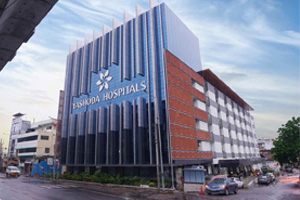
Benefits of Laser Scar Removal at Yashoda Hospitals
Laser scar revision at Yashoda Hospitals offers advanced, safe, and effective treatment options to improve the appearance of acne and injury-related scars.
- Expert dermatologists trained in advanced laser scar correction
- USFDA-approved laser technology for precise and safe results
- Customized treatment plans are tailored to each scar type and skin tone.
- Noticeable improvement in the texture, depth, and pigmentation of scars
- Stimulates natural collagen production for smoother, healthier skin
- Minimal discomfort and quick return to daily activities
- Comprehensive pre- and post-treatment care for enhanced outcomes















 Appointment
 Second Opinion
 Live Chat
 Call
Call More
More