Select Page

Advanced
Uterus Transplant
Surgery in Hyderabad

Yashoda Hospitals provides advanced and reliable Uterus Transplant Surgery, focusing on restoring reproductive potential, enabling successful pregnancy, and ensuring safe, comprehensive care for women with uterine factor infertility.

  • Experienced Multidisciplinary Transplant Team
  • Advanced Uterine Transplant Techniques
  • High Safety Standards
  • Personalised Treatment Care
  • Complete Care Support

Uterus Transplant Summary

Uterus transplant surgery is a highly specialised and complex procedure performed to treat uterine factor infertility, a condition where a woman is unable to carry a pregnancy due to the absence or dysfunction of the uterus. It is recommended for women who are born without a uterus, have undergone a hysterectomy, or have severe uterine damage, especially when other options like surrogacy are not preferred. The procedure involves transplanting a healthy uterus from a living or deceased donor into the recipient, restoring the ability to carry a pregnancy and offering the possibility of childbirth through IVF.
The surgery is performed under general anaesthesia and may take several hours, depending on the complexity of the transplant and vascular connections. After successful transplantation, patients require careful monitoring and immunosuppressive therapy to prevent organ rejection. Recovery involves gradual healing over a few weeks, but full stabilization of the uterus may take several months before attempting pregnancy. Uterus transplant surgery, when performed by experienced specialists, offers a promising solution for selected patients, improving reproductive potential and overall quality of life.

What is Uterus Transplant Surgery?

Uterus transplant surgery, also known as uterine transplantation, is a highly specialized procedure in which a healthy uterus from a donor is surgically transplanted into a woman who does not have a functional uterus. It is primarily used to treat uterine factor infertility, a condition where a woman cannot carry a pregnancy due to congenital absence of the uterus, prior hysterectomy, or severe uterine damage. This advanced procedure offers women the possibility of experiencing pregnancy and childbirth.
After the transplant, the uterus is carefully connected to blood vessels and supporting structures through complex microsurgery. Once the organ is stable and functioning properly, pregnancy is achieved through in vitro fertilization (IVF), as natural conception is not possible. In most cases, the transplanted uterus is temporary and may be removed after one or two successful pregnancies to avoid long-term use of immunosuppressive medications.

Types of Uterus Transplant Surgery :

Uterus transplant surgery can be classified based on the type of donor and the surgical approach used. Each type is selected depending on the patient’s condition, donor availability, and medical expertise.

  • Living Donor Uterus Transplant
    In this approach, the uterus is donated by a living woman, usually a close family member or a voluntary donor. This method allows doctors to carefully plan the procedure in advance, perform extensive compatibility testing, and ensure the donor organ is healthy. The transplantation process is often more controlled, which can improve outcomes. However, it is a complex situation because it involves two major surgeries—one for the donor and one for the recipient—making donor safety a critical priority.
  • Deceased Donor Uterus Transplant: This type involves retrieving the uterus from a brain-dead donor who has consented to organ donation. It eliminates the need to operate on a healthy donor, making it ethically favorable in many cases. Additionally, it expands the pool of available organs. However, the procedure must be performed within a limited time frame after organ retrieval, and there may be less opportunity for detailed pre-planning compared to living donor transplants.
  • Open Uterus Transplant Surgery: Open surgery is the conventional method in which surgeons make a larger incision in the abdomen to access and transplant the uterus. This technique provides direct visibility and greater control during the delicate process of connecting blood vessels and supporting tissues. While it is highly reliable and widely practiced, it typically involves longer hospital stays, increased post-operative discomfort, and a slower recovery period.
  • Minimally Invasive or Robotic-Assisted Uterus Transplant: With advancements in surgical technology, minimally invasive techniques such as laparoscopy and robotic-assisted surgery are increasingly being used, particularly for donor procedures. These techniques involve smaller incisions, enhanced precision with robotic instruments, and improved visualization with high-definition cameras. As a result, patients often experience less blood loss, reduced pain, minimal scarring, and faster recovery. However, these procedures require specialized expertise and advanced infrastructure.
    Each type is carefully chosen based on individual patient needs, ensuring the best possible outcomes in terms of safety, transplant success, and future pregnancy.
Procedure Name Uterus Transplant
Type of Surgery Transplant surgery to replace a non-functional uterus
Anesthesia General anesthesia
Duration 8–12 hours
Recovery 4–6 weeks (full recovery 6–12 months)
Uterus Transplant: Pre-Op & Post-Op Care

Uterus transplant surgery is a highly advanced and carefully coordinated procedure that depends on thorough preparation, meticulous surgical technique, and long-term follow-up care. Each phase before, during, and after surgery plays a critical role in ensuring transplant success and the possibility of achieving a healthy pregnancy.

Pre-operative Care

The preparation phase is extensive and involves both physical and psychological assessment of the recipient. Detailed medical evaluations are conducted, including blood tests, imaging (such as MRI or ultrasound), and screening for infections or underlying health conditions. Fertility planning is a key component, and in most cases, embryos are created through IVF and frozen before the transplant for future use. Donor evaluation is equally important, involving compatibility testing, organ health assessment, and ethical considerations. Patients also receive counseling to understand the risks, benefits, long-term commitments (such as immunosuppressive therapy), and emotional aspects of the procedure. Lifestyle optimization, including improvements in nutrition and overall health, is encouraged before surgery.

Intra-operative Care

During the operation, which can take several hours, a multidisciplinary surgical team performs the transplant with extreme precision. The donor uterus is carefully positioned in the recipient’s pelvis, and surgeons connect the major blood vessels (arteries and veins) to establish proper blood flow. Supporting ligaments and the vaginal canal are also attached to restore anatomical continuity. Continuous monitoring of blood circulation to the transplanted uterus is crucial throughout the procedure to ensure organ viability. Advanced surgical tools and techniques, including microsurgery, are used to minimize complications and enhance accuracy.

Post-operative Care

After surgery, the patient is closely monitored in a specialized care unit. The primary focus is to ensure that the transplanted uterus is functioning well and that there are no signs of rejection or infection. Immunosuppressive medications are started immediately and carefully adjusted over time to protect the transplanted organ. Regular follow-up visits include imaging studies, laboratory tests, and sometimes tissue biopsies to assess uterine health. Recovery also involves gradual physical rehabilitation and emotional support. Once the uterus is stable, typically after several months, IVF is performed to achieve pregnancy, followed by high-risk pregnancy monitoring to ensure the safety of both mother and baby. In many cases, the transplanted uterus may be removed after successful childbirth to avoid long-term medication risks.
Overall, successful uterus transplantation requires not only surgical expertise but also long-term multidisciplinary care, making each stage of treatment equally important for achieving positive outcomes.


Benefits of Uterus Transplant at Yashoda Hospitals

Uterus transplant surgery offers a groundbreaking solution for women with uterine factor infertility, providing both medical and emotional advantages by enabling the possibility of pregnancy and childbirth.

  • Enables Pregnancy: Allows women without a uterus to carry and deliver a baby
  • Restores Fertility Potential: Supports biological motherhood through IVF
  • Emotional Well-being: Improves confidence and psychological satisfaction
  • Alternative to Surrogacy: Offers a natural pregnancy experience
  • Temporary Solution: The uterus can be removed after childbirth to avoid long-term medication
  • Advanced Fertility Option: Expands possibilities in modern reproductive medicine

Specialist Doctors

Dr.

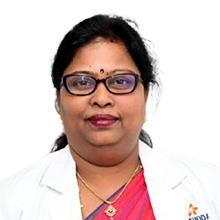
Dr. Anitha Kunnaiah

MBBS, DGO, DNB, DRM (Germany)

Senior Consultant Obstetrician & Gynaecologist, Laparoscopic & Robotic Surgeon, and Infertility Specialist

English, Hindi, Telugu, Kannada
19 Yrs
Hitec City
Dr.

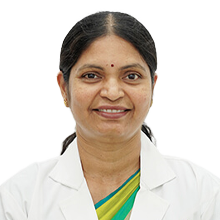
Dr. Krishnaveni Nayini

MBBS, DGO, DFFP, MRCOG (UK), FRCOG, CCT (UK),Laparoscopic & Robotic Surgeon Fellowship in Reprodoctive Medicine(UK)

Sr. Consultant Obstetrician & Gynaecologist

English, Telugu, Hindi, Kannada
25 Yrs
Hitec City
Dr.

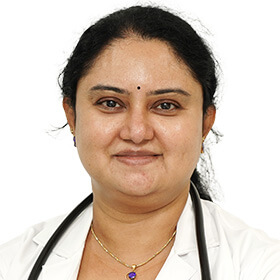
Dr. Radhika Reddy Y.

MBBS, DNB, MNAMS, MRCOG (UK), FICOG

Sr. Consultant Obstetrician & Gynaecologist Laparoscopic & Robotic Surgeon

Telugu, English, Hindi, Kannada
23 Yrs
Hitec City
Dr.

Dr. P. Usha Rani

MBBS, MD, DGO (OBG)

Honorary/Part Time Consultant Obstetrician & Gynaecologist

English, Hindi, Telugu, Urdu, Persian
42 Yrs
Secunderabad
Dr.

Dr. Bagyalakshmi A.D.S

MD (OBG)

HOD, Obstetrician - Gynaecologist, Laparoscopic & Robotic Surgeon

English, Hindi, Telugu, Tamil, Kannada, Malayalam, French
33 Yrs
Secunderabad
Dr.

Dr. Jamuna Devi Gudidevuni

DGO, FICOG

Honorary/Part Time Consultant Gynaecologist

English, Hindi, Telugu
40 Yrs
Secunderabad
Dr.

Dr. Karthika Reddy Byreddy

MBBS, MS, FMAS(OBG)

Sr. Consultant Obstetrician, Gynaecologist, Laparoscopic & Robotic Surgeon

Telugu, English, Hindi
15 Yrs
Secunderabad
Dr.

Dr. Anusha Rao P

MBBS, MS, FMAS, MRCOG (UK)

Sr. Consultant Obstetrician, Gynecologist, Laparoscopic & Robotic Surgeon

English, Hindi, Telugu
15 Yrs
Secunderabad
Dr.

Dr. Madhavi Reddy Vennapusa

DGO, DNB, MRCOG (UK), FMAS

Sr. Consultant Obstetrician and Gynaecologist

English, Hindi, Telugu
19 Yrs
Secunderabad
Dr.G.Nikila

Dr.G.Nikila Reddy

MBBS, MS, OBG Fellowship in Infertility & Laparoscopic Surgery

Consultant Obstetrician & Gynaecologist

English,Telugu,Hindi
11 Yrs
Secunderabad
Dr.

Dr. S. Shantha Kumari

MD, DNB, FICOG, FRCP (Ireland), FRCOG (UK)

Consultant Obstetrician, Gynaecologist & Laparoscopic Surgeon

English, Hindi, Telugu, Tamil, Kannada
27 Yrs
Somajiguda
Dr.

Dr. Sarada M

DGO, DNB (Obs & Gyn), FRCOG (UK)

Sr. Consultant Obstetrician & Gynecologist, Laparoscopic & Robotic Surgeon

English, Telugu, Hindi
26 Yrs
Somajiguda
Dr.

Dr. Nida Farooqui

MBBS, MS OBG (Osm), Fellow in Fetal Medicine (FMF UK & ICOG Certified)

Consultant Fetal Medicine

English, Telugu, Urdu, Hindi
5 Yrs
Somajiguda
Dr.

Dr. Navaneetha Elati

MBBS, DNB Obstetrics & Gynaecology

Consultant Obstetrics & Gynaecology Laparoscopic Surgeon

Telugu , English, Hindi , Kannada
9 Yrs
Somajiguda
Dr.

Dr. Sarada Vani N

MBBS, DNB (Gandhi), Fellow in Fetal Medicine, Fellow in Cosmetic Gynaecology, Fellow in Medical Genetics

Senior Consultant Obstetrics & Gynaecology, High-Risk Pregnancy Specialist, Robotic Laparoscopic Surgeon

English, Hindi, Telugu
23 Yrs
Somajiguda

Testimonials

Discover what patients have to say about their experience with Coronary Angiography at Yashoda Hospitals.


Pallavi Jha

“I underwent Coronary Angiography at Yashoda Hospitals, and I couldn't be happier with the care I received. The medical team was highly skilled and made me feel comfortable throughout the procedure.”


Pallavi Jha 2

“I underwent Coronary Angiography at Yashoda Hospitals, and I couldn't be happier with the care I received. The medical team was highly skilled and made me feel comfortable throughout the procedure.”


Pallavi Jha 3

“I underwent Coronary Angiography at Yashoda Hospitals, and I couldn't be happier with the care I received. The medical team was highly skilled and made me feel comfortable throughout the procedure.”


Insurance Assistance for Uterus Transplant

  • All Insurances Covered
  • Zero Hidden Charges
  • Complete Documentation Support
  • Cashless Insurance Service

Get Insurance Assistance

Free Second Opinion for Uterus Transplant

Yashoda Hospitals offers a free second opinion for patients considering uterus transplant surgery, helping them make informed and confident decisions. A team of experienced transplant surgeons and fertility specialists carefully reviews your medical reports, diagnosis, and treatment plan to provide accurate guidance tailored to your condition.
This service helps patients understand their eligibility, explore alternative options, and gain clarity about the procedure, risks, and expected outcomes. By getting expert advice, patients can make the right treatment choice with greater confidence and peace of mind before proceeding with this complex surgery.

Get Free Second Opinion

Why Choose Yashoda Hospitals for Uterus Transplant?

Expertise in Uterus Transplant & Fertility Care

Yashoda Hospitals has a team of highly experienced specialists in gynecology, transplant surgery, and reproductive medicine who are skilled in performing complex uterus transplant procedures, ensuring precision, safety, and improved chances of successful pregnancy.

Comprehensive Consultation & Evaluation

A detailed pre-surgical assessment, including medical history, imaging, fertility evaluation, and donor-recipient compatibility testing, helps determine the most suitable treatment plan tailored to the patient’s condition and reproductive goals.

Advanced Surgical Infrastructure

The hospital is equipped with state-of-the-art operation theatres, advanced imaging systems, and specialized transplant facilities, enabling accurate surgical execution with enhanced safety and optimal outcomes.

Access to Skilled Multidisciplinary Specialists

Patients benefit from coordinated care provided by a team of transplant surgeons, fertility experts, anaesthesiologists, critical care specialists, and nursing staff, ensuring safe surgery, smooth recovery, and continuous post-operative and pregnancy care.

Exploring
Advanced Diagnostics?

Seeking Clarity
on Your Surgery Options?

Take the First Step
Towards Better Health

All major insurance are accepted for
Uterus Transplant Treatment


Our Locations

  • Malakpet Location

    Malakpet

  • Somajiguda Location

    Somajiguda

  • Secunderabad Location

    Secunderabad

  • Hitec City Location

    Hitec City

FAQ's

Yes, a uterus can be transplanted from a living or deceased donor into a woman without a functional uterus, enabling the possibility of pregnancy through IVF.

The cost varies widely depending on the hospital, country, and complexity, but it is generally expensive due to surgery, IVF, medications, and long-term care.

It is a complex transplant procedure where a healthy uterus is placed into a woman with uterine factor infertility to help her carry a pregnancy.

Success rates are improving, with several successful births worldwide, but outcomes depend on factors like surgical expertise, patient health, and post-transplant care.

No, ovaries are not transplanted. The recipient’s own ovaries are typically used to produce eggs for IVF.

Women with uterine factor infertility, such as those born without a uterus or who have had a hysterectomy, may be considered after a detailed medical evaluation.

Pregnancy is achieved through IVF using embryos created and frozen before the transplant procedure.

Doctors usually wait 6–12 months after surgery to ensure the uterus is stable before attempting pregnancy.

Risks include organ rejection, infection, blood clots, and side effects from immunosuppressive medications.

In most cases, it is temporary and may be removed after one or two successful pregnancies to avoid long-term medication use.
Book an appointment
in 2 minutes