Select Page

Advanced
Open heart surgery
Surgery in Hyderabad

Get comprehensive, patient-focused care for open heart surgery at Yashoda Hospitals, with accurate diagnosis, advanced treatment, and safe recovery supported by expert cardiac specialists and cutting-edge technology.

  • Expert Cardiac Surgeons for Open Heart Surgery
  • Advanced Cardiac Surgical Techniques
  • High-Precision and Safety-Focused Procedures
  • Personalised Treatment and Surgical Planning
  • Advanced Cardiac Care Infrastructure
  • Comprehensive Pre-Operative and Post-Operative Care

Open heart surgery

Open-heart surgery is a major cardiac procedure performed to repair or replace damaged parts of the heart, such as blocked coronary arteries, faulty heart valves, or congenital heart defects. The surgery involves opening the chest to access the heart and is performed under general anaesthesia, often using a heart–lung machine to maintain blood circulation during the procedure. It usually takes 3 to 6 hours, depending on the complexity of the condition. After surgery, patients are closely monitored in the intensive care unit (ICU) before continuing recovery in the hospital for several days. When performed by experienced cardiac surgeons, open-heart surgery is a safe and effective treatment that can improve heart function, relieve symptoms, and enhance overall quality of life.

What is open-heart surgery?

Open-heart surgery is a complex procedure in which surgeons open the chest to access and operate directly on the heart to treat serious heart conditions such as blocked coronary arteries, damaged heart valves, congenital heart defects, or heart muscle disorders. During the procedure, the breastbone (sternum) is carefully opened to allow the surgeon to access the heart and repair or replace the affected structures.
The surgery is performed under general anaesthesia, and in many cases, a heart–lung machine temporarily takes over the function of the heart and lungs while the surgeon works. Open-heart surgery usually takes 3 to 6 hours, depending on the complexity of the condition, and helps improve heart function, relieve symptoms such as chest pain and breathlessness, and enhance overall quality of life.

Types of open-heart surgery:

Open-heart surgery includes various procedures used to treat conditions affecting the heart’s arteries, valves, or structure, helping restore proper blood flow and heart function.

  • Coronary Artery Bypass Grafting (CABG): Coronary artery bypass grafting is one of the most commonly performed open-heart surgeries. It is recommended for patients whose coronary arteries become severely narrowed or blocked due to plaque buildup. During the procedure, the surgeon uses a healthy blood vessel taken from the leg, arm, or chest to create a new pathway for blood to flow around the blocked artery. This improves blood supply to the heart muscle, relieves symptoms such as chest pain, and reduces the risk of a heart attack.
  • Heart Valve Repair or Replacement: Heart valve surgery is performed when one or more heart valves do not open or close properly, disrupting normal blood flow. Surgeons may repair the damaged valve to restore its normal function or replace it with an artificial mechanical valve or a biological valve made from animal or human tissue. This surgery helps restore proper blood flow through the heart and prevents complications such as heart failure or severe valve disease.
  • Congenital Heart Defect Repair: Some individuals are born with structural abnormalities in the heart, known as congenital heart defects. These may include holes between heart chambers, abnormal blood vessel connections, or valve malformations. Open-heart surgery is performed to correct these defects, allowing the heart to function more efficiently and improving overall circulation. Many of these procedures are performed in childhood, but some may also be done in adults if the condition is diagnosed later in life.
  •  Heart Transplant Surgery: A heart transplant is considered when a patient has advanced heart failure and other treatments are no longer effective. In this procedure, the patient’s damaged heart is removed and replaced with a healthy donor heart. Heart transplantation can significantly improve survival and quality of life for patients with severe heart disease, although it requires lifelong monitoring and medications to prevent organ rejection.
  • Aortic Aneurysm Repair: This surgery is performed when a portion of the aorta becomes weakened and bulges outward, forming an aneurysm. If left untreated, the aneurysm can rupture and cause life-threatening bleeding. During the procedure, the weakened part of the aorta is replaced with a synthetic graft that strengthens the artery and restores normal blood flow, helping prevent rupture and serious complications.
Procedure Name Open heart surgery
Type Cardiac surgical procedure
Anesthesia General anesthesia
Duration Typically 3–6 hours (depending on the procedure)
Recovery Hospital stay of about 5–10 days with several weeks of recovery at home
Open heart surgery: Pre-Op & Post-Op Care

Open-heart surgery requires careful management before, during, and after the procedure to ensure patient safety and successful recovery. Each stage, pre-operative, intra-operative, and post-operative care, plays an important role in preparing the patient for surgery, supporting the surgical process, and promoting proper healing afterwards.

Pre-operative Care
Pre-operative care is an important stage that helps ensure the patient is medically prepared for open-heart surgery. Before the procedure, doctors perform a comprehensive evaluation that may include blood tests, an electrocardiogram (ECG), echocardiography, chest X-ray, CT scan, or a coronary angiography to assess the heart’s structure and function. The patient’s medical history, current medications, allergies, and existing health conditions, such as diabetes, hypertension, or lung disease, are carefully reviewed.
Patients may be advised to stop certain medications, such as blood thinners, a few days before surgery to reduce the risk of bleeding. Doctors also provide guidance on fasting for several hours before surgery, usually from midnight on the day of the procedure. In addition, patients may receive counselling about the surgical process, potential risks, and expected recovery. Proper preparation, including maintaining good nutrition, stopping smoking, and following medical instructions, helps improve surgical outcomes and reduce complications.

Intra-operative Care
Intraoperative care refers to the medical management provided during the surgery itself. The patient is placed under general anaesthesia, ensuring they remain unconscious and free from pain throughout the procedure. The surgeon makes an incision in the chest, typically through the breastbone (sternum), to gain access to the heart. In many open-heart procedures, a heart–lung machine is used to temporarily take over the function of the heart and lungs, maintaining blood circulation and oxygen supply to the body while the surgeon performs the repair or replacement.
Throughout the operation, a specialised surgical team—including cardiac surgeons, anesthesiologists, perfusionists, and nurses—closely monitors the patient’s heart rate, blood pressure, oxygen levels, and other vital signs. Advanced surgical instruments and imaging techniques help ensure accuracy and safety. Once the repair is completed, the heart is restarted if it was temporarily stopped, and the chest is carefully closed after confirming stable heart function.

Post-operative Care
Post-operative care begins immediately after the surgery and focuses on recovery and prevention of complications. Patients are usually transferred to the intensive care unit (ICU), where they are closely monitored for the first 24–48 hours. Medical staff continuously track vital signs such as heart rate, blood pressure, breathing, and oxygen levels. Patients may initially require a ventilator to assist with breathing until they are fully awake from anaesthesia.
Pain management, wound care, and medications such as antibiotics, blood thinners, and heart-supporting drugs are provided to promote healing and prevent infection or blood clots. Gradually, patients are encouraged to begin light movements and breathing exercises to improve circulation and lung function. Most patients remain in the hospital for about 5 to 10 days, depending on their recovery progress. After discharge, cardiac rehabilitation, lifestyle changes, regular follow-up visits, and adherence to prescribed medications are essential to support long-term heart health and successful recovery.


Benefits of Open heart surgery at Yashoda Hospitals

Open-heart surgery can significantly improve heart health by treating serious heart conditions and restoring normal heart function. It helps patients experience better circulation, reduced symptoms, and improved overall well-being.

  • Improves Blood Flow to the Heart: Helps restore proper circulation when the coronary arteries are blocked or narrowed.
  • Relieves Symptoms: Reduces symptoms such as chest pain, shortness of breath, fatigue, and dizziness.
  • Repairs or Replaces Damaged Heart Structures: Corrects problems with heart valves, blood vessels, or congenital heart defects.
  • Enhances Heart Function: Allows the heart to pump blood more effectively throughout the body.
  • Improves Quality of Life: Many patients experience better physical activity levels and overall well-being after recovery.
  • Reduces Risk of Serious Complications: Can lower the risk of heart attacks, heart failure, and other life-threatening cardiac conditions.
  • Supports Long-Term Heart Health: When combined with lifestyle changes and follow-up care, surgery can help maintain better heart health for many years.

Specialist Doctors

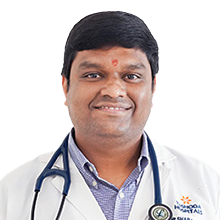
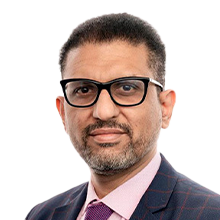
Dr.

Dr. V. Rajasekhar

MD, DM

Senior Consultant Interventional Cardiology & Electrophysiology, Certified Proctor For TAVR & Clinical Director

English, Telugu, Hindi
30 Yrs
Hitec City
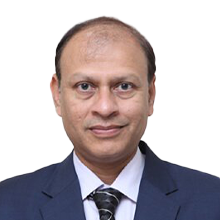
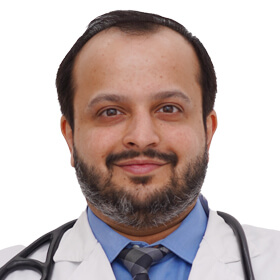
Dr.

Dr. Bharat Vijay Purohit

MD, DM, FSCAI, FACC, FESC

Sr. Consultant Interventional Cardiologist & Director of Cath Lab

English, Hindi, Telugu
22 Yrs
Hitec City
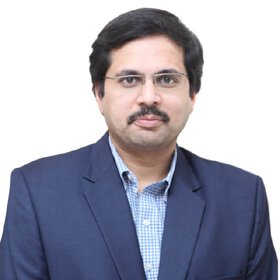
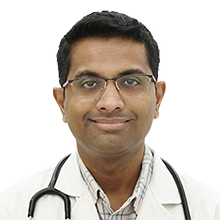
Dr.

Dr. Kala Jeethender Jain

MD (General Medicine), DM Cardiology (NIMS), FSCAI

Consultant Interventional Cardiologist

English, Hindi, Telugu
13 Yrs
Hitec City
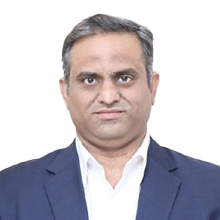
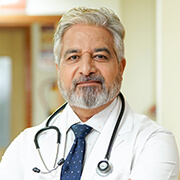
Dr.

Dr. Gopi Krishna Rayidi

MD, DM

Sr. Consultant Interventional Cardiologist
Clinical Director

Telugu, Hindi, English
16 Yrs
Hitec City
Dr

Dr Damodhar Reddy Gouni

MBBS, MD(Gen. Medicine), DM(Cardiology)

Consultant Interventional Cardiologist

English, Telugu, Hindi, Malayalam
11 Yrs
Hitec City
Dr.

Dr. Pawan Poddar

MD (AIIMS), DM (PGI), FSCAI, FESC, FACC

Director of Cath Lab and Senior Consultant Interventional Cardiologist

English, Hindi, Telugu
16 Yrs
Malakpet
Dr.

Dr. C. Santosh Kumar

MD, DM

Consultant Cardiologist

English, Hindi, Telugu
18 Yrs
Malakpet
Dr.

Dr. D. Sitaram

MBBS, MD, DNB (General Medicine), DNB (Cardiology)

Consultant Cardiologist

English, Hindi, Telugu, Kannada
16 Yrs
Malakpet
Dr.

Dr. B. Venkat Reddy

MBBS, DNB (Gen-Medicine), DNB (Cardiology)

Consultant Interventional Cardiologist

Telugu, English, Hindi, Tamil
13 Yrs
Malakpet
Dr.

Dr. Shabarinath Samudrala

MBBS, MD (General Medicine), DNB (Cardiology)

Consultant Interventional Cardiologist

Telugu, English, Hindi, Kannada, Tamil
12 Yrs
Malakpet
Dr.

Dr. T. Sashikanth

MD, DM, Fellow ICPS (Paris)

Sr. Consultant Interventional Cardiologist, Director-CathLab & HOD

English, Hindi, Telugu
28 Yrs
Secunderabad
Dr.

Dr. G. Ramesh

MD, DM, FACC, FSCAI, FESC

Sr. Consultant Interventional Cardiologist, Proctor for Complex Coronary Interventions

English, Hindi, Telugu, Kannada, Tamil, Malayalam
20 Yrs
Secunderabad
Dr.

Dr. M S Aditya

MD, DM, FESC

Sr. Consultant Interventional Cardiologist

English, Hindi, Telugu
16 Yrs
Secunderabad
Dr.

Dr. T. Krishna Kumar

MD, DNB (Cardiology), FESC, FSCAI

Consultant Interventional Cardiologist

English, Hindi, Telugu, Kannada
14 Yrs
Secunderabad
Dr.

Dr. Sashi K Srivastav

MBBS, MD, DM (Cardiology)

Consultant Interventional Cardiologist

English, Hindi, Telugu, Kannada
12 Yrs
Secunderabad
Dr.

Dr. Vishal Khante

MS, MCh (CTVS) GB Pant Delhi, Fellowship in Heart & Lung Transplant

Consultant Cardiothoracic - Minimal Invasive Surgeon

English, Hindi, Marati
11 Yrs
Secunderabad
Dr

Dr Chandra Mouli S Mantravadi

Consultant Cardiologist & Electrophysiologist

Telugu, Hindi, English
8 Yrs
Secunderabad
Dr.

Dr. Anoop Agrawal

MBBS (AIIMS), MD/DM (USA), FACC

Senior Consultant, Interventional Cardiologist

English, Hindi
17 Yrs
Secunderabad
Dr.

Dr. Praneeth Polamuri

MBBS, MD(Gen Med), DM(Cardiology), FSCAI

Senior Consultant Interventional Cardiologist

Telugu, English, Hindi
12 Yrs
Secunderabad
Dr.

Dr. A. Guru Prakash

MD, DM (Cardiology)

Sr. Consultant Interventional Cardiologist

English, Hindi, Telugu, Kannada
19 Yrs
Somajiguda
Dr.

Dr. Rohith P. Reddy

MD, DM (Cardiology)

Consultant Interventional Cardiologist

English, Hindi, Telugu, Kannada
10 Yrs
Somajiguda
Dr.

Dr. Pankaj Vinod Jariwala

MD, DNB (Cardiology)

Consultant Interventional Cardiologist

English, Hindi, Marathi, Gujarati, Telugu, Bengali, French, Sanskrit
19 Yrs
Somajiguda
Dr.

Dr. Jagadesh Madireddi

MD (Manipal), DM (Cardiology - Jayadeva)

Consultant Interventional Cardiologist
Certified TAVI Operator
Proctor for Coronary Imaging (OCT)
Certified Orbital Atherectomy Operator

Telugu, English, Kannada, Hindi
10 Yrs
Somajiguda
Dr.

Dr. Kashyap Vyas

MBBS, MD (Internal Medicine), DrNB (Cardiology)

Consultant Interventional Cardiologist

Hindi, English, Telugu, Marathi
8 Yrs
Somajiguda
Dr.

Dr. C. Raghu

MD, DM, FACC, FESC, FSCAI Level 2 Master in Structural Heart Interventions-Pisa University

Clinical Director & Senior Interventional Cardiologist

Telugu, English, Hindi
27 Yrs
Somajiguda
Dr.

Dr. Gururaj Pramod

MBBS, DNB (Int Med), DNB (Cardiology), Dip. (Diab), NHS (London), Certified Heart Failure Specialist

Consultant Interventional Cardiologist

English, Hindi, Telugu, Kannada
10 Yrs
Somajiguda

Testimonials

Discover what patients have to say about their experience with Coronary Angiography at Yashoda Hospitals.


Pallavi Jha

“I underwent Coronary Angiography at Yashoda Hospitals, and I couldn't be happier with the care I received. The medical team was highly skilled and made me feel comfortable throughout the procedure.”


Pallavi Jha 2

“I underwent Coronary Angiography at Yashoda Hospitals, and I couldn't be happier with the care I received. The medical team was highly skilled and made me feel comfortable throughout the procedure.”


Pallavi Jha 3

“I underwent Coronary Angiography at Yashoda Hospitals, and I couldn't be happier with the care I received. The medical team was highly skilled and made me feel comfortable throughout the procedure.”


Insurance Assistance for Open heart surgery

  • All Insurances Covered
  • Zero Hidden Charges
  • Complete Documentation Support
  • Cashless Insurance Service

Get Insurance Assistance

Free Second Opinion for Open heart surgery

If you have been advised to undergo open-heart surgery, seeking a second opinion can help you better understand your condition and confirm the recommended treatment plan. It allows patients to explore available options, clarify doubts, and make well-informed decisions about their heart care.
At Yashoda Hospitals, experienced cardiac specialists offer a free second opinion by carefully reviewing your medical reports, diagnostic tests, and previous evaluations. This helps ensure an accurate diagnosis and guides the most suitable treatment approach for your condition.

Get Free Second Opinion

Why Choose Yashoda Hospitals for Open heart surgery?

Yashoda Hospitals offers advanced and patient-centred care for open-heart surgery, ensuring precise diagnosis, safe surgical procedures, and comprehensive recovery support through modern cardiac technology and experienced heart specialists.

Expertise in Cardiac Surgery:

Yashoda Hospitals has a team of highly experienced cardiac surgeons and cardiologists who specialise in performing complex heart surgeries, including coronary artery bypass, valve repair or replacement, and other cardiac procedures with high precision and safety.

Comprehensive Evaluation & Diagnosis:

Before surgery, patients undergo a detailed cardiac evaluation that may include blood tests, ECG, echocardiography, CT scans, or coronary angiography to assess heart function and determine the most appropriate surgical approach.

Advanced Cardiac Care Infrastructure:

The hospital is equipped with state-of-the-art cardiac operation theatres, advanced heart–lung machines, modern imaging systems, and well-equipped intensive care units (ICUs) to support complex cardiac procedures with high safety standards.

Integrated Care & Post-Surgical Support:

Patients receive coordinated care from experienced cardiac specialists, anesthesiologists, and critical care teams. Comprehensive post-operative monitoring, cardiac rehabilitation, follow-up consultations, and lifestyle guidance help ensure a smooth recovery and long-term heart health.

Exploring
Advanced Diagnostics?

Seeking Clarity
on Your Surgery Options?

Take the First Step
Towards Better Health

All major insurance are accepted for
Open heart surgery Treatment


Our Locations

  • Malakpet Location

    Malakpet

  • Somajiguda Location

    Somajiguda

  • Secunderabad Location

    Secunderabad

  • Hitec City Location

    Hitec City

FAQ's

Open-heart surgery is a major procedure where the chest is opened to repair or replace damaged parts of the heart, such as arteries, valves, or structural defects.

No, they are not the same. Bypass surgery (CABG) is one type of open-heart surgery, but open-heart surgery also includes valve repair, congenital defect correction, and heart transplant.

The surgeon makes an incision in the chest to access the heart, often using a heart–lung machine to maintain circulation while the heart is repaired or treated.

Yes, it is generally safe when performed by experienced cardiac surgeons, though like any major surgery, it carries some risks.

It usually takes 3 to 6 hours, depending on the complexity of the condition and procedure.

Yes, it is a major and serious procedure, but it is commonly performed and often life-saving.

Survival rates are high, typically above 95% for many common procedures, depending on the patient’s condition and overall health.

Initial recovery takes 6 to 12 weeks, while full recovery may take a few months with proper rehabilitation.

Most patients are on a ventilator (life support) for a few hours to a day after surgery, depending on their condition and recovery progress.

Open-heart surgery is recommended for patients with severe heart conditions such as blocked coronary arteries, damaged heart valves, congenital heart defects, or advanced heart failure.
Book an appointment
in 2 minutes