Select Page

Advanced
Extracorporeal Shock Wave Lithotripsy
Surgery in Hyderabad

Get comprehensive kidney stone care at Yashoda Hospitals with advanced and reliable ESWL (Extracorporeal Shock Wave Lithotripsy). This non-invasive treatment ensures precise stone fragmentation, effective pain relief, and a safer, faster recovery for patients.

  • Treatment by highly experienced urologists and dedicated kidney stone specialists
  • State-of-the-art ESWL (Extracorporeal Shock Wave Lithotripsy) for non-invasive stone management
  • Strict adherence to the highest clinical safety and hygiene protocols
  • Tailored care designed to suit each patient’s condition and needs
  • Comprehensive care from diagnosis to treatment and post-procedure follow-up

Extracorporeal Shock Wave Lithotripsy

Extracorporeal Shock Wave Lithotripsy (ESWL) is a non-invasive medical procedure used to treat kidney stones and certain ureteral stones by breaking them into smaller fragments. The treatment uses high-energy shock waves generated outside the body that are focused on the stone, allowing the fragments to pass naturally through urine. ESWL is usually performed as a day-care procedure under mild sedation or local anaesthesia and typically takes 30 to 60 minutes, depending on the size and location of the stone. After the procedure, patients are observed for a short period before being discharged, and most can return to normal activities within a day or two. When performed by experienced urologists using advanced lithotripsy technology, ESWL is a safe and effective treatment that helps relieve symptoms, clear kidney stones, and reduce the need for more invasive surgery.

What is ESWL?

Extracorporeal Shock Wave Lithotripsy (ESWL) is a non-surgical treatment used to break kidney stones and certain ureteral stones into smaller fragments so they can pass naturally through urine. The procedure uses focused shock waves generated outside the body to target and fragment the stones without making any surgical cuts.
ESWL is commonly recommended for small to medium-sized kidney stones, especially when the stones are unlikely to pass on their own. After the procedure, the broken stone pieces gradually pass through the urinary tract over the next few days or weeks.
Because it is minimally invasive, safe, and effective, ESWL is widely used to treat kidney stones, helping patients avoid more complex surgical procedures while promoting a quicker recovery.

Types of ESWL:

ESWL systems are generally classified into three main types based on the shock wave generation method. Each type has specific features that help doctors treat kidney stones effectively and safely.

  • Electrohydraulic ESWL: Electrohydraulic lithotripsy is one of the earliest technologies used in ESWL treatment. In this method, a high-voltage electrical spark is generated in water, creating a powerful shock wave. The shock wave is then focused on the kidney stone using a reflector system. This technique is known for producing strong shock waves that can effectively break larger or harder stones. However, it requires careful positioning and precise targeting to avoid unnecessary impact on surrounding tissues. Despite being an older technology, electrohydraulic ESWL is still used in some specialised systems due to its effectiveness.
  • Electromagnetic ESWL: Electromagnetic lithotripsy is one of the most commonly used ESWL technologies in modern medical practice. It works by using an electromagnetic coil and a metal membrane to generate shock waves. When an electric current passes through the coil, it creates a magnetic field that moves the membrane and produces controlled shock waves. These waves are then focused on the kidney stone using an acoustic lens. Electromagnetic ESWL offers better precision, consistent shock wave delivery, and improved patient comfort compared to earlier systems. It is widely used because it provides reliable stone fragmentation with minimal tissue damage.
  • Piezoelectric ESWL : Piezoelectric lithotripsy uses a large number of piezoelectric crystals arranged in a spherical structure. When an electrical current passes through these crystals, they expand and generate shock waves that are precisely directed toward the kidney stone. This method produces highly focused shock waves and allows accurate targeting of stones while reducing the impact on surrounding tissues. Piezoelectric ESWL is known for its gentleness and precision, making it suitable for treating smaller stones and for patients who require a more controlled treatment approach. However, it may require more shock waves to achieve complete stone fragmentation.
    These different types of ESWL technologies allow urologists to choose the most appropriate treatment method depending on the size, location, and composition of the kidney stone, as well as the patient’s overall health condition. With advancements in lithotripsy equipment and imaging guidance, ESWL has become a widely used and effective treatment option for managing kidney stones while avoiding invasive surgery.
Procedure Name Extracorporeal Shock Wave Lithotripsy
Type of Procedure Non-surgical kidney stone treatment using shock waves
Anesthesia Mild sedation or local anesthesia
Duration 30–60 minutes
Recovery 1–2 days
Extracorporeal Shock Wave Lithotripsy: Pre-Op & Post-Op Care

Proper care before, during, and after Extracorporeal Shock Wave Lithotripsy (ESWL) helps ensure effective kidney stone treatment, patient safety, and smooth recovery. ESWL is a minimally invasive procedure, but careful preparation and follow-up are essential for the best outcomes.
Pre-operative Care
Before undergoing ESWL, the doctor performs a detailed medical evaluation to confirm the size, location, and type of the kidney stone. Diagnostic tests such as ultrasound, X-ray, CT scan, blood tests, and urine analysis may be recommended to assess kidney function and detect any infection.
Patients are advised to inform their healthcare provider about existing medical conditions, allergies, and medications, especially blood thinners, as some medicines may need to be stopped temporarily before the procedure. In some cases, antibiotics may be prescribed to prevent infection.
If sedation is planned, patients may be asked to avoid eating or drinking for several hours before the procedure. The medical team explains the procedure, possible risks, expected results, and recovery guidelines. Proper preparation helps improve the accuracy of the treatment and reduces the chances of complications.
Intra-operative Care
During the ESWL procedure, the patient is positioned on a specialised treatment table or water cushion that helps transmit shock waves effectively. Imaging techniques such as fluoroscopy or ultrasound are used to precisely locate the kidney or ureteral stone.
A lithotripsy machine then delivers high-energy shock waves from outside the body, which travel through the skin and tissues to reach the stone. These shock waves gradually break the stone into smaller fragments that can pass naturally through the urinary tract.
The procedure typically takes 30 to 60 minutes. Mild sedation or pain relief medication may be given to ensure comfort during treatment. Throughout the procedure, the medical team carefully monitors heart rate, blood pressure, and oxygen levels to maintain patient safety.
Post-operative Care
After ESWL, patients are usually monitored for a short time before being discharged, as the procedure is commonly performed on a day-care basis. Mild side effects such as blood-tinged urine, abdominal discomfort, or a burning sensation during urination may occur temporarily.
Doctors generally advise patients to drink plenty of water to help flush out the broken stone fragments. Pain relief medication may be prescribed if discomfort occurs while passing the fragments. In some cases, doctors may recommend straining urine to collect stone pieces for analysis.
Patients are encouraged to avoid heavy physical activity for a short period and follow all medical instructions carefully. A follow-up appointment and imaging test may be scheduled to ensure the stones have been successfully cleared and that the kidneys are functioning normally.
With proper preparation, accurate treatment, and attentive follow-up care, ESWL remains a safe and effective option for managing kidney stones while allowing patients to recover quickly and return to normal activities.


Benefits of Extracorporeal Shock Wave Lithotripsy at Yashoda Hospitals

Extracorporeal Shock Wave Lithotripsy (ESWL) is a minimally invasive treatment used to break kidney stones into smaller fragments so they can pass naturally through urine. It is widely preferred because it is safe, effective, and allows quick recovery.

  • Non-invasive treatment – No surgical cuts or incisions are required.
  • Effective stone fragmentation – Breaks kidney stones into smaller pieces for easier passage.
  • Short procedure time – Usually completed within 30–60 minutes.
  • Day-care procedure – Most patients can go home the same day.
  • Faster recovery – Patients can typically return to normal activities within a short period.
  • Lower risk of complications – Reduced chances of infection and bleeding compared to surgery.
  • Improved patient comfort – Usually performed with mild sedation or local anaesthesia.

Specialist Doctors

Dr.

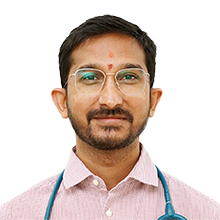
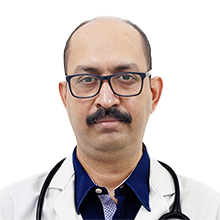
Dr. Penmetsa Vijay Varma

MD (General Medicine), DM (Nephrology)

Consultant Nephrologist

English, Hindi, Telugu, Kannada
17 Yrs
Hitec City
Dr.

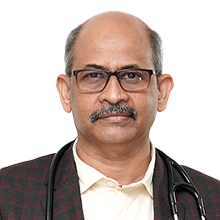
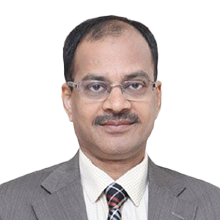
Dr. Rajasekara Chakravarthi Madarasu

MBBS, MD (Internal Medicine), DNB (Nephrology)

Senior Consultant Nephrologist, Clinical Director & HOD of Nephrology and Transplant Services

English, Hindi, Telugu
30 Yrs
Hitec City
Dr

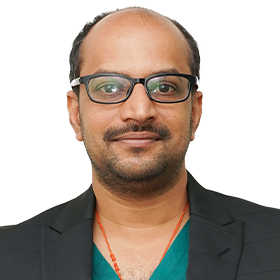
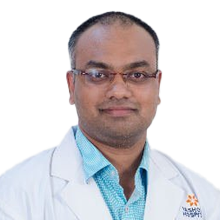
Dr Mahesh Kota

MD, IDCCM, DNB (Nephro)

Consultant Nephrologist

Telugu, Tamil and English
8 Yrs
Hitec City
Dr.

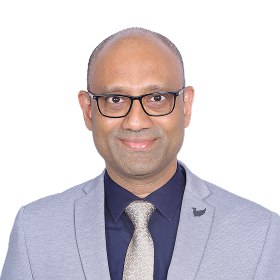
Dr. Jaswanth Challa

MD (Gen. Med), DM (Nephrology) JIPMER

Consultant Nephrologist

Telugu, Hindi, Tamil, English
16 Yrs
Hitec City
Dr.

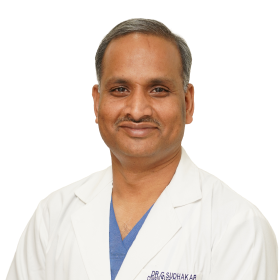
Dr. G. Sudhakar

MD, DM (Nephrology)

Consultant Nephrologist

English, Hindi, Telugu, Tamil, Bengali
15 Yrs
Malakpet
Dr.

Dr. Sashi Kiran A

MD (Pediatrics), DM (Nephrology)

Consultant Nephrologist

English, Hindi, Telugu, Kannada
18 Yrs
Malakpet
Dr.

Dr. Chetan Veeramaneni

MBBS, DNB (Gen Med), DM Nephrology (Osm), F. Diab (UK)

Consultant Nephrologist & Renal Transplant Physician

Telugu, Hindi, English, Malayalam
5 Yrs
Malakpet
Dr.

Dr. V. Suresh Babu

MD, DM (Nephrology)

Consultant Nephrologist

English, Hindi, Telugu
23 Yrs
Secunderabad
Dr.

Dr. Mamidi Pranith Ram

MBBS, MD, DM (Nephrology)

Consultant Nephrologist and Renal Transplant Physician

English, Hindi, Telugu, Tamil
14 Yrs
Secunderabad
Dr

Dr P.S. Vali

MD (Gen Med), DM (Nephro) Gold Medallist

Sr Consultant Nephrologist & Transplant Physician

English, Hindi & Telugu
22 Yrs
Secunderabad
Dr.

Dr. Dilip M Babu

MD (Internal Medicine), DM (Nephrology)

Sr. Consultant Nephrologist and Transplant Physician

Telugu, Marathi, Hindi, English
24 Yrs
Somajiguda
Dr.

Dr. Nageswara P Reddy

MD, DM (Nephrology)

Consultant Nephrologist

English, Telugu, Hindi, Kannada
29 Yrs
Somajiguda
Dr.

Dr. Tarun Kumar Saha

MD, DNB (Internal Medicine), DM (Nephrology) (PGI Chandigarh)

Sr. Consultant Nephrologist & Transplant Physician

English, Hindi, and Telugu
32 Yrs
Somajiguda
Dr.

Dr. Vamsi Krishna Nagalla

MD (NIMS), DM (NIMS)

Consultant Nephrologist and Transplant Physician

Telugu, English, Hindi
7 Yrs
Somajiguda

Testimonials

Discover what patients have to say about their experience with Coronary Angiography at Yashoda Hospitals.


Pallavi Jha

“I underwent Coronary Angiography at Yashoda Hospitals, and I couldn't be happier with the care I received. The medical team was highly skilled and made me feel comfortable throughout the procedure.”


Pallavi Jha 2

“I underwent Coronary Angiography at Yashoda Hospitals, and I couldn't be happier with the care I received. The medical team was highly skilled and made me feel comfortable throughout the procedure.”


Pallavi Jha 3

“I underwent Coronary Angiography at Yashoda Hospitals, and I couldn't be happier with the care I received. The medical team was highly skilled and made me feel comfortable throughout the procedure.”


Insurance Assistance for Extracorporeal Shock Wave Lithotripsy

  • All Insurances Covered
  • Zero Hidden Charges
  • Complete Documentation Support
  • Cashless Insurance Service

Get Insurance Assistance

Free Second Opinion for Extracorporeal Shock Wave Lithotripsy

If you have been advised to undergo ESWL for kidney stone treatment, getting a second opinion can help you better understand your condition and explore the most suitable treatment options. A second opinion from experienced specialists can confirm the diagnosis, evaluate the size and location of the kidney stone, and determine whether ESWL is the best treatment for you.
At Yashoda Hospitals, our expert urologists review your medical reports, imaging scans, and previous evaluations to provide a clear and informed opinion. This helps patients make confident decisions about their treatment and ensures they receive the most appropriate care for effective kidney stone management.

Get Free Second Opinion

Why Choose Yashoda Hospitals for Extracorporeal Shock Wave Lithotripsy?

Expertise in Kidney Stone Treatment

Yashoda Hospitals has a team of highly experienced urologists who specialise in the diagnosis and treatment of kidney and ureteral stones. Their expertise in performing ESWL procedures helps achieve effective stone fragmentation and improved patient outcomes.

Comprehensive Consultation & Evaluation

A detailed pre-treatment assessment, including imaging tests such as ultrasound, X-ray, or CT scan, and overall health evaluation, helps determine the size, location, and type of kidney stone. This enables doctors to recommend the most appropriate treatment plan for each patient.

Advanced ESWL Technology

The hospital is equipped with modern lithotripsy systems and advanced imaging technologies that allow precise targeting of kidney stones. This helps improve treatment accuracy while minimising the impact on surrounding tissues.

Access to Skilled Specialists

Patients benefit from coordinated care provided by a multidisciplinary team of urologists, radiologists, anaesthesiologists, and experienced nursing staff, ensuring safe procedures, effective stone management, and smooth recovery.

Exploring
Advanced Diagnostics?

Seeking Clarity
on Your Surgery Options?

Take the First Step
Towards Better Health

All major insurance are accepted for
Extracorporeal Shock Wave Lithotripsy Treatment


Our Locations

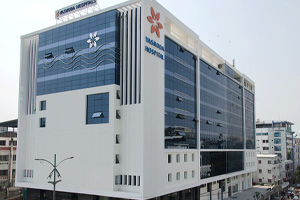
  • Malakpet Location

    Malakpet

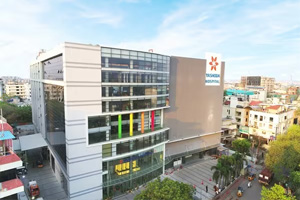
  • Somajiguda Location

    Somajiguda

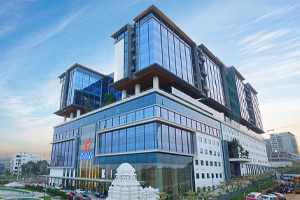
  • Secunderabad Location

    Secunderabad

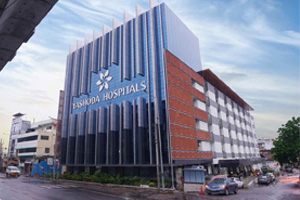
  • Hitec City Location

    Hitec City

FAQ's

ESWL (Extracorporeal Shock Wave Lithotripsy) is a non-invasive treatment used to break kidney stones into smaller fragments using focused shock waves. These fragments then pass naturally through the urine over time.

In many cases, ESWL is covered by health insurance if it is recommended by a doctor for kidney stone treatment. Coverage may vary depending on the insurance provider, policy terms, and hospital network.

The cost of ESWL can vary depending on factors such as the hospital, location, diagnostic tests required, and the complexity of the case. It is best to consult the hospital for an accurate estimate based on the patient’s condition.

Most patients experience minimal discomfort during ESWL because the procedure is usually performed under mild sedation or pain relief. Some mild pain may occur later while passing the stone fragments.

ESWL and PCNL are both treatments for kidney stones. ESWL uses shock waves from outside the body to break stones into small pieces, while PCNL (Percutaneous Nephrolithotomy) is a minimally invasive surgical procedure where stones are removed through a small incision in the back. PCNL is usually recommended for larger kidney stones.

The ESWL procedure usually takes about 30 to 60 minutes, depending on the size and location of the kidney stone.

After the procedure, the broken stone fragments typically pass through urine within a few days to a few weeks.

ESWL may not be recommended for pregnant women, patients with bleeding disorders, severe obesity, or very large kidney stones.

Some patients may experience mild pain, blood in urine, or discomfort while passing stone fragments, which usually resolve within a few days.

Yes, kidney stones can recur if the underlying causes are not managed. Doctors may recommend dietary changes, hydration, and regular check-ups to reduce the risk of future stones.
Book an appointment
in 2 minutes