

Parkinson’s Disease and Movement
Disorders Research Centre (PDMDRC)


Movement Disorders Doctors in Hyderabad
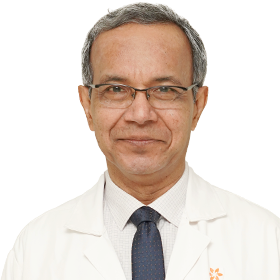
Senior Consultant Neurologist and Programme Director-PDMDRC
English, Hindi, Telugu, Assamese
Day time OPD:
MON – SAT : 10AM – 4PM
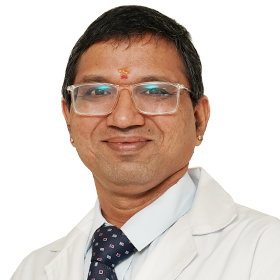
Sr. Consultant Neurosurgeon-PDMDRC, Clinical Director-PDMDRC.
Telugu, Hindi, English, Tamil, Odiya, Bengali
Day time OPD:
MON – SAT : 10AM – 4PM
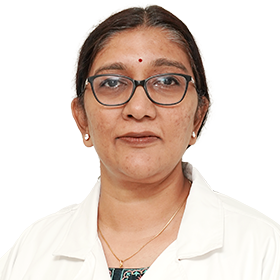
Sr. Consultant Neurologist, Clinical Director- PDMDRC ( Parkinson’s Disease and Movement Disorders Research Centre)
Telugu, Tamil, Hindi, English
Day time OPD:
MON – SAT : 10AM – 4PM
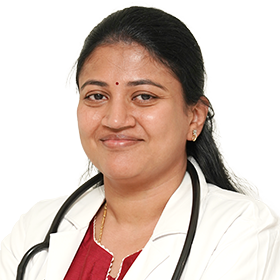
Consultant Neurologist, Consultant PDMDRC
English and Telugu
Day time OPD:
MON – SAT : 10AM – 4PM
Movement Disorder Specialists in Hyderabad
Our expert doctors excel in diagnosing and treating diverse movement disorders with a patient-focused, evidence-driven approach. We draw on clinical expertise, advanced diagnostic tools, and tailored care plans to help patients control symptoms and improve quality of life. Our physicians bring profound knowledge in managing both common and rare neurological conditions, ensuring precise diagnoses and prompt interventions.
We manage Parkinson’s disease, tremors, dystonia, chorea, ataxia, and related disorders. Our team emphasizes early identification and continuous monitoring to slow progression and sustain patient independence.
Advanced Technology & Comprehensive Care
We use advanced diagnostic tools, including Rosa 3T MRI, 256-slice dual-energy CT scans, and neurophysiological testing, to precisely identify the root cause of movement abnormalities. By integrating the high-resolution imaging with expert brain function assessment, our specialists ensure an accurate diagnosis from the outset.
Our department offers a full spectrum of care from minimally invasive and traditional surgery to innovative therapies, including deep brain stimulation for complex cases. To ensure optimal recovery, our specialized neurocritical care and rehabilitative teams provide continuous monitoring and personalized long-term support.
non-surgical and surgical treatments, including minimally invasive procedures as needed. We also provide innovative therapies, such as deep-brain stimulation (DBS), to select patients, which improves symptom control in difficult cases. A specialized neurocritical care and rehabilitation team helps patients who require extensive monitoring, post-procedure care, and long-term recovery plans.
Our movement disorder specialists collaborate with neurologists, neurosurgeons, physiotherapists, occupational therapists, and rehabilitation experts to deliver personalized treatment regimens, catering to each patient’s health, lifestyle, and aspirations. Through planned rehab and treatment programs, we aim to improve mobility, balance, coordination, and overall well-being by treating the condition.
What Neurological Services Do We Provide?
- Comprehensive assessment and diagnosis of movement problems.
- Treatment of Parkinson’s disease, tremors, and dystonia.
- Medication management and sophisticated treatment planning.
- Expert care for advanced therapies, such as doupa gel for Parkinson’s and baclofen pumps for muscle spasticity.
- Specialized surgical options, including deep-brain stimulation (DBS) and incision-free focused ultrasound for movement disorders.
- Botulinum toxin injections are used to treat focal dystonia, spasticity, and tremors.
- Rehabilitation treatments that increase mobility and coordination.
- Physiotherapy and occupational therapy support.
- Long-term monitoring and follow-up treatment.
- Patient and caregiver education to improve disease management.
Why Choose Yashoda for Our Movement Disorder Specialists?
Experienced Professionals: Our professionals include highly skilled neurologists and neurosurgeons who have managed a wide range of movement disorders, from early-stage to complex cases.
State-of-the-Art Diagnostics: We use cutting-edge imaging and neurodiagnostic technologies such as MRI (magnetic resonance imaging), CT scans (computed tomography scans), and neurophysiological testing to ensure precise, early diagnosis, essential for effective treatment.
Access to Cutting-Edge Treatments: We offer both medicinal and surgical alternatives, including modern therapies such as deep brain stimulation (DBS), tailored to the patient’s specific condition and severity.
Minimally Invasive Techniques: When possible, our physicians use minimally invasive techniques to reduce pain, minimize hospital stays, and promote faster recovery.
Targeted Rehabilitation: We use organized rehab programs, including physiotherapy and occupational therapy, to improve mobility, balance, and everyday functioning.
Comprehensive, Team-Based Care: Our movement disorders program includes a multidisciplinary team of neurologists, neurosurgeons, physiotherapists, and rehabilitation specialists to provide coordinated, comprehensive therapy.
Personalized Care Plans: No two patients are identical. To help you achieve long-term outcomes, we develop a personalized treatment plan based on your unique medical needs and lifestyle.
Ongoing Monitoring & Long-Term Support: We provide regular follow-ups and long-term management to help patients track their progress, adapt therapies, and maintain a good quality of life.
Support at Every Step: We value your comfort and understanding. From your initial visit to your recovery, our team gives clear direction and emotional support to patients and their families.
FAQ’s
What kind of doctor treats movement disorders?
Neurologists and neurologists with specialized training in diagnosing and treating movement disorders are frequently the ones who treat these conditions.
How do I choose the best movement disorder specialist?
When selecting the top movement disorder specialist, you can take into account things like their experience treating your condition, their top reviews, and their ability to communicate clearly.
What qualifications should a movement disorder doctor have?
In addition to having excellent communication skills, a doctor who treats movement disorders should be a board-certified neurologist with further education and expertise in treating conditions like parkinsonism.
When should I see a movement disorder specialist?
If you are experiencing symptoms like tremors, stiffness, tics, and trouble moving, you can see a movement disorder specialist.
Can I get a second opinion on my diagnosis?
It is wise to seek a second opinion from a physician to determine your diagnosis in order to select the best course of treatment at the appropriate hospital as soon as possible.
Are there movement disorder specialists for children?
Yes, some pediatric neurologists or movement disorder specialists are skilled in identifying and managing movement disorders in children.
How long does a typical consultation take?
The length of a consultation for a movement disorder may vary depending on the case’s complexity, but it should ideally last between 30 and 60 minutes.
Is virtual consultation available with specialists?
These days, telemedicine, or online consultations, are made available to facilitate access to specialists and ensure specialized care or follow-up care in situations where in-person visits are not feasible.
Does insurance cover specialist consultations?
Expert consultations are typically covered by insurance, but it is crucial to contact the committed insurance team to learn more about your coverage and insurance plan.

 Appointment
 Second Opinion
 Live Chat
 Call
Call More
More