Select Page

Get a Free Second Opinion

TIPS (Transjugular Intrahepatic Portosystemic Shunt) Cost In India

TIPS (Transjugular Intrahepatic Portosystemic Shunt) is a specialized minimally invasive procedure used to treat serious complications caused by portal hypertension, a condition in which blood pressure becomes abnormally high in the portal vein system that carries blood from the stomach, intestines, spleen, and pancreas to the liver. When the liver is severely damaged, most commonly due to cirrhosis, normal blood flow through the liver becomes obstructed, causing pressure to build up. This can lead to life-threatening complications such as recurrent internal bleeding from enlarged veins (varices), severe abdominal fluid accumulation (refractory ascites), hepatic hydrothorax, or complications related to blocked liver veins such as Budd-Chiari syndrome.

During the TIPS procedure, an interventional radiologist creates an artificial pathway inside the liver to connect the portal vein directly to one of the hepatic veins, which drain blood back to the heart. This new route allows blood to bypass the damaged liver tissue, lowering portal vein pressure and reducing the risk of bleeding or fluid buildup. A small expandable metal stent is inserted to keep the channel open. Although TIPS can be highly effective in stabilizing symptoms and improving quality of life, it does not cure the underlying liver disease and requires careful follow-up, as some patients may develop complications such as hepatic encephalopathy (confusion due to toxin buildup), infection, bleeding, or stent narrowing over time.
What Is The Cost Of TIPS (Transjugular Intrahepatic Portosystemic Shunt) In India?

The cost of a TIPS (Transjugular Intrahepatic Portosystemic Shunt) procedure in India typically ranges from Rs 2,50,000 to Rs 8,00,000, depending on the severity of portal hypertension, the underlying liver disease, whether the procedure is performed as an emergency or planned intervention, the hospital category, interventional radiologist’s expertise, city, type of stent used (covered or uncovered), ICU care requirements, anesthesia charges, pre-procedure imaging and diagnostic investigations, hospital stay, and post-procedure follow-up care. TIPS is commonly recommended for patients with complications of advanced liver disease, such as recurrent variceal bleeding, refractory ascites, hepatic hydrothorax, or Budd-Chiari syndrome. Simple elective procedures in stable patients may cost less, while emergency TIPS procedures, ICU management, or treatment in premium tertiary hospitals can significantly increase the total expense. The table below provides approximate cost ranges for TIPS procedures in India.

Type of Procedure Cost in India
Standard Elective TIPS Procedure Rs 2,50,000 to Rs 4,50,000
TIPS with Covered Stent Placement Rs 3,50,000 to Rs 5,50,000
Emergency TIPS for Variceal Bleeding  Rs 4,00,000 to Rs 6,50,000 
Complex TIPS (High-Risk / Advanced Liver Disease) Rs 4,50,000 to Rs 7,00,000
TIPS with ICU / Extended Hospital Stay Rs 5,00,000 to Rs 7,50,000
TIPS in Premium / Tertiary Care Hospital Rs 5,50,000 to Rs 8,00,000

The actual cost may vary depending on the patient’s liver function, urgency of treatment, type of stent used, associated complications, ICU requirements, diagnostic workup, hospital infrastructure, city, specialist expertise, and long-term follow-up or shunt monitoring needs.

Enquire now

Factors Influencing the Cost of TIPS (Transjugular Intrahepatic Portosystemic Shunt)

The cost of a TIPS (Transjugular Intrahepatic Portosystemic Shunt) procedure can differ from one patient to another based on the complexity of the condition and the level of care required. Here are the main factors that can affect the overall expense:

  • Severity of the Liver Condition
    Patients with advanced cirrhosis, severe portal hypertension, ongoing internal bleeding, or other liver-related complications often need more intensive treatment and monitoring, which can increase costs.
  • Emergency vs Scheduled Procedure
    A planned TIPS procedure is generally less expensive than an emergency procedure performed to control sudden variceal bleeding, as urgent care often involves ICU support and immediate intervention.
  • Type of Stent Used
    The kind of stent placed during the procedure plays a major role in pricing. Covered stents are usually more expensive than uncovered ones but are commonly preferred for better long-term performance.
  • Hospital Type
    Costs are usually higher in tertiary care or premium hospitals due to advanced facilities, dedicated liver care units, modern imaging equipment, and specialised support teams.
  • Specialist’s Experience
    The expertise of the interventional radiologist and liver care team can influence the total cost, especially in technically challenging or high-risk cases.
  • Diagnostic Tests Before the Procedure
    Pre-procedure investigations such as blood tests, liver function tests, ultrasound, CT scan, echocardiography, and clotting assessments add to the final expense.
  • Hospital Stay and ICU Care
    Some patients may need observation in the ICU or a longer hospital stay, depending on their condition, which can significantly raise the overall treatment cost.
  • Post-Procedure Follow-Up
    Follow-up imaging, medications, doctor consultations, and monitoring for complications like shunt blockage or hepatic encephalopathy may involve additional expenses.
  • City of Treatment
    The cost of TIPS can vary between cities based on hospital charges, infrastructure, and availability of specialised liver care services.

Enquire now

Types of TIPS (Transjugular Intrahepatic Portosystemic Shunt)

TIPS procedures can be grouped based on the type of stent used, the urgency of treatment, and whether the procedure is being done for the first time or as a corrective intervention. The choice depends on the patient’s liver condition, symptoms, and overall clinical needs.

  • Covered Stent TIPS
    This is the most commonly preferred type of TIPS procedure. A special stent with a protective covering is used to keep the newly created channel open, helping blood flow more effectively and lowering the risk of blockage over time.
  • Uncovered Stent TIPS
    In this type, a bare metal stent is used to create the shunt. While it can reduce portal pressure effectively, it may be more prone to narrowing over time compared to covered stents, which is why it is less commonly chosen today.
  • Elective TIPS
    This is a planned procedure performed when the patient’s condition is stable enough for proper evaluation before treatment. It is commonly recommended for managing recurrent fluid buildup in the abdomen or repeated complications from portal hypertension.
  • Emergency TIPS
    Emergency TIPS is performed when immediate intervention is needed, especially in cases of severe internal bleeding from enlarged veins in the food pipe or stomach that cannot be controlled with routine treatment.
  • TIPS Revision Procedure
    Sometimes, an existing shunt may narrow or stop functioning properly after some time. In such cases, a revision procedure may be required to reopen or adjust the shunt and restore proper blood flow.
  • Complex TIPS
    This is performed in patients with advanced liver disease, difficult blood vessel anatomy, or additional complications that make the procedure more technically demanding and require specialised expertise.

Enquire now

Making An Informed Decision on TIPS (Transjugular Intrahepatic Portosystemic Shunt) in India

Choosing to undergo a TIPS (Transjugular Intrahepatic Portosystemic Shunt) procedure is a significant medical decision, especially for patients facing complications of advanced liver disease such as repeated internal bleeding, severe fluid accumulation in the abdomen, or portal hypertension that is not responding to standard treatment. Since every patient’s condition is different, a detailed evaluation by an experienced hepatologist, gastroenterologist, and interventional radiologist is essential before moving forward.
Patients and families should clearly understand why the procedure is being recommended, the expected benefits, possible risks, recovery timeline, and whether ongoing follow-up care will be required. It is equally important to discuss the complete cost of treatment, including diagnostic tests, hospital stay, ICU care if necessary, medications, and future monitoring of the shunt, so the decision is both medically appropriate and financially well planned.

Enquire now

Specialist Doctors

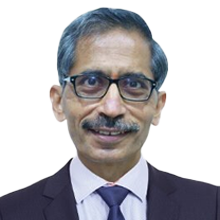
Dr. Dharmesh Kapoor

MD (Med), DM (Gastro), MRCP

Consultant Hepatologist

English, Hindi, Telugu
26 Yrs
Secunderabad

Why Choose Yashoda Hospitals

Yashoda Hospitals is equipped to manage complex liver and portal hypertension cases that may require advanced interventional procedures like TIPS. Since this treatment often involves critically ill patients, access to experienced specialists, advanced imaging technology, and round-the-clock emergency care plays an important role in treatment success.
Patients at Yashoda Hospitals benefit from a multidisciplinary team that includes hepatologists, gastroenterologists, interventional radiologists, anesthesiologists, and critical care experts who work together to plan and deliver personalised care. With modern cath lab facilities, intensive care support, comprehensive diagnostic services, and structured follow-up for shunt monitoring, the hospital aims to provide safe and coordinated care at every stage of treatment.

blank
Comprehensive Care

On the journey to good health, we understand that it is important for you to feel at home. We plan out all aspects of your trip.

blank
Expert Doctors

Experienced specialists perform non-invasive and minimally invasive surgeries to provide the best treatment for international patients.

blank
Cutting-Edge Technology

Our hospitals are equipped with advanced technology to perform a wide range of procedures and treatments.

blank
Clinical Excellence

We deliver excellence by delivering quick and efficient healthcare and through pioneering research that helps all our future.patients.

All major insurance are accepted for
TIPS (Transjugular Intrahepatic Portosystemic Shunt) Cost In India Treatment


Our Locations

  • Malakpet Location

    Malakpet

  • Somajiguda Location

    Somajiguda

  • Secunderabad Location

    Secunderabad

  • Hitec City Location

    Hitec City

FAQ's

TIPS is generally recommended for patients with complications of portal hypertension, such as repeated bleeding from enlarged veins in the esophagus or stomach, severe fluid buildup in the abdomen, or other liver-related complications that are not improving with routine treatment.

TIPS is a minimally invasive interventional procedure, not a traditional open surgery. It is performed through a blood vessel, usually in the neck, using imaging guidance to place a stent inside the liver.

The length of hospital stay depends on the patient’s condition and the reason for the procedure. Some patients may need only a short stay for observation, while those with advanced liver disease or emergency treatment may require longer monitoring.

Possible complications include bleeding, infection, shunt narrowing or blockage, changes in liver function, or hepatic encephalopathy, which may cause confusion or changes in mental alertness. Regular follow-up helps detect and manage these issues early.

TIPS helps control complications caused by portal hypertension, but it does not treat or reverse the underlying liver disease. Patients usually need continued medical care and regular monitoring after the procedure.

Terms and conditions

All the cost and surgery information provided on the website is primarily to enable the users to obtain a better understanding of Yashoda Hospitals and the medical services provided by it, and the information thereby provided is subject to changes and modifications as and when required without any prior notice. Actual cost of the surgery details would be confirmed at the hospital after doctor consultation only.

Yashoda Hospitals does not represent or endorse the accuracy, completeness or reliability of any information displayed, uploaded or distributed through the website. The usage of the content implies that you acknowledge that any reliance upon any such statement or information shall be at your own risk. Yashoda Hospitals does not resume any responsibility related to the accuracy of information provided or made available. None of the individual developers, system operators, third-party contributors and management of Yashoda Hospitals or anyone else connected to Yashoda Hospitals can be held responsible for the results or consequences incurred due to any reliance being placed or adopt any of the information presented on this website.

Book an appointment
in 2 minutes