Select Page

Get a Free Second Opinion

Stem Cell Therapy Cost In India

– Providing 30+ years of world-class healthcare to diverse communities.
– 600+ specialists across 62 medical specialties providing expert care
– Advanced technology and procedures for top-quality patient care
– Minimally invasive procedures for faster recovery and comfort
– Advanced surgical suites and ICUs for critical care

Stem cell treatment is a modern therapeutic method in regenerative medicine (a general approach to restoring, replacing, or recreating cells, tissues, or organs to treat disease by assisting the body in healing itself). In contrast to traditional treatments that mainly control symptoms, this treatment works at a deeper level by repairing damaged tissues. Stem cells are special because they can grow into different types of cells, such as muscle, nerve, or blood cells. The one-of-a-kind ability allows them to support natural healing and recovery. In a medical setting, stem cells are carefully collected, processed, and then introduced into the body where healing is required. Once inside, the stem cells assist in reducing inflammation, repairing damaged areas, and releasing vital substances that promote tissue growth. This process supports the body’s natural support system rather than replacing it. Over time, advances in medical technology have made stem cell treatment more accurate and dependable.

What Is The Cost Of Stem Cell Therapy In India?

The cost of stem cell therapy in India ranges from 2,50,000 Rs to 40,00,000 Rs. The table below provides approximate cost ranges for all recognized types of stem cell therapy in India.


Stem Cell Therapy Type  Cost In India 
Autologous Stem Cell Therapy  2,50,000 Rs to 8,00,000 Rs
Allogeneic Stem Cell Therapy  8,00,000 Rs to 18,00,000 Rs
Hematopoietic Stem Cell Transplant  18,00,000 Rs to 40,00,000 Rs 
Bone Marrow Transplant  18,00,000 Rs to 35,00,000 Rs
Peripheral Blood Stem Cell Transplant  15,00,000 Rs to 35,00,000 Rs
Cord Blood Transplant  10,00,000 Rs to 25,00,000 Rs 
Mesenchymal Stem Cell Therapy  3,00,000 Rs to 12,00,000 Rs 
Adipose-Derived Stem Cell Therapy  3,00,000 Rs to 10,00,000 Rs 
Bone Marrow Aspirate Concentrate Therapy  2,50,000 Rs to 6,00,000 Rs 
Induced Pluripotent Stem Cell Therapy  10,00,000 Rs to 20,00,000 Rs 
Embryonic Stem Cell Therapy  15,00,000 Rs to 25,00,000 Rs 

Who Needs Stem Cell Therapy?

  • Stem cell therapy is suggested for patients with blood diseases like leukemia, lymphoma, or severe anemia.
  • It is also recommended for patients with bone marrow failure or for people who have a weak immune system.
  • Stem cell therapy is also suggested in individuals who are suffering from joint damage or osteoarthritis, especially when their condition is not improving with traditional standard treatment.
  • The patients who are dealing with spinal cord injuries or nerve damage are also recommended stem cell therapy because it affects their movement or sensation.
  • The patients who suffer from some of the autoimmune diseases, where the immune system attacks the body, are also suggested to undergo stem cell treatment.
  • Stem cell treatment is recommended if the individual suffers from heart damage after a heart attack, thereby requiring tissue repair.
  • Stem cell treatment is also suggested in patients who are dealing with long-term wounds or non-healing injuries, along with degenerative conditions where tissues normally break down.
  • Individuals with sports injuries involving ligaments, tendons, or cartilage also need stem cell therapy, along with cases where traditional treatments have limited effectiveness and regenerative options are being considered.

Types Of Treatment In Regenerative Medicine

  • Medicines And Drug Therapy: Utilizes anti-inflammatory drugs, pain-relieving drugs, or disease-specific medicines to control symptoms and slow the progression of the condition.
  • Physiotherapy And Rehabilitation: Structured exercises and physical treatment help in improving mobility, strength, and function – mainly in joint and nerve conditions.
  • Surgical Treatments: Procedures such as joint replacement, ligament repair, or organ-specific surgeries are used when the damage is serious.
  • Platelet-Rich Plasma (PRP) Therapy: Utilizes the patient’s own blood components rich in growth factors to promote healing in tissues like joints and tendons.
  • Corticosteroid Injections: Reduces inflammation and pain in joints or soft tissues, though the effects might be temporary.
  • Lifestyle and Supportive Care: Includes changes in diet, management of weight, exercise, and assistive devices to improve quality of life.
  • Biologic Therapies: Advanced treatments that target specific parts of the immune system are commonly utilized in autoimmune conditions.
  • Pain Management Procedures: Includes nerve blocks or minimally invasive techniques to control long-term pain.

Factors Influencing the Cost Of Stem Cell Therapy

  • Type of stem cell therapy
  • Medical condition that is being treated
  • Number of sessions needed
  • The source of stem cells
  • Hospital infrastructure and technology
  • Doctor’s expertise and team involvement
  • Pre-treatment testing and evaluation
  • Cell processing and laboratory charges
  • Hospital stay and supportive care
  • Location and healthcare facility

Types of Stem Cell Treatments In India

  • Autologous Stem Cell Treatment: Is a method that uses the patient’s own stem cells, normally taken from a bone marrow or fat, which makes it safe with minimal risk of rejection.
  • Allogeneic Stem Cell Therapy: Is a method that uses stem cells from a donor, needing careful matching to decrease the risk of immune reactions.
  • Hematopoietic Stem Cell Transplant: Involves transplanting blood-forming stem cells to rebuild the bone marrow and immune system, mainly in severe blood-related diseases.
  • Bone Marrow Transplant: Is a method of transplant where stem cells are directly taken from bone marrow to replace diseased and damaged cells.
  • Peripheral Blood Stem Cell Transplant: Stem cells are collected from the bloodstream and infused into the patient to restore healthy cell production.
  • Cord Blood Transplant: Makes use of stem cells from the blood of the umbilical cord, which are known for being easier to match and are useful in some of the conditions.
  • Mesenchymal Stem Cell Therapy: Focuses on repairing bones, cartilage, and soft tissues by decreasing inflammation and promoting healing.
  • Adipose- Developed Stem Cell Therapy: Utilizes stem cells extracted from body fat, mostly applied in orthopedic and cosmetic therapies.
  • Bone Marrow Aspirate Concentrate Therapy: Is a minimally processed form of bone marrow utilized to deliver concentrated healing cells to damaged areas.
  • Induced Pluripotent Stem Cell Therapy: Adult cells are reprogrammed in a lab to behave like versatile stem cells and are mainly used in advanced research settings.
  • Embryonic Stem Cell Therapy: Utilizes highly adaptable cells capable of forming any tissue type, but it is strictly regulated and mostly experimental.

Post-Operative Care For Stem Cell Therapy

  • The patient should follow the instructions of the doctor strictly, adhere to medicines, activity limits, and follow-up schedules.
  • The patient should allow the body adequate time to rest and allow the body time to heal and respond to therapy.
  • The patient should avoid stressful activities like heavy lifting, intense exercise, or sudden movements for a few weeks.
  • The patient should stay properly hydrated and eat a balanced diet, as proper nutrition supports tissue repair and overall recovery.
  • The patient should be carefully monitored for side effects like fever, swelling, redness, unusual pain, or allergic reactions, and react immediately.
  • The patient should keep the injection or procedure site clean and maintain hygiene to prevent infection.
  • The patient should attend follow-up appointments, as regular check-ups help track progress and effectiveness of the treatment.
  • The patient should avoid smoking and alcohol, as these habits can slow down healing and affect treatment results.
    After stem cell therapy, the patient should resume physical activity gradually and follow physiotherapy under guidance if suggested.
  • The patient should also take the suggested medicines on time, that includes antibiotics, pain relievers, or supportive drugs.

Making An Informed Decision On Stem Cell Treatment

Making an informed decision about stem cell treatment requires a clear understanding of both its benefits and limitations. The patient should consult a qualified specialist who can examine the patient’s condition and explain if the treatment is appropriate. The patient should also validate that treatment is clinically approved and supported by credible evidence. The patient should also discuss the expected results, risks, and realistic timelines instead of assuming guaranteed outcomes. The patient should also compare costs, hospital expertise, and available alternatives before proceeding.

Yashoda Hospitals should be the first choice for stem cell treatment because they ensure access to advanced infrastructure, which includes specialized labs and transplant units designed for accuracy and safety. The hospital is supported by an experienced team of hematologists and transplant specialists who provide patient-specific care. Yashoda Hospitals also has a strong track record in complicated cases, with modern techniques and strict infection control measures. They offer dependable outcomes along with complete support from diagnosis to recovery.

Why Choose Yashoda Hospitals

Yashoda Hospitals is committed to providing world-class treatment for patients from across the globe. With the unique combination of state-of-the-art technology, intuitive care, and clinical excellence, we are the healthcare destination for thousands of international patients in India.

blank
Comprehensive Care

On the journey to good health, we understand that it is important for you to feel at home. We plan out all aspects of your trip.

blank
Expert Doctors

Experienced specialists perform non-invasive and minimally invasive surgeries to provide the best treatment for international patients.

blank
Cutting-Edge Technology

Our hospitals are equipped with advanced technology to perform a wide range of procedures and treatments.

blank
Clinical Excellence

We deliver excellence by delivering quick and efficient healthcare and through pioneering research that helps all our future.patients.

All major insurance are accepted for
Stem Cell Therapy Cost In India Treatment


Our Locations

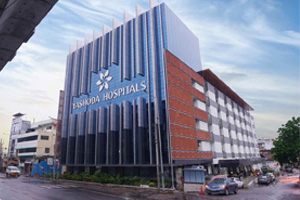
  • Malakpet Location

    Malakpet

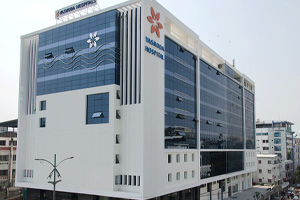
  • Somajiguda Location

    Somajiguda

  • Secunderabad Location

    Secunderabad

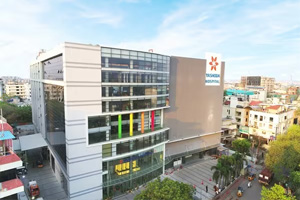
  • Hitec City Location

    Hitec City

FAQ's

Stem cells are “master cells” that can: Turn into different cell types (like cartilage, nerve, blood cells). Release growth factors that decrease inflammation and promote healing In stem cell therapy: Cells are taken from bone marrow, fat, or umbilical cord, processed in a lab, and injected into the affected area.

It depends on the disease condition being treated. It has been proven effective in blood disorders like leukemia and bone marrow transplants. It is in the experimental stage to treat orthopaedic conditions, Neurological disorders, and kidney disease.

No, Osteoarthritis cannot be completely cured by stem cell therapy. Some patients might get temporary pain relief for 3-6 months. But there is no strong evidence of cartilage regrowth or disease reversal.

It is still experimental. Early trials show decreased inflammation and slight improvement in kidney function (in some cases). But there is no strong proof about long-term benefits, and it's not a standard treatment yet.

The treatment can help with pain reduction and improved mobility. But effects are temporary, no confirmed structural repair, and results vary. It is best for early/moderate arthritis, but not serious joint damage.

The cost of stem cell therapy in India ranges from 2,50,000 Rs to 40,00,000 Rs. Costs vary based on cell type, Number of injections, hospital, and technology.

No, autism cannot be cured by stem cell therapy. There might be minor improvements, but there is no definitive success rate, and it is still experimental.

The Surgery takes approximately 1 to 3 hours, and is often done as a day-care procedure.

After surgery, there is mild soreness for about 2 to 7 days; the patient can return to normal activities in 1-2 weeks, and full recovery takes place within 1-3 months.

It depends heavily on the condition. For orthopedic conditions, the success rate is 50% to 70%. Long-term success is unclear. For Autism and Kidney disease, there is no standardized success rate.

Terms and conditions

All the cost and surgery information provided on the website is primarily to enable the users to obtain a better understanding of Yashoda Hospitals and the medical services provided by it, and the information thereby provided is subject to changes and modifications as and when required without any prior notice. Actual cost of the surgery details would be confirmed at the hospital after doctor consultation only.

Yashoda Hospitals does not represent or endorse the accuracy, completeness or reliability of any information displayed, uploaded or distributed through the website. The usage of the content implies that you acknowledge that any reliance upon any such statement or information shall be at your own risk. Yashoda Hospitals does not resume any responsibility related to the accuracy of information provided or made available. None of the individual developers, system operators, third-party contributors and management of Yashoda Hospitals or anyone else connected to Yashoda Hospitals can be held responsible for the results or consequences incurred due to any reliance being placed or adopt any of the information presented on this website.

Book an appointment
in 2 minutes