Select Page

Get a Free Second Opinion

Sleep Apnea Surgery Cost In India

– Providing 30+ years of world-class healthcare to diverse communities.
– 600+ specialists across 62 medical specialties providing expert care
– Advanced technology and procedures for top-quality patient care
– Minimally invasive procedures for faster recovery and comfort
– Advanced surgical suites and ICUs for critical care
Sleep Apnea Surgery is a dedicated treatment method designed to reinstate normal breathing patterns during sleep when non-surgical procedures fail to provide the required relief. Obstructive Sleep Apnea (OSA) is a condition where the airway repeatedly becomes blocked, which leads to interruptions in breathing, poor sleep quality, and reduced oxygen supply to the body. Over time, this can contribute to serious health concerns such as cardiovascular issues, daytime fatigue, and decreased overall well-being. Surgery for sleep apnea focuses on correcting the structural cause of airway obstruction. This might involve modifying tissues in the throat, repositioning of anatomical structures, or improving airflow dynamics to ensure a clear breathing passage during sleep. The objective is not only to reduce symptoms like loud snoring and choking episodes but also to improve long-term health results and quality of life. Developments in medical technology have made sleep apnea surgeries safer, more accurate, and increasingly successful. Minimally invasive methods, improved anesthesia, and better patient selection have greatly improved the success rates and recovery experiences. Nevertheless, surgery is normally considered after careful examination. Thus, with the right approach and timely intervention, patients with sleep apnea can experience meaningful improvements.

What Is The Cost Of Sleep Apnea Surgery In India?

The cost of sleep apnea surgery in India ranges from 85,000 Rs to 6,00,000 Rs. Up to 3,00,000 for mid-level sleep apnea surgeries, up to 6,00,000 or above, includes advanced implants or complex cases of sleep apnea. The table below provides approximate cost ranges for all recognized types of Sleep apnea surgery in India.

Types Of Sleep Apnea Surgery  Cost In India 
Septoplasty/Turbinate Reduction  85,000 Rs to 1,25,000 Rs 
Tonsillectomy/Adenoidectomy 80,000 Rs to 1,20,000 Rs 
Uvulopalatopharyngoplasty (UPPP)  1,25,000 Rs to 1,85,000 Rs 
Laser-Assisted Uvulopalatoplasty (LAUP)  1,00,000 Rs to 1,60,000 Rs 
Radiofrequency Ablation (RFA)  90,000 Rs to 1,50,000 Rs 
Genioglossus Advancement (GA)  1,75,000 Rs to 2,25,000 Rs 
Tongue Base Reduction/Lingual Tonsillectomy  1,50,000 Rs to 2,20,000 Rs 
Hyoid Suspension  2,00,000 Rs to 2,60,000 Rs 
Maxillomandibular Advancement (MMA)  3,00,000 Rs to 3,85,000 Rs 
Multi-Level Surgery (Combined)  2,50,000 Rs to 4,50,000 Rs 
Hypoglossal Nerve Stimulation (Implant)  4,50,000 Rs to 6,00,000 Rs 

Enquire now

Who Needs Sleep Apnea Surgery?

  • The patients who are diagnosed with severe sleep apnea suffer from major breathing interruptions during sleep.
  • If the patient fails or is intolerant to continuous positive airway pressure therapy.
  • The patients who suffer from continuous loud snoring with choking or gasping episodes.
  • The patients with anatomical obstruction, for example, those who are suffering from enlarged tonsils, a deviated septum, a small jaw, or tongue blockage.
  • The patients with issues of excessive daytime sleepiness that affect their daily activities and productivity.
  • The patients who complain about regular oxygen level drop during sleep (documented in sleep studies).
  • The patients who are at high risk of complications like hypertension, heart disease, or stroke due to untreated obstructive sleep apnea.
  • The patients who are dealing with obesity-related airway collapse require structural correction through this surgery.
  • Sleep apnea surgery is also recommended in enlarged tonsils or adenoids that cause breathing issues during sleep.
  • The patients who seek a long-term solution when lifestyle changes and devices are not successful.

Enquire now

Types Of Treatment For Sleep Apnea Surgery

  • CPAP Treatment (Continuous Positive Airway Pressure):Is a gold standard treatment for sleep apnea that uses a mask to keep airways open during sleep. It is very successful when used consistently.
  • BiPAP Treatment (Bi-level Positive Airway Pressure): Is similar to continuous positive airway pressure but delivers different levels of pressure for inhalation of air and exhalation of air. It is useful for patients who struggle with standard continuous positive airway pressure treatment (CPAP).
  • Oral Appliance Therapy (Mandibular Advancement Devices): Custom-made dental devices that reposition the jaw of the patient to prevent airway collapse, ideal for mild to moderate cases.
  • Weight Loss And Lifestyle Changes: Decreasing body weight, avoiding alcohol, quitting smoking, and maintaining a regular sleep schedule can greatly reduce symptoms.
  • Positional Therapy: Training the body to avoid sleeping on the back (because airway collapse is more likely), using special pillows or devices.
  • Nasal Decongestants Or Allergy Treatment: Assists the patients where nasal blockage causes or contributes to difficulty in breathing.
  • Myofunctional Therapy (Oral Exercises):These are targeted exercises to strengthen tongue and throat muscles, which improve airway stability over time.
  • High-Flow Nasal Therapy/ Oxygen Support (Selective Cases) Is used in specific patients under medical supervision to improve oxygenation.

Enquire now

Factors Influencing the Cost Of Sleep Apnea Surgery

  • Type of Surgery Performed
  • Seriousness Of The Condition
  • Hospital Type and Infrastructure
  • Surgeon’s Expertise and Specialization
  • City and Location
  • Use of Advanced Technology
  • Implants or Medical Devices
  • Pre-Operative Investigations
  • Hospital Stay and ICU Requirement
  • Post-operative care and follow-ups

Enquire now

Types Of Sleep Apnea Surgery

  • Septoplasty/Turbinate Reduction: Corrects a deviated nasal septum or decreases enlarged turbinates to improve airflow through the nose and decrease breathing resistance during sleep.
  • Tonsillectomy/Adenoidectomy: Removes enlarged tonsils or adenoids that block the airway, commonly performed in children but also helpful in selected adult patients.
  • Uvulopalatopharyngoplasty (UPPP): Removes the excess tissue from the soft palate and throat to widen the airway and reduce obstruction.
  • Laser-Assisted Uvulopalatoplasty (Laup): Uses laser technology to trim and stiffen the soft palate, which helps in reducing snoring and mild airway collapse.
  • Radiofrequency ablation (RFA): Uses controlled heat energy to reduce the size of tissues in the tongue or soft palate, making the airway less collapsible.
  • Genioglossus Advancement (GA): Reposition the attachment of the tongue muscle in a forward direction to prevent the tongue from falling back and blocking the airway.
  • Tongue Base Reduction/Lingual Tonsillectomy: Removes or reduces tissue at the base of the tongue to clear the obstruction in the lower airway.
  • Hyoid Suspension: Repositions the hyoid bone in the neck to stabilize the airway and prevent the collapse during sleep.
  • Maxillomandibular advancement (MMA): Surgically moves the upper and lower jaw forward to enlarge the entire airway, mostly used in serious cases.
  • Multi-Level Surgery: Combines two or more procedures in one operation to address obstruction at different airway levels.
  • Hypoglossal Nerve Stimulation (Implant): A device is implanted to excite the nerve that controls the movement of the tongue, thus keeping the airway open during sleep.

Enquire now

Post-Operative Care For Sleep Apnea Surgery

  • The patient should take proper rest and keep the head position elevated while sleeping to decrease swelling and improve breathing.
  • The patient should take the prescribed medicines like painkillers and antibiotics as suggested.
  • The patient should start with soft, liquid, or semi-solid foods and, over the course of time, return to a normal diet.
  • The patient should avoid hot, spicy, hard, or crunchy foods that might irritate the throat, and should stay well-hydrated to support healing.
  • The patient should maintain proper oral and nasal hygiene as advised by their doctor.
  • The patient should avoid forceful coughing, throat clearing, or nose blowing in the early phases of recovery from sleep apnea surgery.
  • The patient should refrain from stressful activities, heavy lifting, and exercise for 2-3 weeks.
  • The patient should avoid smoking and alcohol, as they delay healing and worsen airway irritation.
  • The patient should follow a healthy lifestyle, which includes weight management if suggested by the doctor.
  • The patient should attend all follow-up appointments for monitoring recovery.
  • The patient should also report any signs like excessive bleeding, fever, serious pain, or breathing difficulty immediately.

Enquire now

Making An Informed Decision On Sleep Apnea Surgery

Making an informed decision about surgery for obstructive sleep apnea starts with the patient confirming the severity through a proper sleep study test. Surgery for sleep apnea is only considered when treatments like CPAP or oral devices are ineffective or not tolerated. It is also important to identify the exact site of airway blockage, as different cases require different surgical approaches. The patients should clearly understand the expected benefits, risks, recovery time, and success rates before proceeding. Cost transparency and knowing what is included in the treatment package are also very important. Ultimately, the decision should focus on long-term improvement in sleep quality, breathing, and overall health of the patient.

Yashoda Hospitals should be the first choice for sleep apnea surgery due to its complete sleep disorder units and advanced diagnostic facilities like sleep labs and CPAP titration. The hospital offers a multidisciplinary team of experienced ear, nose, and throat specialists, pulmonologists, and sleep experts who are known to create patient-specific plans. With access to modern surgical technology and ICU support, it can manage both routine and complicated cases successfully. For Yashoda Hospitals, the focus is not just on sleep apnea surgery but to provide complete care, which includes non-surgical options and long-term follow-up. This ensures better outcomes, improved sleep quality, and overall well-being.

Enquire now

Specialist Doctors

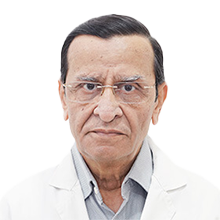
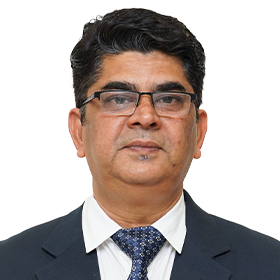
Dr. Ashok Kumar Singh

MBBS, DLO, DNB

Sr. Consultant ENT & Head and Neck Surgeon
Cochlear Implant & Snoring Surgeon

English, Hindi, Telugu, Maithili
22 Yrs
Hitec City

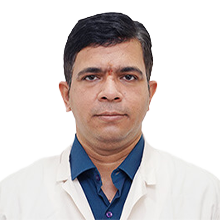
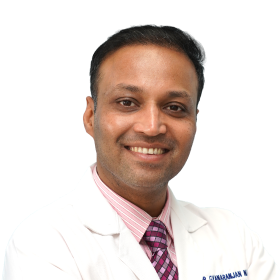
Dr Gyanaranjan Nayak

MBBS, MS, DNB, FACS

Sr Consultant ENT & Cochlear Implant Surgeon
Skull Base & Head-Neck Surgeon
Ex-Associate Professor (PGIMER Chandigarh)

English, Hindi & Oriya
10 Yrs
Hitec City

Dr. Nagendra Mahendra

MBBS, DLO, DNB (ENT)

Consultant ENT, Head and Neck Surgeon

English, Hindi, Telugu
45 Yrs
Malakpet

Dr. Raghu Kumar. S CH

MBBS, MS

Consultant ENT, Head & Neck Surgeon

English, Hindi, Telugu
19 Yrs
Malakpet

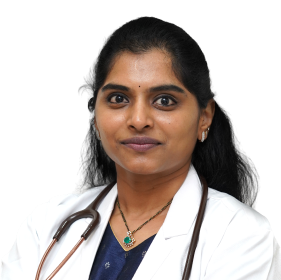
Dr. T. Mounika

MBBS, MS(ENT) Fellow in Advanced Rhinology and Skull Base Surgery

Associate Consultant, ENT, Head & Neck Surgeon

English, Telugu, Hindi & Tamil
8 Yrs
Malakpet

Dr. R. Vijay Kumar

MS (ENT & HNS)

Clinical Director, Sr. Consultant ENT, Skull Base, Head & Neck Surgeon

Telugu, English, Hindi
28 Yrs
Secunderabad

Dr. Avvaru Satya kiran

MBBS, DLO, DNB (ENT) Fellow in Implant Otology (CMC, Vellore) Advanced Cochlear Surgeon Training (ICIT, USA) Fellowship Diploma in Lateral Skull Base Surgery (WSBF)

Senior Consultant ENT and Head & Neck Surgeon, Cochlear Implant Surgeon & Skull Base Surgeon

English, Hindi, Telugu,Tamil
18 Yrs
Secunderabad

Dr. KVSSRK Sastry

MS, DNB ENT

Sr consultant ENT head and Neck surgeon

English, Hindi, Telugu
27 Yrs
Somajiguda

Why Choose Yashoda Hospitals

Yashoda Hospitals is committed to providing world-class treatment for patients from across the globe. With the unique combination of state-of-the-art technology, intuitive care, and clinical excellence, we are the healthcare destination for thousands of international patients in India.

blank
Comprehensive Care

On the journey to good health, we understand that it is important for you to feel at home. We plan out all aspects of your trip.

blank
Expert Doctors

Experienced specialists perform non-invasive and minimally invasive surgeries to provide the best treatment for international patients.

blank
Cutting-Edge Technology

Our hospitals are equipped with advanced technology to perform a wide range of procedures and treatments.

blank
Clinical Excellence

We deliver excellence by delivering quick and efficient healthcare and through pioneering research that helps all our future.patients.

All major insurance are accepted for
Sleep Apnea Surgery Cost In India Treatment


Our Locations

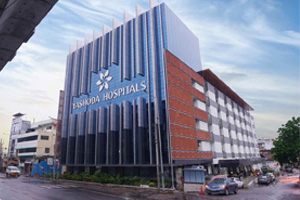
  • Malakpet Location

    Malakpet

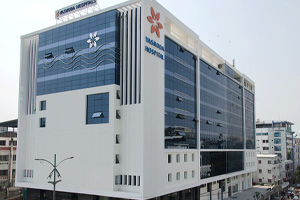
  • Somajiguda Location

    Somajiguda

  • Secunderabad Location

    Secunderabad

  • Hitec City Location

    Hitec City

FAQ's

If left untreated, sleep apnea can be lethal. Repeated drops in oxygen levels can increase the risk of heart attack, stroke, arrhythmias, and sudden cardiac death, especially in severe cases.

Because sleep apnea occurs while sleeping, many people are unaware when their breathing pauses. Symptoms like loud snoring, fatigue, and headaches are mostly ignored or mistaken for stress or poor sleep habits.

Treatment of sleep apnea is based on how serious the patient's condition is and the cause of sleep apnea. CPAP continuous positive airway pressure treatment is the most effective non-surgical option. Weight loss and lifestyle changes. Oral appliances Surgery (in selected cases, with structural blockage) is helpful.

Yes, sleep apnea can recur over time, mainly if there are any changes like weight gain, aging, or new airway obstruction. Even after successful surgery, long-term follow-up is essential to ensure symptoms do not return.

The most advanced option to treat sleep apnea currently is hypoglossal nerve stimulation (Inspire therapy). In this therapy, a small implant stimulates tongue muscles to keep the airway open during sleep. Minimally invasive and effective for selected patients who cannot tolerate CPAP continuous positive airway pressure treatment. Other new approaches include robotic airway surgery and targeted multi-level procedures.

Sleep apnea surgery normally takes 1 to 4 hours, based on the type and whether multiple procedures are done in combination.

The initial recovery time from sleep apnea surgery is 1-2 weeks, whereas full recovery takes anywhere between 3-6 weeks.

The success rate of sleep apnea surgery varies by surgery type and patient selection.

40% to 60% improvement

upto 80% to 90% success in serious cases

70% to 80% effectiveness.

Terms and conditions

All the cost and surgery information provided on the website is primarily to enable the users to obtain a better understanding of Yashoda Hospitals and the medical services provided by it, and the information thereby provided is subject to changes and modifications as and when required without any prior notice. Actual cost of the surgery details would be confirmed at the hospital after doctor consultation only.

Yashoda Hospitals does not represent or endorse the accuracy, completeness or reliability of any information displayed, uploaded or distributed through the website. The usage of the content implies that you acknowledge that any reliance upon any such statement or information shall be at your own risk. Yashoda Hospitals does not resume any responsibility related to the accuracy of information provided or made available. None of the individual developers, system operators, third-party contributors and management of Yashoda Hospitals or anyone else connected to Yashoda Hospitals can be held responsible for the results or consequences incurred due to any reliance being placed or adopt any of the information presented on this website.

Book an appointment
in 2 minutes