Select Page

Get a Free Second Opinion

Plasmapheresis Cost In India

– Providing 30+ years of world-class healthcare to diverse communities.
– 600+ specialists across 62 medical specialties providing expert care
– Advanced technology and procedures for top-quality patient care
– Minimally invasive procedures for faster recovery and comfort
– Advanced surgical suites and ICUs for critical care

Plasmapheresis is a medical therapy that assists in cleaning the blood by removing harmful substances from it. The blood is made up of different components, which include red blood cells, white blood cells, platelets, as the solid part, and a liquid part that is called plasma. In some conditions, the liquid part of blood, which is plasma, might contain unwanted elements like harmful antibodies, toxins, or abnormal proteins that can affect the body’s natural functioning. Plamapheresis works by separating the plasma from the rest of the blood, filtering it, and then replacing it with clean plasma or substitute fluid. Plasmapheresis is normally done using a special machine that carefully draws blood from the body, processes it, and returns the healthy components of the blood to the bloodstream. This continuous process helps reduce the levels of dangerous substances circulating in the blood. The outcome, it can support the body in regaining balance and improving overall function. One of the important benefits of plasmapheresis is that it directly targets the blood, allowing for a quick reduction in damaging elements in comparison to many other therapies. It is considered to be an accurate and controlled treatment that has become a vital part of modern medical care. Overall, plasmapheresis plays a vital role in managing complicated conditions by assisting in restoring a healthier blood composition.

What Is The Cost Of Plasmapheresis In India?

The cost of plasmapheresis in India ranges from 23,000 Rs to 95,000 Rs per session. It can go up to 50,000 Rs to 1,20,000 Rs for advanced/selective techniques. The table below provides approximate cost ranges for all recognized types of plasmapheresis in India.

Type Of Plasmapheresis  Cost In India 
Therapeutic Plasma Exchange (TPE/PLEX)  23,000 Rs to 95,000 Rs/session
Donor Plamapheresis  5,000 Rs to 20,000 Rs 
Autologus Plamapheresis  30,000 Rs to 80,000 Rs/session 
Centrifugal Plasmapheresis  25,000 Rs to 70,000 Rs/session
Membrane Filtration Plasmapheresis  25,000 Rs to 70,000 Rs/session
Double Filtration Plamapheresis (DFPP)  40,000 Rs to 1,00,000 Rs/session 
Cascade Plasmapheresis 50,000 Rs to 1,10,000 Rs/session
Selective Plasma Exchange (SePE) 45,000 Rs to 1,00,000 Rs/session 
Immunoadsorption plasmapheresis  70,000 Rs to 1,20,000 Rs +/session 
Cryofiltration (Cryopheresis)  50,000 Rs to 1,10,000 Rs/session 
Lipoprotein Apheresis  60,000 Rs to 1,20,000 Rs/session 
HELP Apheresis (Heparin-Induced LDL Precipitation)  80,000 Rs to 1,50,000 Rs/session 
Extracorporeal Photopheresis (ECP) 80,000 Rs to 1,50,000 Rs/session 

Enquire now

Who Needs Plasmapheresis Treatment?

  • Plasmapheresis treatment is suggested for patients with Guillain-Barré syndrome, to remove harmful antibodies that can cause weakness or paralysis by attacking the nerves.
  • The treatment is also recommended in patients identified with Myasthenia Gravis, who mostly benefit from this therapy, mainly during serious episodes. The plasmapheresis treatment assists in decreasing antibodies that affect the strength of the muscle.
  • Plasmapheresis is also suggested as a treatment option in people with systemic lupus erythematosus. Individuals might need this therapy when their immune system produces harmful substances that might damage the organs.
  • Plasmapheresis is recommended for patients with long-term inflammatory demyelinating polyneuropathy to improve functionality by removing or clearing the damaging immune factors.
  • Plasmapheresis is also suggested in patients with multiple sclerosis, especially when there is a serious relapse, to decrease immune-related damage.
  • Patients dealing with serious hyperviscosity syndrome might require plasmapheresis to thin the blood and improve circulation.
  • Plasmapheresis is also recommended in patients with Waldenstrom macroglobulinemia or similar conditions to remove extra protein from the blood.
  • Plasmapheresis is also suggested in people with Goodpasture syndrome to eliminate harmful antibodies that affect the lungs and kidneys.
  • Patients dealing with serious autoimmune encephalitis might benefit as the procedure assists in removing antibodies that affect the functioning of the brain.

Enquire now

Types of Treatment For Removing Harmful Substances From Blood

  • Medicines (Immunosuppressants): Medicines like steroids and other immunosuppressants decrease the activity of the immune system and assist in controlling diseases like systemic lupus erythematosus.
  • Intravenous Immunoglobulin (IVIG): This therapy involves giving healthy antibodies through a vein to block harmful immune responses and improve the symptoms.
  • Immunoadsorption: Is a more selective process that removes specific antibodies from the blood without replacing the entire plasma.
  • Dialysis: Is mainly used to treat kidney-related issues to remove waste products and excess fluid from the blood.
  • Hemoperfusion: Blood is passed through a special filter to remove toxins and harmful substances directly.
  • Extracorporeal Photopheresis: Blood cells are treated with light after being exposed to a medication, which helps in controlling the activity of the immune system.
  • Biologic therapies: These are advanced drugs that target specific parts of the immune system to decrease inflammation and disease activity.
  • Supportive Care: This includes treatments like fluids, pain relief, and management of symptoms to stabilize the patient while the body recovers.
  • Blood Transfusion: In some conditions, transfusion of blood components assists in replacing damaged or deficient elements in the blood.
  • Lifestyle And Medical Management: Proper diet, rest, and regular medical care can assist in controlling the symptoms and supporting overall recovery.

Enquire now

Factors Influencing the Cost Of Plasmapheresis

  • Type of plasmapheresis utilized
  • Number of sessions needed
  • Type of hospital or treatment center
  • Doctor’s expertise
  • Replacement fluids utilized
  • Severity of the patient’s condition
  • Technology and equipment
  • Location of the hospital
  • Pre-procedure tests and monitoring
  • Hospital stay and additional care
  • Medications and supportive treatment
  • Insurance coverage

Enquire now

Types of Plasmapheresis

  • Therapeutic Plasma Exchange (TPE/PLEX): It is the most common type of plasmapheresis method, where plasma is removed and replaced with donor plasma or albumin to eliminate harmful substances from the blood.
  • Donor Plasmapheresis: In this type, plasma is collected from a healthy donor for transfusion purposes while the remaining blood components are returned.
  • Autologous Plasmapheresis: In this procedure, the patient’s plasma is removed, treated, or filtered, and then returned to the same individual.
  • Centrifugal Plasmapheresis: In this method, a machine called a centrifuge is utilized to spin the blood and separate plasma from other components based on density.
  • Membrane Filtration Plasmapheresis: This method separates plasma using special membrane filters instead of spinning, which allows controlled filtration
  • Double Filtration Plasmapheresis (DFPP): Blood passes through two filters, where the second filter removes large, harmful molecules while retaining useful components.
  • Cascade Plasmapheresis: Is a highly refined filtration process that selectively removes specific proteins or lipids from plasma in a step-by-step manner.
  • Selective Plasma Exchange (SePE): Is a method where only targeted harmful substances are  removed while most of the normal plasma is preserved.
  • Immunoadsorption Plasmapheresis: Is a highly selective method that utilizes special columns to remove specific antibodies from the plasma.
  • Cryofiltration (Cryopheresis): In this method, plasma is cooled to allow certain abnormal proteins to solidify and be removed before returning to the rest of the body.
  • Lipoprotein Apheresis: Is a method that removes harmful lipoproteins such as LDL cholesterol from the blood.
  • HELP Apheresis (Heparin-Induced LDL Precipitation): Is a specialized method that uses heparin to remove LDL cholesterol and other lipids from the plasma.
  • Extracorporeal Photopheresis (ECP): In this method, blood cells are treated with a light-sensitive drug and exposed to UV light before being returned, helping in controlling immune activity.

Enquire now

Post-Procedure Care For Plasmapheresis

  • After the completion of the plasmapheresis procedure, the patients are normally advised to rest for a few hours after the procedure to allow the body to stabilize.
  • Post-plasmapheresis, it is vital for the patient to stay well hydrated, as fluids assist in controlling blood volume and help in recovery.
  • Moderate symptoms like tiredness, dizziness, or low blood pressure might occur after the procedure and might normally get better after proper rest.
  • The site of injection or catheter insertion should be kept clean and dry to prevent infection, and the patients should watch for signs of infection like redness, swelling, pain, or fever, and report them immediately.
  • After the plasmapheresis procedure, patients should have a balanced diet rich in proteins and nutrients, which helps the body to recover and restore the plasma components.
  • Doctors might suggest monitoring blood counts and electrolyte levels after the plasmapheresis procedure.
  • Any abnormal symptoms like bleeding, serious weakness, or allergic reactions should be reported promptly.
  • After the plasmapheresis procedure, the patients should avoid all stressful activities for a short period of time after the completion of the session.
  • The patient should continue prescribed medicines, and follow-up visits are important for proper recovery and effectiveness of treatment.

Enquire now

Making An Informed Decision On Plasmapheresis

If the patient is making an informed decision on plasmapheresis, it should involve understanding how the procedure works and what are the benefits that it may offer for treating their condition. It is important to talk to a specialist to ascertain if it is appropriate for diseases like Guillain-Barré syndrome and Myasthenia Gravis. The patients should also consider the number of plasmapheresis sessions needed, possible hospital stay, and the overall treatment plan. Examining the cost, availability of modern procedures, and the expertise of the medical team is also important. A well-informed decision comes from balancing the medical advice, urgency of the condition, and long-term health goals.

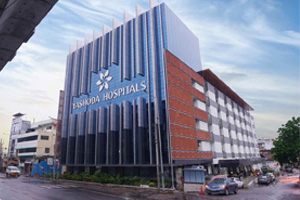
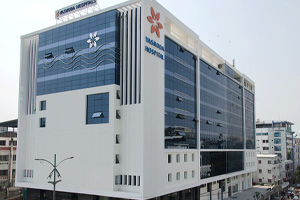
Yashoda Hospitals should be the premier choice for plasmapheresis, as it ensures access to advanced, technology-driven treatment supported by specialized nephrology and transfusion medicine units. The hospital is equipped with modern apheresis machines and infrastructure to promote safe and effective plasma exchange procedures. The patients should benefit from a multidisciplinary team of experts who create personalized treatment plans for patients opting for Yashoda Hospitals.

Enquire now


Specialist Doctors

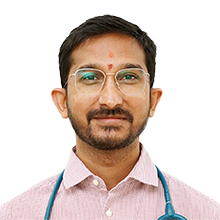
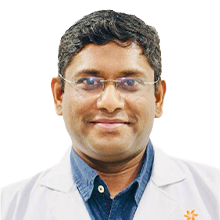
Dr. Rajasekara Chakravarthi Madarasu

MBBS, MD (Internal Medicine), DNB (Nephrology)

Senior Consultant Nephrologist, Clinical Director & HOD of Nephrology and Transplant Services

English, Hindi, Telugu
30 Yrs
Hitec City

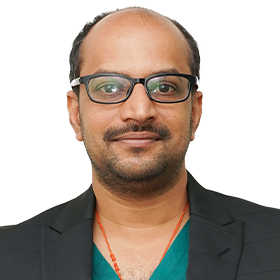
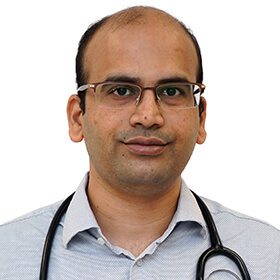
Dr. Penmetsa Vijay Varma

MD (General Medicine), DM (Nephrology)

Consultant Nephrologist

English, Hindi, Telugu, Kannada
17 Yrs
Hitec City

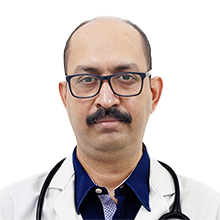
Dr. Jaswanth Challa

MD (Gen. Med), DM (Nephrology) JIPMER

Consultant Nephrologist

Telugu, Hindi, Tamil, English
16 Yrs
Hitec City

Dr Mahesh Kota

MD, IDCCM, DNB (Nephro)

Consultant Nephrologist

Telugu, Tamil and English
8 Yrs
Hitec City

Dr. Muralinath Vukkadala

MBBS, MD (Internal Medicine), DrNB (Nephrology)

Consultant Nephrologist & Renal Transplant Physician In-Charge, Renal Transplant Unit

Telugu, Hindi, Tamil, and English
5 Yrs
Hitec City

Dr. Sashi Kiran A

MD (Pediatrics), DM (Nephrology)

Consultant Nephrologist

English, Hindi, Telugu, Kannada
18 Yrs
Malakpet

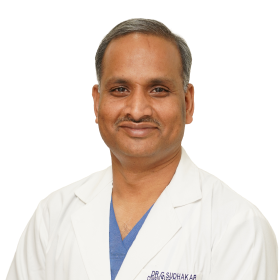
Dr. G. Sudhakar

MD, DM (Nephrology)

Consultant Nephrologist

English, Hindi, Telugu, Tamil, Bengali
15 Yrs
Malakpet

Dr. Chetan Veeramaneni

MBBS, DNB (Gen Med), DM Nephrology (Osm), F. Diab (UK)

Consultant Nephrologist & Renal Transplant Physician

Telugu, Hindi, English, Malayalam
5 Yrs
Malakpet

Dr. V. Suresh Babu

MD, DM (Nephrology)

Consultant Nephrologist

English, Hindi, Telugu
23 Yrs
Secunderabad

Dr P.S. Vali

MD (Gen Med), DM (Nephro) Gold Medallist

Sr Consultant Nephrologist & Transplant Physician

English, Hindi & Telugu
22 Yrs
Secunderabad

Dr. Mamidi Pranith Ram

MBBS, MD, DM (Nephrology)

Consultant Nephrologist and Renal Transplant Physician

English, Hindi, Telugu, Tamil
14 Yrs
Secunderabad

Dr. Tarun Kumar Saha

MD, DNB (Internal Medicine), DM (Nephrology) (PGI Chandigarh)

Sr. Consultant Nephrologist & Transplant Physician

English, Hindi, and Telugu
32 Yrs
Somajiguda

Dr. Dilip M Babu

MD (Internal Medicine), DM (Nephrology)

Sr. Consultant Nephrologist and Transplant Physician

Telugu, Marathi, Hindi, English
24 Yrs
Somajiguda

Dr. Vamsi Krishna Nagalla

MD (NIMS), DM (NIMS)

Consultant Nephrologist and Transplant Physician

Telugu, English, Hindi
7 Yrs
Somajiguda

Why Choose Yashoda Hospitals

Yashoda Hospitals is committed to providing world-class treatment for patients from across the globe. With the unique combination of state-of-the-art technology, intuitive care, and clinical excellence, we are the healthcare destination for thousands of international patients in India.

blank
Comprehensive Care

On the journey to good health, we understand that it is important for you to feel at home. We plan out all aspects of your trip.

blank
Expert Doctors

Experienced specialists perform non-invasive and minimally invasive surgeries to provide the best treatment for international patients.

blank
Cutting-Edge Technology

Our hospitals are equipped with advanced technology to perform a wide range of procedures and treatments.

blank
Clinical Excellence

We deliver excellence by delivering quick and efficient healthcare and through pioneering research that helps all our future.patients.

All major insurance are accepted for
Plasmapheresis Cost In India Treatment


Our Locations

  • Malakpet Location

    Malakpet

  • Somajiguda Location

    Somajiguda

  • Secunderabad Location

    Secunderabad

  • Hitec City Location

    Hitec City

FAQ's

A single session of plasmapheresis normally takes between 2 and 4 hours based on the patient’s condition and the volume of plasma being exchanged.

Most patients recover quickly within a few hours to a day after plasmapheresis, although a moderate amount of fatigue might last for a short period.

The success rate of the plasmapheresis procedure varies by condition, but in diseases like Guillain-Barré syndrome and Myasthenia Gravis, it shows good improvement in condition of 60% to 80% patients.

Most patients need 3-7 sessions over 1-2 weeks of plasmapheresis, based on the seriousness of the condition being treated.

The plasmapheresis is not a painful procedure, though patients might experience slight discomfort at the site of needle insertion.

Yes, plasmapheresis is considered to be a safe method when done under medical supervision, though repeated sessions of plasmapheresis need careful monitoring.

Moderate side effects of the plasmapheresis procedure include low blood pressure, dizziness, or fatigue, which usually resolve quickly.

Plamapheresis assists in controlling symptoms by removing harmful substances, but is normally a broader treatment plan rather than a permanent cure.

Some patients notice improvement within a few days after a plasmapheresis procedure, especially in short-term conditions. While other conditions might take a bit longer.

It depends on the condition; some patients are treated as outpatients during plasmapheresis, while others might need a short hospital stay for monitoring.

Terms and conditions

All the cost and surgery information provided on the website is primarily to enable the users to obtain a better understanding of Yashoda Hospitals and the medical services provided by it, and the information thereby provided is subject to changes and modifications as and when required without any prior notice. Actual cost of the surgery details would be confirmed at the hospital after doctor consultation only.

Yashoda Hospitals does not represent or endorse the accuracy, completeness or reliability of any information displayed, uploaded or distributed through the website. The usage of the content implies that you acknowledge that any reliance upon any such statement or information shall be at your own risk. Yashoda Hospitals does not resume any responsibility related to the accuracy of information provided or made available. None of the individual developers, system operators, third-party contributors and management of Yashoda Hospitals or anyone else connected to Yashoda Hospitals can be held responsible for the results or consequences incurred due to any reliance being placed or adopt any of the information presented on this website.

Book an appointment
in 2 minutes