Select Page

Get a Free Second Opinion

Mechanical Thrombectomy Cost In India

Mechanical Thrombectomy is a state-of-the-art emergency stroke therapy utilized to get rid of a blood clot blocking blood flow to the brain. It is normally performed in patients suffering from short-term ischemic stroke, where the quick restoration of blood flow is required to prevent permanent brain damage. During the process, a neurointerventional specialist thrusts a thin catheter through a blood vessel, normally from a groin or wrist, and guides it to the blocked artery in the brain to physically remove the clot using specialized devices. This minimally invasive technology has transformed stroke care by greatly improving survival rates and decreasing the rate of long-term disability when performed within the suggested treatment time. Mechanical thrombectomy is used in combination with clot-dissolving medicines for better results. State-of-the-art imaging technologies, such as computed tomography perfusion scans, magnetic resonance imaging, and cerebral angiography, assist specialists in quickly identifying suitable candidates for the procedure. Modern stroke centers are increasingly equipped with specific neurointerventional labs, round-the-clock response teams, and advanced critical care support to manage complicated stroke emergencies successfully. Early identification of stroke signs and quick medical attention play a vital role in the success of thrombectomy therapy. With timely treatment and specific post-stroke rehab, many individuals can regain independence and improve their quality of life after a serious stroke.

Factors Affecting

What is the cost of mechanical thrombectomy in India?

The cost of mechanical thrombectomy in India ranges from Rs 2,50,000 to Rs 8,00,000 +. The table below provides the approximate cost range of all the recognized types of Mechanical Thrombectomy in India.

Mechanical Thrombectomy Types  Cost in India 
Stent Retriever Thrombectomy  Rs 2,50,000  to  Rs 5,00,000 
Aspiration Thrombectomy  Rs 2,50,000  to  Rs 4,50,000 
Combined Technique Thrombectomy  Rs 3,00,000  to  Rs 6,00,000  
Advanced Neurovascular Thrombectomy For Complex Stroke  Rs 5,00,000  to  Rs 8,00,000 + 

Enquire now

Who Needs Mechanical Thrombectomy?

Mechanical Thrombectomy is suggested in patients with an acute ischemic stroke triggered by a large blood clot blocking the flow of blood to the brain.

It is suggested that patients with sudden symptoms such as:

  • Weakness or paralysis on one side of the body.
  • Facial drooping, Difficulty speaking or understanding speech.
  • Sudden loss of vision.
  • Loss of balance or coordination.
  • Sudden confusion.
  • Mechanical Thrombectomy is also recommended in patients whose scans show a blockage in large blood vessels of the brain.
  • It is also recommended for people who reach the hospital within a suggested time window after a stroke, normally within 6 hours and in selected cases up to 24 hours.
  • It is also suggested that patients who still have salvageable brain tissue, as shown in imaging studies.
  • It is also suggested for individuals with serious stroke symptoms and major neurological deficits.
  • Mechanical thrombectomy is also recommended in patients who do not improve sufficiently after receiving clot-dissolving medicines such as alteplase, or in patients who are not suitable to receive clot-busting medicines due to the risk of bleeding or other complications.
  • Mechanical thrombectomy is also used as a treatment method in patients with basilar artery or other major brain artery blocks that can become life-threatening.
  • Mechanical thrombectomy is also suggested in patients with wake-up strokes when diagnostic imaging studies are performed, and they suggest that the brain tissue that is worth treating is still present.
  • It is also suggested that individuals be examined and approved for mechanical thrombectomy treatment by a specialized stroke and neurointervention team.

Enquire now

Factors Affecting
Factors Affecting

Types of Stroke Treatment

  • Intravenous Thrombolysis: Clot-busting medicines such as alteplase or tenecteplase might be given through a vein to dissolve the clot and revive the flow of blood to the brain. This therapy gives better output when administered quickly after the signs of stroke start to appear.
  • Medical And Supportive Stroke Care: Some patients are supervised with intense observation, keeping blood pressure under control, oxygen support, and rehabilitation treatment. This method assists in stabilizing the patient and preventing further injury to the brain, especially when mechanical thrombectomy is not suitable.
  • Antiplatelet Treatment: Medicines like Aspirin and clopidogrel assist in steering clear of new clots being formed and decrease the risk of another stroke. They are mostly used in mild stroke cases or after initial treatment.

  • Anticoagulation Treatment: Blood-thinning medicines like warfarin, apixaban, or rivaroxaban might be suggested in patients with stroke related to atrial fibrillation or heart disease. These medicines assist in steering clear of clots developing in the future.
  • Carotid Endarterectomy: Is a surgical method that removes the buildup of plaque from the carotid artery in the neck to improve the flow of blood to the brain. It is normally suggested for patients dealing with serious carotid artery narrowing.
  • Carotid Artery Stenting: A little stent is thrust through the already narrowed carotid artery to keep it open and improve blood flow. It is a minimally invasive option that might be suitable for patients who are not suitable for open surgery.
  • Decompressing Carniectomy: In serious cases of stroke with dangerous swelling inside the brain, surgeons might temporarily remove part of the brain to provide relief from pressure buildup inside the brain. This method can assist in steering clear of life-threatening problems/issues.
  • Conservative/Palliative Care: Some patients with complete brain damage or those suffering from serious damage to the brain might receive encouraging and comfort-focused therapy instead of invasive-procedures. Care is concentrated on controlling symptoms, rehabilitation, and quality of life.

Enquire now

Factors Influencing the Cost Of Mechanical Thrombectomy In India

  • Seriousness and location of the stroke
  • Time taken to reach the hospital after the onset of stroke
  • Complexity of the blocked artery
  • Type of thrombectomy used
  • ICU and ventilator support needs
  • Neuroimaging and diagnostic scans
  • Hospital infrastructure and stroke center facilities
  • Experience of neurointerventional specialists
  • Duration of hospitalization and rehabilitation
  • Presence of problems or repeated methods
  • Medicines, blood thinners, and post-stroke care
  • City and hospital care
  • Insurance coverage and room selection

Enquire now

Factors Affecting

Types of Mechanical Thrombectomy

  • Stent Retriever Thrombectomy: A mesh-like stent device is guided into the blocked artery to trap and remove the clot, helping quickly restore blood flow to the brain.
  • Aspiration Thrombectomy: A powerful suction catheter removes the clot directly from the artery, often decreasing procedure time in suitable patients.
  • Combined Technique Thrombectomy: Combines suction aspiration and stent retrievers for difficult or large-vessel strokes needing enhanced clot removal.
  • Advanced Neurovascular Thrombectomy: Utilized in highly complex stroke cases requiring advanced neurointerventional expertise, multiple devices, and critical neuro-ICU management.

Enquire now

Post-Operative Procedure After Mechanical Thrombectomy

After a patient undergoes a mechanical thrombectomy procedure, they are kept under close observation inside the intensive care unit (ICU), or stroke unit, for the status of their neurological condition, blood pressure, heart rate, and levels of oxygen.

After the completion of the thrombectomy procedure, doctors conduct continuous neurological evaluations to identify any developments or early problems after mechanical thrombectomy.

Brain Imaging examinations like computed tomography scan or magnetic resonance imaging might be repeated to check the flow of blood restoration and eliminate bleeding or swelling.

Blood pressure is carefully managed to decrease the chances of bleeding and safeguard the brain after removal of the blood clot.

The site of catheter insertion, normally in the groin or wrist, is observed for bleeding, swelling or infection.

Patients after mechanical thrombectomy might require lying flat for some hours after the procedure to decrease the risk of bleeding at the puncture site.

Medicines such as antiplatelets, anticoagulants, or cholesterol-lowering drugs might be started or adjusted to stop future strokes.

Oxygen therapy, intravenous fluids, and blood sugar management might be delivered to support recovery.

Swallowing evaluation is mostly performed prior to giving food or liquids to prevent choking or aspiration.

Initial physiotherapy, speech therapy, and rehabilitation are started to enhance mobility, speech, and daily functioning.

Doctors examine and provide therapy to the underlying causes of stroke, such as atrial fibrillation, carotid artery disease, or hypertension.

Patients and families get educated on the warning signs of stroke, lifestyle modifications, medicines, and follow-up care.
Continuous follow-up appointments and repeat imaging might be scheduled to monitor recovery and decrease the risk of recurrence.

Enquire now

Making An Informed Decision About Mechanical Thrombectomy

Mechanical thrombectomy is greatly time-sensitive, making quick hospital arrival one of the most vital factors for successful recovery after stroke. Patients and families should pick a hospital with a dedicated stroke center, experienced neurointerventional specialists, advanced brain imaging, and 24/7 emergency stroke care. Understanding the risks, benefits, rehab requirements, and expected recovery timeline can assist families feel more prepared during therapy. Access to neurocritical care units and multidisciplinary teams also plays a major role in long-term recovery. Discussing the options of therapy and prognosis with the medical team helps ensure better decision-making during emergencies. Quick action and specialized stroke care can greatly improve survival and decrease long-term disability.

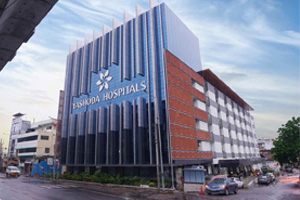
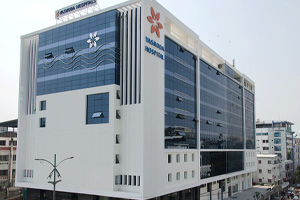
Yashoda Hospital offers advanced, comprehensive stroke care with experienced neurointerventional specialists, state-of-the-art cath labs, and 24/7 emergency stroke response teams. Yashoda Hospital is equipped with state-of-the-art neuroimaging technology, neurocritical care units, and minimally invasive stroke treatment facilities for managing complex brain emergencies. Integrated rehabilitation support, intensive monitoring, and multidisciplinary neurological expertise help improve recovery results after stroke treatment. With quick diagnosis and timely intervention protocols, Yashoda Hospital focuses on decreasing stroke-related disability and improving patient survival.

Enquire now

Specialist Doctors

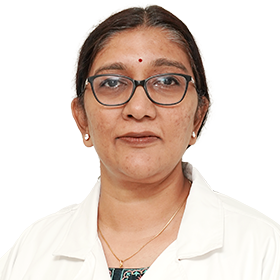
Prof. Dr. Rupam Borgohain

DM (Neurology)

Senior Consultant Neurologist and Programme Director-PDMDRC

English, Hindi, Telugu, Assamese
41 Yrs
Hitec City

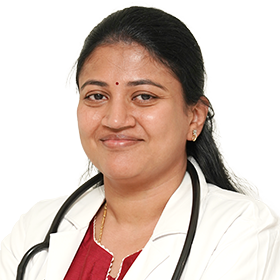
Dr. G. V. Subbaiah Chowdhary

MD, DM (Neurology)

Senior Consultant Neurologist & Clinical Director

English, Hindi, Telugu
26 Yrs
Hitec City

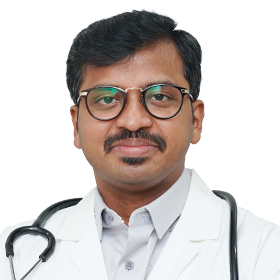
Dr. Rajesh Alugolu

MS, MCh (Neurosurgery)

Sr. Consultant Neurosurgeon-PDMDRC, Clinical Director-PDMDRC.

Telugu, Hindi, English, Tamil, Odiya, Bengali
26 Yrs
Hitec City
5 (8 reviews)

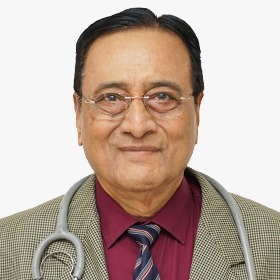
Dr. Rukmini Mridula Kandadai

DNB, DM (Neurology)

Sr. Consultant Neurologist, Clinical Director- PDMDRC ( Parkinson’s Disease and Movement Disorders Research Centre)

Telugu, Tamil, Hindi, English
26 Yrs
Hitec City
5 (3 reviews)

Dr. Venkata Swamy Pasupula

MBBS, DM (Neurology)

Consultant Neurologist and Epileptologist

Telugu, English & Hindi
25 Yrs
Hitec City
5 (7 reviews)

Dr. Sruthi Kola

MD, DM Neurology, PDF Movement Disorders

Consultant Neurologist, Consultant PDMDRC

English and Telugu
16 Yrs
Hitec City
5 (1 reviews)

Dr. Yeshwanth Paidimarri

MD, DM(Neurology), SCE(UK)

Consultant Neurologist

English, Hindi, and Telugu
16 Yrs
Hitec City
4.9 (249 reviews)

Dr. Sagari Gullapalli

MD, DM Neurology, PDF Epilepsy

Consultant Neurologist & Epileptology Specialist (Pediatric & Adult)

Hindi, English, Telugu, Tamil, Malayalam
14 Yrs
Hitec City

Dr. K. Krishna Reddy

MD, DM (Neurology)

Consultant Neurologist

English, Hindi, Telugu
42 Yrs
Malakpet

Dr. Emani Srikanth Reddy

DM (Neurology)

Senior Consultant Neurologist

English, Hindi, Telugu
25 Yrs
Malakpet

Dr. Varun Reddy Gundluru

MD (Manipal), DM Neurology (AIIMS, New Delhi)

Consultant Neurologist

Telugu, English, Hindi, Kannada
13 Yrs
Malakpet
4.9 (14 reviews)

Dr. Bharath Kumar Surisetti

MD, DM (Neurology), PDF Movement Disorders (NIMHANS)

Consultant Neuro Physician

English, Hindi, Telugu
9 Yrs
Malakpet
5 (89 reviews)

Dr. Kandraju Sai Satish

MD, DM (Neurology), PDF in Epilepsy

Consultant Neurologist & Epileptologist

English, Hindi, Telugu, Malayalam
24 Yrs
Secunderabad
4.9 (92 reviews)

Dr. R. N. Komal Kumar

DM, Fellowship in Stroke and Neurosonology

Clinical Director, Consultant Neurologist & Head-Cerebrovascular Unit

English, Hindi, Telugu, Tamil, Kannada, Malayalam
24 Yrs
Secunderabad
4.5 (17 reviews)

Dr. Shivaram Rao K

MD, DM (Neurology)

Consultant Neuro Physician

Telugu, English, Hindi, Kannada
13 Yrs
Secunderabad
4.9 (300 reviews)

Dr. Jaydip Ray Chaudhuri

MBBS, MD, DM (NIMHANS), MNAMS, FEBN, MRCP (Neurology-UK), FRCP (EDIN)<br> Fellow European Board of Neurology

Sr. Consultant Neuro Physician, HOD, Department of Neurology

English, Hindi, Telugu, Bengali & kannada
25 Yrs
Somajiguda
4.1 (17 reviews)

Dr. Raja Sekhar Reddy G

MD, DM (Neurology)

Sr. Consultant Neuro Physician

English, Hindi, Telugu, Tamil, Kannada
19 Yrs
Somajiguda
5 (91 reviews)

Dr. Mohan Krishna Narasimha Kumar Jonnalagadda

MBBS, MD (Internal Medicine), DM (Neurology)

Sr. Consultant Neurologist

English, Hindi, Telugu
10 Yrs
Somajiguda
4.5 (24 reviews)

Dr. S. Sandeep Kumar

MBBS, MD (Internal Medicine, SCB, Cuttack), DM (Neurology, BIN, Kolkata), PDF (Cognitive Neuroscience, NIMHANS, Bangalore)

Consultant Neuro Physician

English, Hindi, Odia, Telugu, Bengali
7 Yrs
Somajiguda
4.5 (17 reviews)

Why Choose Yashoda Hospitals

Yashoda Hospitals is committed to providing world-class treatment for patients from across the globe. With the unique combination of state-of-the-art technology, intuitive care, and clinical excellence, we are the healthcare destination for thousands of international patients in India.

blank
Comprehensive Care

On the journey to good health, we understand that it is important for you to feel at home. We plan out all aspects of your trip.

blank
Expert Doctors

Experienced specialists perform non-invasive and minimally invasive surgeries to provide the best treatment for international patients.

blank
Cutting-Edge Technology

Our hospitals are equipped with advanced technology to perform a wide range of procedures and treatments.

blank
Clinical Excellence

We deliver excellence by delivering quick and efficient healthcare and through pioneering research that helps all our future.patients.

All major insurance are accepted for
Mechanical Thrombectomy Cost In India Treatment


Our Locations

  • Malakpet Location

    Malakpet

  • Somajiguda Location

    Somajiguda

  • Secunderabad Location

    Secunderabad

  • Hitec City Location

    Hitec City

FAQ's

In many cases, early thrombectomy can greatly improve movement, speech, and neurological recovery by quickly restoring blood flow to the brain.

While earlier therapy offers better results, some patients might still benefit up to 24 hours after stroke onset based on advanced brain imaging outcomes.

Some thrombectomy procedures are performed under local anesthesia or mild sedation, while others need general anesthesia depending on the patient’s condition.

Yes, there is still risk of future strokes if underlying conditions like high blood pressure, atrial fibrillation, diabetes, or smoking are not properly managed.

No, thrombectomy is mainly suggested for selected patients with large artery blockages identified via emergency brain imaging and stroke evaluation.

Terms and conditions

All the cost and surgery information provided on the website is primarily to enable the users to obtain a better understanding of Yashoda Hospitals and the medical services provided by it, and the information thereby provided is subject to changes and modifications as and when required without any prior notice. Actual cost of the surgery details would be confirmed at the hospital after doctor consultation only.

Yashoda Hospitals does not represent or endorse the accuracy, completeness or reliability of any information displayed, uploaded or distributed through the website. The usage of the content implies that you acknowledge that any reliance upon any such statement or information shall be at your own risk. Yashoda Hospitals does not resume any responsibility related to the accuracy of information provided or made available. None of the individual developers, system operators, third-party contributors and management of Yashoda Hospitals or anyone else connected to Yashoda Hospitals can be held responsible for the results or consequences incurred due to any reliance being placed or adopt any of the information presented on this website.

Book an appointment
in 2 minutes