Select Page

Get a Free Second Opinion

Intracoronary Imaging Cost In India

Intracoronary Imaging is a state-of-the-art cardiac diagnostic technique utilized during coronary angiography to obtain in-depth images from inside the coronary arteries. It assists cardiologists in examining plaque buildup, vessel structure, artery narrowing, and stent placement with greater accuracy than conventional angiography alone. By providing real-time visualization of the artery walls and blockages, intracoronary imaging supports precise diagnosis and personalized treatment planning for coronary artery disease. It also improves procedural safety and assists in optimizing results during interventional cardiac procedures. These imaging technologies allow specialists to evaluate the composition and seriousness of arterial plaques, detect hidden abnormalities, and guide complex coronary interventions more successfully. Intracoronary imaging is especially valuable in cases where standard angiography might not clearly define the extent of the disease or the exact size of the blood vessel. It helps in selecting appropriate stent size, ensuring proper stent expansion, and identifying problems such as stent malposition ot clot formation. The use of intracoronary imaging has greatly increased the accuracy of minimally invasive cardiac procedures and contributed to improving long-term results for patients with coronary artery disease.
What Is The Cost Of Intracoronary Imaging in India?

The cost of intracoronary imaging methods in India ranges from Rs 15,000 to Rs 1,20,000. The table below provides the approximate cost ranges of all recognized types of Intracoronary Imaging in India.

Types of Intracoronary Imaging  Cost In India 
Intravascular Ultrasound (IVUS)  Rs 40,000 to Rs 1,00,000
Optical Coherence Tomography (OCT)  Rs 50,000 to Rs 1,20,000
Near Infrared Spectroscopy (NIRS)  Rs 60,000 to Rs 1,10,000
Near-Infrared Spectroscopy With IVUS (NIRS-IVUS)  Rs 70,000 to Rs 1,20,000 
Coronary Angioscopy  Rs 50,000 to Rs 1,00,000 
Fractional Flow Reserve Imaging Guided Evaluation (FFR With Imaging)  Rs 35,000 to Rs 90,000
Instantaneous Wave-Free Ratio (iFR) Guided Imaging  Rs 30,000 to Rs 80,000 
Hybrid Intracoronary Imaging  Rs 80,000 to Rs 1,20,000 +

Enquire now

Who Needs Intracoronary Imaging?

  • Intracoronary Imaging is recommended in patients with alleged or confirmed coronary artery disease needing in-depth examination of artery blockages.
  • It is suggested that in individuals undergoing coronary angiography, where standard imaging does not clearly define the severity of narrowing.
  • Intracoronary Imaging is recommended in patients planned for angioplasty or stent placement to ensure precise and accurate stent sizing and positioning.
  • It is also suggested that in individuals with complex coronary lesions, such as heavily calcified, long, or multiple blockages.
  • It is also recommended for patients with recurring chest pain or continuous symptoms after previous angioplasty or stenting.
  • It is also suggested for individuals suspected of stent-related problems, such as stent narrowing, clot formation, or improper expansion.
  • It is also recommended for patients with left main coronary artery disease needing accurate evaluation before intervention.
  • It is also suggested for individuals with heart attacks, where detailed plaque examination might assist in guiding the treatment strategy.
  • Intracoronary Imaging is also recommended in patients with ambiguous coronary lesions where additional imaging is required for better treatment planning.
  • It is also suggested for individuals with high cardiovascular risk who might benefit from state-of-the-art coronary evaluation during interventional procedures.

Enquire now

Types of diagnostic procedures for coronary artery disease

  • Coronary Angiography: A state-of-the-art imaging procedure that utilizes contrast dye and X-rays to visualize blood flow and identify blockages in the coronary arteries. It is mostly used as the primary method for identifying coronary artery disease.

  • Computed Tomography Coronary Angiography (CTCA): A non-invasive imaging evaluation that utilizies computes tomography scans to examine coronary arteries and identify narrowing or plaque buildup without inserting catheters into the heart.
  • Fractional Flow Reserve (FFR): A pressure-based evaluation performed during angiography to determine if a coronary angiography is greatly affecting blood flow to the heart muscle.
  • Instantaneous Wave-Free Ratio (iFR): A functional coronary evaluation similar to FFR that measures blood flow restriction without the requirement for medications utilized during the procedure.
  • Stress Echocardiography: Utilizes ultrasound imaging combined with exercise or medicine-induced stress to evaluate how well the heart muscle receives a supply of blood during increased activity.
  • Nuclear Stress Evaluation: A cardiac imaging evaluation that examines blood flow to the heart utilizing radioactive tracers during rest and stress conditions to identify areas with decreased circulation.
  • Cardiac Magnetic Resonance Imaging: Provides in-depth images of the structure of the heart, blood flow, and tissue health, assisting in evaluating ischemia and cardiac function without invasive catheterization.
  • Positron Emission Tomography Cardiac Imaging: A state-of-the-art nuclear imaging technique that measures blood flow and heart muscle viability with high diagnostic precision in selective cardiac patients.

Enquire now

Factors Influencing Cost Of Intracoronary Imaging

  • Type of imaging technique utilized
  • Hospital infrastructure and facilities
  • Skill of the cardiac specialist
  • Complexity of the heart condition
  • If imaging is used in combination with angioplasty
  • Number of arteries examined
  • Consumables and disposable devices used
  • Length of hospital stay
  • Insurance coverage
  • City and geographic location

Enquire now

Types of Intracoronary Imaging

  • Intravascular Ultrasound (IVUS): This type of intracoronary imaging uses a small ultrasound probe attached to a catheter to generate high-resolution images of the coronary arteries. It assists doctors in viewing the size of the artery, amount of plaque buildup, and stent placement. This information assists in improving the precision and safety of coronary treatment options.
  • Optical Coherence Tomography (OCT): Optical coherence tomography uses light waves to generate in-depth images of the inner part of the coronary arteries. It allows doctors to identify the characteristics of plaque, blood vessel damage, and the positioning of stents with high accuracy. Optical coherence tomography is mainly used when very fine details are required during treatment.
  • Near Infrared Spectroscopy (NIRS): Near infrared spectroscopy utilizes special light technology to identify fatty deposits within the walls of arteries. It assists doctors in recognizing plaques that might be more likely to rupture and cause a heart attack. This method delivers important information about the composition of arterial blockage.
  • Near Infrared Spectroscopy with IVUS (NIRS-IVUS): NIRS-IVUS combines near infrared spectroscopy and intravascular ultrasound into a single procedure. It provides both structural images of the artery and information about the type of plaque present. This combination assists doctors in making more informed decisions about therapy.
  • Coronary Angioscopy: Coronary angioscopy utilizes a miniature camera attached to a catheter to directly see the inside of coronary arteries. It allows doctors to observe plaque, blood clots, and conditions of the vessel in real time. Eventhough it is used less, coronary angioscopy can provide important visual information in selective cases.
  • Fractional Flow Reserve Imaging Guided Evaluation (FFR With Imaging): FFR with imaging combines pressure measurements and artery imaging to ascertain how much the blood flow is affected by blockage. It assists doctors in deciding if a narrowed artery needs therapy or can be managed with just medicines. This method supports more specific treatment planning.
  • Instantaneous Wave-Free Ratio (iFR) Guided Imaging: iFR-guided imaging examines blood flow through coronary arteries without the need to use some of the medicines that are utilized during traditional pressure testing. It assists in evaluating if a blockage is causing significant restriction of blood flow. The procedure is fast, comfortable, and helps in better therapy decision-making.
  • Hybrid Intracoronary Imaging Hybrid intracoronary imaging combines two or more imaging technologies to provide a more complete evaluation of coronary artery disease. It offers in-depth information about the structure of the artery, plaque composition, and blood flow. This complete approach assists doctors in planning and performing treatment with greater confidence and accuracy.

Enquire now

Post-Procedure Steps After Intracoronary Imaging

After the process of intracoronary imaging, the patient is transferred into a recovery area for observation.

The heart rate, blood pressure, and oxygen levels of the patients are carefully observed by healthcare professionals.

The site of catheter insertion is checked for bleeding, swelling, or infection, and a pressure bandage or closure device might be applied at the site of insertion.

The patients are advised to take rest and avoid any stressful activities for a short period of time.

A sufficient amount of fluids might be given to assist in flushing out the contrast dye from the body.

Any discomfort, pain, or unusual symptoms are evaluated and managed. The cardiologist reviews and interprets the imaging findings.

Further treatment suggestions, if needed, are discussed with the patient. Discharge instructions, medications, follow-up appointments, and activity guidelines are provided to the patient before sending them home.

Enquire now


Making An Informed Decision On Intracoronary Imaging

The patient choosing to undergo intracoronary imaging is a vital step that should only be taken after discussing their condition with a cardiologist. The patient should know why the procedure is being suggested, how it might assist in evaluating coronary artery disease, and if it will impact the planning of treatment. It is also beneficial to discuss the advantages, potential risks, expected costs, recovery process, and available alternatives. Questioning and understanding the role of the procedure in making better the diagnostic precision can assist patients in feeling more confident and informed about their heart care decisions.

Enquire now

Specialist Doctors

Dr. V. Rajasekhar

MD, DM

Senior Consultant Interventional Cardiology & Electrophysiology, Certified Proctor For TAVR & Clinical Director

English, Telugu, Hindi
30 Yrs
Hitec City
5 (1,945 reviews)

Dr. Bharat Vijay Purohit

MD, DM, FSCAI, FACC, FESC

Sr. Consultant Interventional Cardiologist & Director of Cath Lab

English, Hindi, Telugu
22 Yrs
Hitec City
4.8 (38 reviews)

Dr. Gopi Krishna Rayidi

MD, DM

Sr. Consultant Interventional Cardiologist
Clinical Director

Telugu, Hindi, English
16 Yrs
Hitec City
4.9 (81 reviews)

Dr. Kala Jeethender Jain

MD (General Medicine), DM Cardiology (NIMS), FSCAI

Consultant Interventional Cardiologist

English, Hindi, Telugu
13 Yrs
Hitec City
4.9 (138 reviews)

Dr Damodhar Reddy Gouni

MBBS, MD(Gen. Medicine), DM(Cardiology)

Consultant Interventional Cardiologist

English, Telugu, Hindi, Malayalam
11 Yrs
Hitec City

Dr. T. Sashikanth

MD, DM, Fellow ICPS (Paris)

Sr. Consultant Interventional Cardiologist, Director-CathLab & HOD

English, Hindi, Telugu
28 Yrs
Secunderabad
5 (13 reviews)

Dr. G. Ramesh

MD, DM, FACC, FSCAI, FESC

Sr. Consultant Interventional Cardiologist, Proctor for Complex Coronary Interventions

English, Hindi, Telugu, Kannada, Tamil, Malayalam
20 Yrs
Secunderabad
4.1 (49 reviews)

Dr. Anoop Agrawal

MBBS (AIIMS), MD/DM (USA), FACC

Senior Consultant, Interventional Cardiologist

English, Hindi
17 Yrs
Secunderabad
4.9 (219 reviews)

Dr. M S Aditya

MD, DM, FESC

Sr. Consultant Interventional Cardiologist

English, Hindi, Telugu
16 Yrs
Secunderabad
5 (31 reviews)

Dr. T. Krishna Kumar

MD, DNB (Cardiology), FESC, FSCAI

Consultant Interventional Cardiologist

English, Hindi, Telugu, Kannada
14 Yrs
Secunderabad
5 (13 reviews)

Dr. Praneeth Polamuri

MBBS, MD(Gen Med), DM(Cardiology), FSCAI

Senior Consultant Interventional Cardiologist

Telugu, English, Hindi
12 Yrs
Secunderabad
4.9 (131 reviews)

Dr. Sashi K Srivastav

MBBS, MD, DM (Cardiology)

Consultant Interventional Cardiologist

English, Hindi, Telugu, Kannada
12 Yrs
Secunderabad
4.3 (7 reviews)

Dr. Vishal Khante

MS, MCh (CTVS) GB Pant Delhi, Fellowship in Heart & Lung Transplant

Consultant Cardiothoracic - Minimal Invasive Surgeon

English, Hindi, Marati
11 Yrs
Secunderabad
5 (156 reviews)

Dr. C. Raghu

MD, DM, FACC, FESC, FSCAI Level 2 Master in Structural Heart Interventions-Pisa University

Clinical Director & Senior Interventional Cardiologist

Telugu, English, Hindi
28 Yrs
Somajiguda
4.8 (2,735 reviews)

Dr. Pankaj Vinod Jariwala

MD, DNB (Cardiology)

Consultant Interventional Cardiologist

English, Hindi, Marathi, Gujarati, Telugu, Bengali, French, Sanskrit
20 Yrs
Somajiguda
4.4 (21 reviews)

Dr. A. Guru Prakash

MD, DM (Cardiology)

Sr. Consultant Interventional Cardiologist

English, Hindi, Telugu, Kannada
19 Yrs
Somajiguda
4.3 (16 reviews)

Dr. Gururaj Pramod

MBBS, DNB (Int Med), DNB (Cardiology), Dip. (Diab), NHS (London), Certified Heart Failure Specialist

Consultant Interventional Cardiologist

English, Hindi, Telugu, Kannada
10 Yrs
Somajiguda

Dr. Jagadesh Madireddi

MD (Manipal), DM (Cardiology - Jayadeva)

Consultant Interventional Cardiologist
Certified TAVI Operator
Proctor for Coronary Imaging (OCT)
Certified Orbital Atherectomy Operator

Telugu, English, Kannada, Hindi
10 Yrs
Somajiguda
4.9 (481 reviews)

Dr. Rohith P. Reddy

MD, DM (Cardiology)

Consultant Interventional Cardiologist

English, Hindi, Telugu, Kannada
10 Yrs
Somajiguda
5 (36 reviews)

Dr. Kashyap Vyas

MBBS, MD (Internal Medicine), DrNB (Cardiology)

Consultant Interventional Cardiologist

Hindi, English, Telugu, Marathi
8 Yrs
Somajiguda

Why Choose Yashoda Hospitals

Yashoda Hospitals should be the premier choice for patients who want to undergo intracoronary imaging because they offer advanced intracoronary imaging with the latest technologies like IVUS and OCT for accurate examination of coronary artery disease. Experienced interventional cardiologists utilize these tools to lead precise diagnosis and treatment planning. Supported by modern cardiac catheterization laboratories and complete heart care services, Yashoda Hospital ensures high-quality patient-centric cardiac care. Patients benefit from skilled expertise, state-of-the-art technology, and seamless therapy all under one roof.

blank
Comprehensive Care

On the journey to good health, we understand that it is important for you to feel at home. We plan out all aspects of your trip.

blank
Expert Doctors

Experienced specialists perform non-invasive and minimally invasive surgeries to provide the best treatment for international patients.

blank
Cutting-Edge Technology

Our hospitals are equipped with advanced technology to perform a wide range of procedures and treatments.

blank
Clinical Excellence

We deliver excellence by delivering quick and efficient healthcare and through pioneering research that helps all our future.patients.

All major insurance are accepted for
Intracoronary Imaging Cost In India Treatment


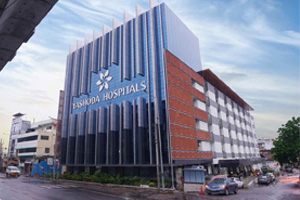
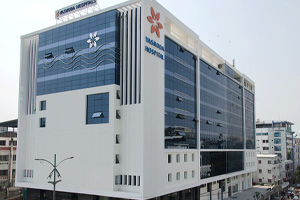
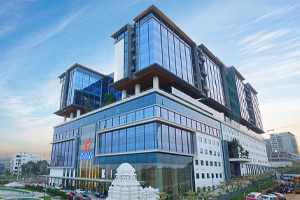
Our Locations

  • Malakpet Location

    Malakpet

  • Somajiguda Location

    Somajiguda

  • Secunderabad Location

    Secunderabad

  • Hitec City Location

    Hitec City

FAQ's

Intracoronary imaging gives in-depth images from inside the artery, assisting doctors in viewing plaques, the size of the vessel, and stent placement more clearly than a standard angiogram.

Intracoronary imaging can detect high-risk plaques and hidden artery issues that might not be visible in routine imaging tests, assisting doctors in evaluating future cardiovascular risk.

Yes, image-guided angioplasty can assist in optimizing stent selection and placement, leading to better procedural results.

No, the procedure is done using a catheter during coronary angiography or angioplasty, and patients normally experience very little discomfort.

Intracoronary imaging gives highly in-depth views of the coronary arteries, making it one of the most precise options for evaluating plaque and blockages.

Yes, it assists doctors in examining stent expansion, positioning, and healing after placement.

The procedure might add a few extra minutes, but it can provide valuable information that assists in improving treatment precision.

Patients with complicated coronary artery disease, unclear angiogram results, recurring symptoms, or previous stent-related issues often are at advantage if they undergo intracoronary imaging.

Yes, by providing in-depth information about the seriousness and nature of blockage, intracoronary imaging can assist doctors in ascertaining if a stent is really needed.

Increasingly yes. Many state-of-the-art cardiac centers utilize intracoronary imaging to support accurate diagnosis, personalized treatment planning, and improved procedure results.

Terms and conditions

All the cost and surgery information provided on the website is primarily to enable the users to obtain a better understanding of Yashoda Hospitals and the medical services provided by it, and the information thereby provided is subject to changes and modifications as and when required without any prior notice. Actual cost of the surgery details would be confirmed at the hospital after doctor consultation only.

Yashoda Hospitals does not represent or endorse the accuracy, completeness or reliability of any information displayed, uploaded or distributed through the website. The usage of the content implies that you acknowledge that any reliance upon any such statement or information shall be at your own risk. Yashoda Hospitals does not resume any responsibility related to the accuracy of information provided or made available. None of the individual developers, system operators, third-party contributors and management of Yashoda Hospitals or anyone else connected to Yashoda Hospitals can be held responsible for the results or consequences incurred due to any reliance being placed or adopt any of the information presented on this website.

Book an appointment
in 2 minutes