Select Page

Get a Free Second Opinion

Audiometry Cost In India

Audiometry is a diagnostic hearing evaluation utilized to examine an individual’s ability to hear sounds, speech, and different frequencies of sound. It plays an important role in identifying hearing loss and evaluating the seriousness of auditory issues, and detecting the disorders affecting the outer, middle, or inner ear. The audiometry evaluation is commonly suggested for individuals experiencing difficulty in hearing, tinnitus, dizziness, speech delays, regular ear infections, or age-related hearing loss. During the audiometry process, patients wear headphones and respond to various tones, speech signals, or vibrations delivered at different frequencies and intensities. The outcomes are recorded on an audiogram, which assists audiologists and ENT specialists in determining the type and degree of hearing impairment. Audiometry is painless, non-invasive, and suitable for both children and adults. Different types of audiometry are available based on the patient’s condition and diagnostic requirements. These evaluations assist in identifying conductive hearing loss, auditory nerve disorders, and speech recognition difficulties. Audiometry is important before fitting hearing aids, cochlear implants or planning ear-related treatment and surgeries. Early hearing evaluation through audiometry allows timely medical intervention and improves communication, learning, speech development, and overall quality of life. Because hearing issues can gradually get worse without noticeable symptoms. Regular audiometry evaluation has become a vital part of preventive ear and hearing healthcare for patients of all age groups.

Factors Affecting

What Is The Cost of Audiometry In India?

The cost of an audiometry test in India ranges from Rs 300 to Rs 6,000 . The table below provides the approximate cost of all recognized types of audiometry techniques.

Audiometry Type  Cost In India 
Pure Tone Audiometry (PTA)  Rs 300  to Rs 2,500  
Speech Audiometry  Rs 800  to Rs 3,500 
Impedance/Tympanometry Audiometry  Rs 500  to Rs 3,000 
Play Audiometry  Rs 1,000  to Rs 4,000 
Visual Reinforcement Audiometry  Rs 1,500  to Rs 5,000 
Behavioral Audiometry  Rs 1,000  to Rs 4,500  
High-Frequency Audiometry  Rs 1,500  to Rs 6,000 
Computerized Audimetry  Rs 1,000  to Rs 5,000  
Occupational/ Industrial Audiometry  Rs 500  to Rs 3,000  
Free Field Audiometry  Rs 1,500  to Rs 5,500  

Enquire now

Who Needs Audiometry?

  • Audiometry is suggested for individuals experiencing hearing loss, muffled sounds, or difficulty in understanding conversations, mainly in noisy environments.
  • Audiometry is also recommended in people with regular ringing, buzzing, or hissing sounds in the ears, commonly known as tinnitus. 
  • Audiometry is also suggested in children with issues of delayed speech, unclear pronunciation, or issues in responding to sounds and verbal instructions. 
  • Audiometry is suggested in adults who ask others to repeat themselves or increase TV and phone volumes to unusually high levels.
  • Audiometry is also recommended for people who are exposed to loud environments like factories, construction sites, airports, concerts, or heavy traffic for prolonged durations.
  • It is also suggested for patients with recurring ear infections, ear pain, ear discharge, or a feeling of blocked ears.
  • It is also recommended for individuals facing issues like dizziness, balance problems, or vertigo that might be linked to diseases of the inner ear. 
  • Patients who are older than 50 years and who might develop age-related decline in their hearing ability might also be suggested for audiometry. 
  • Audiometry is also helpful in patients taking medicines that can affect hearing, which include some antibiotics, chemotherapy drugs, or some high-dose pain medications. 
  • Newborns and infants need audiometry for early hearing screening and for the timely identification of genetic hearing problems.
  • Audiometry is also recommended for patients with a family history of hereditary disorders or progressive hearing loss.
  • It is also suggested for patients recovering from head injuries, ear surgeries, or neurological diseases that affect the hearing process.
  • Audiometry is also suggested in patients who use hearing aids and need routine hearing evaluation for device adjustment and monitoring. 
  • Audiometry is also suggested as an evaluation for individuals preparing for jobs that require certified hearing evaluations, such as in aviation, defense, railways, and industrial sectors

Enquire now

Factors Affecting
Factors Affecting

Types of Evaluations For Examining Hearing Ability:

  • Tympanometry: Examines the movement of the eardrum and middle ear pressure to identify fluid buildup, ear infections, perforation, or eustachian tube dysfunction. 
  • Otoacoustic Emissions (OAE) Test: Quantifies sound waves generated by the inner ear (Cochlea) in response to stimuli. Mostly utilized for newborn hearing screening and early cochlear damage identification. 
  • Auditory Brainstem Response (ABR) Evaluation: Evaluates how the auditory nerve and brainstem respond to sound utilizing surface electrodes. Is beneficial in unconscious patients and neurological hearing diseases. 
  • Speech Audiometry: Examines the ability to hear and comprehend spoken words instead of pure tones. Helpful for evaluating real-world communication issues. 
  • Tuning Fork Evaluations: They are simple bedside clinical evaluations that assist in differentiating conductive hearing loss from sensorial hearing loss.
  • Pure Tone Screening: A basic hearing screening method that checks the ability to hear different frequencies of sound and their intensities, mostly used in schools and workplaces. 
  • Electrocochleography (ECoG): Measures the electrical activity generated in the inner ear and auditory nerve. Mostly utilized in identifying Meniere’s disease and inner ear fluid abnormalities. 
  • Acoustic Reflex Evaluation: Evaluates the involuntary contraction of the middle ear muscles in response to loud sounds, assisting in identifying auditory nerve or brainstem abnormalities. 
  • Behavioural Observation Audiometry (BOA):Utilized mainly in infants by observing behavioural responses such as movement of the eye, startling, or head turning to a sound stimulus. 
  • Visual Reinforcement Audiometry (VRA): Is planned for young children, where visual rewards are utilized to encourage responses to sound during hearing evaluation. 
  • Conditioned Play Audiometry (CPA): A pediatric hearing evaluation where children perform simple play activities in response to sounds, which makes the hearing evaluation more engaging and dependable. 
  • Computed Tomography or Magnetic Resonance Imaging of the Ear: Imaging studies assist in identifying structural abnormalities, tumors, nerve lesions, or inner ear diseases that might lead to loss of hearing. 

Enquire now

Factors Influencing the Cost of Audiometry In India

  • Type of Audiometry Evaluation Performed 
  • Hospital Or Diagnostic Center Reputation 
  • City And Geographic Location 
  • Technology And Equipment Utilized 
  • Need For Multiple Hearing Evaluations 
  • Patient’s Age and Co-operation Level 
  • Consultation Charges of a      Doctor or an Audiologist 
  • Emergency or Same-Day Appointments 
  • Insurance Coverage and Health Checkup Packages 
  • Purpose of Testing

Enquire now

Factors Affecting

Types Of Audiometry

  • Pure Tone Audiometry: Measures the softest sounds a person can hear at different frequencies, utilizing headphones. It assists in detecting the degree and type of hearing loss.
  • Speech Audiometry: Evaluates how clearly an individual can hear and understand spoken words at various sound levels. It examines real-world speech comprehension ability. 
  • Impedance/Tympanometry Audiometry: Evaluates middle ear function by measuring eardrum movement and pressure changes. It assists in identifying fluid buildup, ear infections, or Eustachian tube dysfunction. 
  • Play Audiometry: A child-friendly hearing evaluation where children respond to sounds through simple play activities. It improves co-operation and precision in pediatric hearing evaluation. 
  • Visual Reinforcement Audiometry: Utilized mainly for infants and toddlers by rewarding sound responses with visual stimuli such as lights or animated toys. It assists in evaluating early childhood hearing ability. 
  • Behavioural Audiometry: Examines hearing based on the patient’s behavioural responses to sound, such as head turning or eye movement. It is normally used in infants and individuals unable to communicate verbally. 
  • High-Frequency Audiometry: Evaluates hearing at frequencies higher than those evaluated in standard audiometry. It is useful for identifying early noise-induced or drug-related hearing loss. 
  • Computerized Audiometry: Utilizes digital systems and automated software to perform hearing evaluations with accurate data capture and examinations. It improves efficiency and consistency in testing. 
  • Occupational/ Industrial Audiometry: Conducted for workers exposed to loud noise in industries to examine hearing health and avoid occupational hearing loss. It is commonly utilized in workplace health programs. 
  • Free Field Audiometry: Evaluates hearing through speakers in a sound-treated room, in contrast to headphones. It helps examine hearing aid performance and test young children. 

Enquire now

Post-Evaluation Procedure For Audiometry

The audiometry outcomes should be reviewed by an audiologist or an ENT specialist to understand the type and severity of hearing loss.

The audiologist or ENT specialist should compare thresholds between both years to detect asymmetrical or progressive hearing changes.

Additional evaluations like tympanometry, otoacoustic emission, or auditory brainstem response might be advised if abnormalities are identified.

Patients with hearing loss might be referred to hearing aids, cochlear implant evaluation, or auditory rehabilitation.

The patient should avoid exposure to loud noise immediately after evaluation if the ears are sensitive or already affected by hearing damage.

The patient should follow the suggested medicines or treatment plans if ear infections, wax buildup, or middle ear diseases are identified.

Occupational hearing screening patients might need periodic follow-up audiometry for long-term observation.

Children with abnormal hearing outcomes might need speech and language evaluation for developmental assessment.

Maintain copies of audiometry reports for future comparison and long-term hearing monitoring.

The patient should seek immediate medical advice if symptoms such as sudden hearing loss, serious ear pain, dizziness, or ringing in the ear worsen after examination.

Enquire now

Making An Informed Decision About Audiometry

Making an informed decision on audiometry involves the patient understanding the purpose, types of audiometry, and what results can reveal about their hearing health. The patient should discuss their symptoms, medical history, and lifestyle needs with an audiologist or ENT specialist for proper guidance. The patient should also compare the precision of the test, the technology used, the expertise of the hospital, and the overall cost before making a decision. Timely audiometry evaluation can improve communication, learning ability, work performance, and overall quality of life. Making an informed decision ensures that the patient receives a correct diagnosis, early therapy, and better long-term hearing care.

Yashoda Hospitals should be the premier choice for patients who want to undergo audiometry because they offer state-of-the-art services with modern digital hearing evaluation technology for precise and early diagnosis. Experienced ENT specialists and audiologists provide personalized hearing care for patients of all age groups. Yashoda Hospital ensures comfortable evaluation in soundproof labs with complete hearing assessment options. From diagnosis to hearing rehabilitation, Yashoda Hospital delivers complete hearing care under one trusted roof.

Enquire now

Specialist Doctors

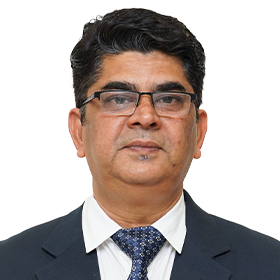
Dr. Ashok Kumar Singh

MBBS, DLO, DNB

Sr. Consultant ENT & Head and Neck Surgeon
Cochlear Implant & Snoring Surgeon

English, Hindi, Telugu, Maithili
22 Yrs
Hitec City
5 (31 reviews)

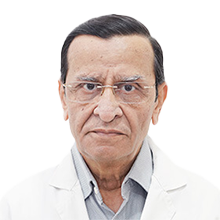
Dr Gyanaranjan Nayak

MBBS, MS, DNB, FACS

Sr Consultant ENT & Cochlear Implant Surgeon
Skull Base & Head-Neck Surgeon
Ex-Associate Professor (PGIMER Chandigarh)

English, Hindi & Oriya
10 Yrs
Hitec City
5 (30 reviews)

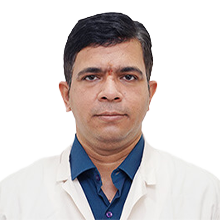
Dr. Nagendra Mahendra

MBBS, DLO, DNB (ENT)

Consultant ENT, Head and Neck Surgeon

English, Hindi, Telugu
45 Yrs
Malakpet

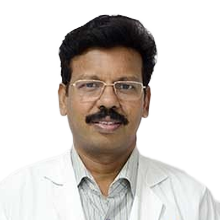
Dr. Raghu Kumar. S CH

MBBS, MS

Consultant ENT, Head & Neck Surgeon

English, Hindi, Telugu
19 Yrs
Malakpet
4.9 (234 reviews)

Dr. T. Mounika

MBBS, MS(ENT) Fellow in Advanced Rhinology and Skull Base Surgery

Associate Consultant, ENT, Head & Neck Surgeon

English, Telugu, Hindi & Tamil
8 Yrs
Malakpet

Dr. R. Vijay Kumar

MS (ENT & HNS)

Clinical Director, Sr. Consultant ENT, Skull Base, Head & Neck Surgeon

Telugu, English, Hindi
28 Yrs
Secunderabad
4.4 (31 reviews)

Dr. Avvaru Satya kiran

MBBS, DLO, DNB (ENT) Fellow in Implant Otology (CMC, Vellore) Advanced Cochlear Surgeon Training (ICIT, USA) Fellowship Diploma in Lateral Skull Base Surgery (WSBF)

Senior Consultant ENT and Head & Neck Surgeon, Cochlear Implant Surgeon & Skull Base Surgeon

English, Hindi, Telugu,Tamil
18 Yrs
Secunderabad

Dr. KVSSRK Sastry

MS, DNB ENT

Sr consultant ENT head and Neck surgeon

English, Hindi, Telugu
27 Yrs
Somajiguda
4.6 (96 reviews)

Why Choose Yashoda Hospitals

Yashoda Hospitals is committed to providing world-class treatment for patients from across the globe. With the unique combination of state-of-the-art technology, intuitive care, and clinical excellence, we are the healthcare destination for thousands of international patients in India.

blank
Comprehensive Care

On the journey to good health, we understand that it is important for you to feel at home. We plan out all aspects of your trip.

blank
Expert Doctors

Experienced specialists perform non-invasive and minimally invasive surgeries to provide the best treatment for international patients.

blank
Cutting-Edge Technology

Our hospitals are equipped with advanced technology to perform a wide range of procedures and treatments.

blank
Clinical Excellence

We deliver excellence by delivering quick and efficient healthcare and through pioneering research that helps all our future.patients.

All major insurance are accepted for
Audiometry Cost In India Treatment


Our Locations

  • Malakpet Location

    Malakpet

  • Somajiguda Location

    Somajiguda

  • Secunderabad Location

    Secunderabad

  • Hitec City Location

    Hitec City

FAQ's

Yes, audiometry can detect early loss of hearing that is a result of loud music, headphones, aging, or workplace noise, even before noticeable hearing difficulties start.

Audiometry can divulge speech discrimination issues where the ears identify sound normally, but the brain struggles to process speech clearly, mainly in noisy places.

Yes, some medical conditions and stress-related factors can have short-term or long-term impacts on hearing sensitivity and might influence audiometry evaluation results.

No, gamers, continuous headphone users, call-center employees, factory workers, and even children might benefit from continuous hearing evaluations.

Yes, advanced audiometry evaluations can sometimes identify delicate hearing damage caused by long-term earphone or headphone exposure, even when regular hearing feels normal.

Terms and conditions

All the cost and surgery information provided on the website is primarily to enable the users to obtain a better understanding of Yashoda Hospitals and the medical services provided by it, and the information thereby provided is subject to changes and modifications as and when required without any prior notice. Actual cost of the surgery details would be confirmed at the hospital after doctor consultation only.

Yashoda Hospitals does not represent or endorse the accuracy, completeness or reliability of any information displayed, uploaded or distributed through the website. The usage of the content implies that you acknowledge that any reliance upon any such statement or information shall be at your own risk. Yashoda Hospitals does not resume any responsibility related to the accuracy of information provided or made available. None of the individual developers, system operators, third-party contributors and management of Yashoda Hospitals or anyone else connected to Yashoda Hospitals can be held responsible for the results or consequences incurred due to any reliance being placed or adopt any of the information presented on this website.

Book an appointment
in 2 minutes