Types of ACL Surgeries:
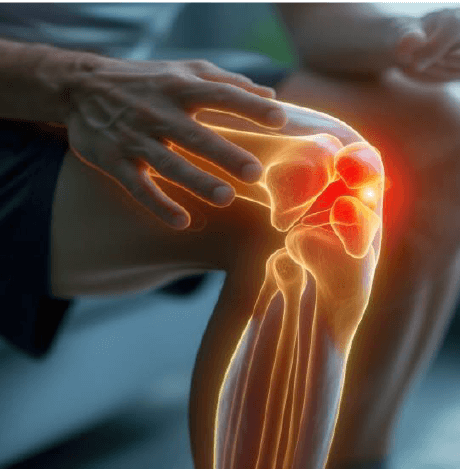
There are two main types of procedures for ACL injuries, i.e., ACL reconstruction and ACL repair.
ACL Reconstruction (single bundle):
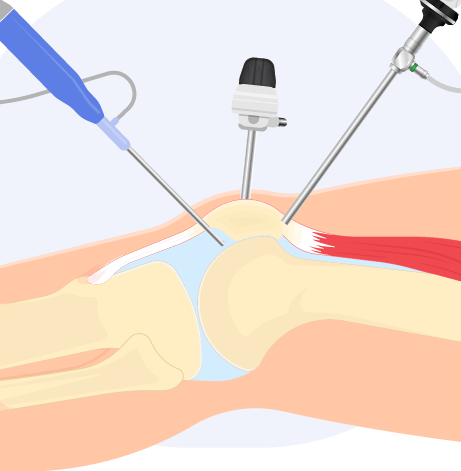
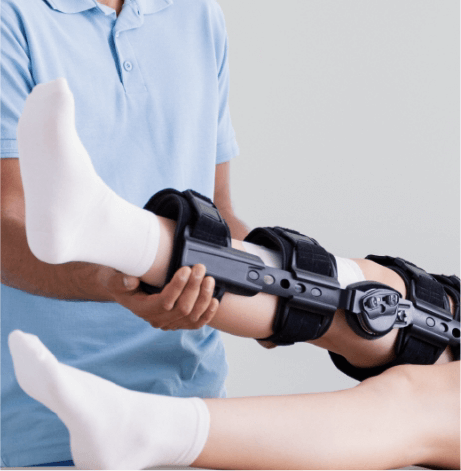
Single Bundle ACL Reconstruction Surgery involves the removal of the damaged ligament from the knee and inserting graft tissue (autograft/allograft), taken from tendons in and around the knee, to restore its function. Arthroscopic ACL reconstruction, which only requires a few little incisions around the knee, is a less invasive option than open knee surgery. During this procedure, to obtain a clear image of the torn ACL, your doctor will insert a camera and other tiny tools. The graft will then be held in place by the two tunnels they draw. To prevent harm to your joint, you will need to wear the brace.
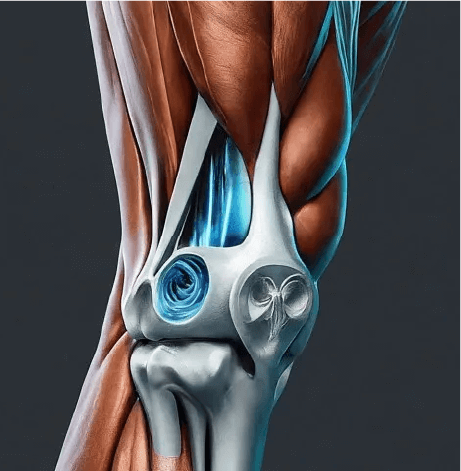
Autograft ACL Reconstruction involves the creation of new ligaments from the patient’s body tissue, such as patellar tendon autografts, hamstring tendon autografts (tendons from the back of the thigh), and the quadriceps tendon above the kneecap. In contrast to this, in allograft ACL surgery, the tissue is taken from a cadaver.
Compared to its traditional equivalent, arthroscopic ACL restoration is safer and superior since it involves fewer incisions and causes less tissue damage. It also recovers fairly quickly.
Double-Bundle ACL: The anterior cruciate ligament (ACL) is surgically replaced with two smaller grafts as opposed to one larger graft in a double-bundle restoration. In this procedure, the graft material is passed through three tiny “portals” (5 mm incisions) and a tiny incision (1/2 inch) in the shin bone.
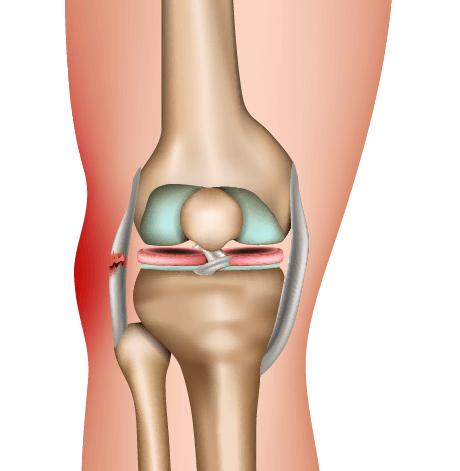
Primary ACL Repair: Primary ACL repair is considered one of the surgical procedures for ACL tears. During this procedure, donor grafts are not being used, and the ACL’s torn ends are cautiously aligned, sutured together, and trimmed to eliminate any frayed or damaged tissue.
Enquire now





















































 Appointment
 Second Opinion
 Live Chat
 Call
Call More
More


