Select Page

Get a Free Second Opinion

Multiple Myeloma Treatment Cost in India

  • – Providing 30+ years of world-class healthcare to diverse communities.
  • – 600+ specialists across 62 medical specialties providing expert care
  • – Advanced technology and procedures for top-quality patient care
  • – Minimally invasive procedures for faster recovery and comfort
  • – Advanced surgical suites and ICUs for critical care

Factors Affecting

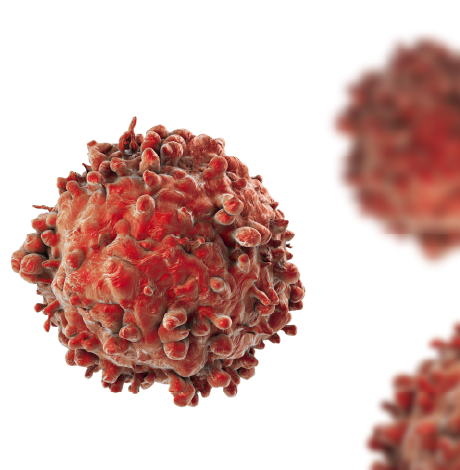
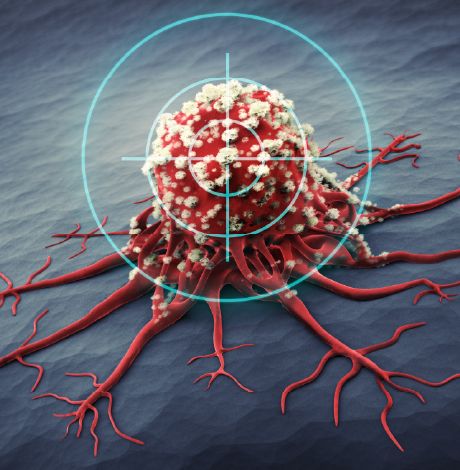
Multiple myeloma is an incurable but treatable blood cancer characterized by uncontrolled multiplication of cancerous plasma cells in the bone marrow. These Multiple myeloma cancerous cells are known for producing ineffective M antibodies, which can harm organs. The overproduction of abnormal proteins by myeloma cells may also cause a strain on organs like the kidneys. While the exact reason for the occurrence of multiple myeloma is not yet fully known, factors like age, genetic changes, and environmental influences are believed to be reasons for the development of cancer. Multiple myeloma primarily occurs in older adults, with most cases identified after the age of 65, and is extremely rare in people below the age of 35.

Multiple myeloma is known to affect men more than women. Multiple myeloma sometimes forms outside the bone marrow, appearing in organs where it is least expected, and creating unusual patterns of disease. When these abnormal cells produce huge proteins, the blood becomes dangerously thick, leading to sudden problems. These same proteins may also deposit in tissues and cause organs to become stiff and function abnormally. In some cases immune system reacts, triggering a rare response that affects other healthy parts. Despite all this, multiple myeloma can remain completely silent for years. Quietly evolving before any signs appear.

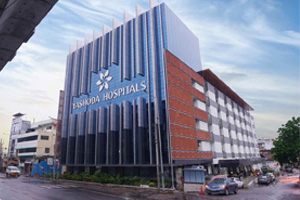
Yashoda Hospitals is a preferred choice for multiple myeloma treatment due to its advanced bone marrow and stem cell transplant center, highly specialized medical teams, and use of cutting-edge technology. The hospital is known to offer a complete multidisciplinary approach to cancer care, which is vital in managing problems of multiple myeloma.

What is the Cost of Multiple Myeloma Treatment in India?

The cost of multiple myeloma treatment in India varies widely based on multiple factors. The total estimated cost ranges anywhere from Rs 4,00,000 to Rs 15,00,000 for the entire course of treatment. Specific procedures have their own cost structures.

Factors Affecting
Factors Affecting

What are the symptoms of multiple myeloma?

Multiple myeloma in its early stages shows no signs. When the signs do appear, they primarily relate to damage in bone, kidneys, and blood. These are remembered by an acronym called CRAB: C stands for calcium elevation, R stands for renal problems, A stands for anemia, and B stands for bone damage.

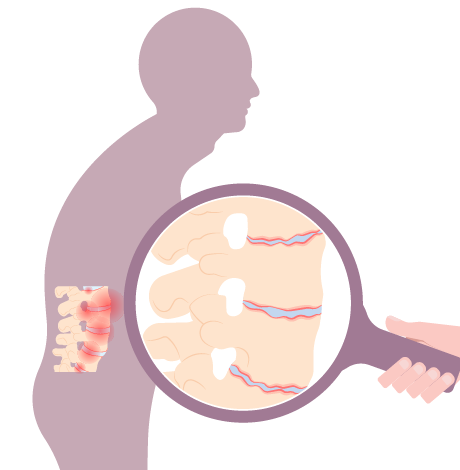
  • The other common symptoms of multiple myeloma include bone pain and damage, which is one of the most common signs, often felt as a continuous ache in the back, ribs, or hips. Multiple myeloma weakens bones, which increases the risk of easy fractures.
  • Fatigue and weakness are caused by a feeling of extreme tiredness that does not improve with rest, termed anemia. Anemia can also cause shortness of breath, dizziness, and rapid heartbeat. Frequent infections during the multiple myeloma phase overcrowd the healthy white blood cells, which negatively affects the immune system function and leads to infections like pneumonia, bladder infections, and skin infections.
  • In Multiple myeloma, abnormal myeloma cells produce proteins called M proteins, which can cause kidney damage leading to kidney failure, due to which there can be leg swelling, weakness of breath, shortness of breath, and itchy skin.
  • High calcium levels (hypercalcemia) is another symptom of multiple myeloma. This is a result of bones breaking and releasing excess calcium into the blood, causing excessive thirst, frequent urination, nausea, vomiting, constipation, and confusion or mental fog.
  • Multiple myeloma also leads to nerve symptoms where nerves in the spine are compressed, or there is damage to the peripheral nerves from the abnormal proteins that are produced. This can cause sudden, severe back pain, numbness, tingling, or muscle weakness in the arms or legs.

What are the diagnostic techniques used for multiple myeloma?

The diagnosis of multiple myeloma is dependent on a combination of tests that identify abnormal plasma cells, measure specific proteins, and evaluate the affected organ and damage caused.

  • Key diagnostic tests are categorized into Blood and Urine tests, Bone marrow tests, and Imaging tests.
  • Blood and urine tests diagnose abnormal proteins produced by myeloma cells and evaluate the functions of organ. Complete blood count, blood chemistry profile, serum protein electrophoresis, immunofixation electrophoresis, serum free light chain assay, Beta-2 microglobulin test, and urine tests comprise this category.
  • Bone marrow analysis is the most essential diagnostic technique, as multiple myeloma starts there; a direct evaluation is vital for the confirmation. These also include genetic evaluations like fluorescence in-situ hybridization.
  • Imaging tests are conducted to see the extent of bone damage (lytic lesions) and tumors (plasmacytomas) caused by multiple myeloma cells. Skeletal survey, computed tomography scan, magnetic resonance imaging scan, and positron emission tomography (PET) scan are other tests.
Factors Affecting
Factors Affecting

Treatment Options For Multiple Myeloma

Treatment for multiple myeloma is highly personalized and depends on the stage of disease, the overall health of the patient, and eligibility for transplant. The main goal of multiple myeloma treatment is to reduce symptoms, acheive long term remission, and slow the progression of disease, as most cases of multiple myeloma are not curable but are easily manageable.

  • Treatment usually involves the use of combination therapies, including systemic drug transplants, stem cell transplants, and supportive care. Core treatment modalities include watchful waiting and active surveillance.
  • Drug therapy for multiple myeloma treatment is a primary option and is mostly used in combination regimens. Classes of drugs include proteasome inhibitors, immunomodulatory drugs, monoclonal antibodies, corticosteroids, chemotherapy, Novel therapies, and CAR T- cell therapies. Stem cell transplants are subdivided into autologous and allogeneic transplants, along with radiation therapy and surgery, which are some of the other techniques considered for treating multiple myeloma.
  • Supportive care is quite important to manage symptoms and treat side effects. Supportive therapies for multiple myeloma are, namely, bone-strengthening medicines, pain management, prevention of infection, and management of anemia and kidney damage.

Benefits of Multiple Myeloma Treatment

  • Reduced cancer cell burden
  • Disease stabilization or remission
  • Slowed progression
  • Deepening responses
  • Relief from pain
  • Prevention of organ damage
  • Improved mobility
  • Prolonged survival
  • Active living
  • Supportive care
Factors Affecting
Factors Affecting

Factors Influencing Multiple Myeloma Cost In India

  • Stage and severity of cancer
  • Patient’s overall health and age
  • Type of myeloma
  • Individual response to treatment
  • Chemotherapy and radiation
  • Targeted therapy and immunotherapy
  • Bone marrow/ stem cell transplant
  • Cost of medication
  • Duration and number of cycles
  • Hospital choice and type
  • Physician expertise and reputation
  • Geographical location
  • Diagnostic and supportive care
  • Indirect costs
  • Insurance coverage

Make an Informed decision about multiple myeloma

To make an informed decision about multiple myeloma, the patient should first clearly understand the procedure, compare it to other treatment options, consider the potential risks and benefits, and then consider the cost and hospital options. Consultation with a qualified oncologist for a personalized checkup is also very important before undergoing the procedure.

Yashoda Hospital is a notable treatment option for multiple myeloma due to its multi-disciplinary approach, advanced technologies like CAR-T cell therapy, specialized therapies, and a team of experienced specialists of hematologists and oncologists.

Factors Affecting

Insurance Assistance for Multiple Myeloma treatment

  • Transparent Pricing
  • Cost Estimation
  • Billing Support
  • Insurance & TPA Assistance

Get Insurance Assistance

Free Second Opinion for Multiple Myeloma treatment

If you’ve been advised of the Multiple Myeloma treatment, get a free second opinion from our experts.

Our experienced surgeons will review your case, providing valuable insights and recommendations to help you make informed decisions about your health.

Get Free Second Opinion

Factors Affecting

Why Choose Yashoda Hospitals

Yashoda Hospitals in Hyderabad, India, is a leading option for Multiple Myeloma due to its top-notch team, cutting-edge technology, and comprehensive care.

blank
Comprehensive Care

Our patients trust Yashoda Hospitals for Multiple Myeloma treatment because its comprehensive care focuses on personalized treatment plans, minimizing complications and promoting faster recovery.

blank
Expert Doctors

Our team of experienced general surgeons delivers precise surgical care, fostering patient confidence in achieving successful outcomes.

blank
Cutting-Edge Technology

The Centre for General Surgery at Yashoda Hospitals offers state-of-the-art facilities and the latest technologies.

blank
Clinical Excellence

Yashoda Hospitals is recognised as the Best Hospital for Multiple Myeloma treatment Cost In India , offering exceptional surgical care services.

All major insurance are accepted for
Multiple Myeloma Treatment Treatment


Our Locations

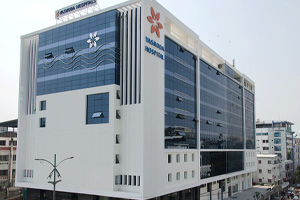
  • Malakpet Location

    Malakpet

  • Somajiguda Location

    Somajiguda

  • Secunderabad Location

    Secunderabad

  • Hitec City Location

    Hitec City

FAQ's

Multiple myeloma is an incurable but treatable blood cancer characterized by uncontrolled multiplication of cancerous plasma cells in the bone marrow.

Multiple myeloma is not considered a classic hereditary disease as specific cancer-causing mutations develop spontaneously in plasma cells and are not passed down from parents.

As multiple myeloma is considered to be treatable and not curable, it cannot be reversed in the sense of a permanent cure or going away entirely.

Imaging tests are conducted to see the extent of bone damage (lytic lesions) and tumors (plasmacytomas) caused by multiple myeloma cells. Skeletal survey, computed tomography scan, magnetic resonance imaging scan, and positron emission tomography (PET) scan are other tests.

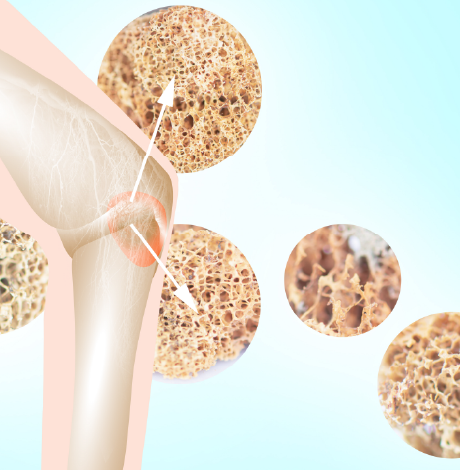
Multiple myeloma causes osteoporosis and characteristic punched-out lytic bone lesions by disrupting the normal, balanced process of bone remodeling. Malignant plasma cells produce signaling factors that both accelerate the breakdown of old bone (osteoclast activity), and inhibit the formation of new bone (osteoblast activity).

Detecting multiple myeloma early is challenging because it often presents with no symptoms in its initial stages. The key to early detection involves being aware of subtle symptoms and undergoing appropriate diagnostic tests if there are risk factors or persistent, unexplained issues.

Terms and conditions

All the cost and surgery information provided on the website is primarily to enable the users to obtain a better understanding of Yashoda Hospitals and the medical services provided by it, and the information thereby provided is subject to changes and modifications as and when required without any prior notice. Actual cost of the surgery details would be confirmed at the hospital after doctor consultation only.

Yashoda Hospitals does not represent or endorse the accuracy, completeness or reliability of any information displayed, uploaded or distributed through the website. The usage of the content implies that you acknowledge that any reliance upon any such statement or information shall be at your own risk. Yashoda Hospitals does not resume any responsibility related to the accuracy of information provided or made available. None of the individual developers, system operators, third-party contributors and management of Yashoda Hospitals or anyone else connected to Yashoda Hospitals can be held responsible for the results or consequences incurred due to any reliance being placed or adopt any of the information presented on this website.