


Select Page

Get a Free Second Opinion

Lymphoma Treatment Cost in India

  • – Providing 30+ years of world-class healthcare to diverse communities.
  • – 600+ specialists across 62 medical specialties providing expert care
  • – Advanced technology and procedures for top-quality patient care
  • – Minimally invasive procedures for faster recovery and comfort
  • – Advanced surgical suites and ICUs for critical care
Factors Affecting

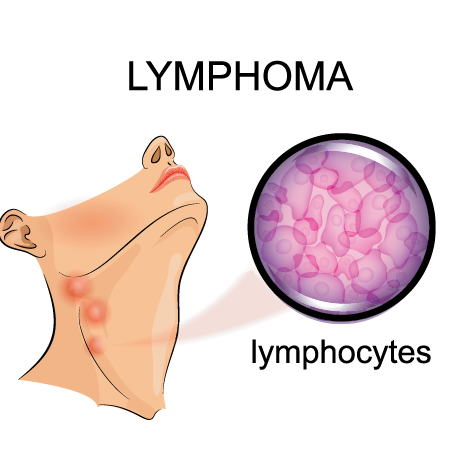
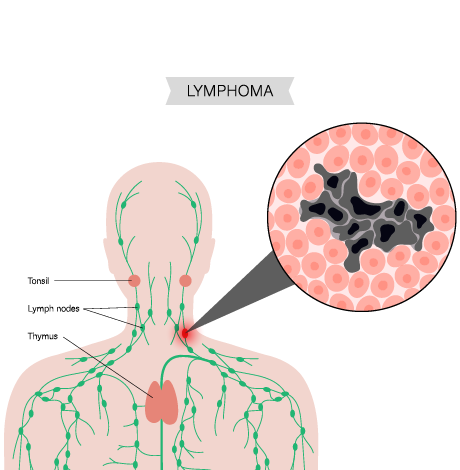
Lymphoma is a type of cancer in humans that affects the lymphatic system, an important part of the body’s immune system, which comprises lymph nodes, the spleen, the thymus, the tonsils, and lymphatic vessels. The lymphatic system is responsible for giving birth to and transporting lymphocytes, a type of white blood cell that deals with infections. In lymphoma, genetic mutations cause these lymphocytes (T cells and B cells) to multiply in number without any control and live for more time than they are supposed to. Opposite to protecting the body, these abnormal T cells and B cells pile up in lymph nodes and other organs, leading to the formation of tumours and causing disturbances in the normal immune process of the body. The exact cause of lymphoma is not yet known and understood, but several factors are known to increase the risk, including a weak immune system, viral infections like Epstein-Barr virus, HIV, chronic inflammation, autoimmune disorders, exposure to certain chemicals, and, in some cases, inherited predispositions.

Lymphoma is broadly divided into Hodgkin lymphoma and Non-Hodgkin lymphoma. Hodgkin lymphoma is identified by the presence of Reed-Sternberg cells, and usually spreads in a predictable pattern. Whereas the other type, Non-Hodgkin lymphoma, includes many different subtypes that can behave differently, from slowly developing to highly aggressive types. Studying the specific cells and genetic changes involved has helped experts in diagnosing lymphoma more precisely and understanding how it develops and progresses.

Yashoda Hospital should be the first choice for patients who need lymphoma treatment due to its multidisciplinary team, use of advanced techniques that include CAR T-cell therapy, sophisticated radiation techniques, and a team of experienced specialists in haematology and oncology.
What is the cost of lymphoma treatment in India?

Lymphoma treatment in India involves a range of medical techniques. The end cost depends on the particular lymphoma type in India and the treatment advised by a specialised doctor. The price includes diagnostics, therapy cycles, medicines, and follow-up care.

We understand that every patient’s needs are unique. For a precise lymphoma treatment cost estimate in India, call us at +918065906165
Factors Affecting
Factors Affecting

What are the symptoms of lymphoma?

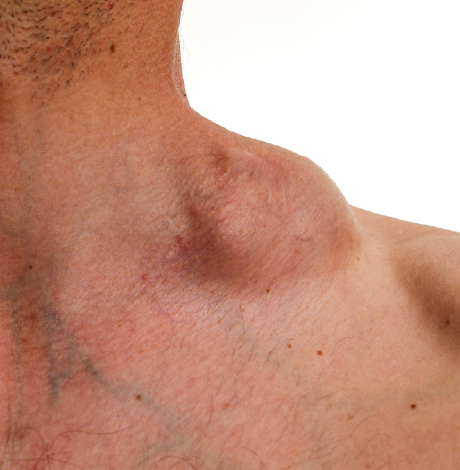
The symptoms of lymphoma vary depending on the type and location of the cancer. The early stages of lymphoma show no signs of disease. The most common starting symptom of lymphoma is painless swelling of the lymph node, usually in the neck, armpits, and groin region. The swollen lymph nodes feel like soft and rubbery lumps that slowly become oversized over time. Patients also experience unusual tiredness or weakness due to the body constantly fighting the abnormal cells.

B symptoms are another group of lymphoma symptoms that include unexplained fever, heavy night sweats, and sudden loss of weight. These symptoms happen because the body’s immune system becomes hyperactive. Some individuals may notice continuous itching, mostly without a rash, caused by chemicals released by lymphoma cells.

Lymphoma can also cause symptoms depending on where the lymph nodes or abnormal cells are located. If they form in the chest of a person, it may cause difficult breathing, chest discomfort, or a long-lasting cough. Lymphoma in the abdomen causes it leads to bloating, pain, a feeling of fullness, and an oversized liver or spleen. In rare cases, it may lead to digestive changes.

Lymphomas affecting the skin can produce patches, bumps, or rashes that do not heal. If lymphoma presses on nerves or bones, it may lead to bone pain, back pain, numbness, tingling, or weakness in the limbs. When the bone marrow is involved, people may bruise easily or get frequent infections because the body cannot produce healthy blood cells.

What are the key diagnostic tests of lymphoma?

The diagnosis of lymphoma involves a combination of physical examination, medical history, and various specialised tests, with biopsy being the only definitive technique to confirm the diagnosis.

Key diagnostic evaluations involve physical examination and medical tests, a biopsy that involves excisional biopsy, core needle biopsy, and fine needle aspiration. blood tests, bone marrow aspiration, biopsy, lumbar puncture, and tests of heart and lung function.

Additional tests for staging and assessment, once lymphoma is confirmed, are done to determine the stage and plan the treatment. Imaging tests are used to create pictures inside the body to locate lymphoma and check its spread.

Imaging tests to diagnose lymphoma include positron emission tomography, computed tomography, magnetic resonance imaging, chest X-ray, and ultrasound.

Factors Affecting
Factors Affecting

What are the treatment options for lymphoma?

Treatment options for lymphoma are varied and depend heavily on the specific type and stage of the disease, overall health, and personal preferences. Treatment plans are highly personalised and often involve a combination of therapies to destroy cancer cells and prevent recurrence.

Treatment is mostly started with chemotherapy, which makes use of medicines to kill lymphoma cells throughout the body.

  • Many lymphomas therapy involves immunotherapy with monoclonal antibodies that help the immune system find and attack the cancer cells.
  • Targeted therapy drugs can block specific signals or proteins that lymphoma cells need to grow. Along with some patients which makes use of focused beams to treat lymphoma in one specific area
  • Stem cell transplant may be used when lymphoma returns or is difficult to treat, allowing the doctors to give stronger chemotherapy.
  • CAR T-cell therapy is an advanced treatment that empowers patients’ own immune cells to better fight the lymphoma.
  • Steroid medicines are often included because they help in shrinking the lymphoma cells and decrease the swelling.
  • For some types of slow-growing lymphomas, doctors usually suggest waiting, watchfully delaying treatment until the symptoms appear or change
  • Surgery is not usually the main treatment, but it may be used to identify lymphoma or remove the isolated mass.

Many people benefit from supportive care, including medicines that are used to manage symptoms, boost blood count, and improve the quality of life during the treatment phase.

Benefits of lymphoma treatment

  • Improved survival
  • Reduces Symptoms
  • Helps prevent further problems
  • Can lead to remission
  • Shrinks and removes tumors
  • Restores normal blood counts
  • Improves the quality of life
  • Slows or stops disease progression
  • Offers long-term disease control
  • Provides personalized options for treatment
Factors Affecting
Factors Affecting

Factors Influencing Lymphoma Treatment Cost In India

  • Type and stage of lymphoma
  • Treatment modality/ regimen chosen
  • Frequency and duration of treatment
  • Hospital type and location
  • Doctor’s expertise
  • Diagnostics and pre-/post-treatment
  • Supportive care and additional therapies
  • Need for advanced or newer drugs or a transplant
  • Patient’s overall health and complications
  • Non-medical costs

Make an Informed decision about lymphoma

To make an informed decision about lymphoma treatment, the patient should first clearly understand the procedure, compare it to other treatment options, consider the potential risks and benefits, and then consider the cost and hospital options. Consultation with a qualified oncologist for a personalized checkup is also very important before undergoing the procedure.

Yashoda Hospital is a notable treatment option for lymphoma treatment due to its multi-disciplinary approach, advanced technologies like CAR-T cell therapy, specialized therapies, and a team of experienced specialists of hematologists and oncologists.

Factors Affecting
Factors Affecting

Insurance Assistance for lymphoma treatment

  • Transparent Pricing
  • Cost Estimation
  • Billing Support
  • Insurance & TPA Assistance

Get Insurance Assistance

Free Second Opinion for lymphoma treatment

If you’ve been advised of the lymphoma treatment, get a free second opinion from our experts.

Our experienced surgeons will review your case, providing valuable insights and recommendations to help you make informed decisions about your health.

Get Free Second Opinion

Factors Affecting

Why Choose Yashoda Hospitals

Yashoda Hospitals in Hyderabad, India, is a leading option for lymphoma treatment due to its top-notch team, cutting-edge technology, and comprehensive care.

blank
Comprehensive Care

Our patients trust Yashoda Hospitals for lymphoma treatment because its comprehensive care focuses on personalized treatment plans, minimizing complications and promoting faster recovery.

blank
Expert Doctors

Our team of experienced general surgeons delivers precise surgical care, fostering patient confidence in achieving successful outcomes.

blank
Cutting-Edge Technology

The Centre for General Surgery at Yashoda Hospitals offers state-of-the-art facilities and the latest technologies.

blank
Clinical Excellence

Yashoda Hospitals is recognised as the Best Hospital for lymphoma treatment Cost In India , offering exceptional surgical care services.

All major insurance are accepted for
Lymphoma Treatment Treatment


Our Locations

  • Malakpet Location

    Malakpet

  • Somajiguda Location

    Somajiguda

  • Secunderabad Location

    Secunderabad

  • Hitec City Location

    Hitec City

FAQ's

Yes, lymphoma is often a highly treatable and potentially curable form of cancer, though the exact prognosis depends heavily on the specific type, stage, and patient’s overall health.

The symptoms of lymphoma vary depending on the type and location of the cancer. The early stages of lymphoma show no signs of disease. The most common starting symptom of lymphoma is painless swelling of the lymph node, usually in the neck, armpits, and groin region.

Yes, lymphoma is a serious illness and a type of cancer, but its danger level and prognosis vary widely depending on type and stage

Lymphoma is not a genetic disease, but having a family history of lymphoma does increase the risk of lymphoma.

Blood test results that may be used for the indication of lymphoma include an abnormal number of white or red blood cells after a complete blood count test, elevated lactate dehydrogenase, and a high erythrocyte sedimentation rate.

Lymphoma growth speed varies dramatically, falling into two main categories: aggressive, fast-growing, and indolent, slow-growing

Terms and conditions

All the cost and surgery information provided on the website is primarily to enable the users to obtain a better understanding of Yashoda Hospitals and the medical services provided by it, and the information thereby provided is subject to changes and modifications as and when required without any prior notice. Actual cost of the surgery details would be confirmed at the hospital after doctor consultation only.

Yashoda Hospitals does not represent or endorse the accuracy, completeness or reliability of any information displayed, uploaded or distributed through the website. The usage of the content implies that you acknowledge that any reliance upon any such statement or information shall be at your own risk. Yashoda Hospitals does not resume any responsibility related to the accuracy of information provided or made available. None of the individual developers, system operators, third-party contributors and management of Yashoda Hospitals or anyone else connected to Yashoda Hospitals can be held responsible for the results or consequences incurred due to any reliance being placed or adopt any of the information presented on this website.