
Select Page

Get a Free Second Opinion

Epilepsy Surgery Cost In India

– Providing 30+ years of world-class healthcare to diverse communities.
– 600+ specialists across 62 medical specialties providing expert care
– Advanced technology and procedures for top-quality patient care
– Minimally invasive procedures for faster recovery and comfort
– Advanced surgical suites and ICUs for critical care

Epilepsy is a disease of neurons set apart by recurring, unwarranted seizures caused by unusual electrical activity inside the brain. While many patients achieve good control over seizures with medicines, others might continue to face issues regularly or serious episodes of seizures that affect their daily life, safety, and overall well-being. In such patients, epilepsy surgery emerges as a modern and effective treatment option with a clear objective of reducing or completely stopping seizures. With advances in medical technology, epilepsy surgery has become safer, more accurate, and more specific. Modern methods focus on diagnosing the precise origin of seizures and treating them without affecting important brain functions. The approach combines detailed brain imaging, continuous monitoring, and expert surgical planning to ensure optimal results. Today, epilepsy surgery is not only about seizure control but also about improving quality of life, independence, and long-term neuronal health, making it a valuable solution for patients seeking relief.

What Is The Cost Of Epilepsy Surgery In India?

The cost of Epilepsy Surgery in India ranges from 1,50,000 Rs to 3,50,000 Rs, usually, 3,00,000 Rs to 6,00,000 Rs for moderate surgeries, 6,00,000 Rs for advanced device-based procedures, and 10,00,000 Rs to 15,00,000 Rs for rare, complicated, or imported device-based surgeries.

Type of Epilepsy Surgery  Cost In India 
Basic Epilepsy Surgery (Resective)  1,50,000 Rs to 3,50,000 Rs 
Temporal Lobectomy  3,00,000 Rs to 7,00,000 Rs 
Lesionectomy  3,00,000 Rs to 7,00,000 Rs 
Extratemporal Resection  3,00,000 Rs to 8,00,000 Rs 
Multiple Subpial Transection (MST) 5,00,000 Rs to 15,00,000 Rs 
Corpus Callosotomy  3,00,000 Rs to 6,00,000 Rs 
Hemispherectomy  6,00,000 Rs to 15,00,000 Rs 
Laser Interstitial Thermal Therapy (LITT)  3,50,000 Rs to 10,00,000 Rs 
Vagus Nerve Stimulation (VNS)  4,00,000 Rs to 10,50,000 Rs +
Deep Brain Stimulation (DBS)  6,00,000 Rs to 12,00,000 Rs + 
Responsive Neurostimulation (RNS)  8,00,000 Rs to 15,00,000 Rs + 


Enquire now

Who Needs Epilepsy Surgery?

  • Patients with drug-resistant epilepsy require epilepsy surgery, as medicines are not effective.
  • Patients who experience regular and serious seizures.
  • Patients who experience focal seizures originating from one specific area of the brain.
  • Patients who are suffering from brain lesions, tumors, or structural abnormalities.
  • Individuals with seizures affecting their daily life and safety.
  • Children with delayed development due to uncontrolled and recurrent seizures.
  • Individuals who are at risk of injury or other issues that arise from experiencing or suffering from seizures.

Enquire now

Types of Treatment For Epilepsy

  • Medicines (Anti-Epileptic Drugs): Medicines are the primary treatment option for epilepsy, and they assist in controlling seizures by stabilizing electrical activity in the brain. Many patients achieve good control over seizures with the right combination of medications.
  • Ketogenic Diet: A high-fat, low-carbohydrate diet helps in decreasing the seizure frequency, mainly in children with drug-resistant epilepsy.
  • Vagus-Nerve Stimulation (Non-Resective Option): A device is implanted under the skin and sends electrical signals to the brain to decrease seizure activity.
  • Deep Brain Stimulation: Controlled electrical impulses are delivered to specific areas in the brain to regulate unusual activity.
  • Lifestyle and Trigger Management: Proper sleep, stress reduction, avoiding alcohol, and identifying the trigger points of seizures can greatly improve the control over seizures.
  • Behavioural and Supportive Therapies: Counseling, cognitive therapy, and rehabilitation assist patients in managing the psychological and social impact of epilepsy.

Enquire now

Factors Influencing the Cost Of Epilepsy Surgery

  • Type and Complexity of Surgery.
  • Technology Used (Laser, Robotic, Implant Devices)
  • Hospital and Infrastructure
  • Surgeon’s Expertise
  • City And Location
  • Pre-Surgical Evaluation Tests (EEG, MRI monitoring)
  • ICU and Hospital Stay Duration
  • Implant/Device Costs (VNS, DBS, RNS)
  • Post-Operative Care And Rehabilitation
  • Complications (If any)

Enquire now

Types of Epilepsy Surgery

  • Resective Surgery: Is a type of epilepsy surgery that involves the removal of the brain area responsible for causing seizures. It is the most common and effective type of epilepsy surgery.
  • Temporal Lobectomy: Is a type of epilepsy surgery that involves the removal of part of the temporal lobe where seizures usually originate. It offers high success rates in suitable patients.
  • Lesionectomy: Involves the surgical removal of abnormal brain tissue, such as tumors or scars. It helps in eliminating triggers that cause seizures.
  • Corpus Callosotomy: Involves the cutting of the connection between two of the brain hemispheres. It prevents the spread of seizures across the brain.
  • Hemispherectomy: Is a procedure that involves the disconnection or removal of one side of the brain. It is mainly done in serious pediatric patients suffering from seizures.
  • Laser Therapy (LITT): Is a minimally invasive method that uses a laser to destroy the tissue that is responsible for causing seizures. It decreases the frequency of seizures but might not help in completely stopping the seizures.
  • Vagus Nerve Stimulation (VNS): Involves implantation of a device that sends signals to control seizures. It decreases the frequency but might not completely stop seizures.
  • Deep Brain Stimulation (DBS): Is a process where electrodes are placed in the brain to regulate abnormal signals. It helps in controlling seizures in complex cases.
  • Responsive Neurostimulation (RNS): A smart device identifies abnormal activity and delivers stimulation. It helps in preventing seizures before they even occur.

Enquire now

Post-Operative Care After Epilepsy Surgery

  • The patient should take medicines as prescribed.
  • The patient should keep the surgical area clean and protected.
  • The patient should get proper rest and avoid any strain.
  • The patient should gradually return to normal activities.
  • The patient should attend regular follow-up visits.
  • The patient should monitor for seizures or unusual symptoms.
  • The patient should avoid driving until they obtain medical clearance.
  • The patient should try to maintain a healthy lifestyle and sleep routine.

Enquire now

Making An Informed Decision About Epilepsy

A patient making an informed decision about epilepsy surgery involves them understanding the condition completely and all the available treatment options. The patient should discuss benefits, risks, and expected results with their neurologist and surgeon. The patient should examine the experience of the medical team and available technology, and consider recovery time and its impact on daily life. The patient should also review the total cost of epilepsy surgery, which includes devices and long-term care. The patient should take time to clarify doubts that help in ensuring confident and safe decision-making.

Yashoda Hospitals should be the first choice for patients undergoing epilepsy surgery, because they have access to experienced neurologists and neurosurgeons supported by advanced technology and accurate techniques. The hospital offers complete epilepsy care with detailed pre-surgical examination and personalized treatment planning. With modern infrastructure and a multidisciplinary approach, patients at Yashoda Hospitals benefit from precise diagnosis, effective control of seizures, and an improved quality of life.

Enquire now

Why Choose Yashoda Hospitals

Yashoda Hospitals is committed to providing world-class treatment for patients from across the globe. With the unique combination of state-of-the-art technology, intuitive care, and clinical excellence, we are the healthcare destination for thousands of international patients in India.

blank
Comprehensive Care

On the journey to good health, we understand that it is important for you to feel at home. We plan out all aspects of your trip.

blank
Expert Doctors

Experienced specialists perform non-invasive and minimally invasive surgeries to provide the best treatment for international patients.

blank
Cutting-Edge Technology

Our hospitals are equipped with advanced technology to perform a wide range of procedures and treatments.

blank
Clinical Excellence

We deliver excellence by delivering quick and efficient healthcare and through pioneering research that helps all our future.patients.

All major insurance are accepted for
Epilepsy Surgery Cost In India Treatment


Our Locations

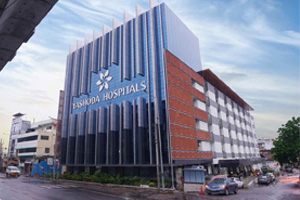
  • Malakpet Location

    Malakpet

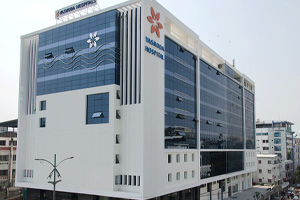
  • Somajiguda Location

    Somajiguda

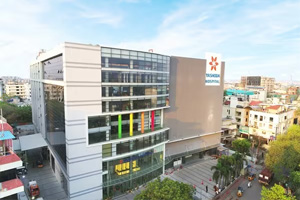
  • Secunderabad Location

    Secunderabad

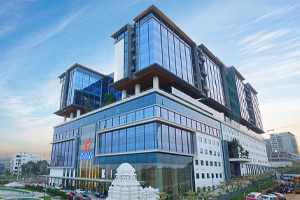
  • Hitec City Location

    Hitec City

FAQ's

Surgery in epilepsy patients can completely stop seizures in many patients, especially when the seizure focus is clearly identified. While not every case can be cured, a large number of patients become seizure-free or experience a significant reduction.

Epilepsy surgery is normally safe when performed by experienced neurosurgeons using modern techniques. Like any brain surgery, there are risks such as infection, bleeding pr temporary neurological changes but usually serious complications are very rare.

The epilepsy procedure normally takes 3 to 8 hours, depending on the type of surgery and how complex the condition is.

In many cases, mainly with well-defined seizure origins, surgery can provide long-term or permanent seizure freedom. However, some patients might still need medicines or might even experience occasional seizures.

Yes, most health insurance plans in India cover epilepsy surgery, that include hospitalization as well as the cost of treatment. Coverage might vary depending on the policy, hospital, and type of procedure.

The recovery time after epilepsy surgery requires the patient to stay in the hospital for 4 to 10 days, initial recovery might take 2 to 6 weeks, and full recovery might take 6 weeks to 3 months. Most patients gradually return to normal daily activities with proper care.

The seizure-free outcomes from epilepsy surgery are anywhere between 60% to 80%, and a significant seizure reduction rate is upto 90%. The best outcomes are usually observed in patients with a clearly localized seizure focus.

Terms and conditions

All the cost and surgery information provided on the website is primarily to enable the users to obtain a better understanding of Yashoda Hospitals and the medical services provided by it, and the information thereby provided is subject to changes and modifications as and when required without any prior notice. Actual cost of the surgery details would be confirmed at the hospital after doctor consultation only.

Yashoda Hospitals does not represent or endorse the accuracy, completeness or reliability of any information displayed, uploaded or distributed through the website. The usage of the content implies that you acknowledge that any reliance upon any such statement or information shall be at your own risk. Yashoda Hospitals does not resume any responsibility related to the accuracy of information provided or made available. None of the individual developers, system operators, third-party contributors and management of Yashoda Hospitals or anyone else connected to Yashoda Hospitals can be held responsible for the results or consequences incurred due to any reliance being placed or adopt any of the information presented on this website.

Book an appointment
in 2 minutes