Indications of electroencephalogram (EEG)
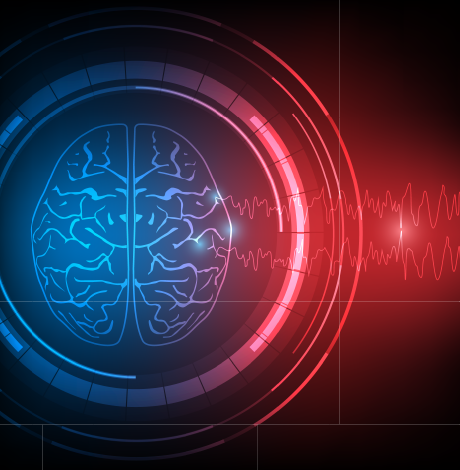
An electroencephalogram is utilized every time there is a requirement to examine the functional electrical activity in the brain. It is mainly utilized in conditions that involve seizures, altered consciousness, diffuse cerebral dysfunction, and unusual cortical activity.
Epilepsy and seizure disorders:
The major indications of an electroencephalogram include epilepsy and seizure disorders. An electroencephalogram is useful in confirming the presence of epileptic activity by diagnosing unusual electrical discharges in the brain. It helps in differentiating epileptic seizures from non-epileptic scenarios. Whether it is the classification of seizures or identifying if seizures start from a focal area or involve the complete brain electroencephalogram, it helps in keeping track of antiepileptic therapy and examining patients with repeated or unexplained seizure occurrences.
Altered level of consciousness:
Electroencephalogram is also used in patients with sudden changes in conscious states, namely, confusion, delirium, stupor or coma. It helps in evaluating the overall degree of cerebral dysfunction and provides information about brain activity in patients who do not usually respond. Electroencephalogram patterns can detect the depth of unconsciousness and help distinguish between metabolic causes or damage in the brain structure.
Encephalopathies:
An electroencephalogram is widely used in the examination of encephalopathies, which are widespread disorders of brain function. They may be caused by unusual metabolism, toxins, hypoxia, or systemic illness. An electroencephalogram depicts the declining functioning of the brain in such conditions. It is useful in evaluating severity, tracking progression, and examining the response to treatment of metabolic, toxic, hypoxic, hepatic and uremic encephalopathies.
Brain infections:
An electroencephalogram is also used in suspected infections of the brain. Namely, encephalitis and meningoencephalitis. It helps in diagnosing abnormal cortical activity caused by either inflammation or infection. Certain electroencephalogram patterns help in early diagnosis and provide information about the extent and localization of brain involvement, especially when clinical results are not clear.
Head injury and Traumatic brain injury :
An electroencephalogram is useful in assessing the functioning of the brain after injury to the brain. It helps in diagnosing diffuse or focal problems in electrical activity. An electroencephalogram is also used on patients with post-traumatic seizures or those who suffer from neurological problems after trauma.
Stroke and cardiovascular problems:
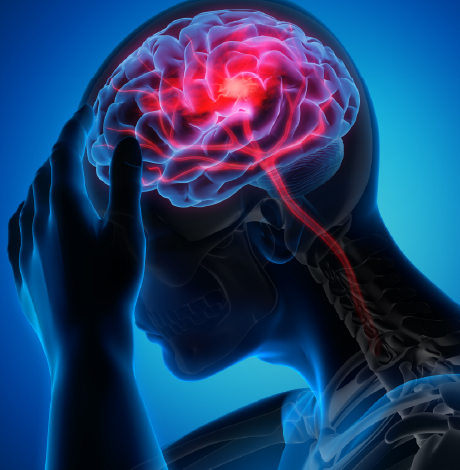
Electroencephalogram is utilized in patients with stroke to evaluate the involvement of of cortex and how far its functions have been affected by stroke or cardiovascular issues. It may lead to unusual electrical activity in the brain. An electroencephalogram also keeps a track of recovery and helps identify problems like seizures that may occur after a stroke.
Brain tumours and space-occupying lesions:
An electroencephalogram helps in the detection of focal abnormalities in brain’s electrical activity caused by cortical irritation or compression. This also provides information about how lesions affect the cortical function and electroencephalogram, then finds its use as a supportive tool for imaging studies.
Sleep disorders:
In case of sleep disorders electroencephalogram documents the brain’s activity during different stages of sleep. This helps in the identification of unusual sleeping patterns and sleep-related seizures. An electroencephalogram is also used as a key component in polysomnography.
Dementia and neurodegenerative problems:
Electroencephalography evaluates cortical dysfunction in patients with reduced cognitive ability. Shows a gradual decline in the brain’s activity in advanced stages. An electroencephalogram helps in clinical diagnosis and tracking disease progression in cases of dementia or other neurodegenerative disease conditions.
Developmental and pediatric neurological disorders: Helps in evaluating the brain’s activity in infants and children who are facing a delay in their development. Along with that, it helps in detecting neonatal seizures and childhood symptoms of epilepsy. Also evaluates brain maturation and unusual electrical patterns.
Behavioural and psychiatric conditions:
Electroencephalography identifies neurological reasons for behavioural changes and helps in differentiating events of epilepsy from psychogenic disorders. Also supports testing of unexplained mental and behavioural symptoms.
Monitoring the functioning of the brain in critical care:
In these patients, the electroencephalogram continuously keeps a track of seriously sick cases, and helps in diagnosing ongoing or non-convulsive seizure activity. It also evaluates changes in cerebral functioning over time.
Monitoring during Anesthesia and Surgery, the electroencephalogram records the depth of anesthesia during a surgical procedure and evaluates cerebral activity during major operations. Also helps in detecting cerebral ischemia during the operative procedure.
Brain death examination:
An electroencephalogram helps in identifying the absence of cerebral electrical activity and supports clinical identification of brain death, utilizing it in combination with other tests of confirmation.
Unexplained neurological symptoms:
Examines unexplained loss of consciousness or fainting, and evaluates abnormal movements or sensory disturbances. Also helps in the identification of any unusual brain activity.




















 Appointment
 Second Opinion
 Live Chat
 Call
Call More
More


